


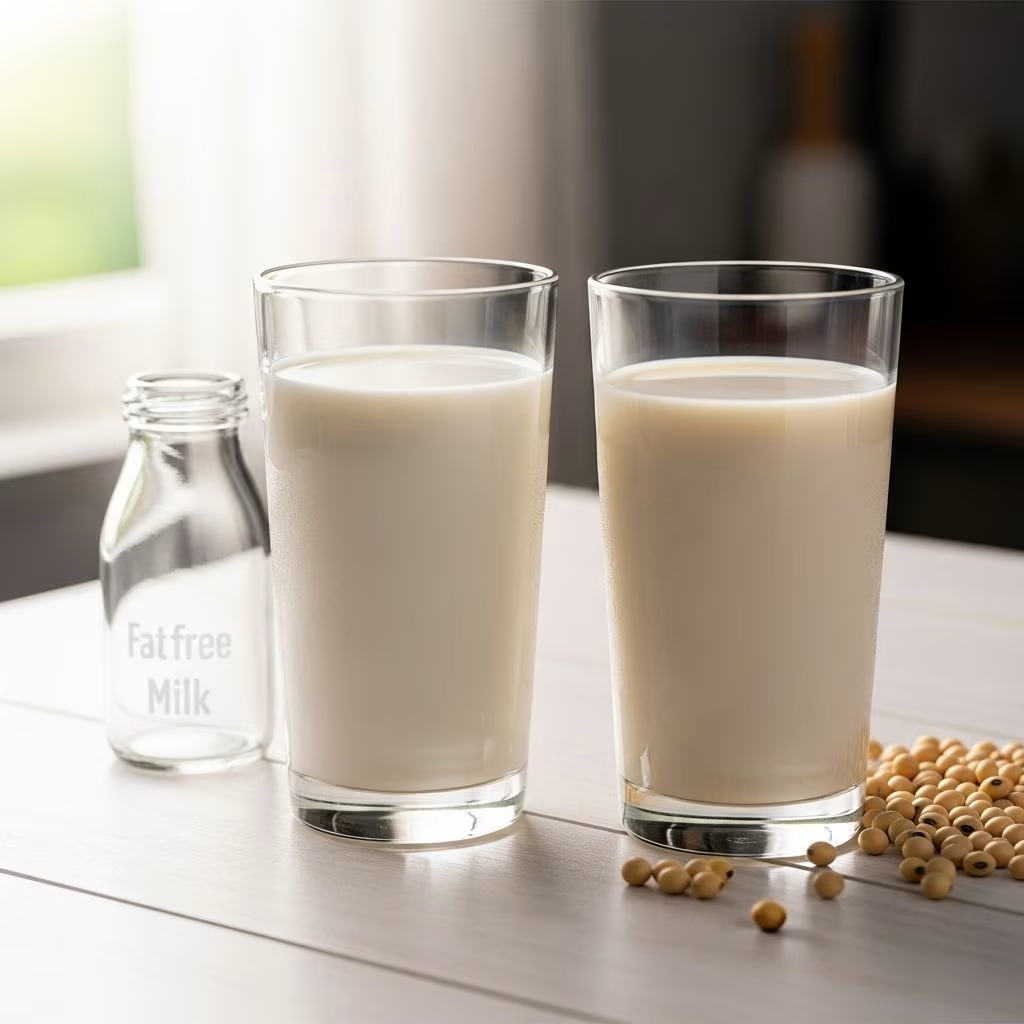
Fat-Free Cow’s Milk vs. Soy Milk: Which Is Better for You?
Choosing between fat-free (skim) cow’s milk and soy milk has become a regular dilemma for anyone focused on healthy eating, weight management, or dietary restrictions. Both are popular choices for adding essential nutrients to your diet, but each brings unique characteristics in terms of nutrition, taste, potential health benefits, and dietary suitability.
Understanding the Basics: What Are Skim Milk and Soy Milk?
Skim milk is cow’s milk that has had nearly all of its fat removed, leaving a watery but nutrient-rich liquid. This makes it an appealing option for those seeking to reduce their calorie and fat intake while still accessing the protein, calcium, and vitamins naturally present in milk.
Soy milk is a plant-based beverage made from soybeans and water, often fortified with vitamins and minerals. It is naturally lactose-free, making it suitable for people with lactose intolerance or dairy allergies. Soy milk is a staple among vegans and vegetarians, and its mildly sweet flavor and creamy texture have gained popularity even among non-vegetarians.
Nutrition Head-to-Head: Skim Milk vs. Soy Milk
| Nutrient | Skim Milk | Soy Milk |
|---|---|---|
| Calories | 34 kcal | 43 kcal |
| Protein | 3.4 g | 2.6 g |
| Carbohydrates | 5.0 g | 4.9 g |
| Sugar | 5.1 g | 3.7 g |
| Fat (Total) | 0.1 g | 1.6 g |
| Saturated Fat | 0.06 g | 0.21 g |
| Cholesterol | 2 mg | 0 mg |
| Calcium | 122 mg | 25 mg (unfortified) |
| Vitamin D | 47 IU | 0 IU (some brands fortified) |
Both milks offer similar calorie counts, but their macronutrient profiles differ. Skim milk delivers more protein and less fat, while soy milk has more healthy unsaturated fats, is higher in fiber, and is naturally cholesterol-free.
Macronutrient Ratios: Breaking Down the Numbers
Macronutrient contribution from calories also varies:
- Soy Milk: 24% protein, 46% carbs, 31% fat
- Skim Milk: 40% protein, 58% carbs, 2% fat
Whereas skim milk is almost fat-free, soy milk contains more fat—but most of it is unsaturated and includes beneficial omega-3 fatty acids. Both varieties are low in saturated fat. Skim milk’s protein is regarded as higher quality due to its animal origin, as discussed below.
Protein Quality and Digestibility
Both beverages are a good source of protein, but there are important distinctions:
- Skim milk protein is a complete, high-quality (animal-based) protein, easily absorbed and containing all nine essential amino acids our bodies require.
- Soy milk protein is also complete for plants, but generally considered a slightly lower quality protein compared to cow’s milk due to lower digestibility and amino acid profile.
This makes either a valid protein source, though cow’s milk may be preferred for athletes or those optimizing muscle health, while soy milk remains an excellent plant alternative.
Vitamin and Mineral Differences
- Calcium: Both milks are usually equivalent in calcium, but soy milk’s value depends on fortification. Cow’s milk supplies roughly 300 mg calcium per cup; check soy milks for added calcium if you rely on it for bone health.
- Vitamin D: Cow’s milk is generally fortified with vitamin D. Soy milk is only a good source if fortified, which many brands are.
- B Vitamins: Cow’s milk naturally has riboflavin and vitamin B12, while soy milk only contains these if fortified.
- Other Nutrients: Soy milk often includes magnesium, omega-3 fatty acids, and sometimes extra vitamin E.
Taste and Texture: How Do They Compare?
Soy milk is considered to taste sweeter and creamier than skim milk, a result of its natural bean sugars and the way it is processed. People with a preference for a fuller-bodied, slightly nutty beverage, or those with a sweet tooth often gravitate toward soy milk. Conversely, others find soy’s flavor off-putting, preferring the milder, more neutral taste of skim milk, especially in coffee or cereal. As with all taste-related factors, trying each kind is recommended to see what suits your preferences.
Health Benefits and Suitability for Special Diets
- Lactose intolerance: Soy milk is lactose-free and vegan, making it safe for those who cannot digest cow’s milk or wish to avoid animal products.
- Fat content: Skim milk’s almost total lack of fat appeals to those watching their calorie intake, but soy milk’s unsaturated fats have heart-protective benefits.
- Omega-3 fatty acids: Soy milk provides modest omega-3s, which are not found in notable amounts in regular skim milk (absent unless fortification is present in other milks like 1% or whole).
- Cholesterol: Cow’s milk—albeit skim—contains a small amount of cholesterol, not found in soy milk.
- Allergies: Individuals allergic to either soy or dairy need to avoid the respective beverage.
Weight Management and Satiety
Both beverages can be incorporated into a calorie-conscious diet. Skim milk’s extra protein content can help with feelings of fullness. Soy milk’s dietary fiber—minimal, but still present—can be an advantage for satiety and digestive health.
Environmental and Ethical Considerations
- Skim milk: Animal-based, with a higher environmental footprint (land, water, emissions).
- Soy milk: Plant-based, more sustainable and fewer resources are required for production. Suitable for vegan and vegetarian diets.
Choosing the Right Milk for You
The choice between fat-free cow’s milk and soy milk depends largely on your dietary restrictions, taste preference, nutritional needs, and ethical values. Some key questions to guide your decision:
- Are you lactose intolerant or vegan? Soy milk is the right match.
- Are you looking to maximize protein intake? Skim milk has the edge in protein quantity and quality.
- Are you prioritizing heart health and omega-3 fats? Soy milk provides healthy fats, including some omega-3s.
- Concerned about allergies? Read ingredient labels carefully for both beverages if you have sensitivity to soy or dairy.
- Is bone health a top priority? Both options can support it, but ensure soy milk is fortified with calcium and vitamin D.
Potential Drawbacks and Considerations
- Soy milk: Sometimes contains added sugars, flavors, or thickeners for improved taste and consistency. Watch for added sodium and sugar in flavored or sweetened varieties.
- Skim milk: Is essentially fat-free, which may impact satisfaction or the absorption of fat-soluble vitamins in a very low-fat diet.
- Soy contains plant compounds called phytoestrogens; though generally harmless, individuals with certain hormone-sensitive conditions may wish to consult a healthcare professional.
Frequently Asked Questions (FAQs)
Q: Which is better for bone health, skim milk or soy milk?
A: Both can support bone health due to their calcium content. Traditional cow’s milk naturally contains high levels of calcium and is often fortified with vitamin D for absorption support. Many brands of soy milk are fortified with calcium and vitamin D, but always check the label to ensure you’re receiving a comparable dose.
Q: Can you drink soy milk if you have a dairy allergy?
A: Yes, soy milk is naturally free from dairy ingredients and safe for individuals with milk allergies. However, those with soy allergies should avoid it.
Q: Does skim milk have more sugar than soy milk?
A: Skim milk and soy milk have similar amounts of natural sugar per serving. However, flavored or sweetened soy milks can have additional added sugars, so always check the nutrition label.
Q: Which milk is better for weight loss?
A: Both are low in calories and suitable for weight management. Skim milk is slightly lower in calories and higher in protein, which may help with satiety, while soy milk’s healthy fats and natural sweetness may also help keep you satisfied. Your individual calorie needs and taste preference will likely dictate the best choice for you.
Q: Does soy milk contain as much protein as cow’s milk?
A: No. Skim cow’s milk typically contains slightly more protein per serving (around 8g per cup) compared to soy milk’s 6-7g per cup. However, soy milk remains one of the highest protein plant-based milks available.
Conclusion: Making Your Milk Choice
Fat-free cow’s milk and soy milk both occupy unique and valuable places in a healthy diet. Whether you value maximum protein, lower fat, greater sustainability, lactose-free nutrition, or simply the flavor, both beverages deliver key nutrients that can support a balanced lifestyle. The optimal choice will always depend on your specific health goals and personal preferences—so enjoy the variety, and remember to review your labels as the nutritional values can change by brand!
References
- https://www.soupersage.com/compare-nutrition/skim-milk-vs-soy-milk
- https://www.fitday.com/fitness-articles/nutrition/healthy-eating/skim-milk-vs-soy-milk.html
- https://gonnaneedmilk.com/articles/milk-vs-soy-milk/
- https://www.healthline.com/health/milk-almond-cow-soy-rice
- https://pmc.ncbi.nlm.nih.gov/articles/PMC9650290/
- https://newsnetwork.mayoclinic.org/discussion/mayo-clinic-q-and-a-comparing-dairy-milk-and-plant-based-beverages/
- https://www.usatoday.com/story/life/food-dining/2024/04/14/what-is-the-healthiest-milk/73259897007/
- https://tools.myfooddata.com/nutrition-comparison/175223-171267-171265-170872-171269/wt1-wt1-wt1-wt1-wt1


