


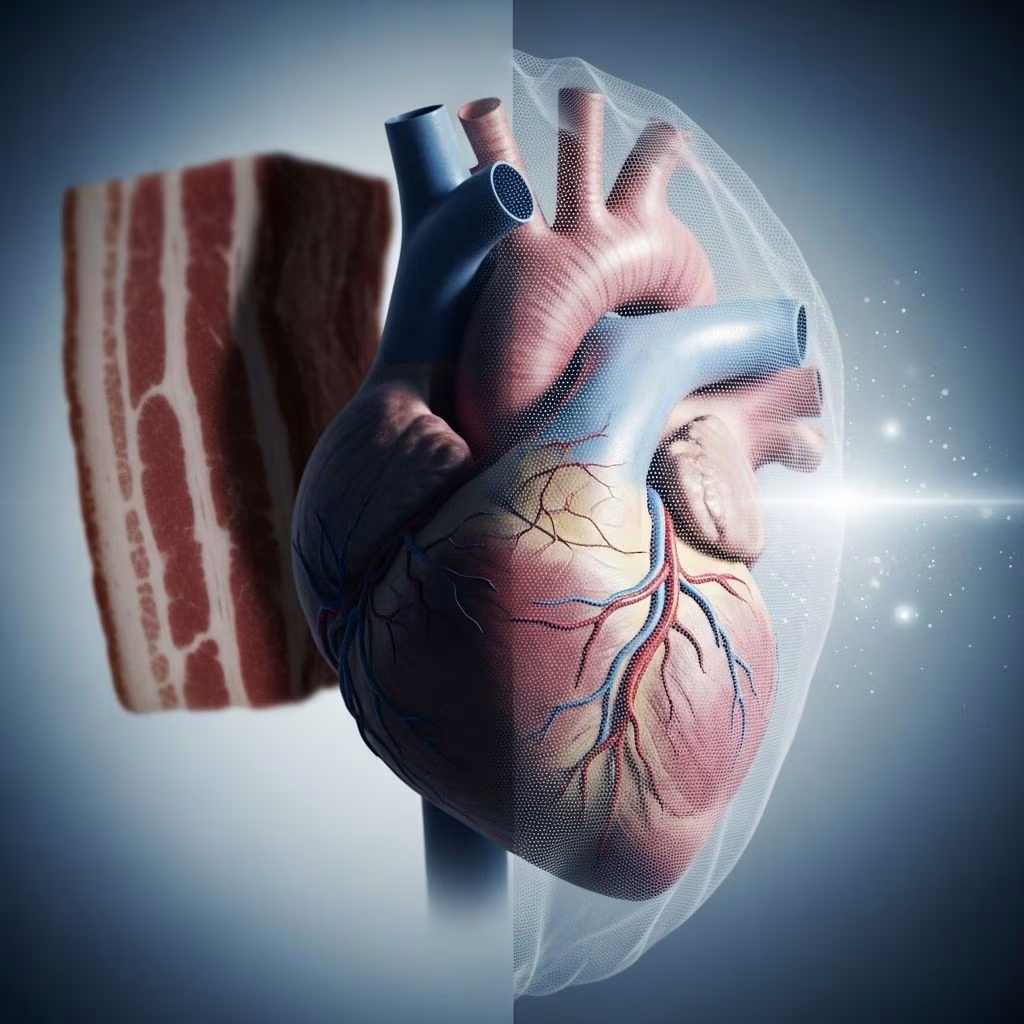
The Atkins Diet and Heart Disease: What You Need to Know
The Atkins Diet, known for slashing carbohydrates in favor of protein and fat, has been a fixture in the diet world for decades. While many tout its ability to jumpstart weight loss, controversy surrounds its long-term health effects—especially its potential impact on heart disease. This article explores the science, debate, and expert advice on how the Atkins Diet could affect your cardiovascular health.
Understanding the Atkins Diet
The Atkins Diet is a low-carbohydrate, high-protein, high-fat eating plan developed by Dr. Robert Atkins. It emphasizes cutting out most sugars and starches (found in bread, pasta, and many fruits) and replacing those calories with meat, cheese, eggs, and certain vegetables. The diet is typically structured in four phases, ranging from very low-carb induction to gradual carb reintroduction focused on long-term maintenance.
- Phase 1: Induction – Severe carb restriction (usually under 20g per day)
- Phase 2: Balancing – Slowly reintroduce nutrient-rich carbs
- Phase 3: Pre-maintenance – Fine-tune carb intake
- Phase 4: Maintenance – Maintain new healthy eating habits
How the Atkins Diet Is Supposed to Work
The rationales behind Atkins rest on several core ideas:
- Carbohydrates are the body’s primary energy source; by restricting them, the body is forced to burn fat for fuel through a process called ketosis.
- Fat and protein are said to be more satisfying, leading to reduced calorie intake overall.
- Eliminating high-GI (glycemic index) carbohydrates is believed to stabilize blood sugar and insulin levels.
Advocates point to quick, consistent weight loss as proof of its effectiveness, especially during the induction phase, with many shedding more pounds quickly than with traditional calorie-restricted or low-fat diets.
The Early Warnings: Heart Health Concerns
From the outset, the Atkins Diet faced skepticism and opposition from many in the medical community. Organizations such as the American Heart Association issued early warnings about high-protein, high-fat, low-carbohydrate plans, cautioning that these diets could:
- Increase intake of saturated fats, potentially raising LDL (“bad” cholesterol)
- Limit nutrient-rich foods, including fiber-rich fruits and whole grains
- Promote metabolic effects that could stress vital organs over time
What the Science Says: Studies Linking Low-Carb Diets and Heart Disease
A number of long-term studies have tried to provide clearer answers about how low-carb, high-protein diets affect heart health:
Key Study on Swedish Women
An influential study followed over 43,000 Swedish women ages 30 to 49 for nearly 16 years. The results found that those consuming a diet low in carbohydrates and high in protein experienced a 5% higher risk of cardiovascular disease. Even modest shifts—eating 20 grams fewer carbohydrates and 5 grams more protein daily—were linked to an increased risk. By the end of the study period, 1,270 women developed heart disease, underlining the potential danger of this pattern.
Other Observational and Clinical Data
- A “keto-like” diet—very similar in macronutrient ratio to Atkins—was found in another study to double the risk of major cardiovascular events, including heart attacks and strokes. Participants on such diets had higher LDL cholesterol and apolipoprotein B (apoB), both risk factors for heart disease. After an average follow-up of nearly 12 years, 9.8% of LCHF (low-carb high-fat) dieters suffered a new cardiac event, compared to only 4.3% on a standard diet.
- A substantial review reported that low-carb diets can increase oxidative stress on the heart and other organs, lower potassium in cardiac tissues (possibly resulting in arrhythmias), and reduce cancer-protective fiber intake. The risk of kidney stones, joint pain, osteoporosis, and even permanent kidney damage—especially in those with pre-existing kidney issues—also rises with prolonged high-protein dieting.
- Some sources have also linked high red meat consumption, often a staple on Atkins, to increased risk of colon cancer. The excessive intake of animal fat may be harsh on kidneys “designed to work on an oil slick of fat,” according to some experts.
Potential Mechanisms: Why Could Atkins Raise Heart Disease Risk?
Understanding the biological mechanisms can help clarify why the Atkins Diet might elevate cardiovascular risk for certain individuals:
- Increased LDL Cholesterol: High intake of saturated fats (from red meat, cheese, and butter) can raise LDL cholesterol, a major risk factor for artery blockages and heart disease.
- Elevated Apolipoprotein B (apoB): This protein component on LDL particles is a predictor of atherosclerosis—fatty build-up in vessel walls.
- Reduced Protective Fiber: Very low-carbohydrate diets restrict fiber-rich foods, which normally help lower cholesterol, control blood sugar, and reduce inflammation.
- Possible Mineral Imbalances: Rapid weight loss and low produce intake can cause potassium loss, contributing to irregular heart rhythms.
- Kidney Strain: Higher protein and fat intake generate more metabolic waste, which can overtax kidneys—especially in those with subtle or undiagnosed renal impairment.
Counters and the Big, Fat Controversy
Despite these documented risks, studies have occasionally found unexpected improvements in cholesterol profiles for some Atkins dieters. For example, a prominent Duke University study revealed substantial weight loss among participants—with some actually showing improved levels of both LDL (bad) and HDL (good) cholesterol over six months of following an Atkins-style low-carb plan.
Why the contradiction? Possible explanations include:
- Weight loss itself—even via high-fat diets—can independently lower cholesterol and blood pressure.
- Individual responses to saturated fat intake can vary significantly due to genetics, baseline health, and other risk factors.
- Short-term improvements may not reflect longer-term heart risks that only emerge after years of exposure.
Other Health Risks of a Low-Carb, High-Protein Diet
Beyond heart disease, medical research has suggested additional health risks associated with sustained low-carb, high-protein dietary patterns:
- Cancer risk: Low fruit and vegetable intake can increase vulnerability to certain cancers, particularly of the lungs and GI tract.
- Kidney Stones and Joint Pain: High protein can lead to elevated uric acid (risking gout) and high calcium excretion (risking kidney stones).
- Bone loss: Protein-induced calcium loss may contribute to osteoporosis over time.
- Metabolic imbalance: Potential dehydration, electrolyte loss, and dangerous shifts in potassium.
But What About Weight Loss?
One reason many try the Atkins Diet is its reputation for fast, substantial weight loss. Numerous studies confirm that low-carb diets can trigger dramatic initial drops on the scale—often greater than comparable calorie-restricted or low-fat plans. This seems to be due to a quick drop in water weight and suppression of appetite often seen during ketosis.
However, the story is more complicated in the long term. The difference in weight loss compared to other diets tends to shrink as time goes on, and most studies show little or no significant advantage in maintaining lower weight after a year or more. Critics also point out that it can be difficult for many people to sustain such a restrictive eating plan long term, leading to high dropout rates and weight regain.
Key Pros and Cons of the Atkins Diet
| Pros | Cons |
|---|---|
| Rapid initial weight loss | May raise LDL and apoB, increasing heart disease risk |
| No calorie counting required | Reduces fiber, vitamins, and phytonutrients |
| Simple rules/easy to follow for meat-lovers | Challenging to maintain long term |
| May reduce appetite/cravings for some | Risk of kidney stress, bone loss, and cancer with high intake of animal fats |
| Some see improved blood sugar/insulin levels | Potential for dangerous electrolyte imbalances |
Who Should Avoid Atkins or Approach With Caution?
The evidence is strongest for caution—or medical supervision—if you fall into the following categories:
- Pre-existing heart disease or high cholesterol: The risk of raising LDL and apoB may outweigh any potential benefit.
- History of kidney problems: Extra protein may accelerate loss of kidney function or worsen undiagnosed issues.
- History of gout, kidney stones, or osteoporosis: High protein and low-fiber intake could worsen these conditions.
- Vegetarians and vegans: The diet is difficult to follow and may lead to nutritional deficiencies without careful planning.
What Do Leading Health Organizations Recommend?
Most leading health experts and organizations—including the American Heart Association, World Health Organization, and Dietary Guidelines Advisory Committee—do not endorse strict low-carbohydrate, high-protein diets such as Atkins for long-term heart health.
Key recommendations usually include:
- Eating a balanced diet rich in fresh fruits, vegetables, whole grains, nuts, seeds, and lean proteins
- Limiting saturated and trans fats, and preferring unsaturated fats (e.g., olive oil, fatty fish)
- Maintaining healthy body weight, regular exercise, and not smoking
Ultimately, the best diet for weight loss and heart health is one you can sustain for the long run—one that nourishes your body and leaves you feeling well—not one that leaves you counting grams and worrying over every meal.
Frequently Asked Questions (FAQs)
Q: Does the Atkins Diet cause heart disease?
A: Several large studies have linked the Atkins Diet and similar low-carb, high-protein plans to increased risk of heart disease, mainly due to higher LDL cholesterol and reduced fiber intake. Short-term cholesterol improvements in some individuals do not erase long-term risks, especially for those with pre-existing heart issues.
Q: Is all weight loss on Atkins healthy?
A: While many experience quick weight loss on Atkins, much of the early drop is water weight and appetite suppression. The approach is not necessarily sustainable, and long-term health consequences can outweigh short-term gains.
Q: Can I follow a safer version of a low-carb diet?
A: Yes. Emphasizing unsaturated plant-based fats (olive, avocado, nuts), high-fiber non-starchy vegetables, and fish instead of red meat reduces many risks. Always consult a doctor before starting any restrictive diet, especially if you have health problems.
Q: Does Atkins work better for some people than others?
A: There is individual variation—some people respond well and see improvements in blood sugar or lipids, while others experience adverse effects or difficulty sticking to the plan. Your medical history and genes play a significant role.
Q: Are low-carb diets good for diabetes?
A: Some people with prediabetes or type 2 diabetes may benefit from reduced refined carbohydrate intake, but extreme carb restriction is not universally needed or advised. Fiber, whole grains, and moderate carbohydrate are still part of a healthy diabetic eating plan.
References
- https://abcnews.go.com/Health/low-carbohydrate-high-protein-diets-increase-cardiovascular-disease/story?id=16655359
- https://pmc.ncbi.nlm.nih.gov/articles/PMC6074441/
- https://www.acc.org/About-ACC/Press-Releases/2023/03/05/15/07/Keto-Like-Diet-May-Be-Linked-to-Higher-Risk
- https://www.webmd.com/diet/features/how-safe-is-atkins-diet
- https://pmc.ncbi.nlm.nih.gov/articles/PMC6959586/
- https://ahs.atlantichealth.org/about-us/stay-connected/news/content-central/2023/keto-diets-and-heart-health.html
- https://www.health.harvard.edu/staying-healthy/could-a-low-carb-diet-help-your-heart


