


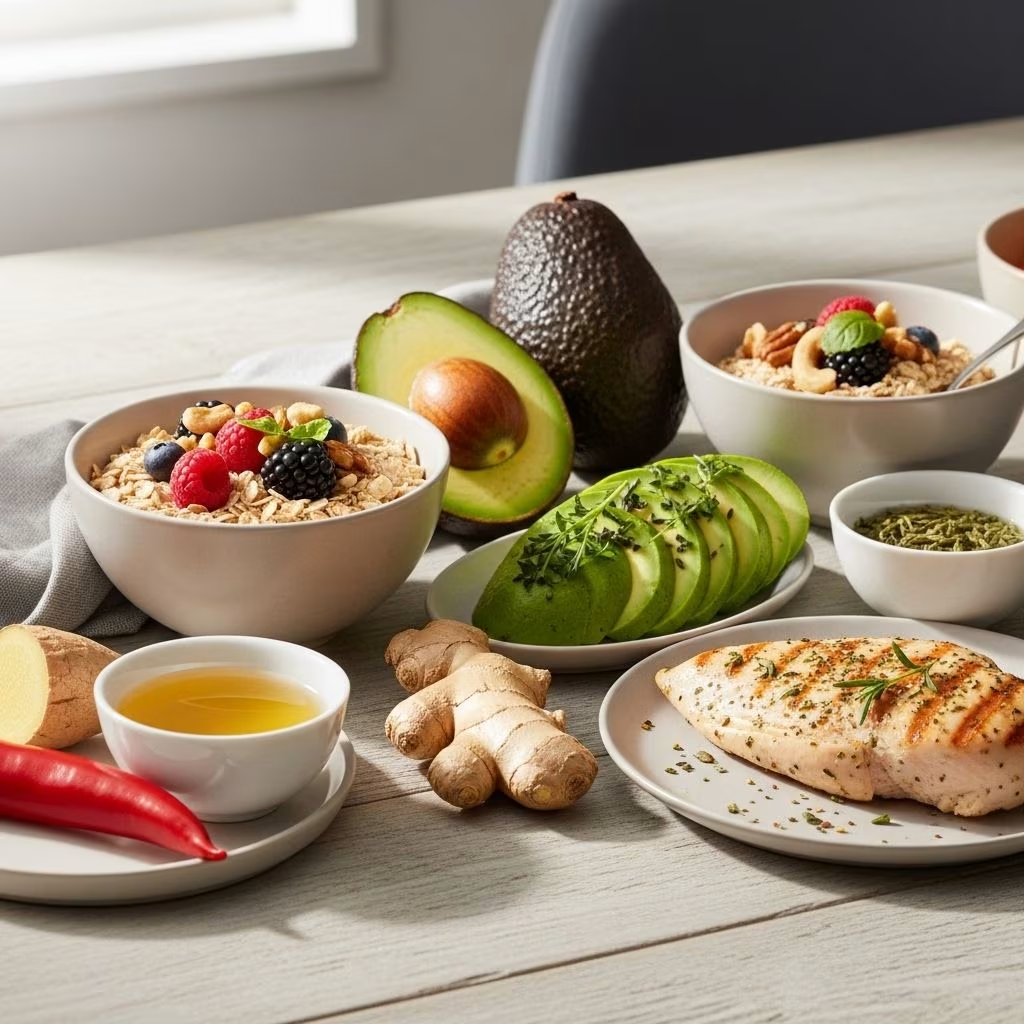
The promise of eating your way to a faster metabolism is alluring. Many headlines and diet plans suggest adding specific “fat-burning” or “metabolism-boosting” foods to your plate with the hope of increasing the number of calories your body burns each day—but what does science really say? In this article, we investigate whether certain foods can genuinely boost your metabolism, which nutrients play a role in your calorie-burning engine, and what practical steps you can take to maximize your metabolism’s efficiency for sustainable weight loss.
What Is Metabolism?
Metabolism refers to the chemical processes happening in your body that keep you alive and functioning. These processes include everything from turning food into energy, building and repairing tissues, to removing waste products. When people talk about metabolic rate, they usually mean the number of calories (energy) their body burns over a certain period, both at rest and during activities.
- Basal metabolic rate (BMR): Calories used for basic bodily functions at rest, like breathing and keeping your heart beating.
- Thermic effect of food (TEF): Calories burned while digesting and processing food.
- Physical activity: Calories burned through movement and exercise.
Your metabolic rate is influenced by factors like age, gender, genetics, body size, and muscle mass. While these factors are mostly outside of your control, there are ways to modestly increase your metabolism. Diet gets a lot of attention—especially the idea that certain foods can “stoke the metabolic fire.”
Can Specific Foods Significantly Boost Your Metabolism?
The notion that certain foods offer a significant “boost” to metabolism is partly rooted in the thermic effect of food (TEF). This effect describes how digesting, absorbing, and processing food uses energy. However, the impact of most single foods is modest, if not minimal, especially in the context of an overall healthy diet .
- Foods high in protein require more energy to digest compared to fats and carbohydrates, leading to a slightly higher TEF.
- Some compounds, like capsaicin in chili peppers or catechins in green tea, may temporarily raise calorie-burning, but the effect is mild and often short-lived .
- Drinks such as coffee appear to give a temporary uptick in metabolism, mainly from caffeine’s stimulating effect.
Despite these effects, focusing on single foods is less impactful than eating a high-quality, balanced diet, rich in protein and minimally processed foods .
Protein: The Star Macro for Metabolism
Protein-rich foods stand out as the most effective dietary component for slightly increasing metabolic rate due to the energy cost required to digest and process them. The thermic effect of protein can be up to 20-30% of the calories consumed from protein, compared to 5-10% for carbohydrates and 0-3% for fats . This makes protein a pivotal nutrient in weight-loss diets—not just because it helps preserve muscle, but because it can support higher calorie burn.
- Examples of high-protein foods: Chicken breast, turkey, eggs, lean beef, low-fat dairy, beans, lentils, fish and seafood .
- High-protein diets are linked to greater feelings of fullness, reduced appetite, and decreased total calorie intake .
A consistent body of research shows consuming more protein than the recommended dietary allowance not only promotes weight loss but also helps preserve lean muscle mass—which maintains a higher resting metabolic rate, even as you lose weight .
Other Foods Often Touted as Metabolism Boosters
1. Chili Peppers
The capsaicin in hot peppers slightly increases body heat and energy expenditure when consumed in significant amounts. Studies show capsaicin supplements can raise metabolic rate briefly, but the amount in typical servings of spicy food is unlikely to produce a major effect. Nevertheless, regularly using chili peppers might provide a small, cumulative benefit over time .
- Chili peppers may temporarily boost calorie burn, but not enough for dramatic weight loss.
2. Green Tea
Green tea contains a class of antioxidants called catechins, with epigallocatechin gallate (EGCG) being the most studied. EGCG is believed to increase the amount of fat burned during exercise and at rest, while caffeine adds a mild metabolic lift. Studies indicate that green tea catechin extracts can increase daily calorie expenditure by a modest amount, but drinking green tea alone is not likely to result in significant changes in body weight .
3. Coffee
The caffeine in coffee acts as a central nervous system stimulant, temporarily raising metabolic rate and fat oxidation. For habitual coffee drinkers, the effect may diminish over time due to tolerance. Still, moderate coffee intake can act as a subtle metabolic enhancer.
4. Legumes and Lentils
Beans, lentils, and other legumes are high in protein and fiber. Digesting them requires more energy than processed foods, potentially accounting for a higher TEF. Legumes are also rich in iron and B vitamins, both vital for energy metabolism .
5. Fish and Lean Meats
Fish such as salmon, tuna, and mackerel supply both high-quality protein and omega-3 fatty acids, which may help regulate metabolism. Lean meats like chicken or turkey are protein-dense and support muscle maintenance, protecting metabolic rate during weight loss .
6. Dairy Products
Low-fat milk and yogurt are good sources of calcium and vitamin D, crucial for muscle function and metabolic health. Including these foods as part of a balanced diet may support a healthy metabolic rate .
7. Cruciferous Vegetables
Vegetables like broccoli and cauliflower are rich in water, fiber, and micronutrients. They’re filling, low-calorie options that may aid weight loss.
How Much Can These Foods Really Help?
While certain foods do temporarily nudge metabolism upward, the total increase is usually modest in the context of daily calorie burn. For example, chili pepper supplements may result in an additional 10-20 calories burned per day—barely a fraction of the average person’s total energy expenditure. Adding green tea might increase calorie burning by around 80-100 calories daily at most, and only in some individuals .
The bigger metabolic benefits come from building and maintaining muscle through activity and supporting this with a diet higher in protein and lower in ultra-processed foods. Thus, while “metabolism-boosting foods” do exist in theory, relying on them for weight loss is unlikely to dramatically shift the needle.
Comparison: Metabolism-Boosting Foods and Their Effects
| Food | Active Compound or Nutrient | Potential Effect on Metabolism |
|---|---|---|
| Chili Peppers | Capsaicin | Temporary calorie burn increase (small) |
| Green Tea | Catechins, Caffeine | Slight increase in energy expenditure |
| Coffee | Caffeine | Short-term metabolic boost |
| Fish, Lean Meats | Protein, Omega-3s | Higher TEF, supports muscle mass |
| Legumes, Lentils | Protein, Fiber, Iron | Higher TEF, satiating |
| Dairy (Low-Fat) | Protein, Calcium, Vitamin D | Supports muscle and metabolic health |
| Broccoli & Veggies | Fiber, Micronutrients | Filling, low-calorie, supports overall health |
What Truly Raises Metabolic Rate?
Besides genetics and age, several strategies can support a healthy metabolic rate:
- Increase muscle mass: Muscle tissue burns more calories than fat, even at rest. Resistance training and strength exercises are key.
- Stay active: Regular movement—including walking, structured exercise, and active daily living—boosts total calorie burn.
- Eat enough protein: Helps maintain muscle and increases TEF slightly .
- Avoid severe calorie restriction: Drastically cutting calories slows metabolic rate and can cause muscle loss.
- Prioritize sleep and stress management: Both poor sleep and chronic stress can shift hormone levels to lower your metabolic rate.
Are Metabolism-Boosting Foods Safe?
There is generally no harm in consuming moderate amounts of foods and drinks like chili peppers, green tea, ginger, and coffee. However, supplements containing concentrated extracts (especially of capsaicin or caffeine) should be approached with caution, as these can produce side effects like jitters, heart palpitations, or digestive discomfort . Always consult your healthcare provider before beginning any new supplement regimen, especially if you have underlying health conditions.
Myths About Food and Metabolism
- Myth: Eating small, frequent meals stokes metabolism. There’s no convincing evidence that meal pattern alone speeds up metabolism—calorie balance is what matters.
- Myth: Certain foods melt away fat. No food will magically cause your body to burn large amounts of extra calories or fat.
- Myth: Ice water dramatically boosts calorie burn. The energy required to warm cold water is minimal—a few calories at best.
Expert Tips for Supporting a Healthy Metabolism
- Fill your plate with whole, unprocessed foods.
- Include a source of protein in every meal.
- Make strength training part of your weekly routine.
- Stay hydrated; while water itself doesn’t supercharge metabolism, being well-hydrated supports efficient calorie burning.
- Get enough quality sleep each night.
Frequently Asked Questions (FAQs)
Q: Is there a magical food that dramatically boosts metabolism and causes weight loss?
A: No, there are no foods that dramatically increase metabolism to the extent that they cause major weight loss on their own. The effects are generally minor. Sustainable weight loss depends on creating a calorie deficit and maintaining muscle mass through activity and adequate protein.
Q: Does eating spicy foods speed up metabolism?
A: Eating spicy foods with capsaicin can slightly raise your metabolism for a short time, but the effect on overall calorie burn or weight loss is minimal in practice.
Q: Can drinking coffee or green tea help me lose weight?
A: Both coffee and green tea may provide a mild increase in metabolism due to caffeine and antioxidants, but these effects are modest. They can be part of a healthy diet, but should not be relied upon as a primary weight-loss strategy.
Q: Is a high-protein diet safe for everyone?
A: Most healthy adults can safely follow a higher-protein diet, especially for short periods during weight loss. However, those with existing kidney issues should consult their healthcare provider. Long-term effects of high-protein diets are still under study, but there is no evidence of harm in healthy individuals when following a balanced approach .
Q: What is the best way to increase my metabolism naturally?
A: Building muscle through resistance training, staying active throughout the day, getting enough sleep, eating adequate protein, and managing stress are the most effective, science-backed strategies for supporting a healthy metabolic rate.
Key Takeaways
- Certain foods have mild, short-lived effects on metabolism, but no food dramatically accelerates calorie burning on its own.
- Protein has the strongest effect on metabolic rate of all macronutrients.
- Eating a balanced diet, maintaining muscle mass, and regular physical activity are the best ways to support your metabolism for weight management.
- Focus on overall healthy habits rather than looking for a “magic bullet” food.
References
- https://www.unitypoint.org/news-and-articles/12-metabolism-boosting-foods-to-aid-weight-loss
- https://pmc.ncbi.nlm.nih.gov/articles/PMC7539343/
- https://www.medicalnewstoday.com/articles/foods-that-boost-metabolism-what-does-the-science-say
- https://www.health.harvard.edu/nutrition/can-you-increase-your-metabolism
- https://pmc.ncbi.nlm.nih.gov/articles/PMC8230308/
- https://medlineplus.gov/ency/patientinstructions/000893.htm
- https://www.health.harvard.edu/staying-healthy/the-truth-about-metabolism
- https://www.mayoclinic.org/healthy-lifestyle/weight-loss/in-depth/metabolism/art-20046508
- https://www.rush.edu/news/how-metabolism-really-works


