


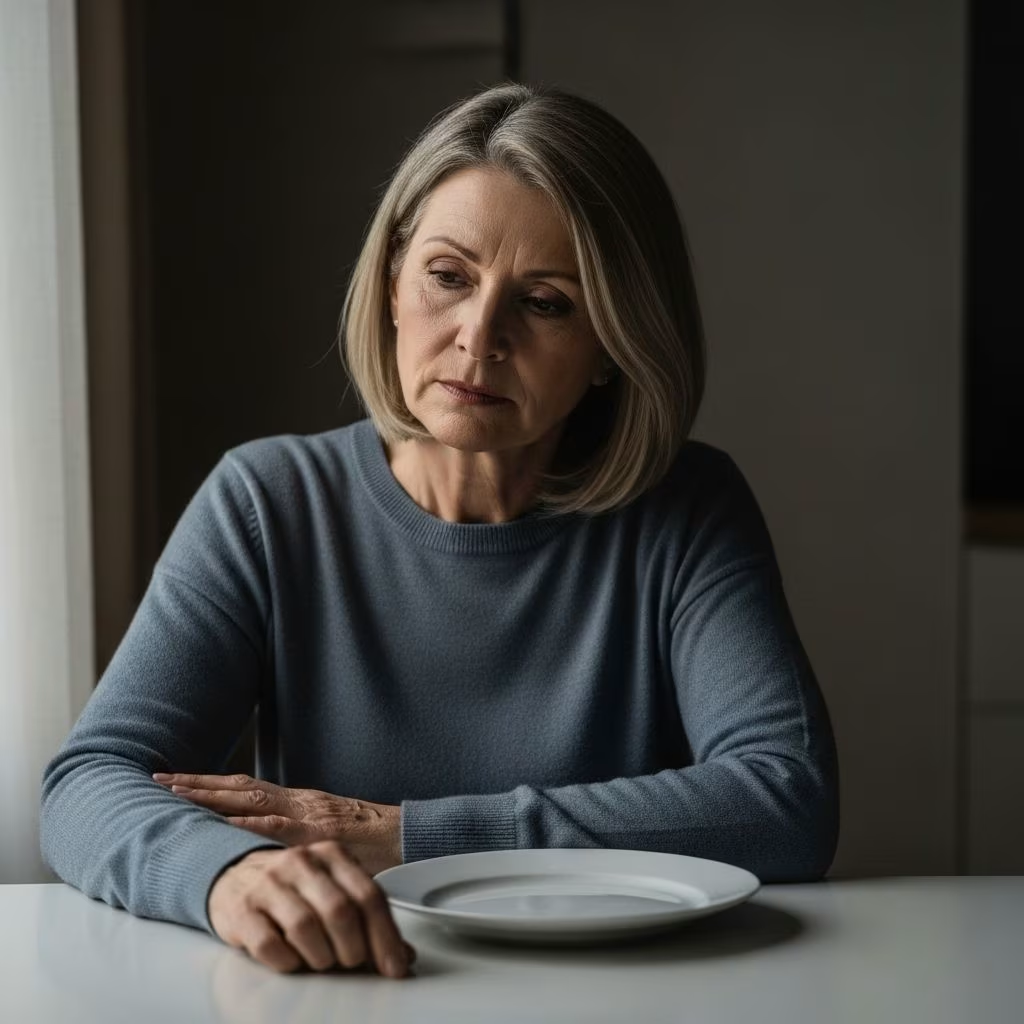
Eating Disorders Are Increasing in Women Over 50
Eating disorders are often regarded as the plight of adolescent girls or young women, but recent research and clinical observation reveal a startling trend: a growing number of women aged 50 and above are experiencing eating disorders. This demographic shift not only challenges popular assumptions about who is at risk but also underscores the urgent need for awareness, prevention, and targeted healthcare responses for older women facing these potentially life-threatening conditions.
What Are Eating Disorders?
Eating disorders are psychiatric illnesses characterized by disturbed eating behaviors, distorted body image, and often, severe consequences for physical and mental health. The most commonly diagnosed eating disorders include:
- Anorexia nervosa: Extreme restriction of food intake, leading to significant weight loss and malnutrition.
- Bulimia nervosa: Regular cycles of binge eating followed by compensatory behaviors such as vomiting or excessive exercise.
- Binge eating disorder (BED): Recurrent episodes of eating large amounts of food without subsequent purging, resulting in distress and often weight gain.
- Other specified feeding or eating disorders (OSFED): Disordered eating that doesn’t fit strict criteria for the above but still causes impairment.
Prevalence: The Data Behind the Trend
Contrary to lingering stereotypes, eating disorders do not dissipate with age — in fact, their prevalence is notably high among midlife and older women.
- A landmark 2012 study estimated that 13% of U.S. women aged 50 and older report symptoms of an eating disorder. This figure surpasses the percentage diagnosed with breast cancer in this group, emphasizing the scope and seriousness of the issue.
- One in five women by age 40 have experienced an eating disorder at some point — double the rate seen among women by age 21.
- Among women over 50, 2-7.7% meet full diagnostic criteria for an eating disorder, and up to 13% show significant symptoms.
- Notably, body dissatisfaction is pervasive: over 70% of midlife women report unhappiness with their weight, making them more vulnerable to disordered eating patterns.
Trends in Help-Seeking and Detection
- The Renfrew Center — a leader in eating disorder treatment — reported a 42% increase in women 35+ seeking care over a decade, underscoring rising recognition and need for support.
- Experts note that the medical and mental health community is gradually shedding the misconception that only young people are affected, with increasing awareness in screening and intervention across age groups.
Why Are Eating Disorders Rising in Midlife?
Several unique midlife challenges and transitions can act as catalysts or triggers for eating disorders in women over 50. While every individual’s story is distinct, research and clinical experience highlight several recurring factors:
- Societal Pressure and Internalized Ageism: The value placed on thinness and youth in Western society often intensifies as women age, fostering an environment ripe for disordered eating.
- Life Transitions: Empty-nesting, divorce, widowhood, retirement, and caring for aging parents constitute major disruptions; such transitions can undermine self-identity and emotional stability, fueling the pursuit of control through food and body.
- Menopausal Changes: Menopause brings inevitable physical changes, weight redistribution, and hormonal fluctuations. These biological shifts can provoke distress and dissatisfaction with one’s changing body, triggering or exacerbating eating disorder tendencies.
- Chronic Dieting and Weight History: Many women over 50 have a decades-long relationship with dieting and weight worries. For some, lifelong patterns of restricting, binging, or purging resurface or intensify in midlife, often in response to stress or body changes.
- Underlying Mental Health Conditions: Depression, anxiety, or past trauma can be intertwined with disordered eating, especially if left unaddressed or poorly managed.
- Medical Issues: Certain medical conditions (e.g., diabetes, gastrointestinal disorders) and medications can influence appetite, weight, and body image concerns, serving as additional risk factors.
Symptoms: How Eating Disorders Manifest in Older Women
Older women may exhibit both classic and subtle symptoms of eating disorders. Some warning signs can be mistaken for the normal aging process or other health conditions, making detection challenging. Key signs include:
- Preoccupation with weight, food, calories, or body shape
- Drastic changes in weight (loss or gain) without clear medical cause
- Recurrent dieting, restriction, or sudden adoption of extreme wellness trends
- Withdrawal from social eating occasions, secretive eating, or eating alone
- Continuing to exercise excessively or compulsively despite injury or fatigue
- Gastrointestinal complaints (e.g., constipation, abdominal pain) not attributable to other conditions
- Dental problems, sore throats, or callused knuckles (in some forms of bulimia)
- Signs of malnutrition: dry skin, hair loss, feeling cold, dizziness or fainting
- Disrupted menstrual cycle (for perimenopausal women)
Symptoms in older women may be more hidden than in younger cohorts, as there is often stigma or shame about acknowledging struggles perceived as ‘adolescent’ or ‘vain’.
Health Consequences: Why Eating Disorders Are Especially Dangerous in Midlife and Beyond
Eating disorders can have acute and chronic health impacts at any age, but these risks are amplified for older women due to compounding factors like bone loss, heart disease, and comorbid medical conditions. Potential consequences include:
- Osteoporosis and increased fracture risk due to malnutrition and hormonal changes
- Cardiac complications: Electrolyte imbalances, arrhythmias, and heart failure are exacerbated by age
- Weakened immune system and delayed recovery from illness or surgery
- Impaired gastrointestinal function: Constipation, bloating, and motility disorders
- Exacerbation of chronic conditions: Diabetes, hypertension, and other diseases become harder to manage
- Cognitive challenges such as concentration problems or memory loss linked to malnutrition
- Increased risk of depression and anxiety disorders, sometimes fueling a destructive feedback cycle
- Heightened risk of mortality: Mortality rates for anorexia nervosa are among the highest for any psychiatric disorder, including in older populations.
Why This Problem Remains Overlooked
Despite the mounting data, eating disorders in older women remain largely invisible. Key reasons include:
- Persistent stereotypes: The cultural assumption that eating disorders only strike teens diminishes professional and public vigilance.
- Internalized Shame: Many midlife women discount their own suffering, perceiving it as trivial or embarrassing.
- Diagnostic Blind Spots: Healthcare providers may overlook subtle signs or misattribute symptoms to normal aging or other illnesses.
- Lack of tailored screening tools: Most assessment instruments were developed for youth, missing key differences in older women’s experiences.
Screening, Diagnosis, and Treatment: What Works for Women Over 50?
The effective identification and management of eating disorders in older women require sensitivity and updated clinical approaches. Key interventions include:
- Routine Screening: Incorporate simple, validated questions about eating habits, weight concerns, and body image in primary care — especially during major life changes or medical workups.
- Multidisciplinary Care: Optimal treatment blends psychological therapy, nutritional counseling, and medical management.
- Tailored Approaches: Older women may benefit from programs addressing menopause, aging, chronic illness, and long-standing patterns of body image dissatisfaction.
- Family and Social Support: Engagement with loved ones and support groups can improve outcomes and reduce isolation.
Most importantly, clinicians are urged to maintain a high index of suspicion and to approach this age group without judgment or assumptions about risk. Shame and stigmatization have decreased in recent years, but significant work remains to normalize conversation and care.
Prevention: Steps for Women, Families, and Healthcare Providers
- Challenge Ageist Beauty Norms: Encourage diverse, realistic portrayals of older women in media and community life.
- Talk Openly About Body Image: Create safe spaces for women to discuss changing bodies and emotional health in midlife.
- Recognize Early Warning Signs: Persistent dieting, exercise obsession, and weight chatter should be heeded as red flags at any age.
- Training for Providers: Improve education about midlife eating disorders for doctors, therapists, and fitness professionals.
- Family Awareness: Relatives should offer nonjudgmental support and encourage professional help if needed.
Key Statistics: Eating Disorders in Women Over 50
| Statistic | Finding |
|---|---|
| Women 50+ reporting ED symptoms | 13% (surpasses breast cancer rates) |
| Women age 40 who have experienced an ED | 20% (one in five) |
| Percentage of women 40–50 experiencing onset in older age | Almost 30% in recent long-term studies |
| Body dissatisfaction in midlife women | 73% |
| Increase in women 35+ seeking care (last decade) | 42% rise |
Expert-Driven FAQ: Eating Disorders in Older Women
Are eating disorders really increasing in women over 50?
Yes. Multiple studies, treatment centers, and advocacy organizations confirm both a rising prevalence and an increase in the number of midlife and older women seeking treatment for eating disorders over the past decade.
What causes eating disorders in midlife?
There is never a single cause; rather, the origins are complex, involving genetics, history of dieting or eating disorders, life transitions (such as menopause, empty nest, relationship changes), underlying psychological trauma, societal pressures, and chronic illness interplay.
How do symptoms differ from those in teens or young adults?
Symptoms can be similar, but in midlife, disordered eating may be more hidden or rationalized as healthy living. The physical toll can be more severe due to comorbid health issues, and triggers are frequently tied to aging and major life changes rather than peer pressure alone.
Can older women recover from eating disorders?
Yes, recovery is possible at any age, especially with comprehensive care that considers the unique physical and psychological needs of women over 50. Earlier detection and intervention lead to better outcomes.
What should I do if I suspect a loved one (or myself) has an eating disorder?
- Approach the person with empathy and without judgment.
- Encourage medical and psychological evaluation — eating disorders are serious, treatable mental health conditions.
- Seek out therapists, dietitians, or treatment programs with experience in eating disorders, especially among older adults.
Resources for Women and Families
- National Eating Disorders Association (NEDA): Offers information and a helpline for all age groups
- The Renfrew Center: Specialized treatment for women experiencing eating disorders at any age
- Academy for Eating Disorders: Education and research on eating disorders across the lifespan
- Local mental health associations: Many communities offer support groups and counseling referrals
Takeaway
Eating disorders in women over 50 are both more common and more serious than is widely recognized. They deserve specific attention, compassionate care, and robust prevention efforts that extend well beyond the confines of youth-focused services. Understanding the unique pressures and risk factors facing women at midlife is an urgent imperative for families, healthcare providers, and society at large.
References
- https://pmc.ncbi.nlm.nih.gov/articles/PMC10552830/
- https://www.cwcare.net/eating-disorders-older-women/
- https://emilyprogram.com/blog/invisible-women-eating-disorders-hiding-in-plain-sight/
- https://www.health.harvard.edu/womens-health/eating-disorders-in-midlife
- https://www.nationaleatingdisorders.org/eating-disorders-and-midlife-and-beyond/
- https://www.aarp.org/health/conditions-treatments/eating-disorders-in-older-adults/
- https://pubmed.ncbi.nlm.nih.gov/24293379/


