


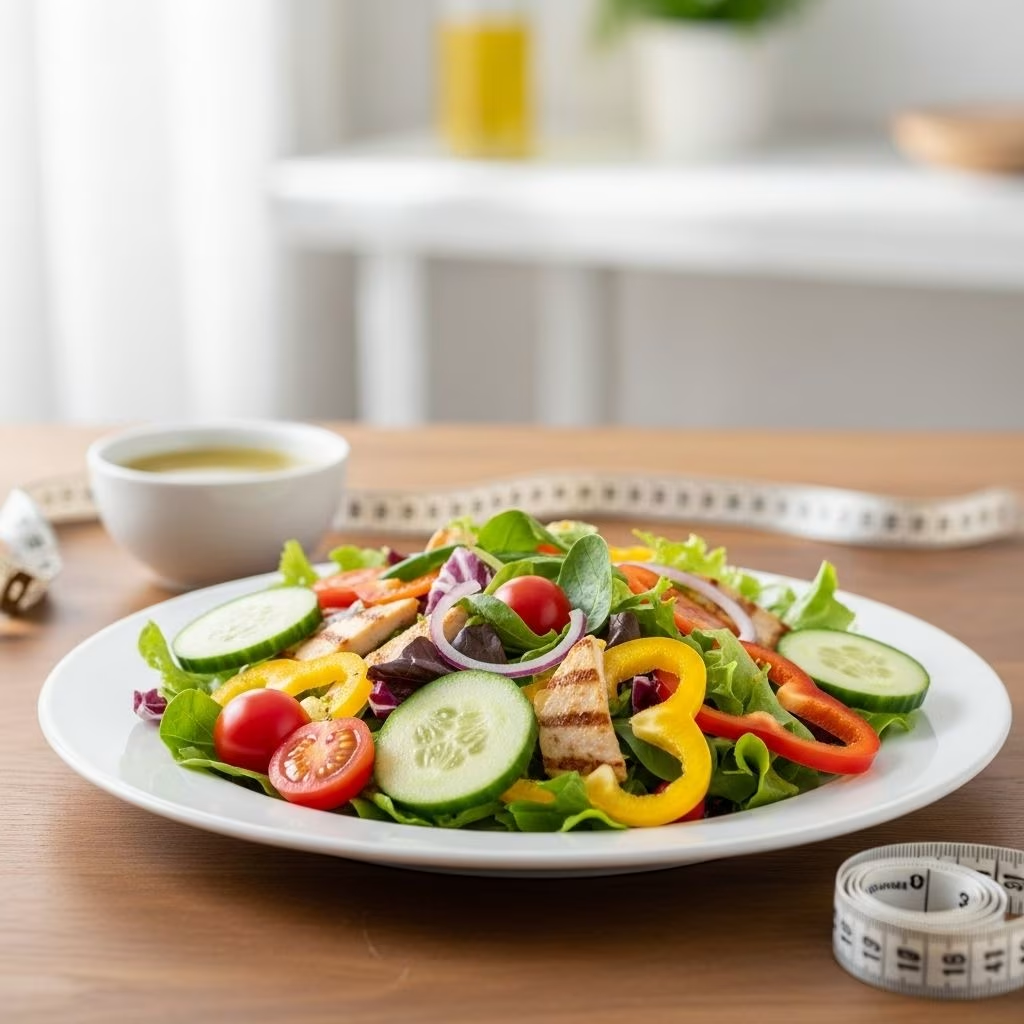
15 Proven Ways to Cut Hundreds of Empty Calories Every Day
Reducing empty calories doesn’t have to mean giving up satisfaction or flavor. By making strategic choices and tuning into your eating habits, you can cut hundreds of unnecessary calories each day—often without even noticing. Explore these 15 evidence-backed tactics to help you simplify your calorie-cutting journey and achieve sustainable weight loss while still enjoying your food.
1. Cook Your Own Meals
Preparing meals at home gives you full control over your ingredients and portion sizes, making it easier to avoid hidden sugars, excessive oils, and oversized servings commonly found in restaurant fare. Studies show that people who cook at home consistently consume fewer calories and benefit from improved nutritional quality compared to those who eat out frequently.
- Control added sugars, salt, and fat.
- Customize recipes to meet your health needs.
- Avoid oversized restaurant portions.
Tip: Plan simple, quick meals on busy days to make home cooking sustainable.
2. Eat Your Juice – Choose Whole Fruits Over Juice
While fruit juice may seem healthy, it’s often stripped of filling fiber and packs a concentrated dose of sugar, translating to excess calories with few nutrients. In contrast, whole fruits provide fiber, vitamins, and antioxidants, keeping you satiated for longer and stabilizing blood sugar.
- Swap a glass of orange juice for a whole orange to save about 60 calories and add fiber.
- Eat whole apples, berries, or citrus instead of drinking juice blends.
Why it works: The fiber and chewing effort from whole fruit helps trigger feelings of fullness, preventing accidental overconsumption.
3. Have Nuttier Snacks
Reach for a small handful of nuts as a snack, rather than opting for chips, crackers, or sugary snacks. Research, including findings from the Journal of Nutrition, shows that regular nut eaters tend to have lower body mass indices and a reduced risk of weight gain over time.
- Nuts are rich in protein, healthy fats, vitamins, and minerals.
- They help manage hunger and encourage portion control.
- Stick to raw or lightly roasted nuts without added sugar or salt.
Portion hack: Aim for about 1 ounce (a small handful) to control energy intake.
4. Choose to Chew: Opt for Whole Foods
The closer a food is to its natural state, the more work it often takes to eat—meaning you’ll likely consume fewer calories and feel satisfied with less. Studies have shown that people who regularly eat foods that require more chewing (such as whole fruits, vegetables, or unprocessed meats) have leaner waistlines than those who gravitate toward processed, easy-to-eat foods.
- Favor whole fruits and vegetables over smoothies or purees.
- Pick steak, chicken breast, or fish fillets instead of ground or preformed meats.
- Go for trail mix over chips or snack crackers.
Bonus: Chewing more also supports mindful eating and better digestion.
5. Exercise Before Breakfast
Delaying breakfast until after your morning workout can help you burn significantly more calories throughout the day. A EBioMedicine study found that people who exercised before eating breakfast burned an additional 260–280 calories over the next 24 hours compared to those who worked out later in the day.
- Kickstart fat burning and metabolism early in the day.
- Enjoy steadier blood sugar and energy levels after eating.
Note: Always listen to your body—if you feel dizzy or weak exercising fasted, have a light snack such as a banana or a handful of nuts before your workout.
6. Make It Mushroom Monday—Or Any Day!
Meaty mushrooms (think shiitakes, portobellos, and white buttons) make satisfying substitutes for beef in pasta, stews, stir-fries, and even burgers. Their umami-rich flavor satisfies cravings for hearty dishes while drastically slashing calorie intake. One study found that choosing mushroom-based lunches over beef-based meals resulted in participants eating 444 fewer calories in a meal, with no dip in satisfaction.
- Use grilled portobello mushrooms as burger patties.
- Chop mushrooms into taco meat, stews, or grain bowls to replace some or all of the meat.
- Add to pasta sauces for texture and richness with fewer calories.
7. Eat Mindfully and Purposefully
Modern distractions like phones and TV often lead to mindless eating and overconsumption. Research shows that practicing mindful eating—tuning into what, why, and how much you eat—can dramatically reduce calorie intake, episodes of overeating, and improve overall eating satisfaction.
- Pause before eating: ask yourself if you’re truly hungry.
- Eat slowly, savor each bite, and focus on flavors and textures.
- Avoid eating while distracted by screens or multitasking.
Proven result: Participants in mindful eating studies reduced their weekly binge episodes significantly and ate less overall.
8. Quench Your Thirst Before You Eat
Drinking a large glass of water before meals helps curb hunger and leads to reduced calorie intake. A Virginia Tech study showed that people who drank a pint of water before eating consumed about 90 fewer calories per meal. Repeat this three times per day for up to 270 fewer calories daily, plus optimal hydration.
- Add citrus, mint, or cucumber to your water for variety.
- Keep a refillable bottle handy throughout the day.
Watch out: Don’t confuse thirst with hunger—when in doubt, have water first.
9. Eat Ancient Grains
Break out of the wheat, rice, and corn cycle by adding ancient grains like quinoa, amaranth, kamut, farro, millet, teff, and freekeh to your meals. These nutritious grains typically offer higher fiber and protein, which help you feel full with fewer calories. Meeting daily fiber goals (38g for men, 25g for women) is linked to reduced weight gain over time.
- Use quinoa or farro instead of white rice in salads and bowls.
- Try overnight oats with millet or amaranth for a fiber-rich breakfast.
- Add cooked teff or freekeh to soups and stews for texture and bulk.
10. Lighten Up Your Dairy
Switching from full-fat to low-fat or fat-free dairy can save hundreds of calories each day, without sacrificing calcium or protein. For example, swapping out one cup of whole milk for skim saves about 60 calories. Using Greek yogurt as a base for sauces and dips instead of sour cream instantly trims calories while boosting protein.
- Choose low-fat or nonfat milk, yogurt, and cheese.
- Use cottage cheese or Greek yogurt in recipes that call for cream.
11. Downsize Your Dishware
Our brains and bodies respond to visual cues—including plate and bowl size. Using smaller dishes makes normal portions appear larger, decreasing the likelihood of overeating. Studies confirm that people tend to serve themselves less when using a 9-inch versus a 12-inch plate—amounting to significant calorie savings over time.
- Use salad plates for main courses.
- Portion snacks into small bowls rather than eating from large bags.
12. Stop Drinking Your Calories
Liquid calories from soda, sweet tea, specialty coffees, sports drinks, and even alcohol can add up fast while providing little nutritional satisfaction. Cutting out or reducing these drinks is one of the easiest ways to eliminate empty calories.
- Choose plain or sparkling water, unsweetened tea, or black coffee.
- Save sweet drinks for occasional treats, not daily indulgences.
Pro tip: Flavored seltzers and herbal teas offer variety without the calories.
13. Build Every Meal Around Vegetables
Making vegetables the foundation of your meals not only maximizes nutrients, but also slashes calorie density. Non-starchy vegetables like leafy greens, peppers, and broccoli provide bulk and fiber, which fill you up for a fraction of the calories in grains or protein.
- Fill half your plate with vegetables at lunch and dinner.
- Try roasting, steaming, or stir-frying with herbs for variety and flavor.
Idea: Add shredded carrots or zucchini to oatmeal or baked goods for a fiber boost.
14. Limit Sauces, Dressings, and Toppings
Creamy, sugary, or oily sauces and salad dressings can quietly add hundreds of calories to an otherwise healthy meal. Instead, flavor your food with herbs, vinegars, mustard, citrus, or small amounts of olive oil.
- Serve dressings and sauces on the side and dip your fork in before eating.
- Top baked potatoes or grilled veggies with salsa, salsa verde, or Greek yogurt.
15. Practice Portion Control – Especially With Treats
Deprivation leads to cravings and overeating. Instead, enjoy treats in smaller amounts and savor each bite—a little mindfulness can prevent calories from snowballing. Pre-portion snacks, desserts, and indulgences, and eat them slowly to maximize satisfaction.
- Share desserts, or order mini versions where available.
- Ration chips, candies, or ice cream into single servings and put the rest away.
Frequently Asked Questions (FAQs)
Q: What are “empty calories”?
A: Empty calories come from foods or drinks high in calories but low in nutritional value, typically due to added sugars and unhealthy fats. These are often found in sweets, fried foods, sweetened beverages, and processed snacks.
Q: How much can I realistically cut from my diet using these methods?
A: When combined, these strategies can easily help you cut 300–500 calories per day, which may translate to gradual, lasting weight loss over weeks and months without drastic restriction.
Q: Is it bad to have some empty calories now and then?
A: Occasional indulgence is normal and can be part of a balanced lifestyle as long as nutrient-rich foods are the foundation of your diet. Focus on moderation and mindful enjoyment rather than strict bans.
Q: Will I feel hungry cutting this many calories?
A: Choosing high-fiber, high-protein, and water-rich foods (like veggies, fruits, whole grains, and lean proteins) can help you feel satisfied even as you pare back calories from less filling sources.
Q: How do I spot hidden empty calories?
A: Read nutrition labels, watch portion sizes, be mindful of condiments, and minimize processed foods as they often contain added sugars and fats contributing to empty calorie intake.
Sample Table: Smart Food Swaps for Calorie Savings
| Swap This | For This | Savings (Approx.) |
|---|---|---|
| Fruit Juice (8 oz) | Whole Fruit (1 med.) | ~60 calories, more fiber |
| Bag of Chips (1 oz) | Handful of Mixed Nuts (1 oz) | ~30+ calories saved, plus protein/fiber |
| Beef Burger Patty | Grilled Portobello Mushroom | ~160 calories |
| White Rice (1 cup) | Quinoa (1 cup) | Similar calories, more fiber and protein |
| Soda (12 oz) | Unsweetened Iced Tea | ~130 calories |
Takeaway
Small, consistent changes have an outsized impact on calorie reduction and overall health. By incorporating these 15 practical strategies, you’ll gradually slash empty calories, improve your nutritional profile, and put yourself on a proven path to lasting, healthy weight loss.
References
- https://www.prevention.com/weight-loss/g20432475/15-ways-to-cut-hundreds-of-empty-calories-a-day/
- https://www.runnersworld.com/uk/nutrition/a775302/15-ways-to-cut-hundreds-of-empty-calories-a-day/
- https://www.prevention.com/weight-loss/diets/a60578947/how-to-lose-weight-fast-safely/
- https://www.prevention.com/weight-loss/a20465235/how-to-lose-weight-with-simple-changes-to-your-routine/
- https://www.prevention.com/weight-loss/a20465900/weight-loss-programs-diet-tips/
- https://pmc.ncbi.nlm.nih.gov/articles/PMC2871092/
- https://www.obesityaction.org/resources/empty-calories-do-they-add-up/
- https://www.prevention.com/fitness/a20485587/benefits-from-walking-every-day/
- https://www.mdanderson.org/cancerwise/how-to-cut-empty-calories.h00-159463212.html
- https://www.limarp.com/en/blog/nutrition/what-are-empty-calories/


