


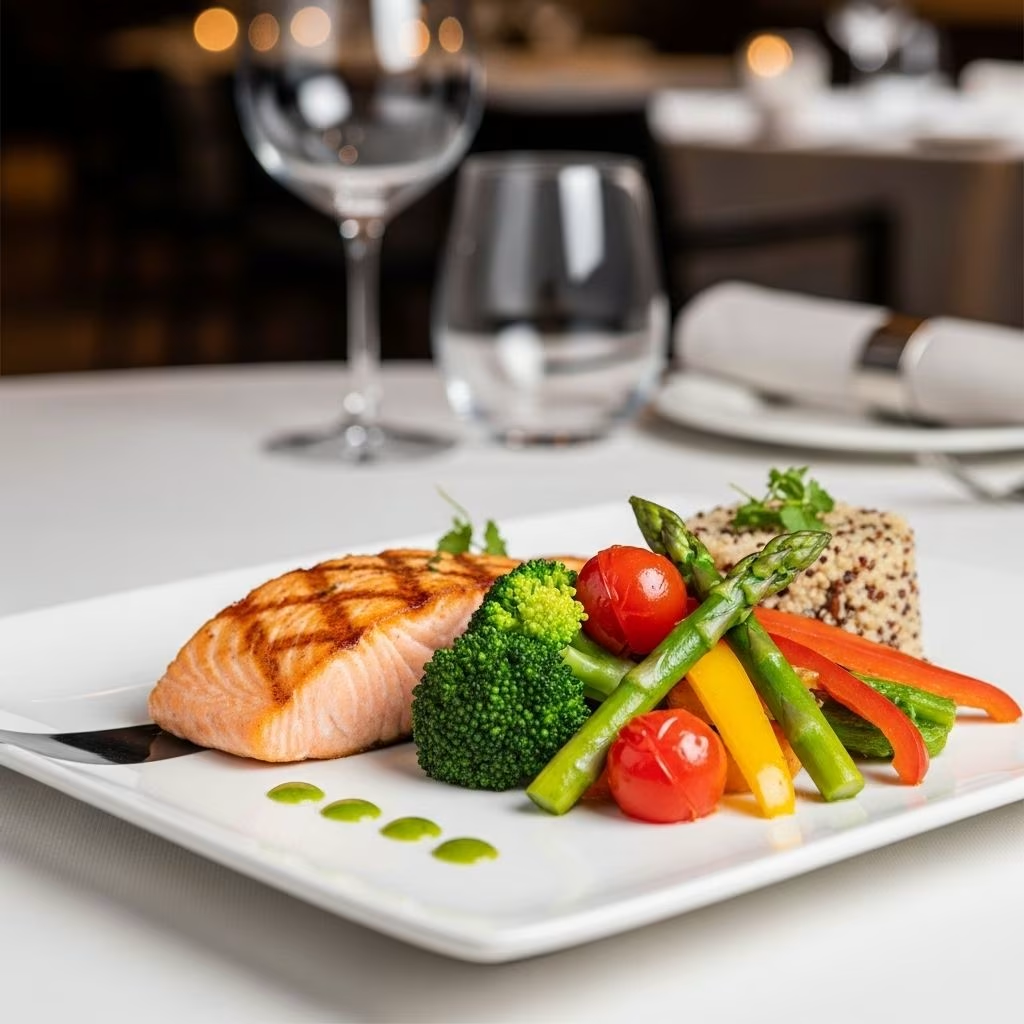
How to Dine Out and Still Lose Weight
With busy schedules and social gatherings, dining out has become a cornerstone of modern life. Whether it’s a family celebration or a quick restaurant lunch, many people feel their weight loss efforts are threatened every time they step out to eat. However, weight management is not about isolation—it’s about informed choices. This guide incorporates key strategies, scientific findings, and expert recommendations so you can dine out with confidence and continue progressing towards your goals.
Why Dining Out Is Challenging for Weight Loss
Recent studies reveal that most restaurant entrées contain far more calories than recommended for a single meal, even at independent or nonchain establishments. For example:
- 92% of sampled entrées at major U.S. restaurants exceeded caloric recommendations (around 570 calories for women per meal).
- Many restaurant portions approach or exceed daily calorie needs in one serving, with Italian, Chinese, and American dishes averaging nearly 1500 calories each.
- Nonchain restaurants typically lack clear calorie information, making it harder to plan meals in advance.
- Frequent dining out correlates with higher average daily caloric intake—people who cook at home tend to eat 140 fewer calories per day on average.
Fortunately, there are proven strategies to counteract these challenges and enjoy restaurant meals while staying on track.
Proven Strategies for Healthy Restaurant Eating
The following tips combine scientific evidence with practical guidance so you can dine out, enjoy yourself, and still support your weight loss goals.
1. Plan Ahead and Know Before You Go
- Review restaurant menus online before your visit and identify healthy options such as grilled items, salads, vegetable sides, and lean proteins.
- Decide what you’ll order in advance and stick to it, avoiding impulsive choices prompted by the environment or hunger.
- Collect menus from frequently visited restaurants for quick reference.
2. Eat a Smart Snack Beforehand
- Arriving at a restaurant famished makes it difficult to make balanced choices. Enjoy a small snack—such as low-fat cheese or whole wheat crackers—before you leave home.
- This tactic curbs excessive hunger and helps you choose healthier menu items.
3. Be Savvy With Beverages
- Avoid drinking alcohol on an empty stomach, as it heights appetite and may prompt overeating.
- Opt for sparkling water or a diet beverage before ordering alcoholic drinks.
- Beware calorie-dense drinks including sugary cocktails, soda, and creamy coffee drinks.
4. Delay or Minimize Bread and Freebies
- Ask your server to bring the bread basket with the main course rather than at the start of the meal. This prevents overeating before the actual meal arrives.
- Free items like chips and salsa or rolls with butter can accumulate significant fat and calories—set boundaries or ask the server to remove them.
5. Choose the Right Appetizers
- Many appetizers—especially fried foods, creamy dips, or bread-based starters—can be calorie traps, sometimes containing a day’s worth of fat for several people.
- Consider making a meal out of lighter appetizers, such as steamed seafood (e.g., shrimp cocktail), broth-based soups, or salads with lean protein.
- Pair a healthy appetizer with a salad to build a satisfying and lower-calorie meal.
6. Salad Savvy: Make Greens Work For You
Salads can be the healthiest choice or a hidden source of fat. Here’s how to get it right:
- Choose salads rich in vegetables and lean proteins like grilled chicken or seafood.
- Request dressings and cheese on the side to control portions.
- Beware salads loaded with fried toppings, bacon, creamy dressings, candied nuts, or excessive cheese.
- Favor oil-and-vinegar or lemon-based dressings for lighter alternatives.
7. Smart Entrée Choices
When ordering your main dish, focus on preparation methods and accompaniments:
- Opt for grilled, baked, broiled, steamed, or roasted items rather than fried, breaded, or creamy options.
- Request sauces and dressings on the side or ask for less to minimize extra calories.
- Double up on vegetable sides and skip calorie-heavy sides like fries, mashed potatoes, or creamy pasta.
- Consider splitting an entrée with a dining companion or immediately boxing half to avoid overeating.
- Customize plates if possible: ask for whole grains, extra veggies, or substitutions for fried sides.
8. Portion Control Tips
- Restaurant servings are often double or triple a healthy portion size.
- Visualize a balanced plate: half vegetables, a quarter lean protein, and a quarter whole grain.
- Use the ‘divide and conquer’ strategy: split dishes, request lunch-sized portions, or immediately pack half to go.
9. Desserts and Sweet Temptations
- If you crave dessert, share with companions or opt for fruit plates, sorbet, or lower-sugar options.
- Resist entrée-sized sweets—many are designed for sharing and can exceed meal calorie limits.
10. Stay Consistent With Your Goals
- Reiterate your intentions: remind yourself why you’re choosing lighter options before, during, and after the meal.
- Celebrate enjoying the restaurant experience without sacrificing progress.
Timing Matters: When You Eat Can Influence Weight Loss
Emerging research suggests that not only what you eat, but when you eat, can impact weight management:
- Eating dinner at least three hours before bedtime supports metabolic health and steady blood sugar, which can aid weight loss.
- Early dinner times—between 5 and 7 p.m.—may burn extra calories and optimize fat storage compared to eating later at night.
- Finishing your meal early allows for a brief post-dinner walk, further boosting digestion and calorie burn.
If dining out typically happens late, plan lighter meals and increase physical activity earlier in the day to compensate.
Healthy Eating in Any Setting: Restaurant or Home
While the healthiest option may be cooking at home—where you control ingredients, portion size, and methods—life calls for flexibility. Eating strategically at restaurants empowers you to enjoy special occasions without guilt or setbacks.
| Healthy Option | Unhealthy Trap |
|---|---|
| Grilled salmon with steamed veggies | Breaded fried fish with fries |
| Broth-based minestrone soup | Creamy chowder or baked potato soup |
| Mixed green salad with vinaigrette | Cesar salad with creamy dressing and croutons |
| Chicken kabobs, brown rice, roasted vegetables | Chicken parmesan with pasta and garlic bread |
| Fresh fruit or sorbet for dessert | Cheesecake, molten chocolate cake, pie slices |
Frequently Asked Questions (FAQs)
Q: Are there restaurant cuisines that are generally healthier for weight loss?
A: Some cuisines, such as Greek and Japanese, often feature meals averaging under 1,000 calories, with more focus on lean proteins and vegetables. Others, including American, Chinese, and Italian, commonly emphasize large portions and higher-calorie dishes. However, healthy options can be found in all types with careful menu navigation.
Q: How can I avoid overeating if restaurant portions are so large?
A: You can split entrees with a friend, ask for smaller portions (such as lunch-size), or immediately box up half your meal for later. Prioritize eating slowly and check fullness cues throughout your meal.
Q: Should I skip appetizers and desserts entirely?
A: Not necessarily. Make a meal out of healthy appetizers (such as salads or broth-based soups) and, if you want dessert, share it or choose fruit-based options. The key is moderation and mindful choice.
Q: Is it better to eat dinner earlier for weight loss?
A: Yes, eating dinner at least two to three hours before bedtime supports metabolism, lowers hunger hormones, and may aid weight loss. Pairing early dinner with a short walk can enhance digestion and calorie burn.
Q: What changes can I make if dining out is unavoidable due to work or social life?
A: Planning ahead, choosing restaurants that provide nutrition information, sticking to grilled or steamed entrée options, prioritizing vegetables, and monitoring portions all help you stay aligned with weight loss goals no matter how often you dine out.
Summary Checklist: Smart Dining Out Strategies
- Check menus in advance and decide on healthy choices.
- Eat a modest, fiber-rich snack before arriving.
- Delay or skip free bread and calorie-dense appetizers.
- Focus on grilled, steamed, or roasted main dishes.
- Control portions: split plates, eat slowly, and pack leftovers.
- Time meals earlier in the day when possible.
- Enjoy your restaurant experience without guilt or regret by making smart, informed choices.
Adapting these strategies to your lifestyle can transform your dining out habits into an enjoyable part of your healthy journey, empowering you to savor every meal without sacrificing your goals.
References
- https://www.prevention.com/food-nutrition/a20505043/cooking-at-home-for-weight-loss/
- https://www.prevention.com/food-nutrition/healthy-eating/a65221143/best-time-of-day-to-eat-dinner/
- https://www.prevention.com/weight-loss/a20434327/weight-loss-tips-cut-calories-at-restaurants/
- https://www.prevention.com/weight-loss/a20451598/healthy-eating-tips-for-dining-out/
- https://www.prevention.com/weight-loss/a20432276/keeping-food-journals-leads-to-weight-loss/
- https://www.prevention.com/weight-loss/a20428553/healthy-eating-strategies-for-eating-out-at-restaurants/
- https://www.prevention.com/weight-loss/a20432559/how-to-dine-out-and-still-lose-weight/
- https://www.prevention.com/weight-loss/g20494462/eating-habits-for-weight-loss/
- https://www.prevention.com/weight-loss/g24805401/fat-burning-foods/
- https://www.prevention.com/food-nutrition/healthy-eating/a65664887/ultra-processed-foods-weight-loss-gut-health-study/


