


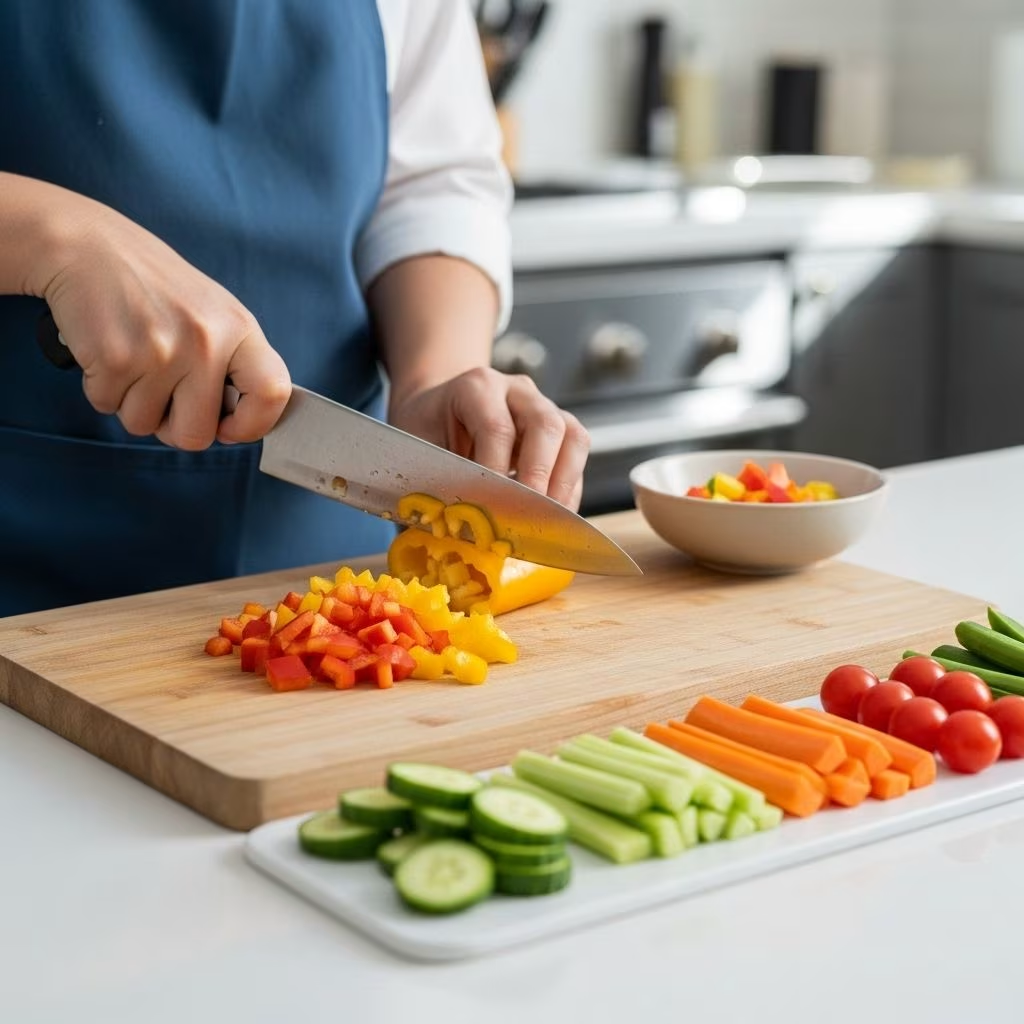
Cutting Up Food: The Simple Trick to Eating Less Without Feeling Deprived
If you’re searching for a weight loss hack that doesn’t involve counting every calorie, skipping dessert, or giving up your favorite meals, cutting your food into smaller pieces might be the breakthrough you need. Not only is this approach easy and cost-free, but new research shows it could also help you eat less without feeling hungry or cheated. Here’s how science says you can make your meals work for you—one bite at a time.
Why Go Back to the Basics? The Science Behind Slicing Meals
Weight loss advice can often feel overwhelming, filled with complicated rules, conflicting ideas, and diets that demand you overhaul your life. But sometimes, the most effective techniques are astonishingly simple. That’s the message from researchers who found that cutting your food into multiple smaller pieces can help you automatically eat less, while still feeling satisfied.
The inspiration for this method came from the classroom: some children have their food pre-sliced, whether it’s sandwiches quartered or apples in wedges. This isn’t just for convenience; research now shows it works for adults too, thanks to how our brains visually track portion size and satisfaction.
The Arizona State University Study
Researchers at Arizona State University began by giving rats two food choices: a single 300 mg pellet, or ten 30 mg pellets, each option totaling the same weight. Both groups chose the meal with the greater number of pieces. It wasn’t just the animals acting this way; college students presented with whole bagels versus bagels cut into quarters ate less overall when their bagels were sliced. Later, given the option to eat as much as they wanted at lunch, those who’d had the segmented bagel also consumed less food during their meal.
This effect is rooted not in the physical volume of food, but in the visual and psychological cues that influence how much we think we have eaten. Meals presented in smaller pieces seemed more substantial and satisfying to the participants, even though the actual portion size—and calorie content—was identical.
How Does Piece Count Affect Appetite and Perception?
Devina Wadhera, lead author of the study, explains, “It’s about covering a lot of the plate and creating the illusion that you’re eating a lot.” Humans innately use numbers and volume to gauge how much they’re eating. Cutting food up increases the perceived size of the meal, making our brains register more satisfaction and fullness, even when we’ve eaten the same amount.
- Visual Satisfaction: More pieces fill the plate, signaling abundance.
- Psychological Reward: Counting bites or pieces can increase feelings of satisfaction.
- Slower Eating: More pieces force you to slow down, which gives your body time to register satiety cues.
- Portion Control: Breaking food into multiple pieces can make you naturally pause and assess if you’re actually hungry for more.
Which Foods Benefit Most from Cutting?
While this method might not be practical for every single item on your plate, it can be a game-changer for certain foods—especially those we tend to eat quickly, or foods that are typically served in large, solid portions.
- Protein portions (e.g., steak, chicken breasts): Cut into bite-size pieces before eating.
- Sandwiches and wraps: Quarter or halve, rather than eating whole.
- Omelets and frittatas: Slice into strips or wedges for a plated effect.
- Snack bars, brownies, and desserts: Chop or slice before plating.
- Starchy sides (e.g., baked potatoes): Break down into cubes or chunks.
This technique is about more than just creating more bites; it’s about transforming your visual and eating experience. When your eyes see a plate filled with several pieces, the mind recognizes abundance, which reduces the urge to go back for seconds.
Psychological Tricks That Help You Feel Fuller
Why does cutting up your food work? Here are some of the primary psychological mechanisms at play:
- Visual Bulk: A plate scattered with small pieces appears more generous than one dominated by a few large chunks.
- Segmenting: The act of repeatedly picking up pieces signals a longer and more substantial eating process.
- Pause Points: More bites mean more chances to check in with your body and stop when you’re satisfied—a simple way to avoid eating out of habit.
| Whole Portion | Cut Portion (Same Weight) | Psychological Impact |
|---|---|---|
| Single bagel | Bagel cut into 4 wedges | Feels larger, more satisfying |
| Whole chicken breast | Diced chicken pieces | More bites, slower eating |
| Full brownie | 10 brownie cubes | Encourages mindful eating, potential to stop earlier |
Should You Cut Everything? What the Experts Advise
Not all foods need to be chopped and quartered. According to study author Wadhera, the technique works best on foods where visual and textural cues strongly influence satisfaction—proteins, sandwiches, and baked goods are prime candidates. However, fruits, yogurts, and other naturally portioned foods might not generate the same effect.
Instead of adopting a one-size-fits-all approach, focus on items where you tend to overeat or feel unsatisfied. For example:
- If dessert is your weakness, serve yourself a few small cubes or slices of your treat, instead of a single big wedge.
- With protein-based dishes, slice and spread the pieces across your plate before eating.
It’s also important to cut before you start eating. This step enhances the psychological illusion of abundance. If you slice as you eat, the effect is less pronounced.
How This Fits Into a Holistic Weight Loss Approach
While cutting up your food is not a magic bullet, it can be a highly effective weapon in your arsenal of healthy eating strategies. It aligns well with other portion control methods and can help you feel more satisfied with every meal. Here’s how to integrate this technique with other practical habits:
- Pair with mindful eating: Take time to savor each piece, chewing thoroughly and enjoying textures.
- Combine with plate-size tricks: Use smaller plates and bowls for a double boost.
- Add nutrient-dense, high-satiety foods: Include vegetables and lean proteins to enhance satisfaction.
- Avoid extreme calorie-cutting: Eating too little can backfire, as your body needs adequate fuel for metabolism and health.
Frequently Asked Questions (FAQ)
Does cutting up food really help you eat less?
Yes. Research shows that people consistently eat less when their food is segmented into smaller pieces rather than served whole, likely due to visual and psychological cues that increase feelings of fullness and satisfaction.
Should I cut every food I eat into multiple pieces?
No. Focus on foods where portion size is variable and overconsumption is common—like meats, sandwiches, baked goods, and cheese. Not all foods require this approach, especially naturally portion-controlled foods.
Is this technique backed by science?
Yes. The most cited study comes from Arizona State University, where both animals and humans consistently chose or ate less when presented with food in smaller pieces as opposed to one large serving.
Are there any risks or downsides?
There are no risks to slicing your food, but be mindful that this is just one tool in a broader approach to healthy eating and should be complemented with nutritional balance and mindful consumption. Over-focusing on this strategy to the exclusion of nutrient quality is not recommended.
How do I start applying this to my meals?
Try cutting your next sandwich, bar, or protein portion into smaller pieces before you begin eating. Arrange them to fill more of your plate, and take the time to savor each bite. Evaluate afterward whether you feel fuller or more satisfied. Over time, this habit can naturally reduce your calorie intake while still enjoying well-portioned meals.
Simple Steps to Try This Trick Today
- Plan ahead: Decide which food you’ll cut before serving.
- Gather tools: Use a sharp knife for clean, even pieces.
- Plate food in a way that maximizes spread—avoid stacking.
- Eat slowly and observe: Notice if you feel fuller, faster.
- Stop eating when satisfied, not stuffed.
Bust the Myths: Cutting Up Food vs. Extreme Dieting
Cutting up your food is far less drastic than slashing calories or undertaking difficult diet plans. Unlike stringent regimens that encourage severe restriction, this approach works with your body’s natural signals, helping you tune into hunger and fullness while still enjoying the foods you love. Keep in mind:
- Dieting isn’t always about deprivation: It’s about smarter choices, not starvation.
- Your metabolism needs fuel: Too few calories can slow your metabolic rate and degrade muscle tissue, making it harder to lose weight in the long term.
- Enjoyment and satisfaction matter: Meals should be enjoyable; maximizing satisfaction can reduce cravings later.
The Bottom Line
Cutting up your food before eating is an easy, research-backed way to eat less and feel more satisfied—no complicated rules, calorie charts, or banned foods required. Experiment with this strategy, especially at meals where portion size control feels a challenge.
Try it out this week: slice your protein, chop your snack, and spread your bites. You might find that eating less—and enjoying your food more—is as easy as picking up your knife and taking charge of your plate.
Quick Tips: Make the Most of Your Meals
- Visualize portions: See the fullness of your plate as more, not less.
- Chew slowly: Give your brain a chance to register fullness.
- Mix and match: Pair chopped foods with colorful veggies for variety and volume.
- Pause and check in: Ask yourself if you’re satisfied before finishing every piece.
Eating well isn’t just about what’s on your plate—it’s also how you serve it. Harness the power of simple tricks, like pre-cutting your food, to boost your efforts and make healthy living both enjoyable and sustainable every day.
References
- https://www.prevention.com/weight-loss/a20433185/cutting-up-food-can-help-you-eat-less/
- https://www.prevention.com/weight-loss/g20451681/not-eating-enough-for-weight-loss/
- https://www.prevention.com/weight-loss/a20450656/weight-loss-plan-from-the-2-day-diet/
- https://www.prevention.com/weight-loss/g20432475/15-ways-to-cut-hundreds-of-empty-calories-a-day/
- https://www.prevention.com/food-nutrition/g20508205/8-things-that-happen-to-your-body-when-you-quit-eating-processed-food/
- https://www.prevention.com/weight-loss/g24805401/fat-burning-foods/
- https://www.prevention.com/food-nutrition/g20454808/the-beginner-s-guide-to-ditching-processed-foods/
- https://www.prevention.com/weight-loss/diets/g20440614/25-best-weight-loss-tips-ever/
- https://www.prevention.com/weight-loss/a30188568/lose-weight-without-exercise-0/


