


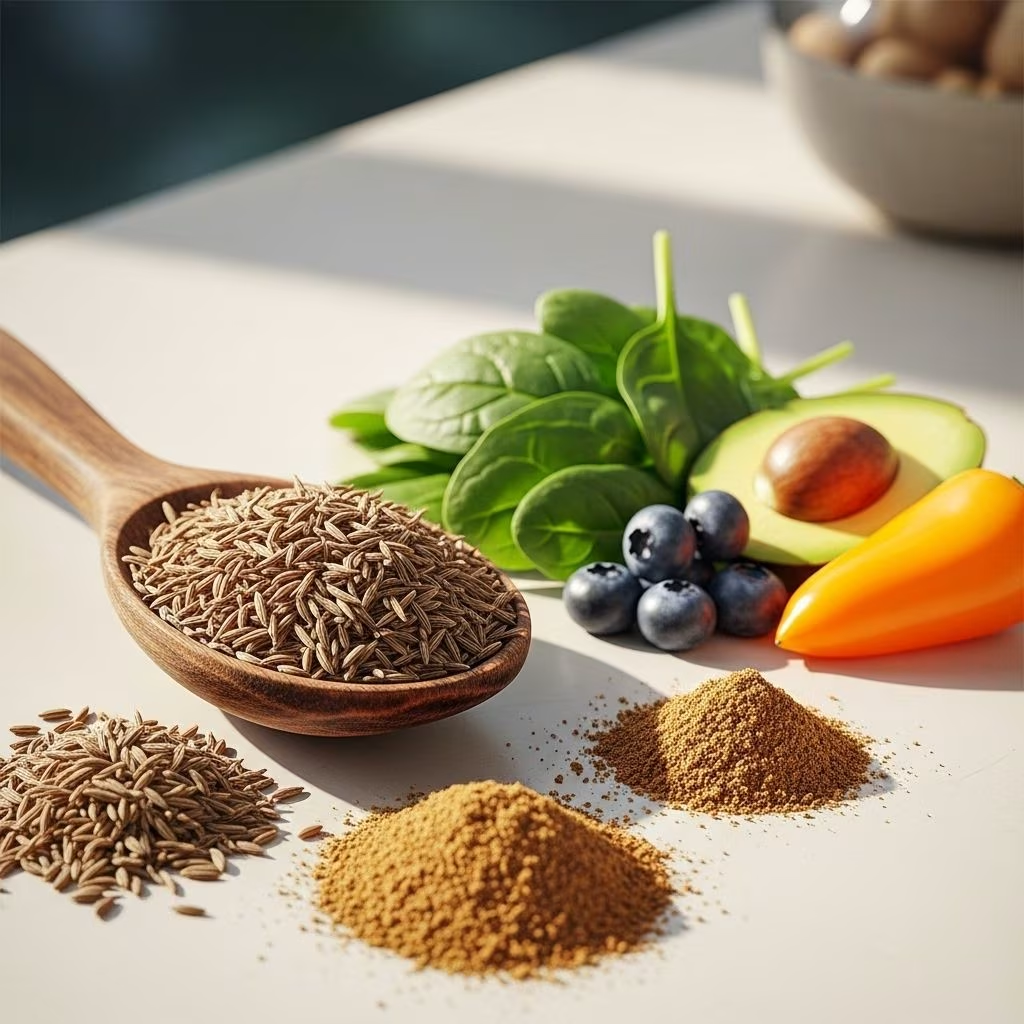
Cumin: The Surprising Spice for Weight Loss
Cumin, a staple in kitchens around the world, is gaining recognition not only for its warming, earthy flavor but also for its potential health benefits—particularly in the realm of weight management. Recent research suggests that daily intake of cumin powder may help accelerate weight loss, reduce body fat percentage, and improve cholesterol levels naturally. Those striving to break through a weight loss plateau may find cumin to be a promising addition to their regimen, alongside traditional healthy eating and exercise.
What is Cumin?
Cumin (Cuminum cyminum) is a flowering plant native to the Mediterranean and South Asia. Its seeds are commonly used as a spice in diverse cuisines, but its medicinal properties have been recognized for centuries in traditional systems such as Ayurveda and Unani. Recent scientific studies are now validating some of these ancient claims, especially its role in supporting metabolic health and weight loss.
How Does Cumin Support Weight Loss?
Cumin appears to promote weight loss through several mechanisms backed by emerging research:
- Fat Breakdown: Cumin contains thymoquinone, a bioactive compound that has been shown to help break down fat cells and regulate metabolism, facilitating more efficient calorie burning.
- Metabolism Boost: By increasing thermogenesis—the process of heat production in the body—cumin may accelerate metabolic rate, helping burn more calories throughout the day.
- Reduced Fat Absorption: Preliminary evidence suggests cumin can decrease the absorption of dietary fats in the digestive tract, resulting in fewer calories being absorbed.
- Blood Sugar Regulation: Cumin may stabilize blood sugar levels, reducing the risk of spikes and crashes that lead to cravings and overeating.
- Anti-Inflammatory Effects: Chronic inflammation is linked to obesity. Thymoquinone has potent anti-inflammatory actions, which may help combat obesity-related inflammation.
- Antioxidant Properties: By diminishing oxidative stress—a culprit in metabolic disorders—cumin can support overall well-being during weight loss.
Scientific Evidence: What Do Studies Show?
Several noteworthy studies have explored cumin’s effects on weight and metabolism:
Randomized Controlled Trial in Overweight Women
Researchers at Shahid Sadoughi University of Medical Sciences conducted a study involving 88 overweight or obese women. Participants were split into two groups: both received nutritional counseling and cut daily calories by 500, but one group added about 3 grams (just under a teaspoon) of cumin powder daily, mixed into 5 ounces of yogurt. The control group received plain yogurt without cumin.
- Weight Loss: After 3 months, the cumin group lost 13 pounds on average—3 pounds more than the control group.
- Body Fat Percentage: Cumin eaters reduced their body fat by 14.64%, nearly triple the control group’s reduction of 4.91%.
- Cholesterol: Triglycerides dropped by 23 points in the cumin group versus just 5 points in controls. LDL (“bad”) cholesterol decreased by nearly 10 points, while controls saw only a half-point reduction.
Capsule-Based Clinical Research
A double-blind, placebo-controlled clinical trial examined the effects of cumin capsules (cyminum L.) on overweight subjects over eight weeks. Participants received either cumin, orlistat (a weight loss medication), or a placebo.
- Cumin and orlistat led to similar reductions in weight and BMI, both outperforming placebo.
- Cumin provided unique benefits for insulin metabolism—including lower insulin levels and improved insulin sensitivity indices.
Cumin Plus Lime Supplementation
A study looked at the combination of cumin and lime, showing that a high-dose regimen over eight weeks resulted in more significant weight and BMI loss than either a lower dose or placebo. Improvements in triglycerides, total cholesterol, and fasting plasma glucose were also observed.
| Group | Weight Change (kg) | BMI Change | Triglyceride Change | Fasting Plasma Glucose |
|---|---|---|---|---|
| High-Dose Cumin & Lime | -2.1 | -0.8 | -14.1 | Significantly decreased |
| Low-Dose Cumin & Lime | -1.2 | -0.5 | +13.9 | Moderate decrease |
| Placebo | +0.2 | +0.1 | +10.6 | No significant change |
Internal Health Benefits: Beyond the Scale
Cumin’s positive effects extend to internal health:
- Lower Triglycerides: Reducing these blood fats is crucial for heart health and lowering cardiovascular risk.
- Improved Cholesterol: Lower LDL cholesterol, combined with stable HDL levels, supports arterial health and reduces the risk of coronary disease.
- Enhanced Insulin Sensitivity: This helps regulate blood glucose and may safeguard against diabetes.
How to Incorporate Cumin into Your Diet
Integrating cumin into daily nutrition is simple and flexible. Below are a few practical methods:
- Yogurt Mix: Stir about one teaspoon of ground cumin into plain or Greek yogurt as used in clinical studies. It’s mild, palatable, and pairs well as a snack or side dish.
- Spice Up Your Meals: Add cumin to stews, curries, roasted vegetables, or marinades for an aromatic boost.
- Homemade Cumin Tea: Steep a teaspoon of whole cumin seeds in hot water, strain, and drink either warm or chilled.
- Salad Toppers: Sprinkle ground cumin onto salads for a warm, earthy flavor and a subtle metabolism lift.
Dosage and Safety Considerations
- Recommended Dose: Studies have tested about 3 grams (just under one teaspoon) daily, either in food or as a supplement.
- Side Effects: Cumin is generally well-tolerated in culinary doses. In rare cases, higher supplemental quantities may cause digestive discomfort such as heartburn or diarrhea in sensitive individuals.
- Precautions: Pregnant or breastfeeding women should consult a healthcare provider before starting any significant dietary change. Those on blood sugar or cholesterol medications should monitor their levels as cumin may enhance their efficacy.
Frequently Asked Questions (FAQs)
Q: How long before I notice weight loss effects from cumin?
Clinical trials indicate visible results—on average 3 more pounds of weight loss and a pronounced drop in body fat percentage—after about 2 to 3 months of daily consumption.
Q: Can cumin be used alone for weight loss?
Cumin works best when combined with a calorie-restricted diet and regular physical activity. It amplifies results but should not replace balanced nutrition and exercise.
Q: What type of cumin is best—whole, powdered, or supplements?
Powdered cumin, used in recipes or mixed into yogurt, is most practical for daily use. Clinical trials typically use ground cumin, but capsule supplements offer a measured alternative.
Q: Are there any contraindications for cumin use?
Cumin can lower blood sugar and cholesterol, so people with related conditions or on medication should consult their physician before increasing intake significantly.
Q: Will cooking with cumin provide the same benefits as supplementation?
As long as the daily intake approaches the researched dose (about one teaspoon), cooking with cumin can confer similar benefits. The bioactive compounds are present in the spice itself.
Other Healing Herbs and Supplements for Weight Management
- Turmeric: Contains curcumin, known for anti-inflammatory and metabolic benefits.
- Coriander: May support antioxidant defense and digestive support.
- Ginger: Recognized for thermogenic and satiety-promoting effects.
- Green Tea: Rich in catechins, supports fat oxidation.
Coupling cumin with other power spices and a healthy lifestyle maximizes results for those looking for natural weight management aids.
Conclusion: Should You Add Cumin to Your Diet?
Research continues to uncover the multifaceted benefits of cumin for weight loss and metabolic health. Regular, moderate intake—paired with balanced nutrition and active living—may facilitate weight loss, lower body fat percentage, and optimize blood lipids and glucose, presenting cumin as an evidence-backed addition to the modern healthy diet.
References
- https://www.prevention.com/weight-loss/a20433825/cumin-spice-for-weight-loss/
- https://betterme.world/articles/cumin-for-weight-loss/
- https://pubmed.ncbi.nlm.nih.gov/25766448/
- https://pmc.ncbi.nlm.nih.gov/articles/PMC5065707/
- https://www.webmd.com/diet/health-benefits-cumin
- https://www.ijmrhs.com/medical-research/a-comprehensive-review-of-cumin-is-a-natural-remedy-for-health-and-wellness.pdf
- https://www.medicalnewstoday.com/articles/319562


