


Menopause and Weight Gain: Causes, Risks, and Solutions
Menopause is a natural phase in every woman’s life, marked by the end of menstrual cycles and significant hormonal changes. Among its many symptoms, weight gain—especially around the abdomen—is one of the most common and frustrating. While it may seem inevitable, understanding the science behind menopausal weight gain and adopting targeted lifestyle strategies can help women maintain their health and satisfaction during this transition.
Why Does Menopause Cause Weight Gain?
- Hormonal Shifts: The decline in estrogen alters how the body stores fat, shifting distribution from the hips and thighs to the abdomen.
Estrogen also acts as an anti-inflammatory hormone. When levels drop, inflammatory markers like cortisol increase, prompting the body to store more fat, particularly belly fat.
Additionally, insulin resistance can worsen during menopause, making it tougher to lose weight and increasing the likelihood of fat accumulation in the midsection. - Loss of Muscle Mass: With age, especially after menopause, muscle mass naturally decreases due to hormonal changes and reduced physical activity. Muscle helps burn calories; its gradual loss slows metabolism and makes weight gain more likely—even if diet and activity levels remain constant.
- Slower Metabolism: Both aging and hormonal changes decrease the body’s ability to burn calories efficiently.
- Sleep Disruption: Night sweats, hot flashes, and anxiety can interfere with sleep quality. Poor sleep raises cortisol and appetite, reducing motivation for exercise and increasing the tendency to snack or overeat.
- Emotional Factors & Stress: Mood changes and heightened stress during menopause raise levels of cortisol, a hormone closely associated with increased abdominal fat. Emotional eating also becomes a risk.
The Science Behind Fat Distribution During Menopause
During the reproductive years, women typically store fat around their hips and thighs, but declining estrogen directs more fat toward the abdomen. This is not merely a cosmetic concern—abdominal (‘visceral’) fat is linked to numerous health risks, including heart disease, diabetes, and certain cancers.
| Factor | Effect on Weight | Primary Hormone(s) Involved |
|---|---|---|
| Estrogen Decline | Centralizes fat storage, especially in the abdomen | Estrogen, Cortisol |
| Muscle Loss | Lowers metabolism and daily caloric requirements | Testosterone, Growth hormone |
| Poor Sleep | Raises cortisol, triggers cravings, decreases activity motivation | Cortisol, Melatonin |
| Stress & Emotional Eating | Increases caloric intake and belly fat storage | Cortisol |
| Insulin Resistance | Promotes fat accumulation and hinders weight loss | Insulin |
Health Risks Associated with Menopausal Weight Gain
While a few extra pounds may seem harmless, weight gain during menopause can have far-reaching health consequences. The following conditions are associated with excess visceral fat:
- Heart Disease: Belly fat increases the risk of cardiovascular problems such as hypertension and heart attacks.
- Type 2 Diabetes: Abdominal fat impairs insulin function, raising blood sugar and diabetes risk.
- Breast Cancer: There is evidence linking excess fat to heightened breast cancer risk.
- Dementia: Visceral fat is also associated with increased dementia risk.
- Sleep Apnea: Weight gain, particularly around the neck and abdomen, raises the chance of sleep-disordered breathing.
- Worsened Menopausal Symptoms: Additional weight may intensify hot flashes and other menopausal complaints.
Strategies to Prevent and Manage Weight Gain During Menopause
Contrary to popular belief, weight gain is not inevitable during menopause. Implementing evidence-backed lifestyle changes can help women maintain or regain control over their weight and overall health.
1. Stay Active and Build Muscle
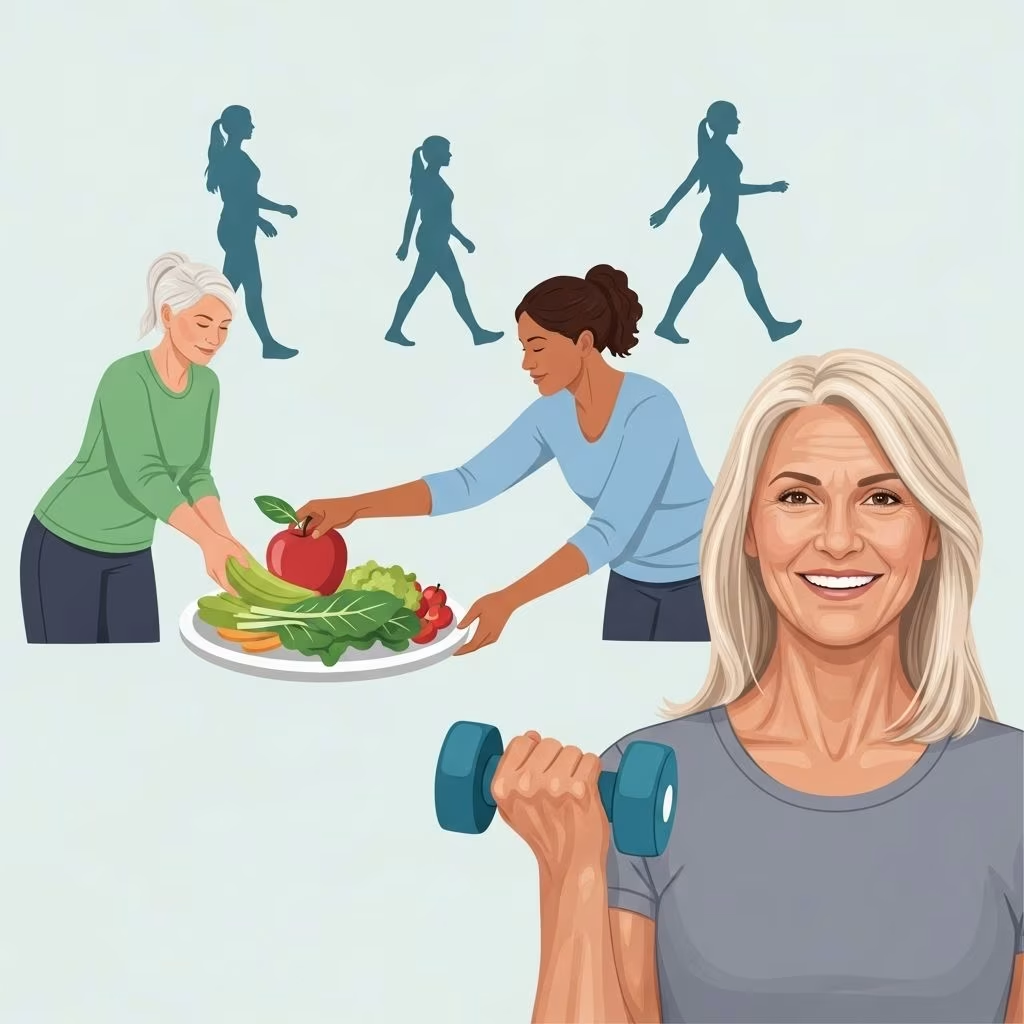
- Regular physical activity is critical for managing weight—loss of muscle mass due to aging means resistance training is especially vital.
Focus on a well-rounded routine combining cardiovascular exercise (walking, jogging, cycling) and strength training. Even simple bodyweight exercises like planks and push-ups are effective for building muscle. - Aim for at least 150 minutes of moderate-intensity aerobic activity per week, such as brisk walking, swimming, or cycling. Supplement with 2–3 sessions of resistance training weekly.
- Consider water aerobics, yoga, or Pilates for added strength, flexibility, and low joint impact. These are particularly helpful if you have started to experience joint discomfort.
2. Prioritize a Plant-Focused, Anti-Inflammatory Diet
- The Mediterranean diet—rich in vegetables, fruits, whole grains, lean protein (particularly fish), nuts, seeds, and healthy fats—is highly recommended. It helps reduce inflammation, lowers cardiovascular and cancer risk, and supports weight management.
- Limit added sugar, refined carbohydrates, and processed foods. These contribute to insulin resistance and abdominal fat accumulation.
- Crash diets are discouraged. Instead, work with your physician or a registered dietitian to design a sustainable, balanced meal plan.
3. Stay Hydrated
- Drink at least 64 ounces (about 8 cups) of water per day. Hydration helps control cravings, supports metabolism, and keeps energy levels up.
- Dehydration can mimic hunger and cause unnecessary snacking. Replace sugary beverages with water or herbal teas.
4. Practice Good Sleep Hygiene
- Go to bed at the same time each night.
- Create a restful environment: limit electronic devices in the bedroom and avoid caffeine after late afternoon.
- Restful sleep reduces inflammation and cortisol production, both of which help manage weight and improve energy.
5. Manage Stress
- Engage in regular stress-reducing activities such as meditation, mindfulness, or gentle movement exercises.
- Social support—connecting with friends, family, or support groups—also helps reduce emotional eating and cortisol levels.
- Consider professional counseling or therapy if anxiety, depression, or mood swings interfere with your well-being.
6. Monitor and Address Health Conditions
- Consult your healthcare provider regularly to screen for and manage risk factors such as high blood pressure, high cholesterol, and diabetes.
- Consider discussing hormone therapy options with your doctor, particularly if sleep and hot flashes severely impact daily life. Improved sleep and temperature regulation can make it easier to maintain activity and healthy habits.
- Ask about personalized nutrition plans, especially if underlying medical conditions (e.g., thyroid changes, insulin resistance) may also be contributing to weight gain.
Frequently Asked Questions (FAQs) About Menopause and Weight Gain
Q: Is weight gain during menopause inevitable?
A: While most women will notice changes in body composition and increased abdominal fat during menopause due to hormonal shifts and aging, significant weight gain is not unavoidable. Proactive lifestyle changes around nutrition, exercise, sleep, and stress management can curb these effects and even support weight loss.
Q: What is the healthiest diet for managing menopause-related weight gain?
A: Experts recommend a plant-based, Mediterranean-style diet that focuses on vegetables, fruits, healthy fats like olive oil, nuts, lean proteins (especially fish and poultry), whole grains, and limited sugars and processed foods. Consult with a registered dietitian for a plan tailored to your needs.
Q: How much exercise should I get?
A: Aim for at least 150 minutes of moderate-intensity aerobic activity each week, plus 2–3 sessions of strength/resistance training. If mobility is an issue, options like swimming, water aerobics, yoga, and gentle Pilates are excellent.
Q: Are hormones the only reason for menopause weight gain?
A: While hormonal changes—especially declining estrogen—play a major role, weight gain is also influenced by aging (slower metabolism, less muscle), poor sleep, increased insulin resistance, and lifestyle factors. Menopausal symptoms can further reduce activity levels and increase cravings for unhealthy foods.
Q: Should I consider hormone replacement therapy (HRT) for weight management?
A: HRT can help ease menopausal symptoms such as hot flashes and sleep disturbances but is not a direct weight loss tool. It may indirectly support healthy habits by improving sleep and energy. Discuss the risks and benefits with your healthcare provider.
Practical Tips for Lasting Change
- Keep a food journal to identify eating patterns, emotional triggers, and hidden sources of calories.
- Set realistic goals for weight loss and activity. Small, sustainable changes are more effective than drastic overhauls.
- Find activities you enjoy—from dancing to hiking—to keep motivation high.
- Eat mindfully: savor meals, eat slowly, and pay attention to hunger and fullness cues.
- Celebrate progress: measure success not only by pounds lost, but by improved energy, fitness, and quality of life.
Conclusion: Embracing Healthy Change
Weight management during menopause is challenging, but with understanding and proactive steps, it is possible. Prioritize strength training, optimize your diet for health and satisfaction, stay hydrated, sleep well, and manage stress. The transition may require effort, but the rewards—a stronger, healthier, and more vibrant you—are worth the commitment.
Quick Reference Table: Menopause Weight Gain Solutions
| Solution | Primary Benefit | How to Implement |
|---|---|---|
| Strength training 2x/week | Preserve muscle mass, boost metabolism | Bodyweight exercises, resistance bands, weights |
| Plant-based Mediterranean diet | Reduce inflammation, lower disease risk | Vegetables, fruits, fish, olive oil, nuts |
| Sleep hygiene | Lower cortisol, enhance recovery | Regular schedule, reduce electronics, avoid caffeine late |
| Stress reduction | Decrease emotional eating | Meditation, social support, gentle movement |
| Hydration | Reduce cravings, aid metabolism | 8+ cups water daily, herbal teas |
References
- https://healthmatters.nyp.org/how-to-prevent-menopause-weight-gain/
- https://blog.ochsner.org/articles/how-do-i-control-menopause-weight-gain/
- https://www.betterhealth.vic.gov.au/health/conditionsandtreatments/menopause-and-weight-gain
- https://www.uchicagomedicine.org/forefront/womens-health-articles/2023/april/menopause-weight-gain-hormone-therapy
- https://pubmed.ncbi.nlm.nih.gov/22978257/
- https://thebms.org.uk/wp-content/uploads/2023/06/19-BMS-TfC-Menopause-Nutrition-and-Weight-Gain-JUNE2023-A.pdf
- https://obgyn.onlinelibrary.wiley.com/doi/10.1111/1471-0528.17290
- https://www.essentiahealth.org/about/essentia-health-newsroom/obgyn-menopause-weight-gain-how-lifestyle-changes-can-help-you-lose-unwanted-weight
- https://health.clevelandclinic.org/what-can-i-do-to-avoid-weight-gain-at-menopause


