


Vegan Diet and Weight Loss: Science, Benefits & Practical Advice
Weight loss goals are often shaped by a desire for sustainable results and lasting health improvements. Among the many dietary approaches promoted, the vegan diet, exclusively plant-based and free from animal products, has gained significant popularity for its potential to help with weight management. But does going vegan really result in effective weight loss, and what does the research say?
What is a Vegan Diet?
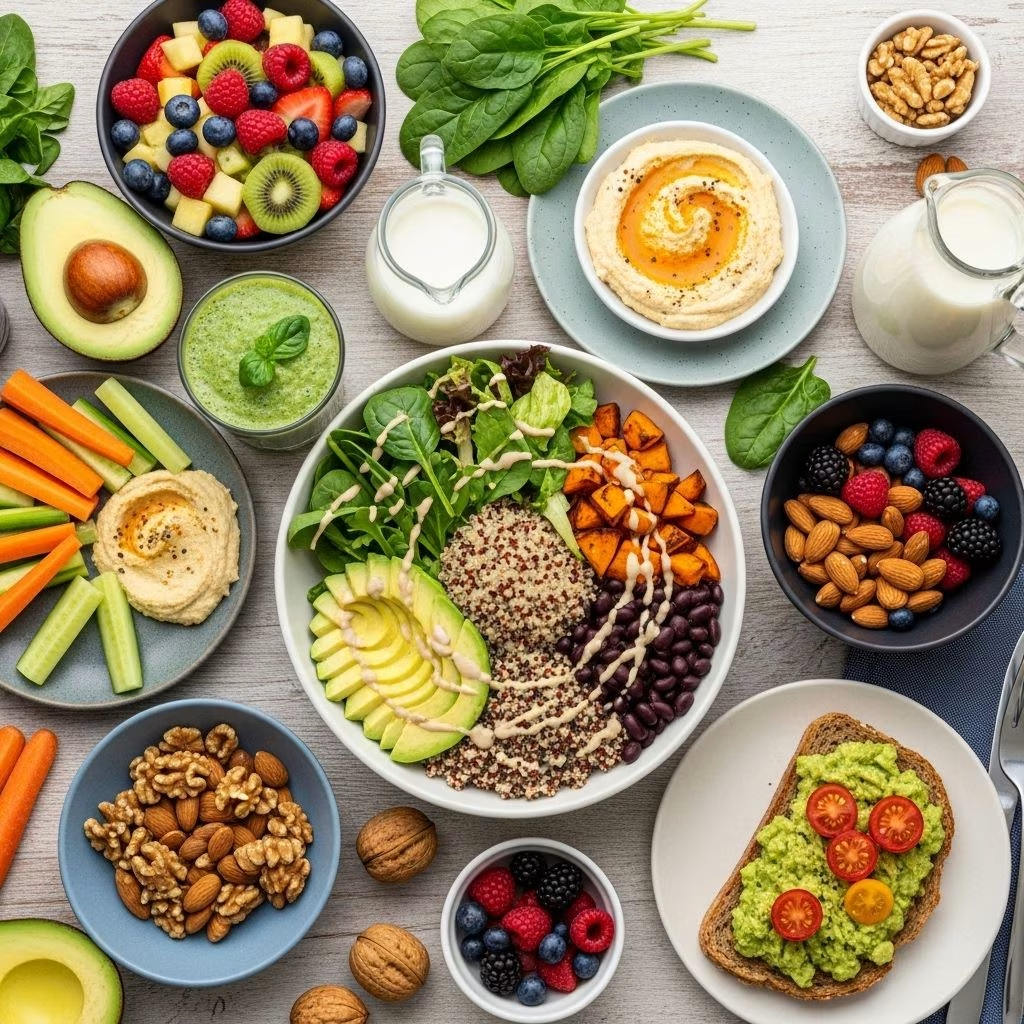
A vegan diet eliminates all animal-derived products, including meat, fish, dairy, eggs, and honey. Instead, it relies on whole plant foods such as fruits, vegetables, legumes, nuts, seeds, and grains. People choose veganism for ethical, ecological, or health-related reasons—but for many, the focus is firmly on its health and weight loss benefits.
How Does a Vegan Diet Impact Weight Loss?
Research consistently shows that individuals following a vegan diet tend to have a lower body mass index (BMI) compared to their omnivorous counterparts. In comparative studies, vegans typically lose more weight than those following vegetarian, semi-vegetarian, or traditional omnivorous diets.
- Lower Calorie Density — Plant foods generally have fewer calories per gram compared to animal-based products, meaning you can eat larger portions while consuming fewer calories overall.
- High Fiber Content — Fruits, vegetables, legumes and whole grains are rich in fiber, which aids satiety, stabilizes blood sugar, and promotes digestive health.
- Reduced Saturated Fats — Vegan diets cut out foods high in saturated fats, decreasing caloric intake and improving cholesterol levels.
- Better Gut Health — Plant-based fibers support a healthy microbiome, which is increasingly linked to metabolic health and weight control.
Scientific Evidence Supporting Vegan Diets for Weight Loss
Multiple studies support the effectiveness of vegan diets for weight reduction:
- A 2016 review of 96 studies found plant-based diets were more effective for weight loss than omnivorous diets. People switching to veganism lost more weight than those who adopted vegetarian or semi-vegetarian plans.
- In a major trial, people on a vegan diet lost an average of 6.5 kg over 22 weeks, compared to 3.1 kg on an ADA diet (American Diabetes Association). Waist circumference and LDL cholesterol also improved more dramatically among vegans.
- Another long-term study (74 weeks) found significant weight loss within both vegan and ADA groups; with improvement in cholesterol and lipid profiles reported for vegan participants.
- A 2015 comparative study found vegans lost more weight than vegetarians and meat-eaters, and also experienced reduced risks for diabetes, high cholesterol, and metabolic syndrome.
| Diet Type | Average Weight Loss | Cholesterol Reduction | Other Health Benefits |
|---|---|---|---|
| Vegan | 6.5 kg in 22 weeks 4.4 kg in 74 weeks | LDL reduced by up to 21.2% | Lower fasting glucose, improved insulin sensitivity, reduced waist size |
| Vegetarian | Less than vegan (approx. 2-3 kg average) | Moderate improvements | Reduced risk factors versus omnivorous |
| Omnivorous | Least weight lost | Smallest reductions | Higher BMI, higher risk for diabetes, cholesterol and metabolic syndrome |
Why Does Going Vegan Promote Weight Loss?
Lower Calorie Density
Because many plant-based foods contain less fat and fewer calories than animal products, it’s possible to consume larger meal portions that fill you up—without exceeding daily calorie needs. This principle encourages a feeling of fullness and satisfaction, reducing the temptation to overeat.
Fiber-Rich Foods Enhance Satiety
Fiber helps you feel full for longer by expanding in your stomach and slowing digestion. A diet high in vegetables, fruits, legumes, and whole grains requires more chewing and takes longer to digest, which supports better appetite regulation and promotes lower overall calorie intake.
Improved Gut Health
The abundance of dietary fiber in whole plant foods nurtures a healthy gut microbiome. Emerging research links a diverse microbiome to improved metabolic health and easier weight regulation.
Better Blood Sugar and Cholesterol Management
Plant-based diets naturally exclude dietary cholesterol, which along with saturated fat reduction, produces lower LDL cholesterol and healthier blood markers. Improved glycemic control from vegan eating is particularly helpful to those with type 2 diabetes or cardiovascular risk.
Quality Matters: Healthy vs Unhealthy Vegan Diets
Not all vegan diets are created equal. Simply omitting animal products does not guarantee weight loss or improved health. Processed vegan foods such as vegan pastries, chips, or imitation meats are often loaded with sugar, refined carbs, and unhealthy fats. Relying on these can sabotage your weight loss goals.
Instead, base your diet on whole, minimally processed plant foods:
- Fresh vegetables and fruit
- Whole grains (brown rice, oats, quinoa)
- Legumes (beans, lentils, chickpeas)
- Nuts and seeds
This approach will maximize fiber, vitamins, minerals, and antioxidants while keeping calories manageable and reducing exposure to additives and preservatives.
The Nutritional Benefits of a Whole-Food Vegan Diet
- Abundant Antioxidants — Raw fruits and vegetables supply carotenoids, vitamin C, vitamin E, and other compounds that protect against oxidative stress.
- Improved Heart Health — Lower intake of saturated fat and cholesterol, paired with more sterols and stanols from certain plants, help lower LDL and total cholesterol, supporting cardiovascular health.
- Weight Control — Lower calorie density and higher fiber contribute to natural, sustainable weight moderation.
- Enhanced Disease Prevention — Beneficial for the management and prevention of type 2 diabetes, heart disease, and metabolic syndrome.
Best Foods for Vegan Weight Loss
Prioritizing the right foods is pivotal. Build your meals around these healthy vegan staples:
- Leafy greens and cruciferous vegetables (spinach, broccoli, cauliflower)
- Colorful fruits (berries, apples, oranges)
- Whole grains (quinoa, oats, barley, brown rice)
- Legumes (kidney beans, lentils, chickpeas)
- Nuts & seeds (chia seeds, flaxseed, almonds, walnuts)
Try to minimize highly processed items, focus on fresh produce and whole grains, and include a variety of foods to ensure nutritional adequacy.
Tips for Losing Weight Effectively on a Vegan Diet
- Monitor portion sizes — It is possible to overeat even healthy foods; track your servings and total daily intake.
- Focus on whole foods — Limit vegan junk food, fried foods, and processed snacks.
- Stay hydrated — Water aids digestion and satiety, helping to curb unnecessary snacking.
- Include plant-based protein — Beans, lentils, tofu, tempeh, seeds, and nuts help maintain muscle and support metabolism.
- Eat plenty of fiber — Choose foods that maximize fiber for fullness and digestive health.
- Prepare balanced meals — Aim for a mix of carbohydrates, proteins, and healthy fats.
- Keep active — Pair dietary changes with regular physical activity for best results.
Potential Challenges and Nutritional Considerations
While a vegan diet offers many benefits, it is crucial to be mindful of potential nutritional gaps:
- Vitamin B12 — Not naturally present in plants; supplementation or fortified foods are necessary.
- Iron — Plant-based iron is less bioavailable than animal sources. Combine iron-rich plants with vitamin C-rich foods to boost absorption.
- Omega-3 Fatty Acids — Flaxseed, chia seeds, and walnuts provide ALA, but consider algal supplements for EPA/DHA.
- Protein — Include varied sources such as beans, lentils, tofu, tempeh, and quinoa to meet daily needs.
- Calcium — Seek out leafy greens, fortified plant milks, or supplements if needed.
- Zinc — Whole grains, legumes, seeds, and nuts contribute, but supplement if required.
Frequently Asked Questions (FAQs)
Q: Will I automatically lose weight if I go vegan?
No. Weight loss depends on the quality of your diet, overall calorie intake, and activity level. A diet heavy in vegan junk foods or processed items may not lead to weight loss.
Q: Is a vegan diet safe for long-term weight management?
Yes, well-planned vegan diets are considered safe and effective for sustained weight loss and general health, as long as key nutrients are addressed and variety is maintained.
Q: What are the best vegan foods for satiety?
Fiber-rich foods like beans, lentils, chia seeds, whole grains, leafy greens, and starchy vegetables provide bulk and help control hunger.
Q: Do I need supplements on a vegan diet?
Some nutrients—Vitamin B12, Vitamin D, and Omega-3s—may require supplementation or careful selection of fortified foods. Regular nutrient assessment is recommended.
Q: How quickly can I expect results?
Weight loss is gradual and varies individually. Research shows that meaningful loss is typical within several weeks to a few months if a healthy vegan diet is followed; sustained progress comes with consistency and lifestyle changes.
Summary: Sustainable Weight Loss with Vegan Eating
Choosing a vegan diet can support healthy, sustainable weight loss, especially when the emphasis is on whole, fiber-rich foods. The scientific evidence highlights improvements in weight, cholesterol, glucose control, and overall metabolic health. By prioritizing nutritional adequacy and a balanced approach, vegan eating may serve as a powerful tool for lasting well-being and long-term weight management.
References
- https://pmc.ncbi.nlm.nih.gov/articles/PMC8701327/
- https://www.medicalnewstoday.com/articles/321477
- https://www.hollandandbarrett.com/the-health-hub/weight-management/weight-loss/vegan-weight-loss/
- https://www.healthline.com/health/diet-and-weight-loss/vegan-diet-for-weight-loss
- https://lifestylemedicine.org/benefits-plant-based-nutrition-obesity/
- https://www.rush.edu/news/health-benefits-vegan-diet
- https://www.news-medical.net/news/20250318/Vegan-diets-aid-weight-loss-but-cutting-animal-based-processed-foods-matters-most.aspx
- https://pmc.ncbi.nlm.nih.gov/articles/PMC5466943/
- https://www.altamed.org/article/pros-and-cons-vegan-diet


