


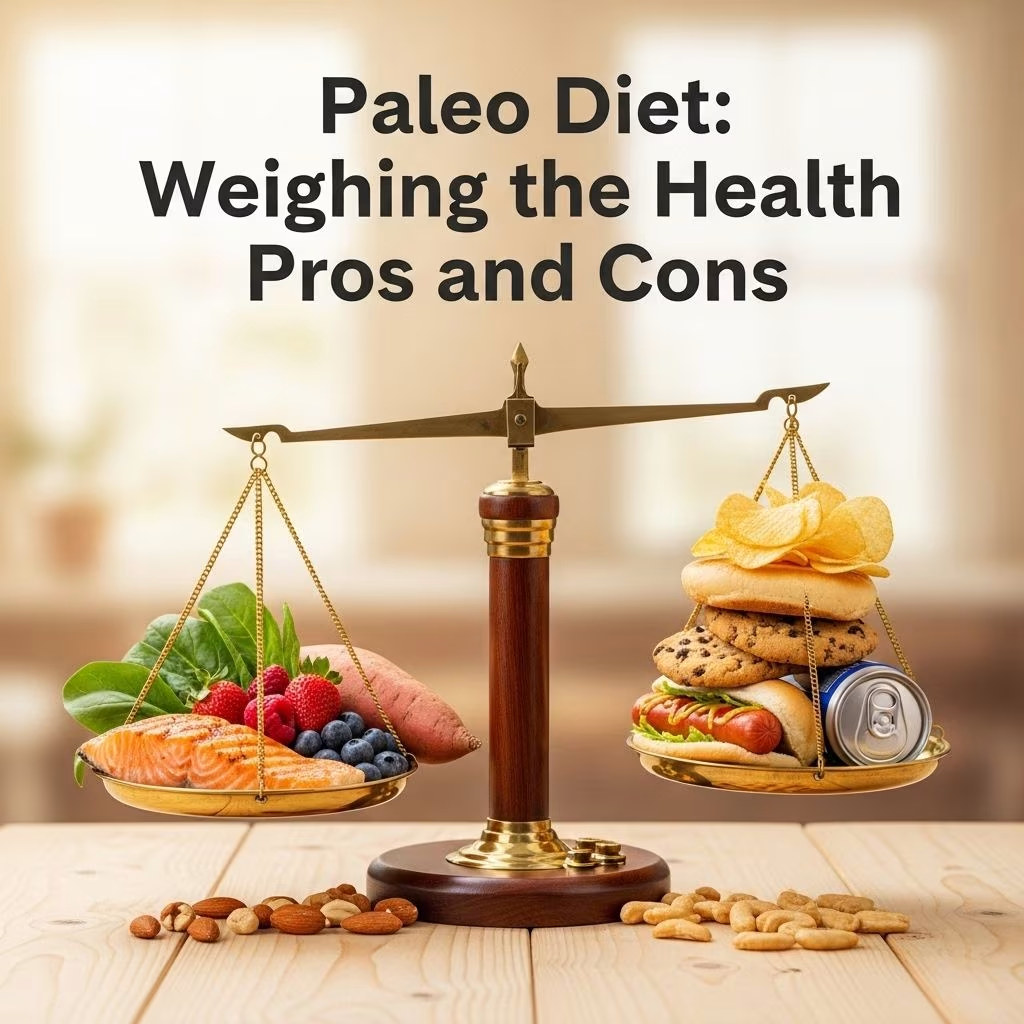
Paleo Diet: Weighing the Health Pros and Cons
The Paleo Diet has surged in popularity as an approach to healthy eating and weight management inspired by our hunter-gatherer ancestors. By focusing on whole foods and eliminating processed items and certain food groups, its promise is straightforward: better health and sustainable weight loss. But how does it stack up when you weigh scientific evidence, practical challenges, and nutrition needs? Here we offer a comprehensive, unbiased examination of the Paleo Diet’s pros and cons, helping you decide if it’s the best fit for your health goals.
What Is the Paleo Diet?
The Paleo Diet—sometimes called the Paleolithic or “caveman” diet—encourages followers to consume foods presumed to be available to humans during the Paleolithic era: lean meats, fish, fruits, vegetables, nuts, and seeds. It eliminates foods made possible through agriculture and modern processing—such as grains, legumes, dairy, refined sugar, and processed fats.
- Allowed foods: Lean meats, fish, eggs, fruits, vegetables, nuts, seeds, and healthy oils (like olive and coconut oil).
- Foods to avoid: Grains (wheat, oats, barley), legumes (beans, lentils, peanuts), dairy products, processed foods, added sugars, and salt.
Core Principles Behind the Paleo Diet
The rationale is that our bodies are genetically programmed for foods that predate agriculture. Advocates argue that the surge in chronic conditions—obesity, diabetes, heart disease—reflects a dietary mismatch between our genes and the agricultural era. By eliminating “modern” foods, proponents claim the diet:
- Helps regulate blood sugar
- Improves satiety and curbs hunger
- Reduces inflammation
- Promotes sustainable weight loss
- Lowers risks of chronic disease
Potential Health Benefits of the Paleo Diet
The Paleo Diet’s emphasis on whole, unprocessed foods means it naturally cuts out empty calories, harmful additives, and excess sugars. Here are the main research-backed benefits:
- Weight Loss: By focusing on high-protein and fiber-rich foods, many experience increased fullness and reduced overall calorie intake. Eliminating processed food and sugar often leads to a spontaneous reduction in total calories, supporting weight loss goals.
- Lower Blood Pressure and Improved Heart Health: Removing salt, processed food, and saturated fats while emphasizing fruits and vegetables can lead to lower blood pressure. Some studies have found reduced cholesterol and triglyceride levels among Paleo diet followers.
- Better Blood Glucose Control: Cutting out refined carbohydrates and sugar may help stabilize blood glucose and improve insulin sensitivity, which benefits those at risk of Type 2 diabetes.
- Greater Satiety: High-protein and high-fiber foods tend to make you feel more satisfied, limiting cravings and reducing overeating.
- Reduced Exposure to Processed Ingredients: By eliminating additives and processed fats, the diet may be better for overall wellness and digestive health.
Advantages Made Clear: Why Some Succeed on Paleo
| Advantage | Details |
|---|---|
| Weight Loss | Cutting processed foods and sugars often results in calorie reduction and consumes more filling foods. |
| Improved Heart Markers | Reduced intake of saturated fats, processed food, and sodium lowers cholesterol and blood pressure in some cases. |
| Satiety | High intake of protein and fibrous produce keeps hunger at bay for longer periods. |
| Dietary Simplicity | Focuses on single-ingredient, whole foods, reducing dietary confusion. |
| Fewer Processed Additives | Natural foods are prioritized over chemical-laden items, possibly benefiting digestion and energy. |
Cons and Risks of the Paleo Diet
Although benefits are clear, the Paleo Diet presents notable challenges and risks, particularly concerning nutritional completeness, practicality, and sustainability:
- Potential Nutrient Deficiencies: Removing whole grains, legumes, and dairy increases the risk of missing key nutrients—such as calcium, vitamin D, fiber, and certain B vitamins—which can impact bone health, digestion, and overall wellness.
- Overemphasis on Meat: Emphasizing animal products may lead to excessive saturated fat intake, raising the risk of heart disease and diabetes if lean sources aren’t chosen.
- Dietary Restriction: The strict elimination of entire food groups (grains, legumes, dairy) means vegetarians/vegans, or those with unique nutrition needs, may find this plan impractical.
- Higher Costs: Fresh meats, fish, and produce are generally more expensive than processed and frozen foods, making long-term adherence costly for many.
- Meal Planning Burdens: A reliance on fresh, perishable foods can make meal prepping and grocery shopping more demanding, especially for those seeking convenience.
- Little Long-Term Research: Most studies on Paleo have been small, short-term, and favorable. However, robust, long-term safety data is lacking, leaving questions about risks and benefits over years or decades.
- Risk of “Low-Carb Flu”: As your body transitions to fewer carbs, some report fatigue, headaches, and nausea—symptoms dubbed the “low-carb flu” or “keto flu”.
Nutritional Concerns and Considerations
Many registered dietitians caution against the exclusion of healthy food groups. Whole grains, legumes, and low-fat dairy products all provide essential nutrients. Removing these from your diet can cause deficits that, over time, might compromise bone health (calcium and vitamin D from dairy), digestive health (fiber from grains and legumes), and vitamin intake (such as B vitamins).
- Calcium: Necessary for bone growth and maintenance. Primarily sourced from dairy, absent in Paleo unless supplemented.
- Vitamin D: Vital for regulating calcium and bone health. Sources are greatly reduced on a Paleo plan.
- Fiber: Crucial for gut health, commonly sourced from grains and legumes.
- B Vitamins: Support energy, metabolism, and nervous system function.
You can mitigate these risks by carefully selecting alternative foods and considering supplements if adopting strict Paleo.
Who Might Benefit—and Who Should Avoid Paleo?
The Paleo Diet can work for individuals who:
- Are motivated by weight loss and prefer whole, unprocessed foods
- Have sensitivities to grains, legumes, or dairy
- Are willing to commit to frequent cooking and meal preparation
However, it may be unsuitable for people who:
- Follow plant-based or vegetarian diets (due to heavy reliance on animal products)
- Require higher levels of certain nutrients, like calcium and fiber
- Prefer budget-friendly, convenient meal options
- Desire more flexibility or variety in food choices
Always consult your doctor or a registered dietitian before making significant dietary changes, especially if you have underlying health conditions or unique nutritional needs.
Costs, Practicalities, and Real-World Hurdles
One commonly cited drawback is the expense of fresh meats, fish, and produce. Processed and frozen foods are not only less expensive but less prone to spoiling, while Paleo staples require frequent shopping and meal planning. For busy individuals or large families, the cost and effort can outweigh possible health benefits.
- Higher grocery expenditures (meat, fish, produce)
- Frequent shopping trips (due to perishability)
- Difficulty adapting for social gatherings and restaurants
- Limited convenience foods available
Expert Opinions and Reputable Research
Most experts acknowledge that eating whole foods, prioritizing fruits and vegetables, and reducing processed items can substantially benefit anyone. However, criticisms of the Paleo Diet center on its restrictive nature and lack of long-term safety evidence.
- Short-term studies show favorable outcomes (weight loss, blood pressure, cholesterol) but do not establish safety or efficacy for years-long use.
- Critics warn that excluding healthy food groups may undermine overall nutrition instead of supporting it long-term.
- Some believe initial weight loss might largely be water weight due to carbohydrate depletion, not fat loss.
Paleo Diet Sample Meal Plan
- Breakfast: Scrambled eggs with tomatoes, onions, and spinach; a handful of walnuts.
- Snack: An apple and a few almonds.
- Lunch: Grilled chicken over mixed greens with olive oil and lemon.
- Snack: Fresh berries and pumpkin seeds.
- Dinner: Baked salmon, roasted sweet potatoes, and asparagus.
- Dessert: Sliced fruit or coconut-based pudding.
Frequently Asked Questions (FAQs)
Is the Paleo Diet Suitable for Long-Term Use?
There is not enough research on long-term safety of the Paleo Diet. Most studies are short-term and show positive results, but nutrition experts highlight the importance of ensuring no nutrient deficiencies over time.
Will I Lose Weight on the Paleo Diet?
Most people lose weight initially as processed foods and sugars are removed from the diet, but maintaining results may require ongoing commitment and attention to nutritional balance.
Can I Customize the Paleo Diet?
Many followers adapt the diet to suit personal preferences or nutritional needs, occasionally including non-Paleo foods in moderation.
Is Paleo Good for Managing Blood Sugar?
Yes—emphasizing whole foods and eliminating refined carbs can stabilize blood glucose, making it beneficial for some individuals with blood sugar concerns.
What Are Common Downsides?
- Nutrient deficiencies (calcium, vitamin D, fiber)
- Cost and convenience challenges
- Restriction of healthy food groups
- Social and practical hurdles
Is the Paleo Diet Expensive?
Yes, the reliance on fresh produce and protein sources increases food costs and preparation time.
Tips for Adopting the Paleo Diet Safely
- Consult your healthcare provider or a dietitian before starting
- Choose lean meat and fish options to reduce saturated fat intake
- Include a variety of fruits and vegetables for better nutrition
- Use supplements judiciously for calcium and vitamin D
- Plan meals carefully to avoid deficiencies
- Monitor your response and adapt the diet to suit your lifestyle and health needs
Key Takeaways
- The Paleo Diet focuses on whole, unprocessed foods, aiming to mimic ancient eating habits
- It offers potential benefits for weight loss, heart health, and glycemic control
- Significant drawbacks include risk of nutrient deficiencies, higher food costs, and restrictive meal choices
- Lack of long-term research means caution is advised before making Paleo your permanent approach
- Customizing the plan and seeking expert guidance can help you achieve balanced nutrition
References
- https://www.bannerhealth.com/healthcareblog/teach-me/paleo-diet
- https://www.webmd.com/diet/paleo-diet
- https://health.clevelandclinic.org/paleo-diet
- https://www.news-medical.net/health/Paleo-Diet-Pros-and-Cons.aspx
- https://www.mayoclinic.org/healthy-lifestyle/nutrition-and-healthy-eating/in-depth/paleo-diet/art-20111182
- https://nunm.edu/2019/04/paleo-diet/
- https://www.cookunity.com/blog/paleo-diet-guide
- https://www.usatoday.com/story/life/health-wellness/2023/07/08/what-is-the-paleo-diet-foods-to-eat-pros-cons-and-whats-better/70345223007/


