


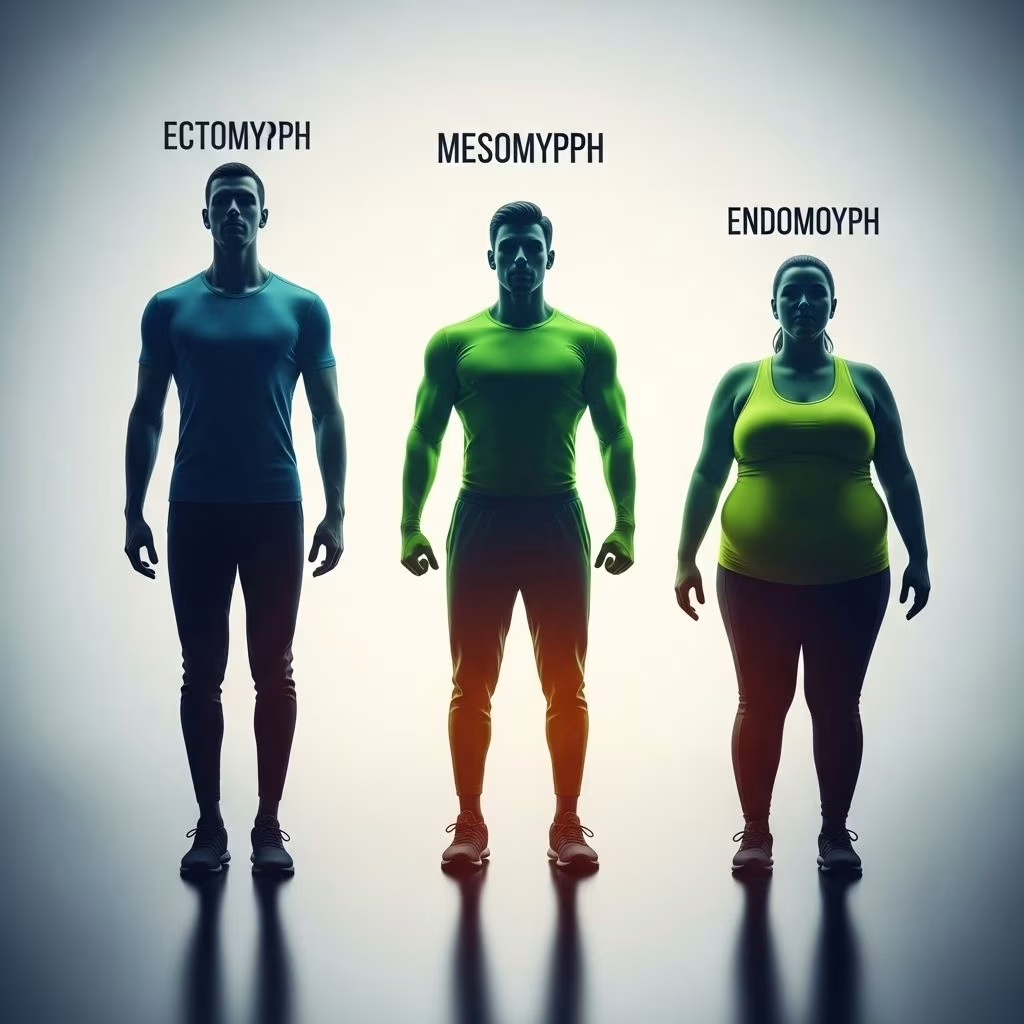
The 3 Body Types and How They Impact Weight Loss Success
Understanding your body type can help you make more informed decisions about your nutrition, exercise, and weight loss strategies. While few people fit perfectly into one category, most people gravitate toward one of three major body types: ectomorph, mesomorph, and endomorph. Each body type comes with its own set of genetic advantages and challenges, especially when it comes to building muscle, losing fat, and achieving your weight loss goals.
What Are the Three Body Types?
The concept of body types, or “somatotypes,” dates back to the 1940s and remains an influential framework for understanding how genetics affect physique and metabolism. The three primary categories are:
- Ectomorph: Lean and long, with difficulty gaining weight or muscle.
- Mesomorph: Naturally muscular and athletic, with ease in building muscle and losing fat.
- Endomorph: Larger, softer build, with a tendency to gain fat more easily and greater difficulty losing it.
While people are often a blend of types, identifying your dominant characteristics can help you tailor your approach for the best results.
Ectomorph
Key Characteristics:
- Long limbs, slim frame, and little visible muscle
- Small joints and narrow frame (shoulders and hips)
- Fast metabolism: finds it hard to gain either muscle or fat
- May be described as “skinny fat”—low weight but with a higher percentage of body fat relative to muscle
Famous examples of ectomorphs include Brad Pitt, Cameron Diaz, Gisele Bündchen, and Chris Rock.
Many fashion models and endurance athletes also display classic ectomorphic traits.
Metabolism and Fitness Challenges for Ectomorphs
- Natural resistance to weight gain due to a fast metabolism
- Difficulty building and maintaining muscle mass
- Potential for increased fatigue with too much cardio or overtraining
For ectomorphs, body composition goals often center around increasing lean mass and minimizing excess fat.
Training Recommendations
- Prioritize strength training and resistance exercises over high-volume cardio
- Engage in shorter, high-intensity workouts with heavy weights and longer rest between sets
- Limit cardio to a moderate level to avoid excessive calorie burn and muscle loss
- Allow for adequate recovery and avoid overtraining
Nutrition Guidelines for Ectomorphs
- Consume higher calorie intake to support muscle growth
- Eat quality carbohydrates and healthy fats with moderate protein (about 25-30g per meal)
- Maintain four substantial meals per day if training heavily, including a pre-training meal
- On rest days, skip extra snacks and let more robust meals carry you through the day
Lifestyle Tips for Ectomorphs
- Prioritize sleep and recovery
- Manage stress with mindfulness, yoga, or relaxation techniques
- Be patient; muscle gain takes persistent, focused effort
Ectomorph Dos and Don’ts
| Do | Don’t |
|---|---|
| Lift heavy and focus on compound movements | Overdo cardio |
| Increase calorie and protein intake | Rely on high-rep, low-weight exercises |
| Pace your training, ensure rest | Skip meals/snacks if training |
Mesomorph
Key Characteristics:
- Medium-sized bone structure, with broad shoulders and narrow waist
- Upright, athletic posture
- Muscle definition and natural lean muscle mass, even with little training
- Gain and lose weight with relative ease
Celebrity examples of mesomorphs include Chris Hemsworth, Venus Williams, Zac Efron, Angela Bassett, Madonna, and Henry Cavill.
Genetic Advantages of Mesomorphs
- High percentage of fast-twitch muscle fibers for power and speed
- Gain muscle quickly and efficiently
- Body responds quickly to both strength and endurance training
Best Training Strategies
- Moderate endurance training for baseline fitness
- High-Intensity Interval Training (HIIT) to accelerate fat loss and boost metabolism
- Plyometric exercises to develop explosive power
- Pilates or yoga for mobility, flexibility, and balanced strength
- Sport-specific training for advanced goals
Optimal Nutrition for Mesomorphs
- Balanced intake of quality fats, moderate carbohydrates, and sufficient protein
- Consider timing protein and amino acids (especially around workouts) for optimal muscle recovery
- On non-training days, limit snacks and stick to main meals
- Focus on whole foods and nutrient-dense meals
Lifestyle Tips for Mesomorphs
- Keep workouts varied to avoid plateauing
- Listen to your body and adjust effort levels to avoid overtraining
- Maintain a regular exercise schedule
Mesomorph Dos and Don’ts
| Do | Don’t |
|---|---|
| Mix endurance, HIIT, and resistance training | Neglect flexibility/mobility training |
| Eat a balanced, whole-food based diet | Rely on processed foods for calories |
| Vary your exercise routine | Ignore recovery needs |
Endomorph
Key Characteristics:
- Larger, rounder physique with wide hips and sometimes broad shoulders
- Greater tendency to store body fat, especially around the midsection and lower body
- Bone structure is robust, with medium to large joints
- Often have a slower metabolism
- Can build muscle, but often struggles to lose fat
Typical endomorphs include celebrities like Jennifer Lopez, Marilyn Monroe, Tom Hardy, Beyoncé, and Chris Pratt.
Weight Loss Challenges for Endomorphs
- Trouble losing weight, especially through diet alone
- Requires higher levels of activity and dietary discipline to lose fat
- Metabolism may respond slowly to exercise and calorie changes
Exercise Advice for Endomorphs
- Consistent high-intensity training, combining cardio and resistance
- Frequent exercise sessions (at least 4-5 per week)
- Pursue circuit training and interval workouts to boost metabolic rate
- Include strength work to build or maintain muscle mass
- Endomorphs absolutely need exercise for successful fat loss
Nutrition and Lifestyle Guidelines for Endomorphs
- High protein, low-to-moderate carbohydrate intake
- Restrict carbs, especially simple sugars, to encourage body fat loss
- Eat smaller, more frequent meals to stabilize blood sugar and hunger
- Go to bed early and wake up early
- Maintain strict consistency with both nutrition and exercise
Endomorph Dos and Don’ts
| Do | Don’t |
|---|---|
| Focus on protein-rich, low-carb meals | Rely on diet alone for weight loss |
| Exercise frequently and with intensity | Skip workouts or use short-term fitness strategies |
| Be consistent and persistent | Let setbacks stop your progress |
Which Body Type Are You?
Body types exist on a spectrum. You may not fit perfectly into one category but instead display mixed features of two or more types. Body type can vary with age, lifestyle, and changing habits. While genetics are a foundation, healthy habits can help you move toward your fitness goals regardless of body type.
How to Identify Your Body Type
- Look at your bone structure, muscle mass, and fat distribution
- How does your body respond to food and exercise (do you gain or lose weight easily?)
- Consider your natural tendencies before you started a dedicated fitness routine
- Remember: changes in training, diet, and lifestyle will affect your physique and can partially override genetic predispositions
FAQs about Body Types and Weight Loss
Q: Can you change your body type?
A: While you can’t completely change the body type you were born with, you can dramatically alter your body composition with focused diet and training strategies. Most people can move toward a more lean and muscular appearance, regardless of genetics, though pure body type features often remain.
Q: Which body type has the easiest time losing weight?
A: Mesomorphs typically lose fat and gain muscle more easily due to a responsive metabolism. Ectomorphs may find it hard to gain weight, while endomorphs may have the hardest time losing fat.
Q: Can an endomorph look like a mesomorph?
A: With a disciplined combination of diet and regular, intense exercise (including HIIT and strength training), endomorphs can achieve a more mesomorphic look, although their bone structure and propensity for storing fat may always play a role.
Q: Should body type determine my workout entirely?
A: Body type can inform your approach, but it’s one of many factors. Age, gender, lifestyle, genetics beyond somatotype, and health status all play important roles in determining optimal fitness and nutrition strategies.
Q: Can people have more than one body type?
A: Yes. Most people do not fit one body type perfectly and instead possess a blend of two or even all three types. Your body may also shift along the spectrum over your lifetime.
Practical Tips for Every Body Type
- Focus on improving body composition rather than chasing a number on the scale.
- Prioritize consistency and long-term habits—results come with sustained effort.
- Listen to your body and adapt strategies as needed.
- If unsure, work with a certified fitness professional or registered dietitian for tailored advice.
Key Takeaways
- Body type (ectomorph, mesomorph, endomorph) matters—but it is not your destiny.
- Your individual approach to nutrition and exercise should complement, not be constrained by, your body’s natural tendencies.
- Understanding your body type helps you set realistic expectations and evolve your routine to maximize results.
References
- https://www.prevention.com/weight-loss/g20434758/the-3-body-types-and-how-they-affect-your-weight-loss/
- https://www.ctworkout.com/body-types-eat-weight-loss-results/
- https://www.medicalnewstoday.com/articles/body-types
- https://betterme.world/articles/3-body-types/
- https://www.nasm.org/resource-center/blog/body-types-how-to-train-diet-for-your-body-type
- https://www.precisionnutrition.com/all-about-body-type-eating
- https://www.menshealth.com/fitness/g19527643/how-your-body-type-affects-weight-loss/


