


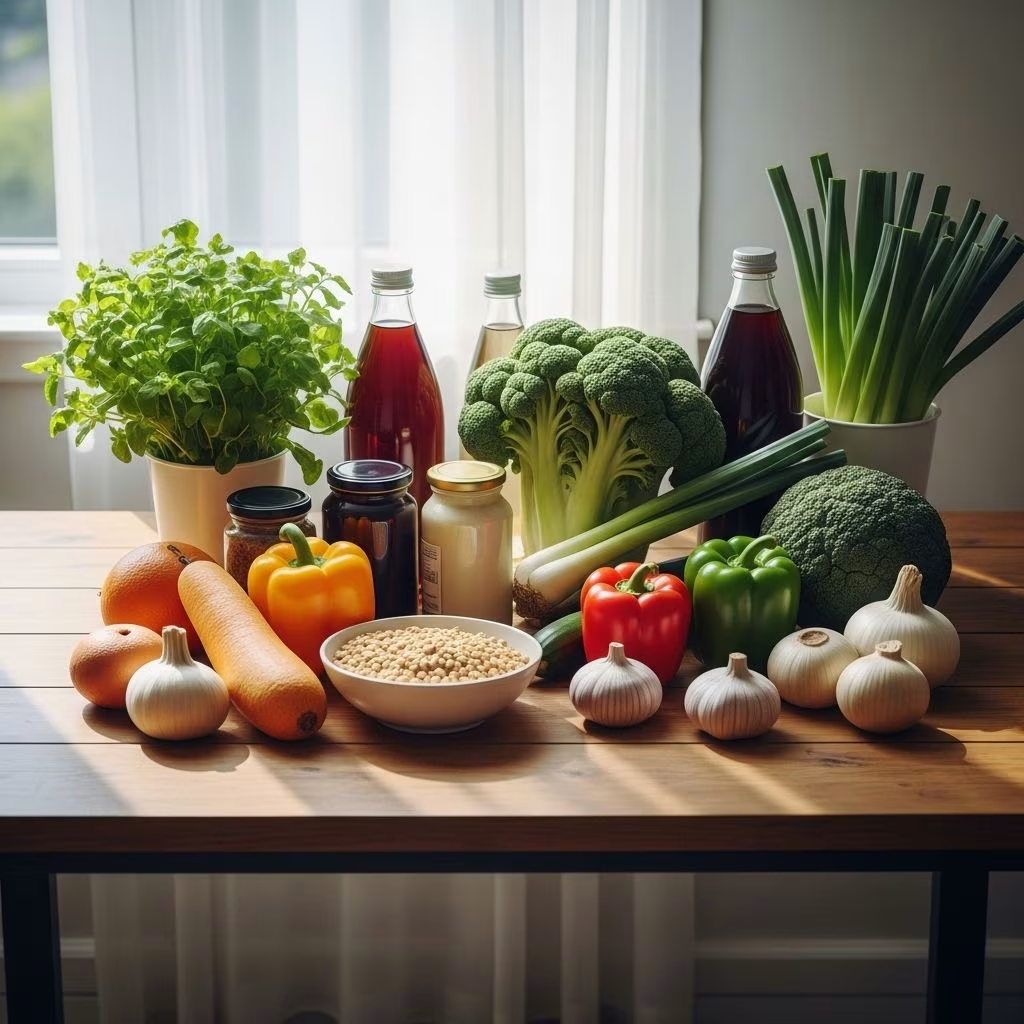
7 Grocery Shopping Tips For Sustainable Weight Loss
Adopting healthy grocery shopping habits is a foundational step towards lasting weight loss. When your kitchen is filled with nutritious options, staying on track with dietary goals is simpler and less stressful. Yet, the temptation to fill your cart with processed snacks and sugary treats can be strong—especially when supermarkets are designed to encourage impulse buying. The following seven strategies, inspired by actual weight loss success stories and expert advice, will help you navigate every aisle wisely and effectively.
1. Plan Your Shopping Route With Intention
Most grocery stores are intentionally arranged to guide shoppers past enticing displays—a tactic that can derail healthy intentions from the start. Christine Leahy, who shed over 60 pounds, recommends mapping out your journey before you begin. For instance:
- Observe store layout: Identify where fresh produce is positioned. Some stores place the bakery at the entrance, flooding your senses with smells that stoke hunger. Seek stores that feature fruits and vegetables up front.
- Stick to your route: Avoid detours to aisles featuring high-calorie temptations. Head straight for the sections filled with whole foods: veggies, fruits, lean proteins, and whole grains.
- Shop the perimeter: The store’s outer edges usually house healthier options, while ultra-processed foods lurk in the inner aisles.
Having a plan limits the opportunity for impulse buys, helps you focus on your shopping list, and keeps you motivated to stick with healthier choices.
2. Read Nutrition Labels Closely—Ignore the Front-Of-Package Claims
Packaging can be misleading. Boxes boasting ‘low-fat,’ ‘natural,’ or ‘organic’ may still conceal added sugars, sodium, or high-calorie ingredients. Laura Childs, who lost 70 pounds, suggests:
- Scrutinize ingredient lists: Look for added sweeteners, sodium, and unhealthy fats. Focus on total carbohydrates and avoid refined sugars where possible.
- Check serving sizes: Compare the nutrition label’s serving size with what you realistically consume. If a bag lists calories for 10 chips, but you typically eat 30, recalculate accordingly.
- Favor whole foods: Choose items with short, understandable ingredient lists. The fewer preservatives and artificial additives, the better.
Reading labels arms you with information to choose foods that genuinely support your goals, not just those that sound healthy at first glance.
3. Repeat Your List—Keep Healthy Staples on Hand
Consistency matters. Stephanie Dodier, who reversed unhealthy eating habits and dropped 100 pounds, recommends maintaining a master grocery list. Here’s how you can implement this practice:
- Compile a checklist: List out essential ingredients—lean proteins, whole grains, low-fat dairy, fresh produce—used in your favorite healthy recipes.
- Shop on repeat: Use your master list every trip, replenishing staples as needed based on weekly meal planning.
- Avoid impulse purchases: Relying on a consistent list minimizes the temptation of spontaneous buys and keeps your pantry well-stocked with nourishing options.
Establishing grocery shopping routines makes it far easier to prepare balanced meals and eliminate guesswork, supporting steady weight loss.
4. Stock Up on Healthy Snacks
Snack attacks are inevitable—but what you choose to satisfy them can make all the difference. Mo Minard, who lost 93 pounds, found success by prioritizing wholesome, nutritious snack options. Smart choices include:
- Cut veggies: Cucumbers, carrots, and bell peppers offer crunch without excess calories.
- Fresh fruit with yogurt: Berries, apples, or bananas paired with a dollop of plain yogurt are satisfying and sweet.
- Homemade smoothies: Combine leafy greens, fruit, protein powder, and a splash of milk or water for a filling beverage.
- Unsweetened tea: A squeeze of citrus in your tea creates variety without added sugar.
When your pantry is filled with appealing, healthy snacks, it’s much easier to fend off cravings for processed chips or cookies and stay on track with your diet.
5. Spend Generously On Produce—Max Out Your Budget
Reserve the bulk of your grocery budget for fresh produce and wholesome ingredients. Sara Borgstede, a mother who shed 100 pounds, demonstrates how splurging on nutritious foods can curb junk food purchases:
- Treat yourself to variety: Fruits and vegetables, even when pricier, are worth the investment. Exotic fruits or out-of-season asparagus become enjoyable indulgences.
- Limit processed purchases: When you spend more on fresh produce, there’s less budget left for less healthy options like chips and sodas.
- Shop local and seasonal: Local markets often feature competitive pricing and better quality on fresh items.
Prioritizing your spending on produce not only supports a healthy diet but also minimizes the temptation to buy processed snacks out of habit.
6. Avoid Shopping On An Empty Stomach
Hunger leads to impulsive choices. Supermarkets are filled with triggers—from bakery scents to colorful displays—that test the strongest willpower. It’s vital to:
- Eat before going: Enjoy a balanced meal or nutritious snack prior to shopping.
- Pack water: Staying hydrated helps curb cravings.
- Stay focused: When you’re satiated, walking past the ice cream cooler or pastries becomes easier.
Shopping with a clear head and satisfied stomach prevents the allure of calorie-dense, processed snacks and keeps your efforts aligned with your goals.
7. Beware Bargain Traps and Unnecessary Splurges
Supermarkets capitalize on the tendency to seek value, but deals like “buy one, get one free” on ice cream or sugary cereal aren’t always in your best interest. Tips for navigating bargains wisely include:
- Question deals: Ask yourself: Does stocking up on processed snacks help long-term goals, even if it saves money?
- Buy in moderation: If you do purchase treats, select flavors you don’t love (as a deterrent) or buy just enough for special occasions.
- Focus on essentials: Use bargains for wholesome foods—think bulk nuts, oats, or frozen berries.
Evaluate every special offer critically. Saving money loses its appeal if it ultimately hinders your weight loss journey.
Expert Insights: Why Grocery Shopping Habits Matter
Research shows that weight loss isn’t just about calorie counting—it’s about transforming daily rituals and environments. The grocery store is a prime battleground for reinforcing or undermining healthy habits.
- Environmental cues: Strategizing route and snacks reduces exposure to temptations.
- Social influences: Shopping with your family means balancing requests. Buy ‘least-liked’ junk foods if necessary, minimizing personal temptation.
- Label literacy: Recognizing misleading package claims (“organic,” “low-fat”) and understanding real nutritional value builds long-term savvy.
Sample Healthy Grocery List For Weight Loss Success
| Protein | Produce | Whole Grains | Snacks |
|---|---|---|---|
| Chicken breast Turkey Eggs Greek yogurt | Spinach Kale Broccoli Apples Berries | Brown rice Quinoa Whole grain bread Oats | Carrot sticks Almonds Rice cakes Fruit & yogurt |
Frequently Asked Questions (FAQs)
Q: How do I make my shopping list more effective for weight loss?
A: Build your list around whole foods and base selections on recipes for the week. Repeat healthy staples and avoid impulse purchases by shopping from your list each time.
Q: Does spending more on healthy items mean my overall costs will increase?
A: Not necessarily. While fresh produce can be more expensive, it helps you avoid spending on processed snacks, ultimately balancing your grocery budget with health in mind.
Q: Are foods labeled ‘organic’ or ‘natural’ always better for weight loss?
A: No. These claims focus on sourcing, not nutrition. Always read the actual nutrition label and ingredients list, prioritizing fewer additives and lower sugar content.
Q: If I have to buy treats for my family, what is the best approach?
A: Choose flavors you personally dislike or buy smaller quantities. This strategy limits temptation and encourages moderation for everyone.
Q: What meals should I plan for weight loss?
A: Focus on meals built around lean protein, plenty of vegetables, healthy fats, and whole grains. Planning your menu ahead allows you to shop with confidence and purpose.
SEO-Tips & Takeaways
- Consistency and planning are key—keep healthy snacks and staples on hand.
- Shop the store perimeter for whole foods and avoid tempting inner aisles.
- Read nutrition labels diligently, ignoring marketing jargon.
- Invest in fresh produce and let it be a healthy indulgence.
- Shop on a full stomach and stick to your list to curb impulse purchases.
- Question bargains and prioritize health over bulk buying unhealthy foods.
Smart shopping isn’t just about saving dollars—but about fueling your body and setting yourself up for long-term, sustainable weight loss success. By implementing these strategies, the journey through the grocery store becomes a source of empowerment and progress, not temptation and regret.
References
- https://www.prevention.com/food-nutrition/healthy-eating/g20486498/how-to-lose-weight-at-the-grocery-store/
- https://www.prevention.com/weight-loss/g20434877/7-grocery-shopping-tips-for-weight-loss/
- https://www.prevention.com/food-nutrition/healthy-eating/a20429291/smart-grocery-shopping-guide/
- https://www.prevention.com/weight-loss/g20446179/shopping-mistakes-making-you-gain-weight/
- https://www.prevention.com/weight-loss/a20456544/grocery-swaps-for-weight-loss/
- https://www.prevention.com/weight-loss/a43905863/lose-weight-safely/
- https://www.prevention.com/weight-loss/g20512017/10-oddly-effective-weight-loss-tips-that-are-backed-by-science/
- https://www.prevention.com/food-nutrition/healthy-eating/a20449413/grocery-shopping-mistakes/
- https://www.prevention.com/food-nutrition/healthy-eating/a65919516/foods-to-boost-metabolism/
- https://www.prevention.com/weight-loss/a20501539/how-to-maintain-weight-loss/


