


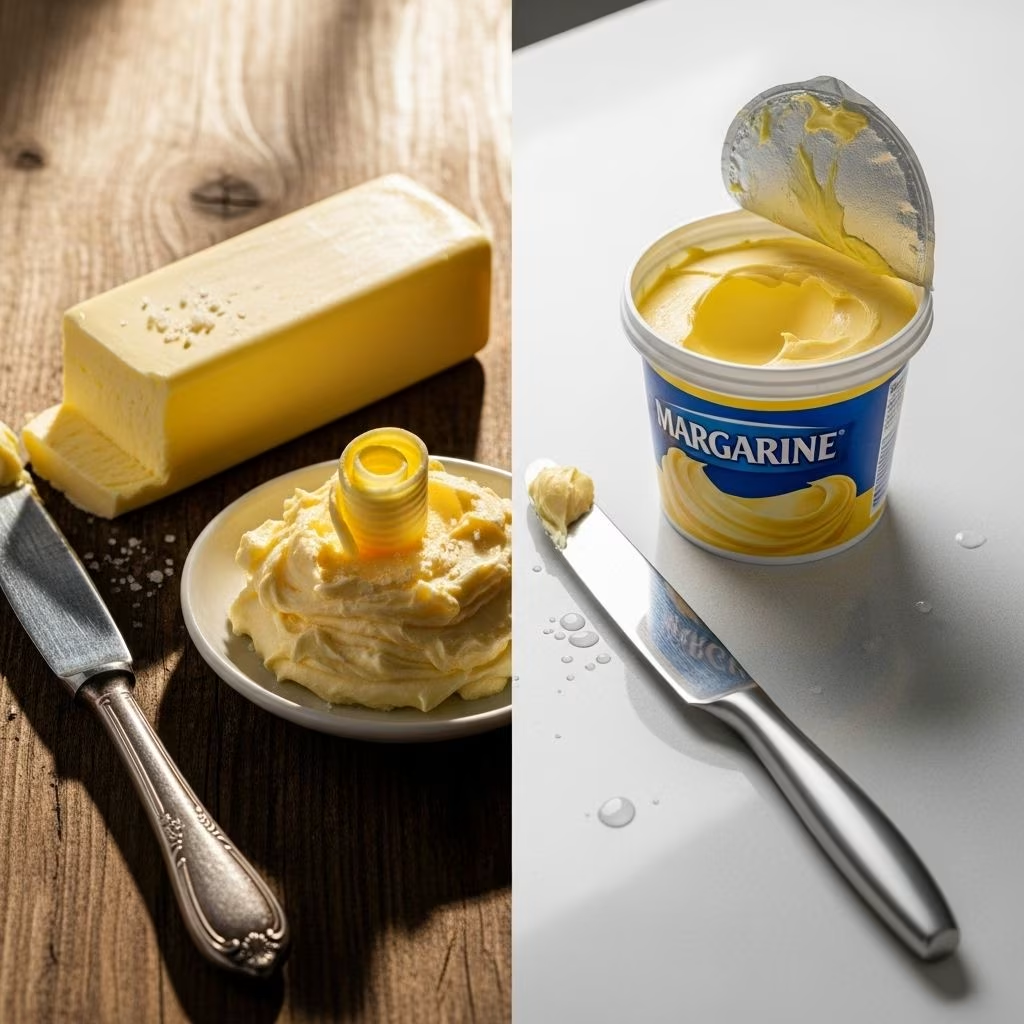
Butter vs. Margarine: Which Spread Wins for Your Health?
For decades, the choice between butter and margarine has sparked heated debate among nutritional experts, food lovers, and concerned consumers. The buttery richness of one and the heart-health claims of the other have left many wondering: Which is the healthier choice? This comprehensive guide dives deep into the history, ingredients, nutrition, and science behind these popular spreads—equipping you to decide what belongs on your table.
Understanding the Basics: What Are Butter and Margarine?
Before comparing health effects, it’s important to understand the origins and compositions of these two products.
- Butter is a dairy product made by churning cream until the fat separates from the buttermilk. The resulting solid is rich, creamy, and has been a kitchen staple for centuries.
- Margarine was invented as a butter substitute in the 19th century and is made from vegetable oils such as sunflower, canola, soybean, or olive oil. The manufacturing process involves emulsifying these oils to create a spreadable consistency—sometimes by hydrogenation, which can produce trans fats.
Butter and Margarine: Nutritional Face-Off
The nutritional profiles of butter and margarine differ primarily in their source of fat and the types of fats they contain.
| Per Tablespoon (14g) | Butter | Margarine (average) |
|---|---|---|
| Calories | ~100-102 kcal | ~68–87 kcal |
| Total Fat | 11g | 7–10g |
| Saturated Fat (SFA) | 7g (36% DV) | 1.5–3g (11–18% DV) |
| Trans Fat | None/negligible | Negligible in most modern products |
| Polyunsaturated Fat (PUFA) | 0.4g | 1.2–2.5g |
| Monounsaturated Fat (MUFA) | 3g | 3–5g |
| Cholesterol | 31mg (10% DV) | 0mg |
| Vitamins | B12, B3, folate, vitamin A (varies) | Often fortified with vitamins A, E, and K |
| Protein | 0.12g | 0.02g |
| Carbohydrates | Negligible | Negligible |
| Sodium | Varies (salted/unsalted) | Varies (often less than butter) |
Key Nutritional Takeaways
- Butter is high in saturated fat and cholesterol, both associated with increased heart disease risk when consumed in excess.
- Margarine is typically higher in unsaturated fats (polyunsaturated and monounsaturated), which can support healthy cholesterol levels but may contain small levels of trans fats depending on the brand and formulation.
- Both spreads are calorie dense and low in protein or carbohydrates, making portion control important.
- Margarines are usually cholesterol-free.
Examining the Fats: Saturated, Unsaturated, and Trans Fats
Fat composition plays the central role in the health debate between butter and margarine.
Butter: Saturated Fat and Cholesterol
- Contains about 50–60% saturated fat by total fat content.
- Has natural cholesterol, derived from animal products.
- Excessive saturated fat intake is linked to increased LDL (“bad”) cholesterol and a higher risk of heart disease.
Margarine: Unsaturated Fats and Plant Oils
- Made mostly from vegetable oils, high in unsaturated fats.
- Tub and squeeze margarines are particularly low in saturated fat, sometimes with less than half the saturated fat of butter.
- Trans fats—once common in margarines due to partial hydrogenation—have been largely eliminated in modern products due to health risks.
- Check food labels to verify saturated and trans fat content, as it varies between brands and forms (stick, tub, liquid).
Health Impacts: What Does the Science Say?
Saturated Fat and Heart Disease
Studies consistently show that diets high in saturated fat (like that found in butter) can raise LDL cholesterol, a key risk factor for cardiovascular disease, stroke, and other heart conditions. National health organizations such as the American Heart Association recommend limiting saturated fat intake and replacing it with unsaturated fats when possible.
Trans Fat: The Hidden Hazard
- Artificial trans fats (produced by partial hydrogenation of plant oils) are strongly linked to increased heart disease risk and have been banned or severely limited in many countries.
- Most modern margarines, especially those labeled as “trans fat free,” contain negligible to no trans fats. However, some stick margarines may still contain trace amounts.
- Always check ingredient lists for “partially hydrogenated oils” as an indicator of trans fat presence.
Cholesterol Content
- Butter, derived from animal sources, naturally contains cholesterol.
- Margarine is a plant-based product and contains no cholesterol, making it preferable for those watching their cholesterol intake.
Other Nutrients: Vitamins and Minerals
- Butter naturally supplies small amounts of fat-soluble vitamins, like A, D, E, and K, but in lower quantities than some fortified margarines.
- Margarine is often fortified with vitamins A and D, and sometimes E and K. Margarine may provide more vitamin A per serving, and in some formulas, more E and K (including forms that offer anti-inflammatory benefits and blood coagulation support).
Pros and Cons: Butter
Benefits of Butter
- Rich, distinct flavor prized for culinary uses, especially in baking and sauces.
- Simple ingredient list: typically just cream (and salt in salted varieties).
- Provides vitamin A and a range of trace minerals.
Potential Downsides
- High in saturated fat and cholesterol, both linked to increased heart disease risk if overconsumed.
- High in calories—easy to overdo serving size.
- Not suitable for vegans or people with dairy allergies/lactose intolerance.
Pros and Cons: Margarine
Benefits of Margarine
- Usually lower in saturated fat and free of cholesterol.
- Made from plant oils—can be suitable for vegans (unless containing traces of dairy).
- Often fortified with vitamins A, D, and sometimes E and K.
- Tub margarines (often labeled “soft” or “spreadable”) tend to have the best health profiles, being highest in unsaturated fat and lowest in saturated fat.
Potential Downsides
- May contain additives, emulsifiers, and stabilizers.
- Some stick margarines still contain trace amounts of trans fat.
- Flavor and culinary properties can differ from butter and be considered less desirable in certain recipes.
Special Considerations: Health Conditions and Life Stages
- Heart Health: Individuals looking to reduce heart disease risk are usually advised to choose margarines with low saturated fat and no trans fat, and to limit butter intake.
- Type 2 Diabetes: Studies indicate that replacing trans fats (once common in margarine) with unsaturated fats is preferable. Excess margarine consumption, particularly of older-style trans fat-rich products, was associated with increased diabetes risk, but this is less relevant with modern formulations.
- Lactose Intolerance or Vegan Diets: Margarine is generally suitable, but always check labels for dairy-derived ingredients.
- Children and Pregnant Women: Fortified margarines can be a source of vitamins A and D, though excessive A intake should be avoided during pregnancy.
Butter vs. Margarine: The Culinary Factor
- Butter remains a standard for baking, pastry, and classic French cuisine due to its flavor and texture.
- Margarine works best as a spread or in recipes where a neutral flavor and easily spreadable consistency are desired. Some brands cater for baking, but results can vary.
How to Choose the Best Spread for You
The healthiest choice often depends on personal taste, health needs, and dietary restrictions.
- Select margarines that are labeled “non-hydrogenated,” “trans fat-free,” and “high in unsaturated fats”.
- If choosing butter, use small quantities and prefer unsalted varieties to minimize sodium intake.
- Read ingredient labels carefully—aim for products with simple, recognizable ingredients, and avoid those with partially hydrogenated oils.
Frequently Asked Questions (FAQs)
Is any margarine healthier than butter?
Modern tub and liquid margarines that are low in saturated fat and free from trans fat are generally considered healthier for heart health compared to butter. However, check labels carefully—the healthiest margarine has more unsaturated fats and no trans fats.
Does butter offer any health benefits?
Butter contains some essential vitamins, like A and D, and has a desirable natural flavor. Moderate butter use can fit into a balanced diet, but overconsumption increases saturated fat and cholesterol intake, raising heart risk.
Is there any benefit to using butter blends?
Yes—blends of butter and plant oils can provide better spreadability, a lower saturated fat content than plain butter, some of the buttery taste, and fewer calories per serving than regular butter.
What about organic, grass-fed, or ghee?
Organic or grass-fed butters may contain slightly different fat profiles, including more omega-3 fatty acids, but are still high in saturated fat. Ghee, popular in South Asian cuisine, is clarified butter and has even more fat per serving, making portion control important.
How much butter or margarine is safe to eat?
The American Heart Association recommends limiting saturated fat intake to less than 10% of total daily calories. This equates to about 1–2 tablespoons of either spread per day for most adults, while preferably opting for low-saturated fat, trans fat-free choices.
Expert Insights: What Do Nutritionists Recommend?
- Choose soft, non-hydrogenated margarines or spreads with a higher unsaturated-to-saturated fat ratio.
- Reserve butter for occasions where taste is paramount, and enjoy it in small quantities.
- Overall dietary pattern matters more: prioritize whole foods, plenty of vegetables, fruits, whole grains, and lean proteins.
- Use both products in moderation, and keep exploring healthier alternatives like avocado, hummus, or olive oil as spreads, especially for heart health.
Summary Table: Butter vs. Margarine at a Glance
| Butter | Margarine (modern) | |
|---|---|---|
| Source | Dairy (animal) | Plant oils (vegetable) |
| Fat type | Mainly saturated | Mainly unsaturated (except stick forms) |
| Cholesterol | Yes | No |
| Trans fat | None/negligible | Negligible in tubs/tubes, possible in sticks |
| Culinary uses | Baking, sauces, flavor | Spreading, some baking/cooking |
| Best for | Flavor, traditional recipes | Heart health, plant-based diets |
Final Thought
Both butter and margarine can fit within a healthy diet if enjoyed in moderation and as part of an overall healthy eating pattern. Modern margarines are formulated to reduce saturated and trans fats and may be preferable for heart-conscious eaters, while butter’s classic flavor is hard to replace in certain dishes. The best approach: understand your labels, stay aware of the latest health guidelines, and choose what fits your culinary needs and personal health priorities.
References
- https://foodstruct.com/nutrition-comparison-text/butter-vs-margarine
- https://pmc.ncbi.nlm.nih.gov/articles/PMC9991743/
- https://www.bhf.org.uk/informationsupport/heart-matters-magazine/nutrition/ask-the-expert/margarine-vs-butter
- https://www.medicalnewstoday.com/articles/304283
- https://www.mayoclinic.org/healthy-lifestyle/nutrition-and-healthy-eating/expert-answers/butter-vs-margarine/faq-20058152
- https://www.news-medical.net/health/Butter-versus-Margarine-Which-is-Healthier.aspx
- https://www.health.harvard.edu/staying-healthy/butter-vs-margarine
- https://www.mainesnap-ed.org/butter-vs-margarine/


