


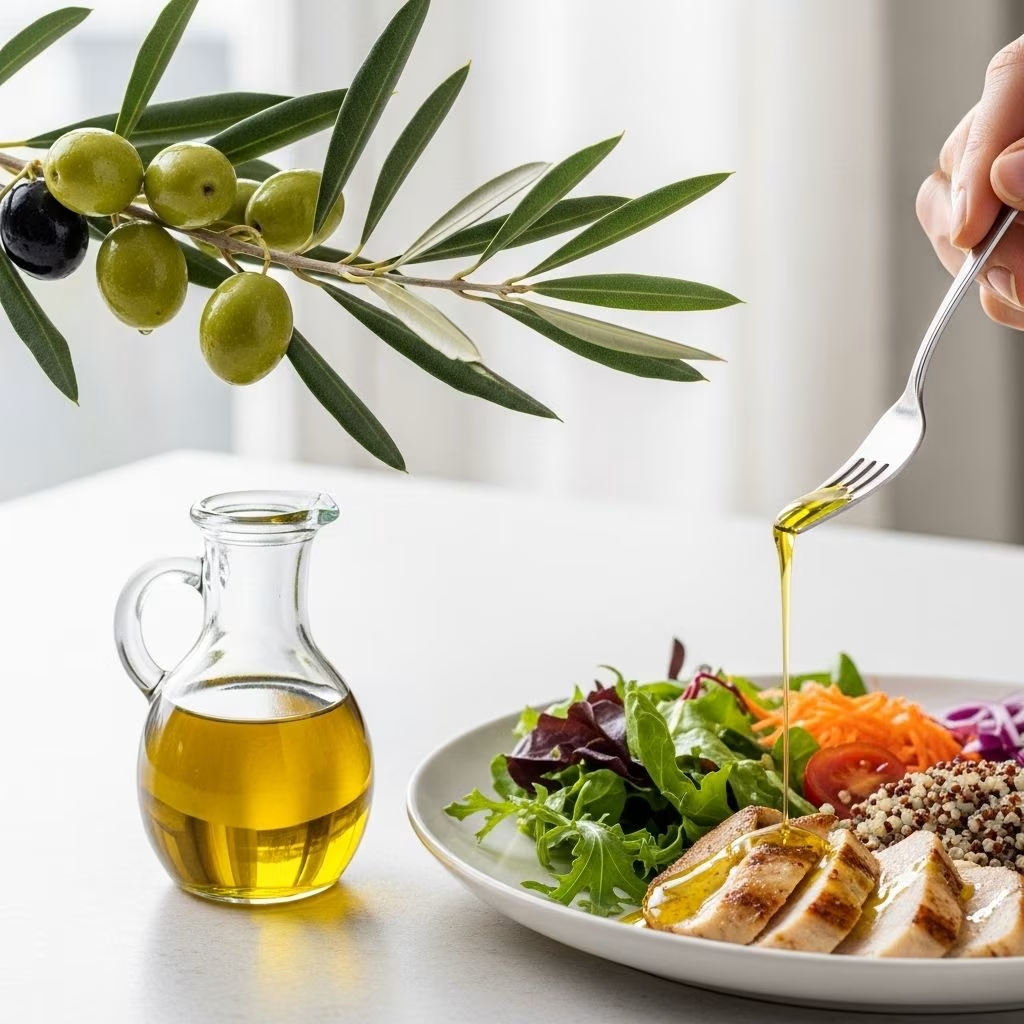
For centuries, olive oil has been a staple of Mediterranean cuisine, acclaimed for its rich flavor and health benefits. But emerging research and expert opinion increasingly suggest that olive oil can also have a profound impact on weight management. If you’re hoping to lose weight without resorting to restrictive fad diets, learning how olive oil can help you feel full and control cravings could provide a sustainable advantage.
The Connection Between Olive Oil and Satiety
One of the biggest hurdles to achieving and maintaining a healthy weight is managing appetite. Caloric restriction can stimulate hunger, leading to cravings and potential overeating. Incorporating certain foods that promote satiety—the feeling of fullness—may make it easier to stick to a reduced-calorie diet. Olive oil, especially extra virgin olive oil (EVOO), appears to be one such food.
- Satiety mechanism: Olive oil is rich in monounsaturated fats, which take longer to digest and may slow gastric emptying, helping you feel fuller for longer periods after meals.
- Appetite control: Studies have shown that consuming olive oil can reduce the urge to snack and help with portion control at subsequent meals.
- Mediterranean staple: People following the Mediterranean diet—rife with olive oil—typically report higher satiety and lower rates of obesity compared to those on low-fat or highly processed diets.
The Science Behind Olive Oil and Weight Loss
Several clinical studies support olive oil’s unique role in promoting fullness and influencing body composition.
- A Pennsylvania State University study found that men who ate mashed potatoes with monounsaturated fat (like olive oil) at lunch felt fuller longer than those consuming the same meal prepared with polyunsaturated fat (corn oil). This resulted in participants eating less during subsequent meals and experiencing decreased cravings.
- Clinical research (2017, PubMed) established that women supplementing an energy-restricted diet with extra virgin olive oil lost significantly more body fat compared to those using soybean oil, even though both groups restricted calories. The EVOO group also saw improvements in blood pressure, suggesting additional health benefits.
| Type of Oil | Weight Loss Over Study Period | Additional Health Benefit |
|---|---|---|
| Extra Virgin Olive Oil | 2.4 kg fat lost | Improved blood pressure |
| Soybean Oil (control) | 1.3 kg fat lost | Less pronounced benefits |
How Olive Oil May Help Control Cravings
Research points to olive oil’s unique ability to signal satiety both through its taste and its physiological effects:
- Delayed stomach emptying: Olive oil may slow the rate at which food leaves your stomach, naturally prolonging the feeling of fullness after a meal.
- Cholecystokinin (CCK) stimulation: Eating olive oil stimulates the gut’s release of the hormone CCK, which signals the brain that your body has consumed enough food and suppresses further appetite.
- Aromas and brain signals: Surprisingly, studies show even the scent of olive oil can signal satiety to the brain. German research demonstrated that when volunteers consumed a snack flavored with fat-free olive oil extract, the mere smell increased activity in brain regions associated with fat consumption, contributing to feelings of satisfaction.
Practical Olive Oil Strategies for Weight Management
Incorporating olive oil into your routine for appetite and weight control doesn’t have to be complicated. Here are some expert-backed strategies:
- Pre-meal olive oil “appetizer”: Some nutritionists recommend consuming a concentrated dose—about two teaspoons of olive oil drizzled on half a slice of bread—15 to 20 minutes before your main meal. This simple ritual can help suppress hunger and curb overeating.
- Bread and olive oil as a mindful starter: Instead of high-calorie restaurant appetizers, opt for a small slice of bread dipped in a measured amount of olive oil. This not only helps moderate portions but also aligns with the Mediterranean practice of savoring food slowly.
- Healthy salad dressings and roasted vegetables: Swap out creamy dressings and butter for olive oil-based dressings or use EVOO to enhance roasted vegetables, grains, and lean proteins.
- Moderate and measure: Because olive oil is calorie-dense (about 40 calories per teaspoon), stick to small, measured amounts—especially if you’re tracking your caloric intake.
Healthy Fats vs. Fad Diets: Why Olive Oil Fits a Sustainable Diet
For years, “fat-free” diets implied that all fats are bad for weight control. However, nutrition science now recognizes that healthy fats are essential:
- Monounsaturated and polyunsaturated fats: Olive oil contains both of these beneficial fats, linked to reduced inflammation, healthier cholesterol levels, and a lower risk of heart disease.
- Sustained energy and mental clarity: Healthy fats, unlike simple carbohydrates, do not spike blood sugar and provide long-lasting fuel for the body and brain.
- Dietary variety: Rather than eliminating entire food groups, a diet inclusive of nutritious fats like olive oil is easier to maintain and more enjoyable long-term.
The Role of Olive Oil in the Mediterranean Diet
The Mediterranean diet—in which olive oil is the primary source of added fat—is celebrated not just for weight management but also for cardiovascular, metabolic, and overall health outcomes:
- Whole foods focus: The diet emphasizes fruits, vegetables, legumes, nuts, fish, whole grains, and generous but controlled use of olive oil.
- Sustainability: Studies have shown that people following Mediterranean-style diets have greater long-term success with weight loss and maintenance than those on restrictive low-fat or highly processed diets, partly due to increased satisfaction and fullness.
- Protective compounds: Olive oil is also rich in antioxidants and vitamins, such as vitamin E and K, which help reduce inflammation and oxidative damage within the body.
How Much Olive Oil Should You Use?
While olive oil has notable health benefits, portion control is essential given its calorie density. Here are some common-sense guidelines:
- Serving size: Limit yourself to about 1–2 tablespoons (3–6 teaspoons) per day, depending on your overall calorie needs.
- Measure carefully: Pouring directly from the bottle can easily result in overuse. Use a measuring spoon or small dish.
- Substitute, don’t just add: When incorporating olive oil, try to replace less healthy fats (such as butter or processed seed oils) to balance your calorie intake.
- Enjoy with nutrient-rich foods: Pair olive oil with fiber-rich vegetables, whole grains, or lean proteins for balanced meals that maximize satiety.
Is Drinking Olive Oil a Good Idea?
Some people advocate drinking small amounts of olive oil for appetite control or digestive health. While research supports the use of olive oil in food, drinking it straight is not universally recommended, as it can be unpalatable and still adds considerable calories. It’s usually better to include olive oil as part of well-balanced meals, such as drizzled on vegetables or used in homemade dressings.
Beyond Weight Loss: Other Health Benefits of Olive Oil
- Heart health: Olive oil may help lower bad LDL cholesterol, promote good HDL cholesterol, and support overall cardiovascular wellness.
- Anti-inflammatory effects: Polyphenols and antioxidants in olive oil can help reduce inflammation, a known risk factor in obesity, aging, and chronic diseases.
- Blood pressure control: Regular EVOO consumption is linked with improved diastolic blood pressure, especially when included in a calorie-restricted diet.
- Diabetes risk reduction: Some studies associate olive oil-rich diets with improved blood sugar control and reduced type 2 diabetes risk.
Tips for Choosing and Storing Olive Oil
- Opt for extra virgin: Extra virgin olive oil is less processed and contains more antioxidants and flavor than refined varieties.
- Check the harvest date: Fresher olive oil retains more beneficial compounds. Look for bottles with a harvest or best-by date.
- Store away from light and heat: Keep olive oil in a cool, dark cabinet in a tightly sealed bottle to prevent oxidation.
- Buy smaller quantities if possible: Olive oil can go rancid over time, so purchase only what you’ll use in a couple of months.
Simple Ways to Use Olive Oil For Weight Loss
- Drizzle over salads: Combine olive oil with lemon juice or vinegar for a quick, healthy dressing.
- Sauté or roast vegetables: Toss with a teaspoon or two of olive oil before roasting for flavor and satiety.
- Use as a bread dip: Replace butter with a measured amount of olive oil for a satisfying bread dip appetizer.
- Add to grains: Stir into quinoa, lentils, or brown rice for richness and aroma.
Frequently Asked Questions (FAQs) About Olive Oil and Weight Loss
Does olive oil make you gain weight if you eat too much?
Like all fats, olive oil is calorie-dense. Consuming large, unmeasured quantities may add excess calories and hinder weight loss. But in moderation, particularly when replacing unhealthy fats, it can support weight control and overall health.
Is extra virgin olive oil better than regular olive oil?
Yes. Extra virgin olive oil retains more polyphenols, vitamins, and antioxidants because it undergoes minimal processing. It’s also more flavorful and a better choice for healthful diets.
Can you drink olive oil to lose weight?
While some experts suggest that a small amount of olive oil before a meal can help with satiety, most nutritionists recommend including it as part of meals rather than drinking it straight. It’s best to savor olive oil with other nutrient-rich foods.
What’s the best way to use olive oil for appetite control?
Try the 2-teaspoon pre-meal method: drizzle olive oil on a half slice of bread and enjoy it 15–20 minutes before eating. Alternatively, use it in dressings or dips to start your meal mindfully.
How quickly will I notice the effects on appetite?
Some people report reduced cravings and improved fullness almost immediately, while others may need to consistently substitute olive oil for less healthy fats over several weeks to notice digestive and appetite benefits.
References
- Clinical study on olive oil and weight loss effectiveness. (See PubMed, 2017)
- Penn State research on dietary fats and satiety. (See Prevention)
- German study on olive oil aroma and fullness. (See American Journal of Nutrition via Prevention)
- Comparative reviews of Mediterranean and fad diets. (See Brightland)
References
- https://pubmed.ncbi.nlm.nih.gov/28808791/
- https://www.prevention.com/weight-loss/a20437681/olive-oil-and-weight-loss/
- https://www.prevention.com/weight-loss/a20459603/the-crazy-way-olive-oil-helps-you-lose-weight/
- https://brightland.co/blogs/field-notes/olive-oil-for-weight-loss
- https://www.prevention.com/weight-loss/g24805401/fat-burning-foods/
- https://www.prevention.com/health/memory/a44664405/olive-oil-linked-to-lower-risk-dementia-dying-study/
- https://www.prevention.com/weight-loss/
- https://www.prevention.com/weight-loss/a30188568/lose-weight-without-exercise-0/
- https://www.prevention.com/weight-loss/diets/a63174975/best-diets-for-weight-loss-2025/


