


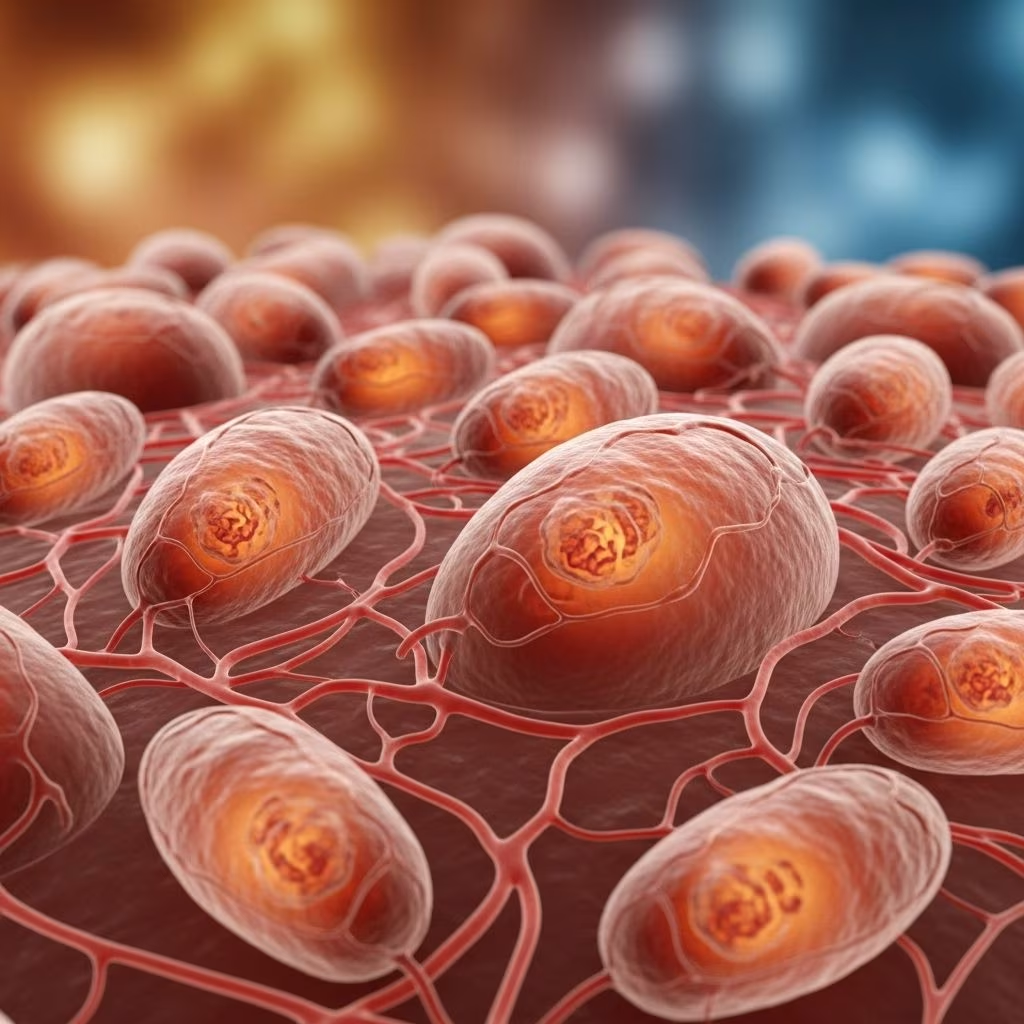
What Is Brown Fat and Why Does It Matter?
Brown fat – also called brown adipose tissue (BAT) – is a special type of body fat that is widely recognized for its remarkable ability to burn calories and create heat, especially when the body is exposed to cold temperatures. Unlike white fat, which stores excess energy, brown fat acts like a built-in furnace, supporting metabolism and, potentially, assisting with weight management.
Researchers only discovered in recent years that adults retain significant deposits of brown fat. This discovery sparked intense interest as scientists realized that, if brown fat can be harnessed, it might hold the key to addressing challenges such as obesity and related metabolic disorders.
What Makes Brown Fat Unique?
- Brown fat burns calories to generate heat, whereas white fat stores calories as energy reserves for later use.
- Color and structure: Brown fat is packed with mitochondria (the cell’s power plants), which contain iron and give the tissue its characteristic brown hue.
- Location: In humans, brown fat is found along the neck, around the shoulders, and near the spinal cord.
- Function: It is activated by cold and can significantly increase daily calorie expenditure.
How Brown Fat Combats Obesity
Most of our body fat is white fat, which accumulates when we eat more calories than we burn. In contrast, brown fat actively burns calories—even at rest—to maintain body temperature. Recent research estimates that the average adult has roughly fifty grams of brown fat, which, if fully activated, could burn up to several hundred calories a day—enough to potentially shed several pounds of fat annually with no change in diet or exercise.
Individuals with higher amounts of brown fat tend to be leaner. Studies in mice genetically modified to have more brown fat show that they remain slimmer, even on a high-calorie diet, compared to those with less brown fat. While direct causality in humans remains under investigation, the metabolic impact is clear.
How Does Brown Fat Burn Calories?
Brown fat is activated primarily when the body is exposed to cold environments. Upon activation, a specialized protein called uncoupling protein 1 (UCP1), found in brown fat mitochondria, allows these cell powerhouses to generate heat instead of storing energy. This process is called non-shivering thermogenesis.
- When triggered by cold, brown fat breaks down glucose and fatty acids from your bloodstream, helping to regulate both blood sugar and lipid levels.
- Brown fat also processes amino acids like branched-chain amino acids (BCAAs), further supporting healthy metabolism and potentially lowering diabetes risk.
- This process not only heats the body but wastes calories as heat output—making brown fat a key player in energy expenditure.
The Science: Brown Fat’s Additional Benefits
Emerging studies show that brown fat is about more than warmth—it’s metabolically dynamic, offering several potential health advantages:
- Improved insulin sensitivity: Activation of brown fat can help improve how your body handles sugar, potentially reducing the risk of type 2 diabetes.
- Cholesterol regulation: By burning fats in the bloodstream, brown fat helps manage cholesterol levels.
- Protection against obesity: By increasing resting energy expenditure, brown fat helps buffer the body against weight gain.
- Metabolic resilience: Studies hint that having more active brown fat might improve your body’s response to metabolic stress.
Brown Fat in Adults: More Than Just for Babies
For decades, scientists thought that brown fat disappeared after infancy, as adults seemed to rely on muscle-based shivering to stay warm. However, modern imaging techniques revealed patches of brown adipose tissue along the spines and necks of adults, even those in middle or late adulthood.
While infants need brown fat because they lack enough muscle for shivering, adults’ brown fat can still be activated under the right conditions. This offers a new avenue for potential therapies—stimulating and expanding brown fat stores.
How Much Brown Fat Do We Have?
The amount of brown fat in adults varies widely. Some people possess larger deposits, while others have less or nearly none. Estimates suggest that if a person with about 50 grams of brown fat could keep it fully activated, they might burn an extra 300-500 calories per day—enough to prevent or reverse gradual weight gain over the years.
Genetics, age, sex, and lifestyle all influence how much brown fat you have and how easily it’s activated. Women, younger individuals, and those with a lower body mass index tend to have more active brown fat.
Can You Activate or Grow More Brown Fat?
One of the most exciting areas of brown fat research revolves around the question: Can we stimulate brown fat to help people lose weight or improve metabolic health? Scientists are exploring several strategies to naturally activate or even increase brown fat stores in adults.
1. Cold Exposure
Spending time in cool environments is the most reliable way to activate brown fat. In studies, regular exposure to cold—such as cool rooms, ice packs, or even cold showers—can increase both the activity and quantity of brown fat over time.
- Sleeping in a cooler bedroom (around 66°F/19°C) increases brown fat activity and calorie burning over weeks.
- Brief, frequent cooling sessions—for example, placing a cold pack on the upper back and neck—can jumpstart brown fat metabolism.
- Outdoor winter sports or walks in chilly air similarly activate brown fat.
2. Diet and Lifestyle Factors
- Exercise: Vigorous exercise may release hormones that signal the body to convert white fat into brown-like fat, referred to as “beige fat.” This process could help boost overall calorie burning.
- Spicy foods: Capsaicin, the compound that makes chili peppers hot, may mildly activate brown fat and increase metabolism.
- Healthy sleep: Proper sleep supports hormones involved in brown fat regulation and may encourage its activity.
3. Possible Pharmacological Approaches
Researchers are investigating drugs and natural compounds that mimic cold or otherwise stimulate brown fat. While promising, these approaches are still in experimental stages and require more human studies for safety and efficacy.
Brown Fat vs. White Fat: Core Differences
| Feature | Brown Fat (BAT) | White Fat (WAT) |
|---|---|---|
| Main function | Burns calories to produce heat | Stores extra energy as fat |
| Location | Neck, shoulders, spine (adults) | Throughout body, especially abdomen, hips, thighs |
| Color | Brown, due to mitochondria-rich cells | White or yellowish |
| Activation | Triggered by cold, certain foods/hormones | Increases through calorie surplus |
| Health impact | Boosts metabolism, helps control blood sugar | Excess amounts linked to obesity/metabolic diseases |
How Do Scientists Study Brown Fat?
Much of what we know about brown fat comes from groundbreaking research in both mice and humans:
- Imaging studies: PET/CT scans can detect areas in the human body that heat up during cold exposure, correlating with brown fat activation.
- Metabolism studies: Researchers measure blood markers, temperature, and oxygen consumption before and after cold exposure or other brown fat stimuli.
- Genetic models in animals: Mice engineered to possess more or less brown fat provide insight into its effects on weight and metabolism.
In one study, young men with more brown fat activity burned more glucose and fatty acids after exposure to cold, indicating greater calorie waste as heat—a mechanism that could help resist weight gain.
Is Brown Fat the Magic Bullet for Weight Loss?
While brown fat offers a compelling biological target for increasing metabolism, it is no magic bullet. Its calorie-burning capacity is significant but not infinite. You still need to balance calorie intake and physical activity for sustainable weight loss. However, activating brown fat may make the process easier and improve overall metabolic health.
Maximizing brown fat activity can:
- Enhance calorie burning at rest
- Support blood sugar and lipid control
- Potentially lower the risk for diabetes and heart disease
For most people, stimulating brown fat can be a valuable addition to proven lifestyle strategies like mindful eating, regular physical activity, and quality sleep.
Frequently Asked Questions (FAQs) About Brown Fat
Q: Is brown fat safe to activate in everyone?
A: For healthy adults, stimulating brown fat by mild cold exposure or dietary strategies is generally safe. However, those with cardiovascular conditions or sensitivity to cold should consult a healthcare provider before deliberately exposing themselves to cold environments.
Q: Can I “turn white fat into brown fat?”
A: Some white fat cells can become “beige” cells when exposed to cold or certain hormones, gaining similar properties to brown fat. This process—sometimes called “browning”—can enhance your calorie-burning potential, but the effect may vary between individuals.
Q: How much weight can I lose by activating brown fat?
A: Brown fat can help you burn several extra hundred calories per day if adequately activated, translating to modest but meaningful weight loss over time. It works best alongside healthy diet and exercise habits.
Q: Are there supplements or medications that can boost brown fat?
A: While some compounds (such as capsaicin and certain experimental drugs) may stimulate brown fat, most are still under research. No supplement or medication is currently approved exclusively for brown fat activation in humans.
Q: Who has the most brown fat?
A: Infants have the greatest amount of brown fat, but adults also retain this tissue, especially those who are leaner, younger, and female. Aging, obesity, and sedentary lifestyles reduce brown fat stores and activity.
Tips to Naturally Boost Brown Fat Activity
- Embrace brief cold exposure: Lower your thermostat, take brisk walks in cool weather, or use a chilled towel on the back of your neck.
- Stay active: Exercise, especially resistance and aerobic training, can promote the browning of white fat and stimulate beneficial hormones.
- Enjoy spicy foods: Add chili peppers or cayenne to your meals for a mild metabolic boost.
- Get enough sleep: Good sleep hygiene helps regulate the hormones that support brown fat activity.
References
- NIH: How brown fat improves metabolism
- Howard Hughes Medical Institute: Why is brown fat “good fat” for metabolism?
- UCSF: Brown fat research heats up, fuels dreams of weight loss
The Promise of Brown Fat
Brown fat research is revolutionizing our understanding of metabolism and weight management. While there is no one-size-fits-all solution, optimizing brown fat activity may soon become a cornerstone of science-based approaches to lifelong weight control and metabolic health.
References
- https://scitechdaily.com/new-brown-fat-pathway-could-make-weight-loss-easier-to-maintain/
- https://www.hhmi.org/news/why-brown-fat-good-fat-metabolism
- https://www.ucsf.edu/news/2011/09/103912/brown-fat-research-heats-fuels-dreams-weight-loss
- https://www.nih.gov/news-events/nih-research-matters/how-brown-fat-improves-metabolism
- https://www.aging-us.com/news-room/brown-fat-boosts-exercise-performance-and-promotes-healthy-longevity
- https://www.nih.gov/news-events/nih-research-matters/drug-activates-brown-fat-improves-glucose-metabolism-healthy-women
- https://www.healthline.com/health/brown-fat
- https://www.jci.org/articles/view/175282
- https://health.ucdavis.edu/news/headlines/can-brown-fat-cells-combat-obesity-/2023/04


