


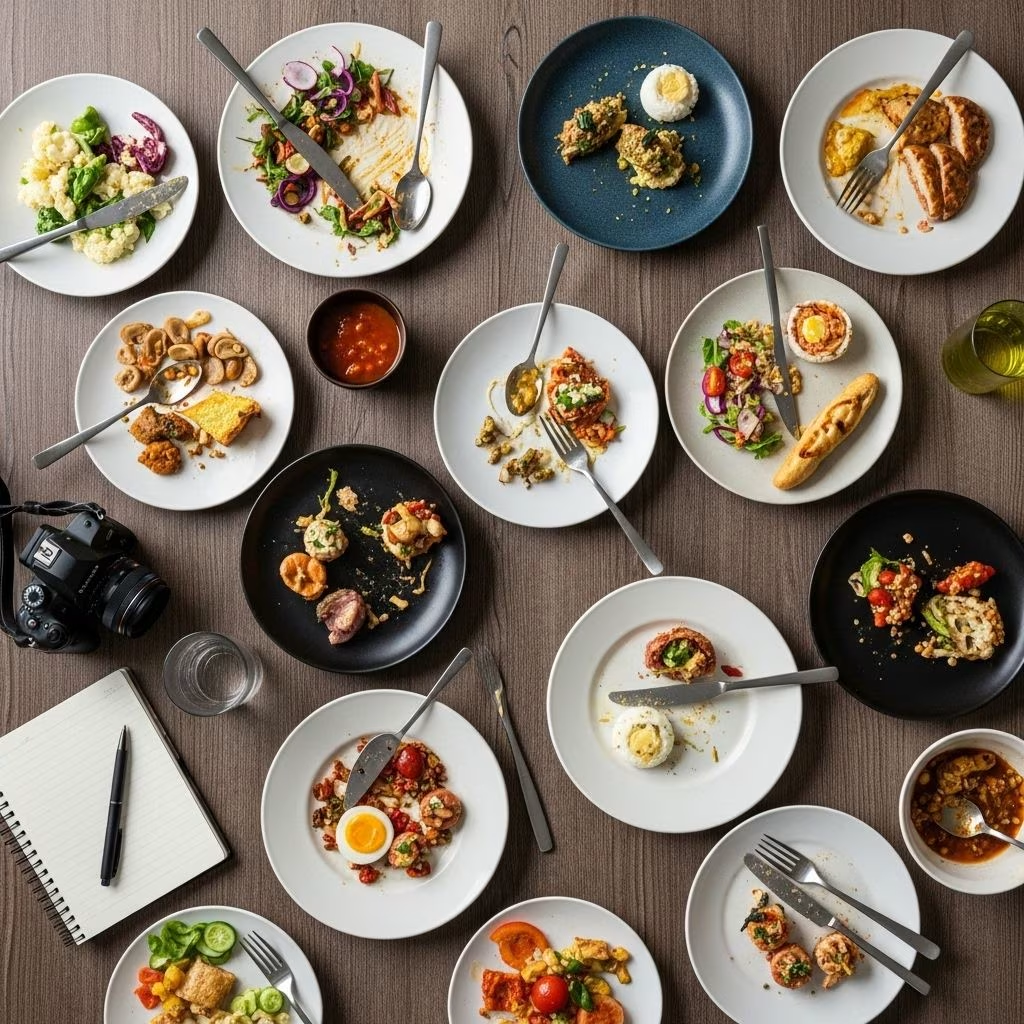
What I Learned Photographing Every Meal for a Month
Tracking what you eat is often recommended by nutritionists, but what happens when you take it a step further and photograph every single meal? Here’s what a month-long visual food diary experiment revealed about waste, weight, and self-awareness.
Why Try a Visual Food Diary?
If you’ve read anything about nutrition or weight loss, you know experts consistently advise keeping a food diary. Writing down your meals is praised for helping people lose weight, identify patterns, spot food sensitivities, and—sometimes—transform their relationship with eating. But what if you swapped the pen for your phone camera?
Inspired by the era of Instagram and endless food pics, I decided to photograph every
single thing I ate for a month, not just for online validation, but to see if this approach would help me become more aware of my habits. Here’s what I found after 31 days of being that person taking food photos everywhere, and how the visual record went far beyond my expectations.
How Shooting My Meals Helped Me Waste WAY Less Food
Few things feel worse than tossing spoiled groceries in the trash. Like many, I cringe at wasted produce, even if I try to compost or salvage old fruit in banana bread. According to experts, the average American household wastes $640 a year just on uneaten food. For me, fruit—especially apples—was always tricky; I never knew how much to buy, so some would inevitably go bad.
- Visual Patterns: After reviewing a month’s worth of food photos, I finally realized exactly how many apples I eat. My “scientific method”—blurry phone pictures—revealed I eat 14 apples over four weeks.
- Smarter Shopping: Now I buy seven apples per biweekly grocery trip. This may not work for every month, but it slashed my waste and made shopping faster.
- Fridge Equilibrium: By consciously tracking what perishes and what gets finished, my fridge stayed stocked, but never overflowing. The visual evidence kept impulse purchases in check.
This simple trick brought a sense of balance and reduced the guilt and money lost to food waste.
A Surprising Effect: Losing Four Pounds
The big question: Can a food photo diary help with weight loss? For me, the scale showed an unexpected but real loss of four pounds in one month. I started this challenge at a healthy weight and didn’t aim to shed pounds, but the process made a clear difference.
| Aspect | Before | After |
|---|---|---|
| Average weekly snacks | Random, frequent | Less impulsive, more thoughtful |
| Emotional eating | Frequent, untracked | Spotted and reduced with visual cue |
| Food waste | High | Significantly reduced |
| Mindful moments | Rare while eating | Each meal a pause to reflect |
While snapping a picture only took ten seconds, it added a powerful pause before every bite. It forced a simple, but critical question:
Why am I eating this?
Sometimes, the answer was ordinary: hunger, routine, or convenience. Other times, I realized I wanted to eat simply because free food was available, or because I was bored or upset. The act of photographing each bite acted as a speed bump, snapping me out of autopilot eating. I occasionally skipped unnecessary snacks just from this interruption.
Food Photography Revealed My Emotional Eating
The quality of my food photos gave away more than what I’d eaten—they mirrored my mood. Beautiful shots of homemade strawberry-basil water reflected pride and care. On the other hand, a hurried snap of two chocolate donuts at 11 PM felt like a confession. I ate those donuts to comfort myself after a bad day, then recoiled from the visual reminder. The photo diary became a mirror—not just for my meals, but for my feelings.
- Positive reinforcement: I shared more photos of meals that made me feel proud—beautiful, nourishing foods made to savor.
- Accountability: Unhealthy late-night snacks or emotional eating looked especially unappetizing, making me reconsider them the next time.
- Emotional patterns: A month’s record showed exactly when and why I reached for treats, helping me spot triggers for overeating.
How the Habit Changed My Relationship With Food
What began as an experiment in food photography evolved into something entirely different: mindful eating. By the end of the month (and more than 100 food photos later), I was pausing before each meal—whether I photographed it or not—to ask, “Why am I eating this?” That self-check kept me tuned in to true hunger signals and helped me savor meals that really mattered.
Now, the act of pausing—and the awareness it brings—remains long after the camera is put away. My relationship with food shifted from autopilot to intentionality, and I’ve never felt more in control.
Getting Started With Your Own Food Photo Diary
- Use your everyday phone camera. No need for fancy equipment—what matters is consistency.
- Snap everything, no exceptions. Even the midnight snacks and meals you’re embarrassed by. The value is in honesty.
- Review photos weekly. Look for patterns: What foods are you proud of? When do you eat mindlessly?
- Track perishable items for food waste reduction. Notice which groceries run out and which spoil. Adjust your shopping lists accordingly.
Lessons Learned From a Month of Meal Photos
The most profound shifts weren’t on the scale. Here’s what stood out:
- Food waste dropped dramatically. Visual catalogs made it easy to buy just what I’d use.
- I learned my true eating triggers. Emotional eating and impulse snacks became visible.
- Mindful pauses led to better choices. Snapping a photo before eating created a gap to ask why I was hungry.
- It strengthened my self-awareness. I became more in tune with my body’s needs and less likely to eat on autopilot.
- The practice is adaptable long-term. Even after stopping the photo habit, the awareness lingers.
Small Steps For Your Own Mindful Eating Practice
- Don’t worry about perfect photography. It’s a tool for you, not social media.
- After each meal, take time to reflect: Did I eat because I was hungry or out of habit?
- Pick one perishable item to track if you want to reduce waste and save money.
- Set a reminder to review your food photos at the end of each week—the patterns might surprise you!
Frequently Asked Questions (FAQs)
Will photographing my food help me lose weight?
For many people, adding a conscious pause (like taking a picture) before eating can reduce mindless snacking and lead to healthier choices. Some, like the author, have experienced modest weight loss, though results vary by individual.
Is a food photo diary better than a written food journal?
While both methods promote awareness, a visual record is immediate and can reveal portion sizes or repeated meals at a glance. Many people find photos more engaging and easier to maintain, especially in the digital age.
How did photographing food reduce waste?
By seeing exactly what you eat—and what you never finish—you can buy just what you’ll use, reducing the chance of food expiring before you get to it. Shopping gets more targeted, and fridge clutter shrinks.
What about the risk of obsessing over food appearance?
The intention should be mindfulness, not perfection. Snap honest, real photos, whether a meal is pretty or not. The point is to build awareness, not shame.
Do I have to keep taking photos forever?
Not at all—most people find the habit shifts their awareness after only a few weeks. Even after stopping, the lessons tend to linger, leading to lasting, positive changes in how you approach meals.
Quick Tips for Reducing Food Waste Through Meal Tracking
- Keep recurring perishables on your list—track how many you use in two weeks, and shop accordingly.
- Be realistic: Life varies month to month, but general patterns persist.
- Repurpose leftovers into new meals—review your photos for inspiration.
- Compost anything you can’t finish, and set reminders to eat items approaching their expiration.
How a Visual Food Diary Compares to Other Awareness Strategies
| Method | Pros | Cons |
|---|---|---|
| Written food diary | Detailed, tracks mood and portions | Easy to forget or fudge information; time-consuming |
| App-based calorie tracker | Automated analysis, nutritional guidance | Can feel rigid; focus on numbers, not mindfulness |
| Photo diary | Fast, visual, reveals patterns at a glance | Less detail on nutrition unless paired with notes |
Why Mindfulness Is the Secret Ingredient
Whether you use photos, written notes, or an app, the real benefit of meal tracking is mindfulness. Each tool offers a way to step back from routine, to notice your choices, and to celebrate—or gently correct—the patterns you uncover.
If you want to make food waste a thing of the past, feel more satisfied at meals, or finally understand why that snack drawer empties by Friday, try photographing your food for a month. You just might find, as I did, that the most meaningful transformations aren’t in your camera roll, but in your relationship with every bite.
References
- https://www.prevention.com/weight-loss/g20438484/i-photographed-everything-i-ate-for-a-month/
- https://www.prevention.com/food-nutrition/a20517400/no-sugar-challenge/
- https://www.prevention.com/food-nutrition/a20451779/i-stopped-eating-eggs-for-2-weeks-and-here-s-what-happened/
- https://www.prevention.com
- https://www.prevention.com/food-nutrition/healthy-eating/a63423411/foods-you-should-not-eat/
- https://www.prevention.com/fitness/g20438552/i-did-yoga-every-day-for-a-month/
- https://www.prevention.com/health/a39458783/medical-mystery-sibo/
- https://www.prevention.com/health/health-conditions/a37011991/my-diagnosis-mary-machica-cushings-disease/
- https://www.prevention.com/food-nutrition/healthy-eating/a63457748/foods-ingredients-that-cause-inflammation/


