


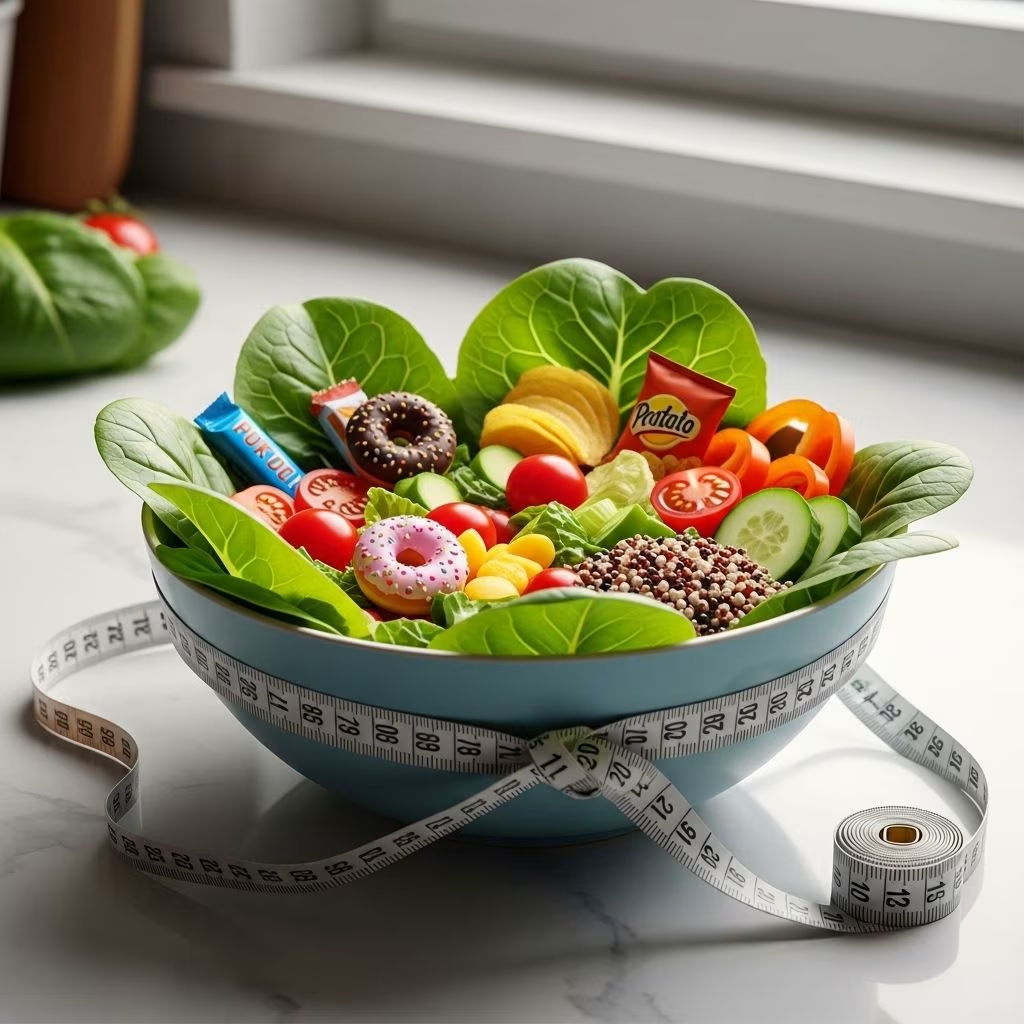
Many people struggling to lose weight put their faith in popular diet foods, hoping for quick results. Yet, surprisingly, some of these so-called ‘health foods’ could be stalling your weight loss or even causing you to gain weight. This article uncovers the most common diet foods that secretly sabotage your goals and offers healthier alternatives for sustainable results.
Why Diet Foods Can Wreck Your Weight Loss
Food packaging and advertising are designed to make products look healthy, but the truth is often buried in the ingredient list. Many low-fat, low-calorie, or ‘diet’ foods contain hidden sugars, excessive sodium, unhealthy fats, and additives that can disrupt your metabolism and hunger signals. Understanding which foods frequently mislead dieters is crucial for long-term success.
Surprising ‘Diet’ Foods That Can Impede Weight Loss
- Artificially Sweetened Beverages and Diet Sodas
- Fruit Juices and Smoothies
- Pre-packaged Low-Fat or Fat-Free Snacks
- Baked ‘Healthy’ Snacks
- Granola and Snack Bars
- Flavored Yogurts
- Veggie Chips and Veggie Dips
- Dried Fruits
- Flour Tortillas and Wraps
- Processed ‘Lean’ Frozen Meals
- Energy and Protein Bars
- Fast Food Salads and Healthy Menu Items
Artificially Sweetened Beverages and Diet Sodas
Though diet sodas and artificially sweetened drinks are marketed as healthy, calorie-free alternatives, they may still impact your weight loss journey.
- Appetite Disruption: Artificial sweeteners can trick your body into anticipating sugar, causing acute insulin release and increasing hunger, cravings, and fat storage in some people.
- Metabolic Effects: Regular consumption of sugar substitutes has been linked to an increased risk of weight gain, type 2 diabetes, metabolic syndrome, and heart disease.
[Scripps]
Better Choice: Replace diet sodas with sparkling water flavored with fresh fruit or a splash of 100% juice. If you miss the fizz, kombucha with no added sugar is another fermented, healthier alternative.
Fruit Juices and Smoothies
Many believe that fruit juices and smoothies are synonymous with health, but this can be misleading.
- High Sugar Content: Even freshly squeezed juice is often packed with natural sugars that affect blood sugar and insulin levels the same way added sugars do. Smoothies made with multiple fruits can deliver over 50 grams of sugar per serving.
- Low Satiety: Because these drinks lack fiber and require little digestion, your body may not register fullness, leading you to eat more later.
[Mount Sinai, Scripps]
Better Choice: Eat whole fruits instead of juicing or blending them. If you do make smoothies, use a higher ratio of vegetables, add a source of protein, and keep portion sizes in check.
Pre-Packaged Low-Fat or Fat-Free Snacks
Snacks labeled ‘low-fat’ or ‘fat-free’ may not be the friends they seem.
- Hidden Sugars and Additives: To make up for the loss of flavor when fat is removed, manufacturers often add more sugar, salt, or artificial ingredients.
- Overeating Risk: The ‘diet’ label can give a false sense of security, leading to overeating.
[Texas Health, Scripps]
Better Choice: Choose whole, minimally processed snacks such as fresh fruit, plain popcorn, plain Greek yogurt, or nuts in moderation.
Baked ‘Healthy’ Snacks
Items like baked chips, pretzels, or low-calorie cookies often appear healthy but can hinder your progress.
- Starch and Sugar: Baked snack foods are frequently high in refined flour and added sugars, causing rapid spikes and dips in blood sugar and increased hunger.
- Trans Fats and Additives: Some commercially baked goods use trans fats (even in small amounts) that are linked with greater risks for obesity and cardiovascular disease.
[Medical News Today]
Better Choice: Opt for homemade snacks using whole-food ingredients, such as roasted chickpeas, air-popped popcorn, or baked sweet potato slices.
Granola and Snack Bars
Granola, protein, and snack bars are marketed for convenience and ‘health’, but most of them are sugar and calorie dense.
- Sugar Traps: Many bars contain syrups, honey, chocolate chips, and dried fruit sugars. Even a small bar can deliver over 200 calories and more sugar than a small can of soda.
- Low Satiety: Highly processed with little fiber or protein, these bars often fail to keep you full.
[Scripps, Medical News Today]
Better Choice: If you need a portable snack, choose bars with minimal ingredients and under 5g of sugar, or snack on a small handful of nuts and a fresh fruit.
Flavored Yogurts
Yogurt is commonly thought of as a healthy breakfast or snack, but flavored varieties can be sneaky sugar bombs.
- Hidden Sugars: Many flavored yogurts contain up to 20 grams of added sugar per serving. Fat-free yogurts often contain even more sugars to enhance taste.
- Artificial Flavors: Watch out for sweetened fruit-on-the-bottom and dessert-inspired yogurts.
[Texas Health]
Better Choice: Opt for plain Greek yogurt and add your own diced fruit or a dash of cinnamon for sweetness and flavor without extra sugar.
Veggie Chips and Veggie Dips
Veggie chips and processed dips often sound healthy but are highly processed and nutritionally lacking.
- Starch and Salt: Many veggie chips use potato starch or corn as the primary ingredient, with minimal actual vegetables and plenty of sodium.
- Cream-Based Dips: Store-bought veggie dips may be packed with calories, unhealthy fats, and preservatives.
[Scripps]
Better Choice: Slice real vegetables and pair them with hummus or homemade Greek yogurt dip for crunch and satisfaction.
Dried Fruits
Dried fruits concentrate all the sugar of whole fruit into a small package, making it easy to overeat.
- High Natural and Added Sugar: Raisins, cranberries, and other dried fruits can contain as much as 25 grams of sugar per small handful, especially if sweetened after drying.
- Low Satiety: Easy to snack on mindlessly, adding up calories quickly.
[Mount Sinai]
Better Choice: Enjoy fresh whole fruits for more fiber, water content, and volume, which help fill you up on fewer calories.
Flour Tortillas and Wraps
Marketed as a solution for sandwiches, many wraps or tortillas are just as high in calories and carbs as a couple of slices of bread—sometimes higher.
- Refined Carbohydrates: White flour tortillas are processed carbohydrates that can spike blood sugar much like white bread.
- Oversized Servings: Large wraps can contain 250 calories or more before you add any fillings.
[Scripps]
Better Choice: Choose small, whole-grain tortillas or skip the wrap altogether by using lettuce leaves or collard greens instead.
Processed ‘Lean’ Frozen Meals
Convenience meals labeled ‘lean’ or ‘healthy’ are often ultra-processed and high in sodium.
- Low in Nutrients: While lower in calories, these meals can lack the protein, healthy fat, and fiber needed for satiation.
- High in Sodium and Preservatives: Excess sodium encourages water retention and may increase blood pressure.
[Texas Health]
Better Choice: Prepare simple meals in bulk, using whole ingredients and healthy seasonings, then freeze your own portions.
Energy and Protein Bars
Intended for athletes and dieters alike, energy and protein bars may be loaded with sugars, artificial flavors, and unfamiliar additives.
- Calorie Dense: It is easy to eat several hundred calories in just a few bites, which may be more appropriate for athletes than dieters.
- Unfamiliar Ingredients: Sugar alcohols and emulsifiers can upset digestion and don’t support GT health.
[Texas Health]
Better Choice: Choose bars with short ingredient lists, ideally less than 7g sugar and at least 4g fiber, or fuel naturally with hard-boiled eggs and fresh vegetables.
Fast Food Salads and ‘Healthy’ Restaurant Menu Items
Salads from fast food chains or restaurant ‘light’ menus can contain more calories than a burger, especially when drowning in creamy dressings, crispy toppings, and sweetened nuts.
- Hidden Calories: Ingredients like bacon bits, cheese, croutons, and heavy dressings add up fast.
- Added Sugars: Glazed nuts, dried fruits, and commercial vinaigrettes frequently contain surprising amounts of sugar.
[Medical News Today]
Better Choice: Make salads at home or order them with dressing on the side. Stick to grilled proteins, plenty of greens, and skip fried toppings.
Other Common Weight-Loss Food Pitfalls
- Skipping Meals, Especially Breakfast: Missing meals can slow metabolism, increase cravings, and set you up for overeating later in the day.
[NM.org] - Fad Diets that Cut Entire Food Groups: Extreme restriction is unsustainable and often leads to nutrient deficiencies and rebound weight gain.
- Nutritional Labels: Claims like “Light”, “Fat-Free”, or “Organic” do not always mean a product is low calorie or healthy. Always read ingredient lists.
[Texas Health] - ‘Cheat Days’: Rewarding yourself with unrestrained days off can wipe out a week of progress.
[South Texas Med] - Overdoing Healthy Fats and Nuts: While nutritious, these are calorie-dense and easy to overeat.
Common Diet Foods Comparison Table
| Food | Why It Sabotages | Healthier Swap |
|---|---|---|
| Diet Soda | Artificial sweeteners disrupt appetite and may raise cravings | Sparkling water with fruit |
| Fruit Juice/Smoothie | High sugar, little fiber, quick digestion | Whole fruits, veggie-based smoothie |
| Pre-packaged Low-Fat Snacks | Hidden sugars, low satisfaction | Fresh fruit, plain nuts |
| Granola Bars | High sugar and calories, low protein | Homemade, low-sugar bars, fruit and nuts |
| Baked Veggie Chips | Mostly starch, little vegetable content | Raw sliced veggies, air-popped popcorn |
Frequently Asked Questions (FAQs)
Q: Are all packaged healthy snacks bad for weight loss?
A: Not all are bad, but many pre-packaged snacks marketed for dieting rely on processed ingredients and added sugars. Always read the label and choose options with simple ingredients and low added sugar.
Q: Is it ever okay to eat fruit juice or flavored yogurt?
A: Occasionally having juice or flavored yogurt is fine, but they should be treats, not daily staples. Opt for whole fruits and plain yogurt most of the time.
Q: How can I tell if a ‘diet’ food has hidden sugars?
A: Check the nutrition facts for total sugar content and inspect the ingredient list for syrup, fructose, agave, cane sugar, or anything ending in “-ose.”
Q: If low-fat foods aren’t ideal, should I eat full-fat?
A: Full-fat foods can be more satisfying and less processed, but portion size matters since they are calorie-dense. Moderation is key.
Q: Are protein bars safe for dieting?
A: Many protein bars are high in sugar and additives and meant for athletic recovery. Use them only as occasional meal replacements or snacks, and choose bars with minimal processing and low sugar.
Final Tips for Smarter Dieting
- Base your meals around whole foods: fruits, vegetables, lean proteins, whole grains, and modest amounts of healthy fats.
- Cook at home whenever possible to control ingredients, portions, and quality.
- Read labels carefully and question any health claims on the front of the package.
- Focus on long-term habits, not quick fixes or extreme restriction.
- If in doubt, consult a registered dietitian for personalized guidance.
By learning to spot hidden saboteurs and making informed choices, you can outsmart the diet food myths and build a pattern of eating that supports lasting weight loss and wellness.
References
- https://www.nm.org/healthbeat/healthy-tips/nutrition/six-pitfalls-that-might-be-sabotaging-your-weight-loss
- https://www.texashealth.org/Health-and-Wellness/Bariatrics/What-is-Sabotaging-Your-Weight-Loss
- https://www.scripps.org/news_items/4599-are-these-5-diet-foods-ruining-your-weight-loss-goals
- https://southtexasmed.com/7-ways-you-may-be-sabatoging-your-diet/
- https://health.mountsinai.org/blog/five-healthy-habits-that-may-be-sabotaging-your-weight-loss-efforts/
- https://www.medicalnewstoday.com/articles/324564
- https://www.prevention.com/weight-loss/a20436600/diet-foods-that-sabotage-weight-loss/
- https://news.emory.edu/stories/2014/03/ehc_four_foods_sabotag_weight_loss/campus.html
- https://www.youtube.com/watch?v=j4HckKOWREI


