


What Happened When I Stopped Counting Calories
For much of my adult life, calorie counting was my go-to strategy for weight management. At times, it felt like a necessary discipline; other times, it was a tedious, guilt-inducing chore. After more than a decade oscillating between strict logging and rebellious ‘diet breaks,’ I finally decided to set the food scale and calorie apps aside last summer. In this article, I share what happened when I stopped tracking every bite—and how I found a healthier, happier relationship with food.
Reflecting on Years of Counting Calories
By the age of thirty, I had spent close to fifteen years in a cycle of lose-gain-track-repeat. My calorie tracking methods evolved with technology: from notebook scribbles to sophisticated apps and programs like Weight Watchers. The logic was clear—a calorie deficit equals weight loss. But progress was always overshadowed by the relentless pressure of logging, the feeling of failure after a slip, and the underlying obsession with numbers.
- Tracking calories provides visibility but can make eating feel mechanical.
- The pressure to “stick to plan” often leads to guilt and anxiety.
- Relying on numbers can overshadow true hunger signals and food enjoyment.
Why I Decided to Stop
After another round of renewed commitment to calorie tracking, lasting four strenuous months, I hit a wall. Every meal became an arithmetic task; every snack was preceded by a mental calculation. Rather than feeling empowered, I was growing fatigued and frustrated. Fearing weight gain but exhausted by the process, I decided to quit counting and see what would transpire.
- I worried I’d lose control without calorie numbers as a guide.
- I felt guilt for not persevering with a method I believed I “should” follow.
- I hoped to discover if another approach could offer peace with food and sustainable results.
Early Concerns and Surprising Discoveries
Initially, the absence of numbers on screen or in a food diary was unsettling. Would my weight spiral? Would mindless snacking sabotage my goals? But as weeks passed, I began finding unexpected benefits.
- I tuned into how foods actually made me feel—energized or sluggish, satisfied or hungry.
- I rediscovered the flavors, textures, and enjoyment of real food without obsessing over exact calorie counts.
Lesson 1: Nutrient Quality Over Number Crunching
Letting go of calorie counting shifted my focus from quantity to quality. While I always understood that apples and ice cream differ beyond caloric value, the constant tallying made it tempting to swap nutritious meals for processed snacks as long as they “fit my macros.” When I quit tracking, my choices became much more mindful and nutrient-driven.
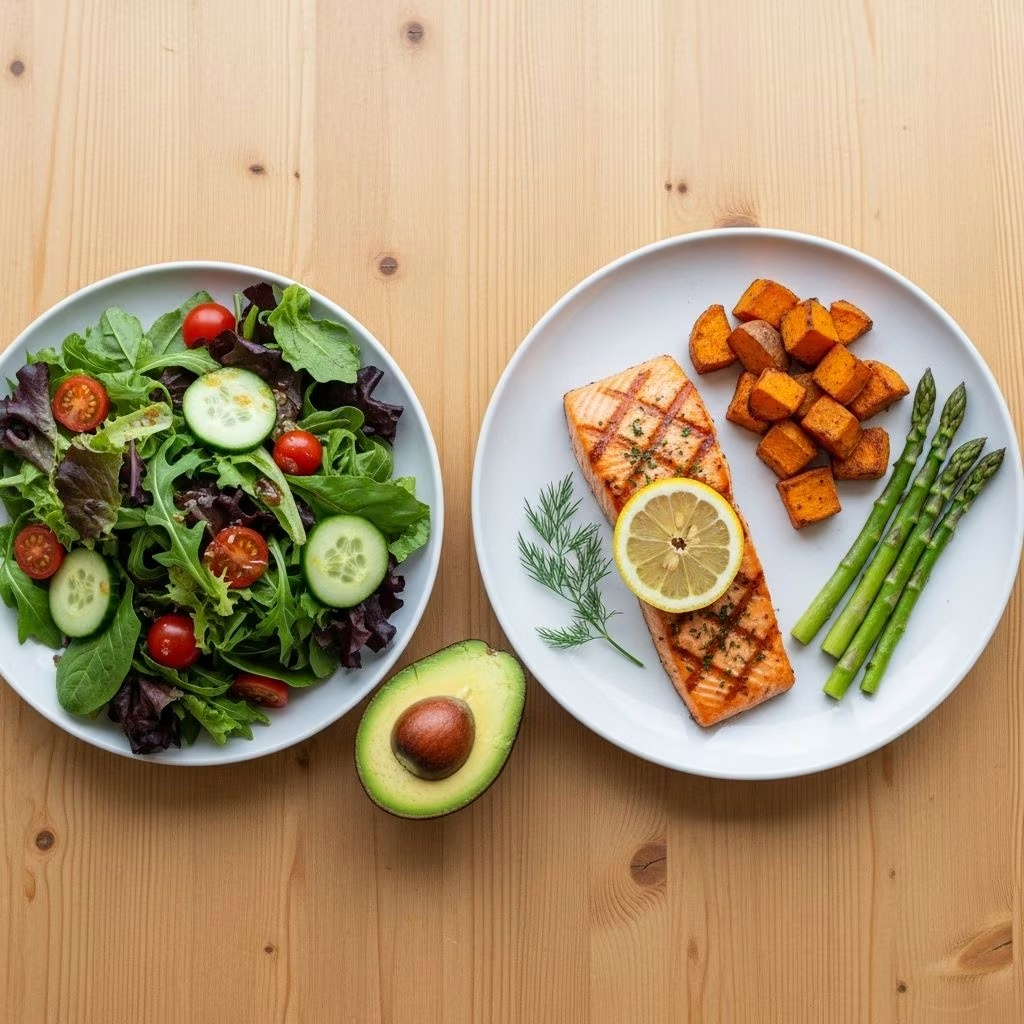
- I chose whole foods like fruits, vegetables, lean proteins, and whole grains.
- Processed “diet” foods—like 100-calorie snack packs—lost their appeal.
- I started to listen to my body’s needs, rather than pushing aside hunger or fullness cues.
The result? Better energy levels, fewer cravings, and a more balanced approach to mealtimes.
Real Foods Became the Foundation
Instead of reaching for a bag of low-calorie pretzels, I might snack on an apple or chicken breast with hummus. These choices were guided by how the foods would fuel me, rather than their label claims or point values.
- Mindful snacking helped stabilize blood sugar and curb overeating.
- Eating for nourishment supported satiety and reduced the desire to binge.
Lesson 2: Experiencing True Enjoyment from Treats
Calorie counting pushes many people toward “fake” versions of treats—sugar-free candies, 100-calorie cookie packs, or fat-free snacks. While these seem like friendly indulgences on paper, I found they often left me unsatisfied, or worse, with stomach discomfort from artificial ingredients.
- I started savoring real chocolate instead of settling for processed bars.
- I enjoyed treats in smaller portions, focusing on flavor and satisfaction.
- When cravings hit, I chose quality over quantity, prioritizing enjoyment.
This shift actually decreased my desire to binge or overindulge—one rich piece of chocolate was more satisfying than a handful of low-calorie imposters.
Lesson 3: Creating Naturally Balanced Meals
Previously, I relied heavily on calorie numbers to justify my meal choices—opting for single items like a banana at snack time. Without tracking, I set simple rules instead: Include a fruit or vegetable and a source of protein at each meal and snack. This change led to naturally balanced, satisfying meals.
- Snacks shifted from just fruit to combinations like smoothies (banana, spinach, whey protein) or veggies with hummus and chicken.
- The variety and balance increased fullness and provided lasting energy, even if the calorie count was technically higher.
- I was less tempted by processed options when whole foods formed the base of every meal.
Sample Balanced Snack Table
| Old Snack | New, Balanced Snack | Benefits |
|---|---|---|
| Banana (100 cal) | Banana + Spinach + Protein powder (200 cal) | Better satiety, more nutrients |
| 100-calorie pretzel pack | Apple slices + peanut butter | Healthy fats, fiber, lasting fullness |
| Sugar-free candy | Dark chocolate square | Satisfaction, fewer cravings |
How My Relationship with Food Improved
One of the most profound changes was in my attitude toward food. Instead of viewing eating as a math problem or moral dilemma, I started appreciating meals as sources of pleasure and nourishment. The anxiety faded, replaced by curiosity and gratitude.
- I stopped fearing “bad foods” and started embracing moderation.
- Guilt after a treat was replaced by enjoyment and mindfulness.
- Mealtimes became opportunities to check in with hunger and fullness, rather than fill a quota.
Mental Health and Eating
Calorie counting can create a subtle but persistent sense of anxiety—worrying about going “over” the day’s limit or feeling “off track” after an unplanned meal. Removing this pressure improved my mood and self-esteem, supporting healthier behaviors in the long run.
- The urge to “stress eat” decreased as I learned to attend to my emotions without food as a buffer.
- Flexible eating reduced feelings of deprivation and increased overall life satisfaction.
The Science Behind Letting Go of Counting Calories
Many experts and studies support the idea that simply tracking calories isn’t the key to lifelong weight management or health. In fact, overly rigid tracking is often associated with rebound weight gain and disordered eating behaviors.
- Set Point Theory: Bodies tend to stabilize at a natural weight determined by genetics and lifestyle, not just calorie math.
- Quality Over Quantity: Consuming nutrient-rich, whole foods supports metabolism and satiety more than processed, calorie-controlled snacks.
- Mindful Eating: Paying attention to hunger, satiety, and enjoyment tends to result in healthier choices and better weight maintenance.
Reevaluating Common Calorie Myths
- Myth 1: “Calories-in, calories-out is all that matters.”
In reality, the quality and source of calories affects metabolism, hunger hormones, and long-term fat storage. - Myth 2: “Calorie counting ensures accountability.”
Many people find that rigid tracking eventually leads to burn-out, guilt, and overcompensation. - Myth 3: “Low-calorie snacks are better for weight loss.”
Foods designed to be low-calorie often lack essential nutrients and fiber, increasing hunger and the risk of binge eating. - Myth 4: “Only strict tracking maintains weight loss.”
Mindful, balanced eating and sustainable habits are shown to be more effective over time.
What I Learned—and What You Can Try
Giving up calorie counting wasn’t just about abandoning a system—it was about embracing a new philosophy of food and health. Here are lessons and tips for anyone considering this shift:
- Focus on nutrient-dense foods and balanced meals.
- Pay attention to hunger, fullness, and satisfaction instead of numbers.
- Create simple “rules” that encourage fruit, vegetables, and protein in each meal.
- Allow for treats, and choose real, high-quality options that bring enjoyment.
- Let go of guilt and trust your body’s signals. If you need support, reach out to a registered dietitian for mindful eating strategies.
Frequently Asked Questions (FAQs)
Q: Will I gain weight if I stop counting calories?
A: Weight changes can occur, but most people who eat mindfully and focus on quality find their weight stabilizes, or even improves, as hunger and fullness cues normalize.
Q: Isn’t calorie counting necessary for weight loss?
A: Calorie deficits cause weight loss, but you don’t have to log every bite. Prioritizing food quality, balanced meals, and body cues can be just as effective.
Q: What should I focus on if not calories?
A: Choose high-fiber fruits and veggies, lean proteins, healthy fats, and whole grains while paying attention to your body’s signals.
Q: How do I handle treats or cravings?
A: Indulge in moderation, select quality options, and savor them without guilt. Mindful enjoyment can prevent overindulgence and support satisfaction.
Q: What are signs that mindful eating is working?
A: You’ll feel more satisfied after meals, experience fewer food obsessions, adjust naturally to hunger and fullness, and find improved energy and mood.
Final Thoughts on a Life Beyond Calorie Counting
My experience giving up calorie tracking revealed how much energy, freedom, and joy could be reclaimed by tuning in to my body and its real nutritional needs. The journey wasn’t without fear or adjustment, but the resulting balance was worth it: more meaningful eating, fewer cravings, better health, and—most importantly—a sustainable way forward. If calorie counting feels like a burden or isn’t working, consider whether mindful, balanced eating might provide the perspective and peace you’ve been seeking.
References
- https://www.womenshealthmag.com/weight-loss/g19960484/when-you-stop-counting-calories/
- https://www.prevention.com/weight-loss/a20466505/the-new-calorie-counting-theory/
- https://www.prevention.com/weight-loss/g20504855/5-reasons-to-never-count-another-calorie/
- https://www.prevention.com/weight-loss/a20441483/i-stopped-counting-calories/
- https://www.prevention.com/weight-loss/a20430746/weight-loss-success-stories/
- https://www.prevention.com/weight-loss/g20432475/15-ways-to-cut-hundreds-of-empty-calories-a-day/
- https://www.prevention.com/weight-loss/g20506618/weight-loss-maintenance/
- https://www.prevention.com/weight-loss/a20477135/lose-weight-without-counting-calories/


