


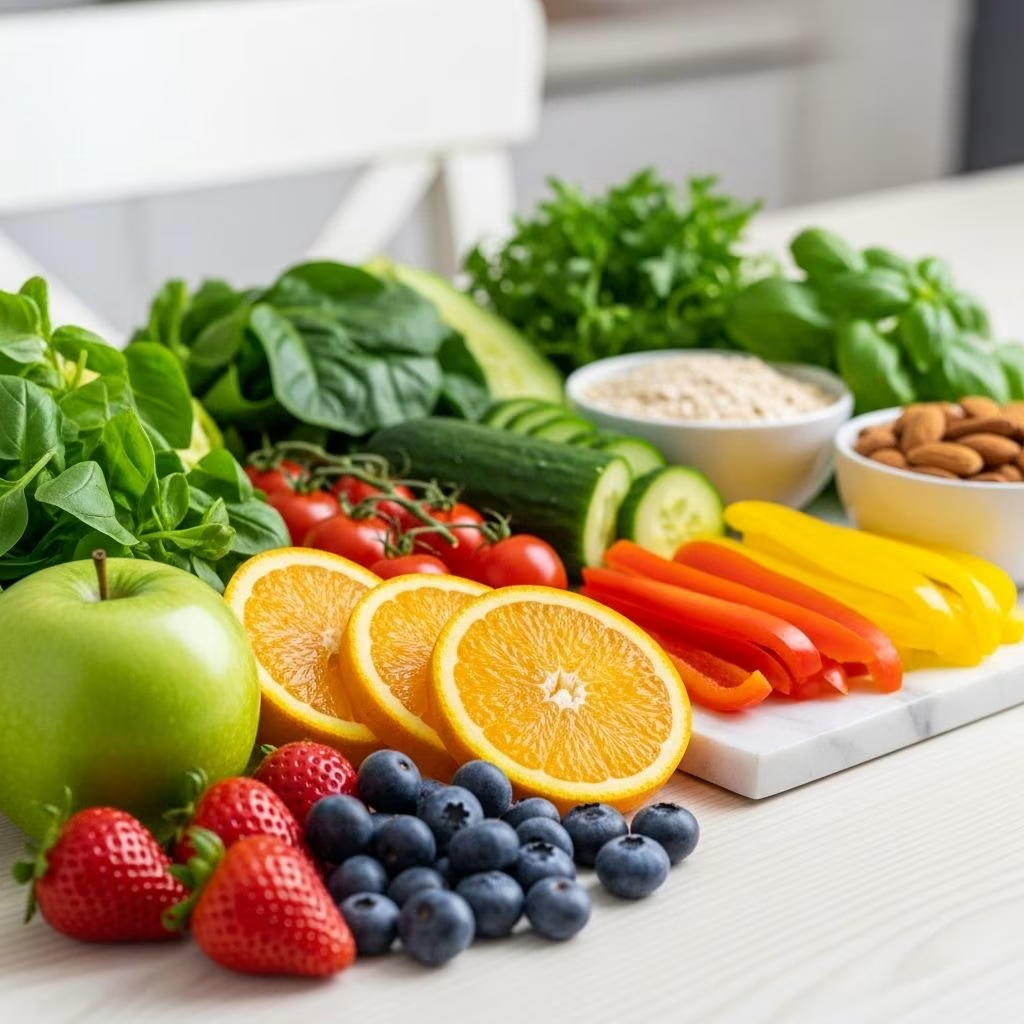
9 Simple Diet Tweaks to Clean Up Your Eating Habits
Clean eating isn’t about restriction, deprivation, or expensive specialty foods—it’s about simplifying your choices and opting for foods as close to their natural state as possible. With so many processed options at our fingertips, making the switch may sound overwhelming. Thankfully, small, practical steps can lead to lasting improvements in overall health and daily enjoyment. Below, discover nine easy, sustainable ways to clean up your diet starting today.
1. Toss a Few Heavily Processed Staples
You don’t have to overhaul your entire kitchen overnight. Begin by eliminating a couple of the most refined and processed items from your pantry—such as corn oil and sugary sodas—foods that contribute little nutritional value and often contain chemical additives. Nutrition expert Nina Planck suggests swapping out refined breads and pastas for whole grain versions and minimizing foods with long ingredient lists filled with unpronounceable items.
- Start with basics: Remove ultra-processed oils and sweetened beverages.
- Upgrade grains: Choose whole grain bread, pasta, and rice over white/refined options.
- Check the labels: Avoid foods with added sugars, artificial colorings, or preservatives wherever possible.
2. Focus on Your Favorite Foods
Instead of stressing about every single meal, concentrate on areas where most of your calories come from. Mary Ellen Camire, PhD, professor of nutrition, recommends tailoring your clean eating approach to your actual habits, rather than aiming for perfection everywhere. For omnivores, upgrading to grass-fed meats and pasture-raised eggs makes a significant difference. If you’re vegetarian, prioritize organic produce; if that’s not possible, wash conventional produce thoroughly and peel when appropriate.
- Meat eaters: Buy grass-fed beef, organic poultry, and pasture-raised eggs.
- Plant-based eaters: Opt for organic (especially the Dirty Dozen) when you can, but even conventional is better than skipping vegetables altogether.
- Assess dietary staples: Focus first where you eat most—like breakfast grains, snacks, or lunchtime proteins.
3. Shop the Perimeter
Whole, natural foods tend to be located around the outer aisles of most supermarkets—the produce, dairy, seafood, meat, and deli sections. Venture into the center aisles mainly for pantry staples, such as canned beans or grains, but be wary of processed and packaged snacks found there. Nutritionist Johnny Bowden, PhD, encourages shoppers to “find the stuff that spoils”: fresh foods have a shorter shelf life, indicating fewer preservatives and a more natural state.
- Perimeter picks: Load up on fruits, vegetables, lean proteins, eggs, and plain yogurt.
- Limited packaged items: Seek out single-ingredient grocery staples like oats, quinoa, or dry beans.
- Beware of marketing: Many products labeled “healthy” or “natural” in center aisles are still highly processed.
4. Rethink Your Beverage Choices
Beverages are a hidden source of empty calories, artificial sweeteners, and additives. Soda, fruit punches, and even some so-called “healthy” drinks can derail clean eating through sugar overload or chemical ingredients. Opt instead for water, unsweetened tea, seltzer, or naturally flavored drinks made at home. If you’re looking for something special, a splash of real fruit juice in sparkling water adds flavor without excess sugar.
- Hydration first: Make plain or infused water your default drink.
- Skip sweetened beverages: Replace soda and sweet teas with herbal infusions or seltzer.
- Homemade blends: Try mint, citrus, cucumber, or berries in water for a refreshing alternative.
5. Use Simple Ingredient Swaps
Small shifts in favorite recipes can dramatically improve the quality of your diet. Replace butter with olive oil, white rice with brown or wild rice, and iceberg lettuce with darker, leafy greens. Choose nut butters without added sugar or salt, and swap flavored yogurts for plain versions with fresh fruit. Look for ways to cut added sugar, white flour, and processed oils from everyday meals.
- Whole grains over refined: Brown rice, quinoa, and oats instead of white rice, pasta, or bread.
- Healthy fats: Use olive oil, nut butters, and avocado instead of processed spreads.
- Add flavor naturally: Try herbs, citrus, and spices rather than pre-mixed seasonings with additives.
6. Cook More Meals at Home
Preparing food at home gives you full control over ingredients, portions, and preparation methods. Clean eating doesn’t mean complicated, gourmet meals—simple dishes like stir-fries, roasted vegetables, or grain bowls keep things manageable and healthy. Batch-cook grains, beans, or proteins at the start of the week to streamline lunch and dinner. This approach reduces reliance on takeout, which is often high in sodium, sugar, and unhealthy fats.
- Batch cooking: Prepare staples in advance—like grilled chicken, beans, or brown rice—to mix and match.
- DIY snacks: Bake homemade granola or energy bars without hidden additives.
- Get creative: Experiment with new vegetables, whole-grain recipes, or ethnic cuisines.
7. Check Labels, But Don’t Stress About Perfection
Understanding food labels is vital for avoiding hidden sugars, sodium, and synthetic ingredients. However, don’t get caught up in absolutes. Choose products with ingredient lists you recognize and can pronounce. Look for minimal added sugar (less than 5g per serving), whole grains listed first, and low sodium content. Recognize “marketing language” and don’t take product claims like “all natural” or “gluten-free” as proof of healthfulness.
- Short & simple: Fewer ingredients, and all recognizable, is a great rule of thumb.
- Avoid tricky terms: Words like “hydrogenated,” “partially hydrogenated,” and “high fructose corn syrup” signal less-clean ingredients.
- Ignore health halos: “Sugar-free” or “organic” processed foods aren’t automatically healthy choices.
8. Follow the 80-20 Strategy
No one eats perfectly all the time. Attempting to adhere to strict food rules can lead to frustration and ultimately giving up on the clean eating journey. The 80-20 method allows flexibility: If you eat nutrient-dense, whole foods 80% of the time, the occasional treat or convenience meal isn’t going to undermine your health. This mindset helps make clean eating a sustainable, enjoyable part of your life—not a short-lived diet.
- Plan for real life: Enjoy social events, holidays, or spontaneous outings with a relaxed mindset.
- Prevent guilt: Allowing occasional indulgences reduces the risk of binge-eating or giving up.
- Focus on the big picture: A healthy pattern, not one day or one food, determines long-term success.
9. Discover Pleasure in Real Food
Clean eating is more than a set of rules—it’s an opportunity to reconnect with what makes food satisfying. Nutritionist Mary Ellen Camire recalls chef Alton Brown’s advice that food made with love and shared with others is at the heart of healthy living. Multitasking at mealtimes or eating on the go deprives us of enjoyment and satisfaction. Being mindful—savoring flavors, appreciating where food comes from, and sharing meals with others—deepens the pleasure of eating and supports better food choices.
- Eat mindfully: Slow down, chew thoroughly, and notice taste and texture at each meal.
- Make meals social: Share food with friends or family whenever possible.
- Cultivate gratitude: Appreciate the people and effort behind what’s on your plate.
Sample Clean Eating Day
A clean eating lifestyle doesn’t mean bland or boring. Here’s a practical outline for a single day of simple, whole-food meals to inspire you:
- Breakfast: Rolled oats cooked with chia seeds, topped with berries and a dollop of almond butter.
- Snack: Sliced apple with a tablespoon of natural peanut butter.
- Lunch: Grilled chicken salad with kale, tomatoes, chickpeas, and an olive oil-lemon dressing.
- Snack: Greek yogurt with flaxseed and a few walnuts.
- Dinner: Stir-fried vegetables (broccoli, bell pepper, carrots) with wild rice and a side of grilled salmon or tofu.
Common Clean Eating Mistakes to Avoid
| Mistake | Why It’s a Problem | Better Approach |
|---|---|---|
| Trying to go from zero to perfect overnight | Leads to frustration and quitting | Make gradual, realistic swaps over time |
| Eliminating entire food groups unnecessarily | Can cause nutritional deficiencies and unsatisfying meals | Prioritize whole, minimally processed choices in each group |
| Banning ‘treats’ completely | Creates a scarcity mindset and increases cravings | Practice the 80-20 method for flexibility |
| Believing all marketed “clean” products are automatically healthy | Some are still highly processed or loaded with sugar | Read ingredient labels and focus on basics |
| Ignoring food enjoyment | May lead to boredom or giving up | Savor flavors, cook at home, and share meals |
Frequently Asked Questions (FAQs)
Q: What counts as a processed food?
A: Processed foods include anything altered from its original form, such as canned soups, sugary cereals, deli meats, packaged snacks, or frozen meals. The more an item has been changed from its natural state, the more processed it is.
Q: Is clean eating the same as eating organic?
A: Not necessarily. Clean eating focuses on minimally processed foods in their natural state, while organic refers to farming practices. Both can overlap, but clean eating is achievable without exclusively buying organic foods.
Q: Can I eat carbs or bread while eating clean?
A: Yes, whole grains such as oats, brown rice, quinoa, and 100% whole wheat breads are part of clean eating. The key is to avoid highly refined grains and those with added sugars or preservatives.
Q: How do I start clean eating on a budget?
A: Prioritize affordable whole foods like beans, lentils, frozen vegetables, and grains. Shop sales, buy in bulk when possible, and prepare simple meals at home. Buying organic is optional, and conventional produce is still a healthy choice.
Q: Is the 80-20 rule effective for weight loss or health?
A: Yes. The 80-20 rule supports consistency without perfection, helping you avoid feelings of failure and making healthy eating sustainable long term. Consistency matters more than short-term rigidity.
Final Thoughts
Clean eating is about making mindful, realistic choices—not following rigid food rules or achieving perfection. With small, manageable changes like swapping out processed staples, cooking more at home, and following the 80-20 guideline, anyone can begin to enjoy the health perks of a cleaner diet. Remember, the journey toward better nutrition is personal, and small steps can lead to big, lasting change. Enjoy the process, savor real food, and celebrate the progress you make along the way.
References
- https://www.prevention.com/weight-loss/a20502443/exactly-how-you-can-eat-clean-to-stay-lean-for-life/
- https://www.prevention.com/weight-loss/a20441430/easy-diet-changes-to-eat-clean/
- https://nutritionsource.hsph.harvard.edu/clean-eating/
- https://www.prevention.com/health/a60486206/heal-your-body-with-food/
- https://www.prevention.com/weight-loss/a30188568/lose-weight-without-exercise-0/
- https://www.prevention.com/food-nutrition/healthy-eating/a65664887/ultra-processed-foods-weight-loss-gut-health-study/
- https://pmc.ncbi.nlm.nih.gov/articles/PMC5740998/
- https://www.cdc.gov/nutrition/features/healthy-eating-tips.html
- https://www.prevention.com/food-nutrition/g20498199/foods-you-should-never-eat/
- https://www.heart.org/en/healthy-living/healthy-eating/eat-smart/nutrition-basics/how-to-eat-healthy-without-dieting


