


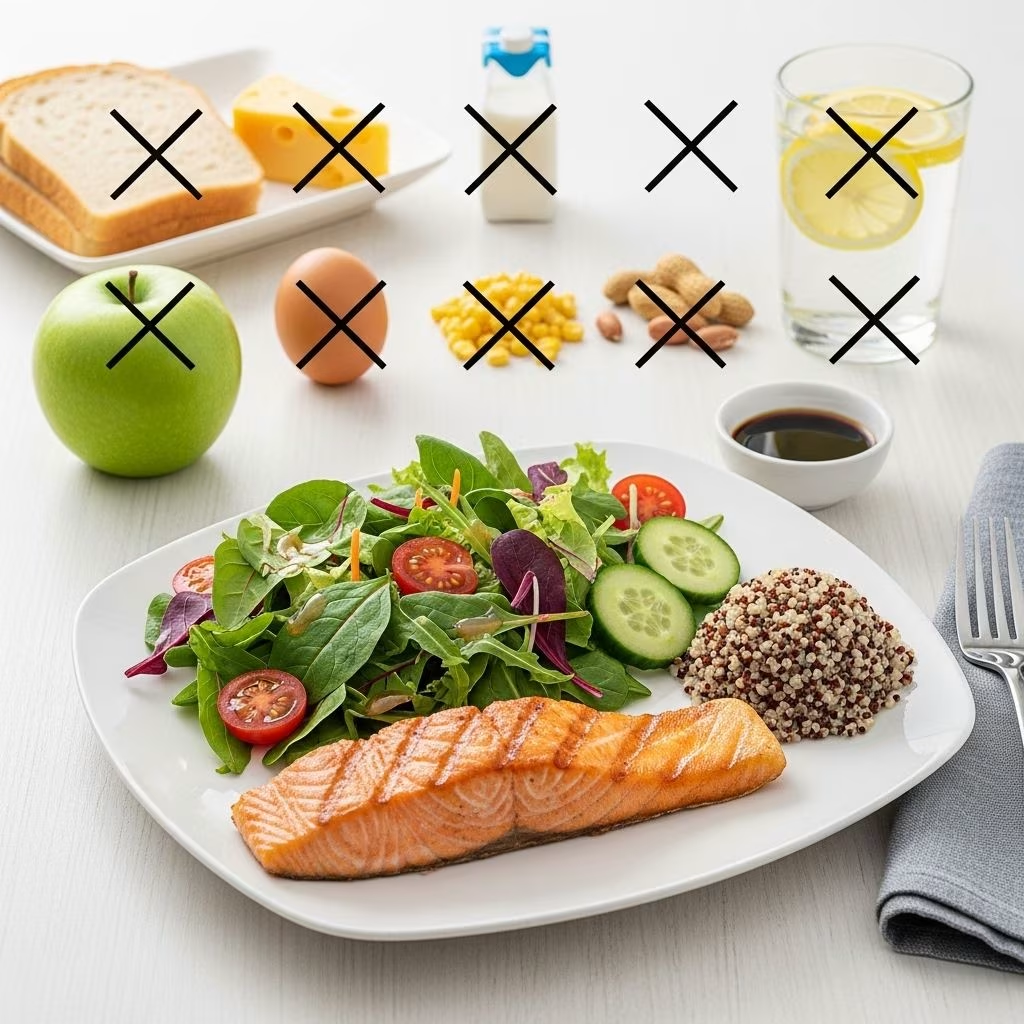
The Virgin Diet: Shed Pounds by Ditching 7 Common Foods
The Virgin Diet, created by nutrition and fitness expert J.J. Virgin, claims you can lose up to seven pounds in just seven days—not by counting calories, but by eliminating seven specific foods that may be causing hidden food intolerances. By removing these foods, the diet proposes you can reduce inflammation, ease digestive troubles, lose weight rapidly, and gain clearer skin and more energy.
How the Virgin Diet Works
The premise of the Virgin Diet centers on the idea that many individuals react poorly to certain common foods, which can manifest as bloating, weight gain, headaches, joint pain, fatigue, skin problems, and even mood disorders. According to Virgin, by removing the most common high food intolerance (hi-FI) foods and replacing them with anti-inflammatory options, you allow your body to heal, shed excess weight, and uncover food sensitivities you may not realize you had.
Here’s how the core plan unfolds:
- Phase 1: Elimination (First 21 Days): Completely remove the seven most reactive foods from your diet for three weeks.
- Phase 2: Reintroduction: Gradually reintroduce each food group one at a time to identify which trigger your symptoms.
- Phase 3: Maintenance: Design your ongoing eating plan based on your body’s responses, continuing to avoid problem foods and emphasizing nutrient-rich, healing foods.
The 7 Foods to Avoid on the Virgin Diet
Over the years, research suggests these seven foods are the most likely to cause hidden intolerances and inflammation:
- Gluten
- Dairy
- Eggs
- Soy
- Peanuts
- Corn
- Added Sugar
Let’s look in detail at why these foods are flagged, and where they often hide in your diet.
1. Gluten
Gluten, found in wheat, barley, rye, and many processed foods, is notorious for triggering digestive issues and inflammation, even in people who test negative for celiac disease. It is found in breads, pasta, cereals, baked goods, and many sauces as a thickener or “hidden seasoning.” Virgin notes that gluten is one of the hardest foods to digest and the most common trigger for food sensitivities.
2. Dairy
Lactose intolerance is common, but even individuals who can digest lactose may react to casein and whey—proteins in cow’s milk. Symptoms can range from bloating and sinus problems to skin issues and migraines. Dairy lurks in milk, cheese, yogurt, butter, cream, and many processed foods.
3. Eggs
Despite being celebrated as a breakfast staple, eggs are a frequent cause of food intolerance, especially due to proteins like albumin. Virgin recommends removing not only eggs themselves but also foods containing eggs (e.g., baked goods, mayonnaise, many desserts) during the elimination phase.
4. Soy
Soy can disrupt hormone balance, affect thyroid function, and often triggers digestive distress or allergic reactions. It’s found in tofu, soy milk, edamame, and as a common ingredient in protein bars, dressings, and processed foods.
5. Peanuts
Peanuts are among the top food allergens worldwide and can inflame the gut even in individuals who don’t have a classic allergy. They are present in peanut butter and peanut oil, plus many sauces and snacks. Read labels carefully, as peanuts and peanut derivatives hide in unexpected places.
6. Corn
Much more than just corn-on-the-cob, corn and its derivatives are in breakfast cereals, snack foods, cornstarch, corn syrup, tortillas, and even soft drinks. Corn is highly processed and genetically modified in the U.S., raising concerns about digestive sensitivity and inflammation.
7. Added Sugar
The average American consumes over 140 pounds of added sugar each year. Sugar spikes insulin, fuels cravings, impairs fat burning, and raises inflammation markers. Virgin recommends cutting all forms of added sugar—sodas, candy, pastries, and even hidden sugars in savory foods. Natural sugars from whole fruit are permitted, especially low-glycemic berries.
Typical Symptoms of Food Sensitivities
Food intolerances are not always dramatic; often, symptoms are subtle and chronic. You might experience:
- Bloating or gas
- Unexplained weight gain or difficulty losing weight
- Brain fog and fatigue
- Headaches or migraines
- Joint pain or stiffness
- Acne or chronic skin rashes
- Mood disturbances, including anxiety or depression
According to J.J. Virgin’s approach, removing the seven suspect foods can lead to a dramatic improvement in these symptoms, often within the first week.
What You Can Eat on The Virgin Diet
The Virgin Diet is not about deprivation. Instead, it encourages eating anti-inflammatory, healing foods in satisfying amounts. Here’s what’s on the menu:
- Protein: Lean poultry, grass-fed meat, wild-caught fish, game meats, and plant-based protein sources like hemp, pea, or rice protein powders.
- Fats: Avocado, raw nuts and seeds (excluding peanuts), extra-virgin olive oil, coconut oil, flaxseed, and olives.
- Non-starchy vegetables: Unlimited amounts of leafy greens, cruciferous veggies, peppers, cucumbers, celery, green beans, and more.
- High-fiber carbohydrates (in moderation): Sweet potatoes, squash, legumes (if tolerated), brown rice, quinoa, and lentils.
- Low-glycemic fruit: Especially berries, apples, pears, kiwifruit, plums, and cherries.
Foods List Table
| Food Group | Allowed Examples | Foods to Avoid |
|---|---|---|
| Protein | Chicken, turkey, wild fish, lamb, grass-fed beef, hemp protein | Pork, processed meats (high sodium, hidden soy/corn derivatives) |
| Fats | Avocado, olive oil, coconut, nuts/seeds (except peanut) | Peanut oil, margarine, canola oil |
| Veggies | Kale, broccoli, spinach, bell peppers, zucchini, squash | Corn, potatoes (limiting for glycemic load) |
| Fruit | Berries, apples, pears, grapefruit, cherries | Bananas, grapes, watermelon (high-glycemic) |
| Grains | Brown rice, quinoa, millet | Wheat, barley, rye, corn-based products |
Virgin Diet Sample Day Meal Plan
Here is a typical day following the Virgin Diet elimination guidelines:
- Breakfast: Plant-based protein shake with unsweetened almond milk, spinach, chia seeds, and berries
- Snack: Small handful of raw walnuts and an apple
- Lunch: Salad with grilled chicken or wild salmon, mixed greens, avocado, and olive oil–lemon dressing
- Snack: Sliced veggies with guacamole
- Dinner: Grass-fed beef stir-fry with broccoli, bell peppers, and brown rice
- Dessert: Fresh berries or baked apple with cinnamon
How to Succeed on the Virgin Diet
- Preparation is Key: Clear your kitchen of forbidden foods, and stock up on compliant snacks, pre-washed vegetables, and high-quality proteins.
- Read Labels Carefully: Gluten, soy, corn, and sugar often appear in processed foods under various names.
- Focus on Whole Foods: Eat food as close to its natural state as possible to reduce hidden triggers and maximize nutrients.
- Stay Hydrated: Drink plenty of water and herbal teas to support digestion and detoxification.
- Listen to Your Body: Track your symptoms, energy, sleep, and mood as you progress through elimination and reintroduction phases.
What to Expect: Benefits Beyond Weight Loss
People embarking on the Virgin Diet often report:
- Rapid initial weight loss (as much as 7 pounds in 7 days)
- Improved digestion (less bloating, regularity)
- Clearer skin
- Reduced joint pain and headaches
- Better sleep and sharper focus
- Increased energy and stable mood
These benefits stem from lowered inflammation and giving the body a break from foods that silently trigger immune or digestive overactivity.
Potential Challenges and Who Should Be Cautious
- Restrictive nature: Social eating and dining out can be difficult during the initial phase due to the wide list of forbidden ingredients.
- Nutritional gaps: Eliminating entire food groups (dairy, eggs) may cause deficiencies if substitutions aren’t carefully made.
- Medical conditions: Always consult your healthcare provider before starting drastic dietary changes—especially if you have chronic illness, eating disorders, or take prescription medications.
Maintaining Results: The Long-Term View
After successfully identifying which foods you react to, the Virgin Diet doesn’t demand permanent deprivation. The reintroduction phase allows for a tailored plan, where most people can return to eating some of the eliminated foods in moderation—if they cause no symptoms. The ultimate goal is a diet rich in whole, minimally processed foods, tailored to your individual digestion and sensitivities.
Frequently Asked Questions (FAQs)
Q: Can I follow the Virgin Diet if I am vegetarian or vegan?
A: Yes, with careful planning. Replace animal proteins with plant-based options like hemp, pea, or rice protein, nuts (except peanuts), seeds, quinoa, and legumes if tolerated.
Q: Is the Virgin Diet safe for children or pregnant women?
A: The elimination phase may be too restrictive for young children and pregnant or breastfeeding women. Always consult a healthcare provider first.
Q: Do I need to stay off these foods forever?
A: Not necessarily. After the reintroduction phase, you can bring back foods that do not trigger symptoms, but avoid those that cause reactions most of the time.
Q: Can I exercise while following the Virgin Diet?
A: Yes, moderate exercise is encouraged. Listen to your body, especially during the initial adaptation week.
Q: What about eating out?
A: Dining out requires advance planning—ask about ingredients, request substitutions, and focus on simple grilled proteins, salads, and steamed vegetables.
Summary Table: Virgin Diet Steps and Focus
| Phase | Duration | Key Action |
|---|---|---|
| Elimination | 21 days | Remove the 7 reactive foods completely |
| Reintroduction | 3-4 weeks | Gradually bring back foods, one at a time |
| Maintenance | Ongoing | Avoid trigger foods; optimize for your health and energy |
Conclusion: Is the Virgin Diet Right for You?
The Virgin Diet offers a structured framework to pinpoint hidden food sensitivities, promote weight loss, and boost well-being. While it may require planning and dedication, many find its benefits far outweigh the short-term restriction. Consider discussing with your doctor to see if this approach could help you identify the foods undermining your health and to ensure your nutritional needs are met every step of the way.
References
- https://www.weekand.com/healthy-living/article/seven-foods-virgin-diet-18022018.php
- https://jjvirgin.com/best-recipes-virgin-diet-sugar-impact-diet/
- https://www.christaorecchio.com/blog/avoid-7-foods-to-lose-7-pounds-in-7-days-and-feel-70-better
- https://thunderbaywellness.com/wp-content/uploads/2012/11/virgin-diet-quick-start-guide.pdf
- https://search.library.ohio.gov/discovery/fulldisplay/alma991015393081808520/01OHIOLINK_SLO:SLO
- https://www.prevention.com/weight-loss/a20444018/the-virgin-diet-7-foods-7-days-7-pounds/
- https://books.google.com/books/about/The_Zero_Tolerance_Diet.html?id=xUiHLwEACAAJ&hl=en


