


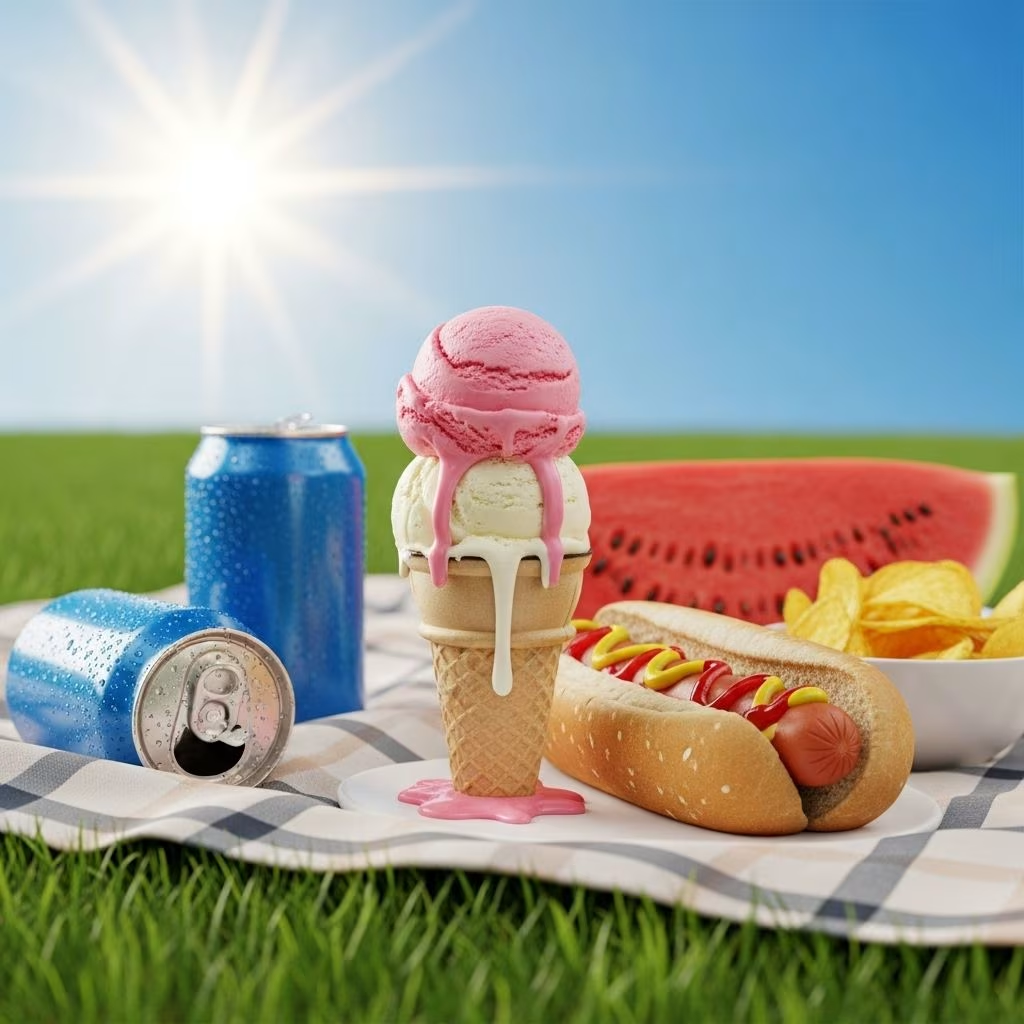
Surprising Causes of Summer Weight Gain—and How to Avoid Them
Many people think of winter as the prime season for packing on unwanted pounds, but the summer months present their own unique challenges when it comes to maintaining a healthy weight. Between long days, social gatherings, travel, and relaxed routines, summer can easily tip the scale in the wrong direction. Understanding the root causes of summer weight gain—and finding practical strategies to prevent it—can help you enjoy the season while keeping your health goals on track.
Barbecue Temptations and Social Gatherings
One hallmark of summer is the near-constant swirl of barbecues, picnics, parties, and family gatherings. These events are fun, but they often feature an abundance of high-calorie foods and snacks that make portion control difficult.
- High-calorie options: From burgers and hot dogs to potato salads and chips, summer get-togethers serve up calorie-dense choices that are hard to refuse.
- Snack tables: Bowls of chips, dips, cookies, and candies are within arm’s reach, encouraging mindless eating and grazing throughout the day.
- Pressure to indulge: Friends and family encourage seconds or dessert, making it harder to stick to healthy habits.
According to experts, one simple strategy is to fill a single plate with a reasonable portion and stick to it rather than picking at snacks all afternoon. This lets you enjoy treats without losing track of how much you’ve eaten.
The Hidden Calories in Summer Beverages
When the temperature rises, it’s common to reach for something cold and refreshing. Many popular summer drinks, however, are packed with sugar and calories, creating a hidden trap for weight gain.
- Sugary drinks: Sweetened iced teas, lemonade, sodas, and those tempting frozen cocktails or slushies add hundreds of “empty” calories with little nutritional value.
- Alcohol: Beer, wine coolers, and mixed drinks contain more calories than you might expect, and frequent consumption can easily add up.
Experts recommend choosing water, unsweetened teas, or sparkling water instead. Not only do these options hydrate better, but they also help you avoid the calorie surplus that comes from drinking your calories.
Reduced Physical Activity and Routine Disruption
Many associate summer with outdoor fun and exercise, but in reality, workout routines often get disrupted by vacation, heat, or an overall shift in daily structure.
- Interrupted schedules: Travel, hosting guests, or changing work hours can interfere with established exercise routines.
- Heat avoidance: High temperatures can make outdoor activities uncomfortable, leading people to skip their walks or runs.
- Leisure time: Lazy pool days and backyard lounging can replace more rigorous workouts.
Experts encourage creative solutions—such as swimming, indoor classes, or short in-home workouts—to help people stay active and maintain consistency even in the summer heat.
The Vacation Trap: Eating and Drinking Away from Home
Summer vacations are a much-needed break, but they often result in more restaurant meals, fast food stops, and indulgence at buffet-style spreads. Couple this with travel snacks and disrupted routines, and it’s easy to see how weight can creep up.
- Restaurant portions: Most restaurants serve much larger portions than a typical home-cooked meal.
- Limited healthy choices: On the road, it can be hard to find nutritious snacks or meals, so many opt for chips, cookies, or fast food.
- “Vacation mode” mindset: People often let their guard down, feeling it’s okay to splurge simply because they’re away from home.
Bringing healthy snacks on trips—like fruits, nuts, and protein bars—can reduce reliance on unhealthy convenience foods and encourage smarter choices.
Lack of Structure and All-Day Grazing
One of the more subtle contributors to summer weight gain is the lack of routine, especially for families with kids. During the school year, there’s a clear structure for meals, snacks, activities, and sleep, but summer often throws that out the window.
- Unscheduled eating: Without clear meal times, kids and adults alike may graze throughout the day, significantly increasing calorie intake.
- Easy access to junk food: With less oversight, children especially may choose chips, cookies, or ice cream as frequent snacks.
- Screen time: More time spent on phones, tablets, or TVs is often accompanied by mindless snacking.
Experts suggest maintaining scheduled meal and snack times, keeping healthy foods visible and accessible, and limiting kitchen access between meals to promote a sense of structure and mindfulness.
Late-Night Eating and Sleep Changes
With longer daylight hours and more social events, summer often involves staying up later and shifting sleep schedules. This can lead to a spike in late-night snacking, which is linked to weight gain.
- Hormonal changes: Changes in sleep patterns can alter levels of leptin and ghrelin—hormones that regulate hunger and appetite—making overeating more likely.
- Extra meals: Eating just before bed means you’re less likely to burn off those calories, as your metabolism slows during sleep.
Aim to finish your last meal two to three hours before hitting the pillow for the night, and stick as closely as possible to regular sleep schedules.
Fighting Summer Weight Gain: Expert Tips
Beating summer weight gain comes down to adopting simple habits and making mindful choices—while still enjoying everything the season has to offer.
- Stay hydrated: Drink plenty of water throughout the day—aim for at least 2 liters, and more if you’re active or spending time outside.
- Find workouts you enjoy: Try swimming, join a gym for air-conditioned activities, or pick up indoor sports. Consistency is key, not intensity.
- Portion control at events: Make one plate at parties and commit to it. Avoid going back for seconds or constant grazing.
- Pack your own snacks: On trips, bring fruits, nuts, and lean-protein options so you’re not reliant on unhealthy options.
- Limit liquid calories: Choose water or unsweetened drinks. If enjoying alcoholic beverages, do so in moderation.
- Maintain a schedule: Set regular meal and snack times, especially for kids. Try to stick to set sleep and activity times as well.
- Limit screen time: Encourage outdoor play for kids and schedule technology-free hours for the whole family.
Bonus Table: Common Summer Traps vs. Prevention Strategies
| Summer Challenge | Prevention Strategy |
|---|---|
| Endless barbecues with high-calorie foods | Fill one plate and skip seconds; prioritize grilled veggies or lean meats |
| Sugary drinks and excess alcohol | Switch to water or unsweetened iced tea; limit alcohol |
| Disrupted workout routines | Find enjoyable indoor or water-based activities |
| Travel eats and fast food | Pack nutritious snacks for travel |
| Unstructured eating and grazing | Stick to scheduled meal and snack times |
| Late-night snacking | Finish eating 2 hours before bed and maintain sleep habits |
Frequently Asked Questions (FAQs)
Why do people gain weight in the summer if they’re more active?
While summer presents opportunities for outdoor activity, social gatherings, more frequent eating, and high-calorie drinks create an energy surplus that can lead to weight gain even among those who are generally active.
Do children gain more weight during summer vacation?
Numerous studies indicate that children gain weight more rapidly during summer break, likely due to changes in diet, increased screen time, less structured activity, and altered sleep patterns.
Is dehydration linked to overeating and weight gain?
Yes, dehydration can trigger binge eating episodes, as the body may mistake thirst for hunger, leading to excessive food intake. Staying hydrated helps regulate appetite.
What are the best snacks to bring on summer trips?
Healthy options include fresh fruit, raw vegetables, nuts, seeds, whole-grain sandwiches, and protein bars. These help curb cravings and prevent impulse purchases of junk food.
How can I control party eating without feeling left out?
Allow yourself to enjoy a single plate of your favorite foods and avoid constant snacking. Socializing away from the snack table helps, too. Focusing on conversation or games can keep you engaged without extra calories.
Conclusion
Summer weight gain is a complex phenomenon influenced by social, environmental, and biological factors. Recognizing the common pitfalls—from festive foods to schedule disruptions—allows you to take actionable steps toward maintaining a healthy weight all season long. Simple strategies like hydration, smart snacking, structured routines, and mindful choices can make all the difference—and ensure you enjoy everything summer has to offer without regret.
References
- https://spinesurgeonsseattle.com/5-ways-to-fight-summer-weight-gain/
- https://pmc.ncbi.nlm.nih.gov/articles/PMC6857933/
- https://www.signaturemedicinemd.com/why-people-gain-weight-in-the-summer-how-to-prevent-it/
- https://www.childrenscolorado.org/just-ask-childrens/articles/summer-weight-gain/
- https://pmc.ncbi.nlm.nih.gov/articles/PMC6378497/
- https://www.trinityhealthma.org/newsroom/blog-articles/summer-weight-gain-in-children-why-it-happens-and-how-to-prevent-it
- https://kidshealth.org/en/teens/summer-weight.html
- https://www.cdc.gov/pcd/issues/2014/13_0355.htm
- https://westvalleymedctr.com/blog/entry/summer-weight-gain-in-kids-and-how-to-prevent-it


