


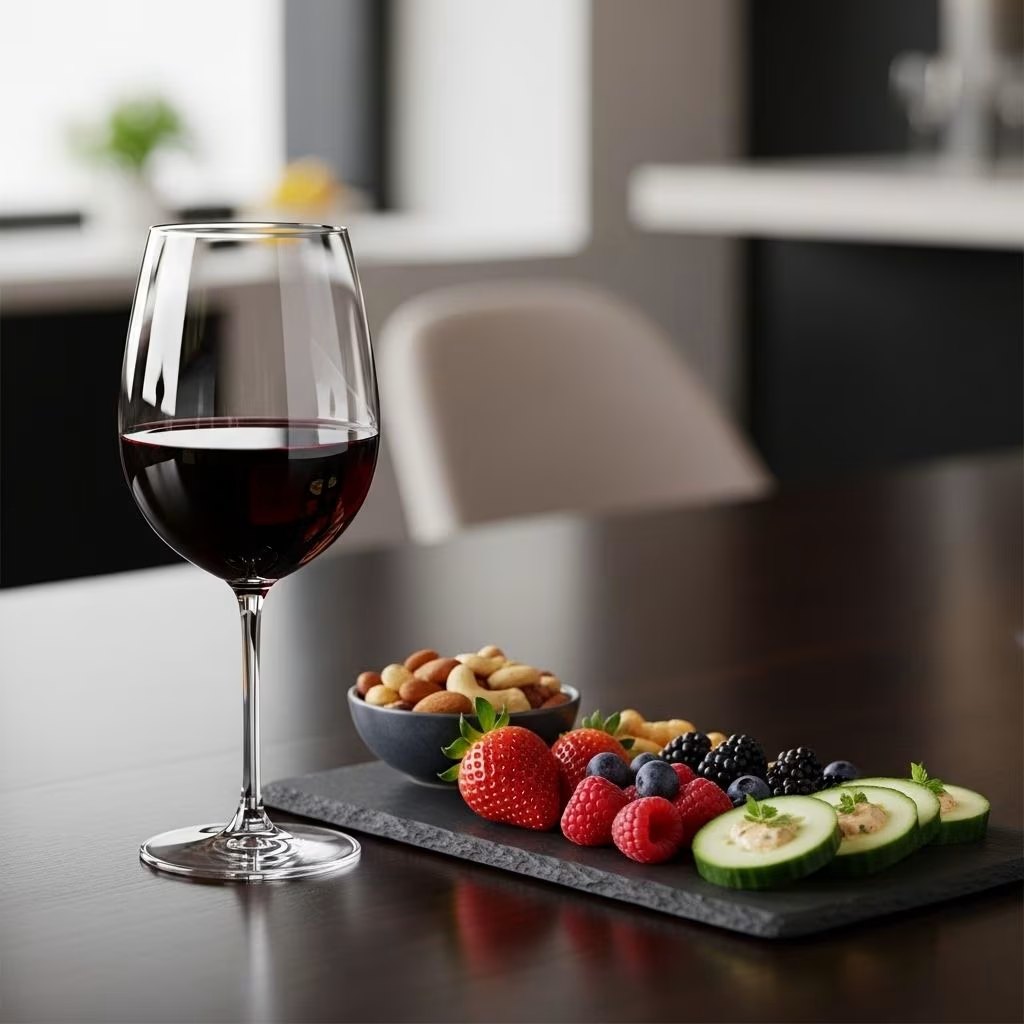
Drinking Alcohol While Dieting: Strategies for Weight Loss Success
Alcohol is deeply woven into many social occasions, but when pursuing weight loss, its presence often raises difficult questions. Can you enjoy a drink without compromising your goals? This article explores realistic strategies and the physiological reasons why alcohol challenges weight management, offering actionable insights to help you navigate dieting in a world where drinks are often on the menu.
Alcohol and Weight Loss: The Science Behind the Struggle
Drinking alcohol is rarely seamless with dieting and weight loss ambitions. Beyond its caloric content, alcohol can disrupt your body’s metabolism, impair judgment in making healthy food choices, and impede fat burning. Understanding these complex impacts is essential before deciding how—and when—alcohol fits into your plan.
- Slows Fat Burning: When alcohol enters your system, your liver prioritizes metabolizing it over burning fat, effectively halting fat breakdown for up to 12–36 hours after consumption.
- Liquid Calories Add Up: Alcohol is high in calories (7 kcal per gram), and beverages like cocktails often include mixers that add even more sugar and calories.
- Hunger and Poor Food Choices: Drinking increases hunger and cravings for salty, fatty foods, making overeating more likely.
- Stalled Weight Loss: Studies show that consistent alcohol consumption correlates with poorer long-term weight management, even if short-term changes are minimal.
Common Myths About Alcohol and Dieting
| Myth | Reality |
|---|---|
| “Clear liquors have no calories.” | All alcohol contains calories; even clear liquors add up quickly when mixers or repeated rounds join the party. |
| “Diet drinks cancel out alcohol’s effects.” | Diet sodas may be lower in calories, but alcohol still hinders fat burning and may trigger unhealthy habits after drinking. |
| “Alcohol is less harmful than dessert.” | Alcohol halts fat metabolism and can add to overall calorie intake, sometimes more insidiously than sugary desserts. |
Health Risks Beyond Weight Gain
In addition to challenging weight loss, alcohol increases your risk of serious health problems. Excessive drinking is linked to:
- High blood pressure and heart disease
- Type 2 diabetes and insulin resistance
- Liver disease, including alcoholic fatty liver
- Weakened immune system and memory issues
- Digestive disorders and increased risk of some cancers
The Four Best Times to Drink Alcohol When Dieting
If you want to enjoy alcohol responsibly without derailing your weight loss journey, timing and moderation matter. Based on expert hints and best practices, here are the four most strategic moments to indulge:
- 1. When You’ve Eaten a Balanced Meal
Alcohol is absorbed slower, lowering the risk of blood sugar spikes and poor food choices. Drinking on an empty stomach amplifies the effects of alcohol and often triggers cravings for rich, salty foods. Pair drinks with nutritious meals to help keep hunger and calories in check. - 2. During Social Occasions—Not Alone
Social drinking tends to be more mindful, less frequent, and portion-controlled. Solo drinking is more closely linked with emotional eating and loss of dietary focus. - 3. After Meeting Daily Activity Goals
Scheduling a drink post-exercise or after fulfilling your healthy routine can ensure that alcohol isn’t derailing your motivation or replacing planned activity. Use it as a reward, not a distraction. - 4. Ideally Earlier—Not Before Bed
Drinking late inhibits sleep quality, disrupts metabolism overnight, and is tied to poor weight loss outcomes. If you choose to drink, do so earlier in the evening to minimize sleep disruptions.
Smart Drinking Strategies for Dieters
Alcohol may complicate weight loss, but if you choose to drink, the following tactics can help minimize its impact:
- Hydrate between alcoholic drinks to slow intake and curb dehydration.
- Avoid sugary mixers and juices that add empty calories.
- Choose lower-calorie options such as wine, light beer, or spirits mixed with sparkling water.
- Savor slowly—drink mindfully and focus on portion control.
- Don’t skip meals before drinking. Eating helps buffer alcohol’s effects and keeps hunger in check.
Why You Might Gain Weight (Or Fail to Lose) After Drinking
Understanding exactly how alcohol sabotages weight loss targets can empower you to make informed decisions. Here’s why the scale might not budge (or may creep upward) after drinking:
- Fat Burning Halts: Your liver’s priority shifts to metabolizing alcohol, putting a stop to fat breakdown. This effect can last 12–36 hours depending on consumption, hindering your body’s ability to tap into fat stores.
- Extra Calories: Alcohol calories are often overlooked. Heavy or consistent drinkers rarely adjust their food intake to compensate, resulting in a net increase in daily calories.
- Food Cravings: Alcohol enhances appetite and inhibits rational decision-making, making it more likely you’ll reach for high-calorie snacks.
- Sleep Disruption: Poor sleep following alcohol consumption is linked to difficulties losing weight and can drive hormonal changes that increase hunger.
How Much Is Too Much?
There’s no universal “safe” threshold for alcohol’s impact on dieting, but daily or frequent heavy drinking is closely tied to diminished weight loss results. Research shows:
- Consistent heavy drinkers lost almost half as much weight over four years as abstainers during lifestyle interventions targeting obesity and type 2 diabetes.
- Long-term abstainers lost more weight even when activity levels and food intake remained similar.
- Calories from alcohol are seldom offset fully by eating less, especially over time as weight loss plateaus.
Typical Calorie Counts for Popular Drinks
| Drink | Serving Size | Average Calories |
|---|---|---|
| Light Beer | 12 oz | 100–110 |
| Wine (red/white) | 5 oz | 120–130 |
| Vodka (no mixer) | 1.5 oz | 95–105 |
| Cocktail with juice/soda | 8 oz | 200–350 |
Choosing wisely can make a major difference in your overall intake.
Other Factors That Influence Weight Gain from Alcohol
- Drink Choice: The type of alcohol and mixers you select can amplify calorie counts.
- Frequency: Weekly consumption may add up, even if daily calories seem controlled.
- Lifestyle: How physically active you are and what you eat alongside alcohol deeply affects your outcome.
- Individual Metabolism: Genetics and personal health history mean alcohol’s impact varies from person to person.
Healthier Habits for Drinking While Dieting
The ritual of drinking can be enjoyable without sabotaging your health or progress. Here are practical habits experts recommend to stay on track:
- Plan drinking occasions so they don’t coincide with your hungriest times.
- Stick to set limits—for example, one drink or less per day, or only on certain days of the week.
- Participate in nutrition counseling or group support for personalized advice.
- Experiment with alcohol-free alternatives or lower-alcohol options.
- Track your intake the same way you monitor food and exercise habits.
Frequently Asked Questions (FAQs)
Q: Will cutting out alcohol help me lose weight faster?
A: Yes, abstaining from alcohol was associated with more substantial and sustained weight loss in long-term studies of overweight individuals. Participants who abstained from alcohol for four years lost 1.6% more body weight than those who continued to drink. This effect is most noticeable in long-term weight maintenance rather than short-term gains.
Q: Are certain types of alcohol better for weight loss?
A: Lower-calorie drinks such as light beer, dry wine, and spirits mixed with water or diet soda are better than sugary cocktails. However, any form of alcohol stops fat burning temporarily and adds calories, so moderation is key.
Q: Does drinking alcohol cause cravings for unhealthy foods?
A: Yes. Alcohol can increase hunger and reduce self-control, prompting cravings for high-fat, salty, or sugary foods, which complicate calorie management.
Q: How can I enjoy social occasions without sabotaging my diet?
A: Try alternating alcoholic drinks with water or non-alcoholic alternatives. Eat a balanced meal before drinking, choose lower-calorie drinks, and schedule social occasions on days when your physical activity is higher.
Q: If I quit alcohol and don’t lose weight, what else should I consider?
A: Nutrition counseling can help uncover additional factors—such as hormonal imbalances or other lifestyle issues—that may be stalling weight loss. Combining reduced alcohol intake with a balanced diet and regular activity is most effective.
Key Takeaways
- Moderation and timing are vital for enjoying alcohol while dieting.
- Alcohol stops fat burning and adds calories, which can slow or stall weight loss.
- Health risks from excessive drinking go beyond weight gain, impacting heart, liver, and brain health.
- Quitting or reducing alcohol intake is proven to aid long-term weight management.
- Mindful drink choices, hydration, and nutrition support help balance enjoyment and progress.
Approaching alcohol wisely enables you to maintain your social enjoyment while still achieving your weight loss goals. For those who struggle, personalized counseling and support can make all the difference in long-term success.
References
- https://www.weightandwellness.com/resources/articles-and-videos/3-reasons-alcohol-sabotages-weight-loss
- https://pmc.ncbi.nlm.nih.gov/articles/PMC6309276/
- https://www.betterhealth.vic.gov.au/health/healthyliving/Alcohol-and-weight-gain
- https://www.prevention.com/weight-loss/a20449725/drinking-alcohol-when-dieting/
- https://ufhealth.org/care-sheets/weight-loss-and-alcohol
- https://www.spirehealthcare.com/health-hub/specialties/lifestyle-management/alcohol-and-weight/
- https://www.prevention.com/health/g20502769/effects-of-diet-soda-0/
- https://health.clevelandclinic.org/what-is-wine-doing-to-your-waistline
- https://www.health.harvard.edu/blog/is-alcohol-and-weight-loss-surgery-a-risky-combination-202304242916


