


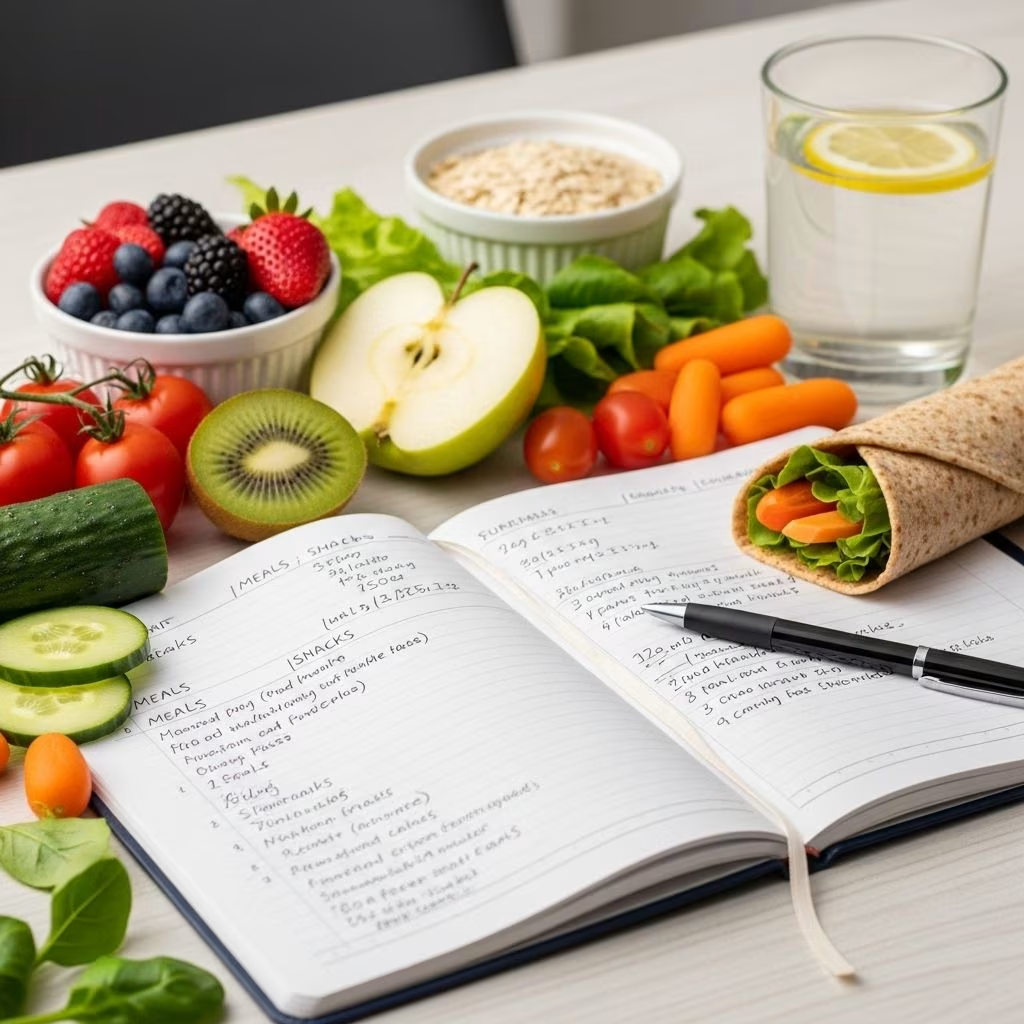
How Keeping a Food Diary Can Transform Your Weight Loss Journey
Can writing down what you eat actually help you lose weight? Many experts and successful dieters say yes—a meticulous food diary can be the missing link between frustrating dieting cycles and true sustainable success. This article explores the science, strategies, real-world experiences, and practical steps for using a food diary as a powerful weight loss tool.
Why Food Diaries Work: The Science of Self-Monitoring
Food diaries, also known as food logs or journals, have long been endorsed by nutrition experts and behavioral psychologists. The rationale is simple: self-monitoring—through regular, honest tracking of food intake—increases awareness and accountability, leading to better decision making and greater success over time.
- Mindfulness: Writing down every bite encourages you to pay attention to what (and why) you eat.
- Accountability: A record makes it harder to ignore unhealthy eating or give in to mindless snacking.
- Pattern Recognition: Over time, you can spot trends, such as emotional eating triggers or times of day when you’re most vulnerable to overeating.
- Behavioral Feedback: Just seeing your eating patterns documented can inspire positive change and prompt you to make healthier choices.
Numerous studies have linked food diary use to successful weight loss and maintenance. In one large-scale research project, participants who logged daily lost twice as much weight as those who didn’t keep records.
How to Start Your Food Diary: Practical Guidelines
Beginning a food diary does not require fancy apps or elaborate spreadsheets. The most important element is consistency and honesty. Here are foundational steps to get started:
- Choose Your Tracking Tool: Options include a classic notebook, a printable template, a note app on your phone, or specialized nutrition tracking apps like MyFitnessPal or LoseIt.
- Record Everything: Write down all meals, snacks, beverages, and even that one piece of candy. Don’t leave out small tastes or sips.
- Note the Time & Location: Logging when and where you eat can reveal patterns—e.g., late-night snacking in front of the TV.
- Capture Your Mood: Record hunger levels and emotions. Are you eating because you’re hungry, stressed, bored, or tired?
- Be Honest, Not Perfect: The goal is accuracy, not judgment. Self-compassion makes long-term tracking more effective and less stressful.
The Surprising Benefits of Writing It All Down
People who have struggled with weight loss often find a food journal brings powerful and sometimes unexpected benefits:
- Awareness of Portion Sizes: Recording intake makes portions more visible, helping curb mindless overeating.
- Breaking Emotional Eating Cycles: Noting your mood allows you to see when and why you overeat, promoting healthier coping strategies.
- Spotting Nutritional Gaps: You may realize, for example, that you rarely eat vegetables or often skip breakfast, and can then take action.
- Celebrating Small Wins: A food diary isn’t just about catching problems—it’s a record of progress, persistence, and positive change.
Real-Life Success: How Food Diaries Lead to Lasting Change
Many individuals credit food logs with their weight loss success. For example, some find that simply having to write down their choices discourages them from unhealthy impulse eating. Others use their diary as a gentle nudge toward better choices—opting for fruit over chips, or plain water instead of soda, just because they know they’ll have to record it later.
One key point: perfection isn’t required. Food diaries that include the occasional treat or slip-up are often more helpful, because they paint an honest picture that can be addressed and improved, rather than hidden away.
What to Include in Your Food Diary
- All foods and drinks (including condiments and extras)
- Serving sizes (estimates are fine—don’t obsess over exact weights or volumes, especially at first)
- Time of consumption
- Location and activity (e.g., eating at the desk, in the car, at the table)
- Physical and emotional state (hungry, tired, bored, anxious, happy, etc.)
From Paper to Smartphone: Should You Use a Physical or Digital Diary?
| Physical Diary | Digital App |
|---|---|
| Simple and distraction-free | Convenient for quick logging, especially on the go |
| Can feel more personal and reflective | Offers calorie calculations and food databases |
| No battery required | May send reminders and track progress visually |
Ultimately, the “best” method is the one you will consistently use. Some people even use both—a notebook for deeper reflection, plus an app for logging on busy days.
Tips for Making Food Journaling Effective (And Not Overwhelming)
- Don’t wait too long to log: Track soon after eating to maximize accuracy.
- Avoid “all or nothing” thinking: Missed a meal or a day? Just start again; consistency over time matters most.
- Be as descriptive as helpful: Instead of “sandwich,” note “turkey sandwich with whole wheat bread, lettuce, tomato, mustard.”
- Review your diary every few days: Look for trends (e.g., high-calorie snacks, skipped meals, or positive changes such as more veggies).
- Set reminders: Use phone alarms or sticky notes at mealtimes to prompt tracking.
The Psychological Power of Self-Reflection
Logging your food isn’t just a physical exercise—it helps foster a healthier relationship with food and your body. Over time, you may become less susceptible to guilt or shame about eating, replacing negative cycles with curiosity, self-compassion, and positive adjustments.
Practiced regularly, food journaling encourages you to ask not, “Did I blow my diet today?” but instead, “What did I learn today that I can use tomorrow?”
Overcoming Challenges: What If Food Journaling Feels Tedious?
It’s common to worry that logging everything will be boring, obsessive, or just another diet chore destined to be abandoned. Here’s how to maintain motivation:
- Start Small: If writing every meal feels overwhelming, start by tracking just one—such as lunch—each day for a week, then build from there.
- Make It Personal: Add mini reflections, daily wins, or positive notes about your mood, energy, or changes you notice.
- Allow Imperfection: Missing a meal or an occasional detail is okay—what counts is your overall commitment and growth.
What the Experts Say: Food Diaries in the Context of Long-term Success
Researchers and clinicians agree: While there is no “magic bullet” for weight loss, those who keep food diaries tend to be more successful at both losing weight and maintaining their results. According to obesity prevention researchers, ingraining a handful of simple habits, such as logging meals and snacks, is more sustainable than drastic ‘all-or-nothing’ efforts. The process not only curbs mindless eating but also highlights areas for growth.
Some key practices of people who maintain a healthy body weight include:
- Regular breakfast consumption
- Mindful eating
- Frequent self-monitoring (weigh-ins, food logs, etc.)
- Consistent meal timing
What If You Slip Up? Handling Mistakes and Moving Forward
No one’s food diary is perfect. Instead of seeing mistakes as failures, treat them as data points to learn from. Did a stressful workday lead to extra snacking? Recognizing patterns like this is the first step toward creating lasting solutions—such as preparing healthy snacks in advance, or developing new ways to manage stress.
Frequently Asked Questions (FAQs)
Q: How long should I keep a food diary to see results?
A: Most people notice increased awareness within a few days. For lasting results, aim to log consistently for several weeks, then review and adjust as needed.
Q: Is it better to record calories or just focus on what and when I eat?
A: Both approaches can work. Beginners may benefit more from simply logging all foods, with calories as an optional add-on later for more precise tracking.
Q: What if I eat out or grab food on the go?
A: Jot down estimated ingredients and serving sizes as best you can. The act of recording matters more than perfect precision—it maintains your mindful approach.
Q: Can a food diary backfire or trigger obsessive behavior?
A: If tracking becomes stressful or starts to heighten anxiety, take a break or reduce detail. The purpose is self-care and learning, not micromanagement. If you have or have had an eating disorder, consult with a healthcare professional before starting detailed tracking.
Q: Do I need to track forever?
A: Most find that after several weeks or months, tracking can be scaled back. By then, many habits and patterns are ingrained. You can always return to journaling if you need a reset or encounter new challenges.
Expert Tips for Staying the Course
- Set specific goals: Instead of aiming for ‘perfection,’ aim to learn something new about yourself each week.
- Enlist support: Consider sharing diary insights with a friend, coach, or support group for extra encouragement and accountability.
- Pair with other habits: Link your journaling to another routine, like morning coffee, for easier consistency.
Final Thoughts: A Simple Tool for Profound Change
While fad diets and quick fixes come and go, the simple food diary remains a quietly powerful tool for fostering mindful eating and building lifelong healthy habits. Whether your goal is weight loss, improved energy, or just learning about yourself, keeping a food journal can provide the insight and motivation to keep moving forward, one meal at a time.
References
- https://www.prevention.com/weight-loss/a20501539/how-to-maintain-weight-loss/
- https://www.prevention.com/weight-loss/a20505548/small-changes-that-take-off-big-pounds/
- https://www.prevention.com/weight-loss/a20433861/follow-this-weight-loss-timeline-to-a-tee-for-results-that-stick/
- https://www.prevention.com/food-nutrition/healthy-eating/a65664887/ultra-processed-foods-weight-loss-gut-health-study/
- https://www.prevention.com/weight-loss/diets/a60578947/how-to-lose-weight-fast-safely/
- https://www.prevention.com/weight-loss/
- https://www.prevention.com/weight-loss-success-stories/
- https://www.prevention.com/weight-loss/a20445219/diet-and-weight-loss-success-story-1/
- https://pmc.ncbi.nlm.nih.gov/articles/PMC8017325/
- https://www.prevention.com/weight-loss/g20482528/this-is-your-perfect-day-for-weight-loss/


