


Does Cold Water Swimming Really Help You Lose Weight?
Cold water swimming is a trend that’s swept the world, promising startling health benefits and a fast track to weight loss. But does immersing your body in icy water truly burn fat and boost health, or is it simply a bracing wake-up call? This article investigates the science and real stories behind this phenomenon.
What Is Cold Water Swimming?
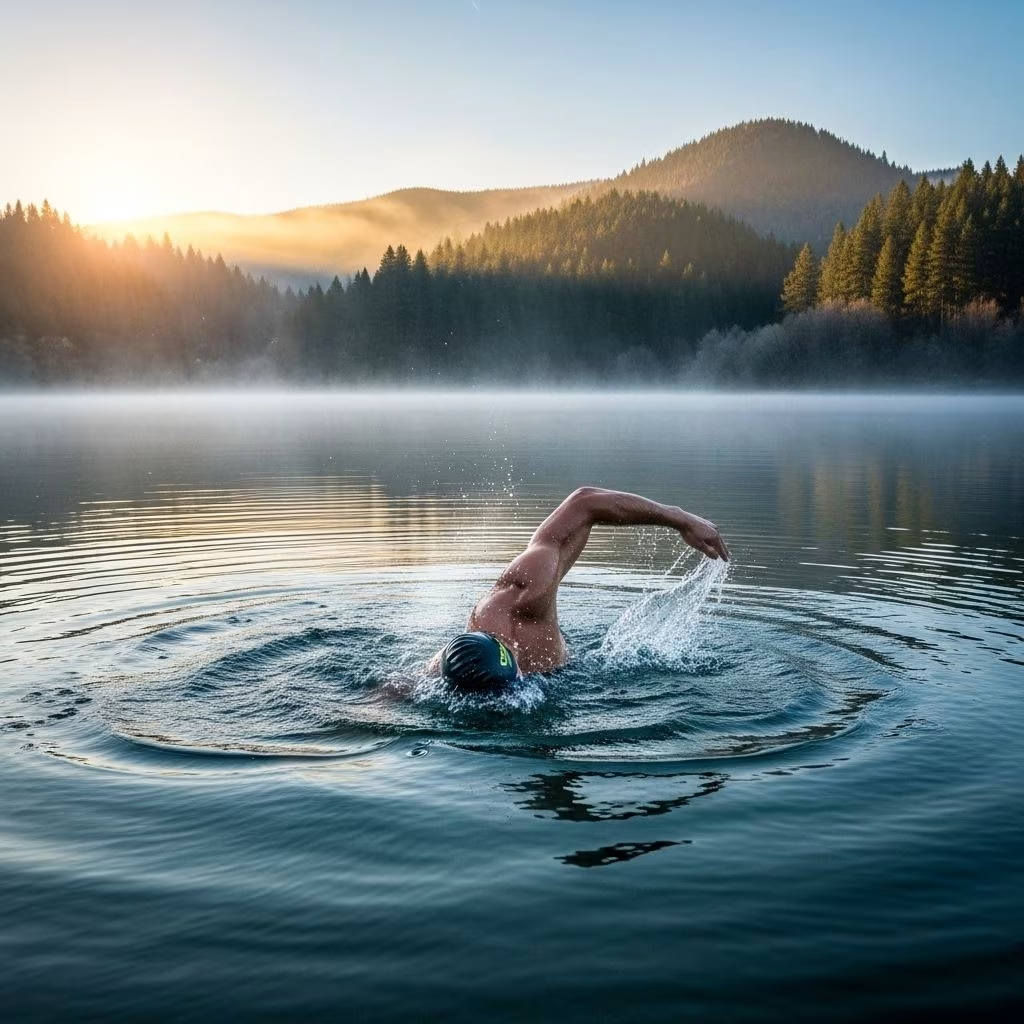
Cold water swimming means submerging the body in water typically below 60°F (15.5°C)—anything from an icy lake dip to regular outdoor swims in the winter. It’s a practice that has enthralled open-water enthusiasts, health fanatics, and those seeking an edge in their weight loss journey.
Why Is Cold Water Swimming So Popular?
- Celebrity buzz: From athletes to wellness influencers, many extol the purported mental and physical health benefits.
- Community: Group swims and challenges create a strong camaraderie among participants.
- Sensory rush: The body’s response to cold immersion triggers a rush of endorphins, making swimmers feel euphoric and invigorated afterward.
How Does Cold Water Swimming Affect the Body?
When you plunge into cold water, your body undergoes immediate physiological and psychological changes:
- Shock response: Your heart rate and blood pressure spike, and you’ll likely gasp for air as your body tries to warm itself.
- Thermogenesis: Your metabolic rate increases since your body has to burn energy to maintain its core temperature.
- Endorphin release: Cold exposure triggers the release of adrenaline and mood-boosting chemicals.
Does It Really Burn More Calories?
One of the biggest claims about cold water swimming is that it burns enormous numbers of calories. Here’s what research and experts conclude:
- Cold exposure can increase metabolic rate, as the body works to generate heat (thermogenesis).
- Actual calorie burn from short exposures is modest; for example, a ten-minute cold plunge might burn only 10–20 more calories than being at rest.
- Prolonged or vigorous swimming in cold water can burn several hundred calories per session, but most claims of ultra-high calorie burn are likely exaggerated.
Key point: If your only goal is strictly calorie burn, classic aerobic exercise or even time in a warm sauna may outpace the benefits gained from a chilly dip.
Science Behind the Fat Burning Claim
Cold water swimming’s weight loss potential is tied not only to calories burned during immersion but to the body’s fat stores, particularly brown fat and white fat:
- Brown adipose tissue (brown fat) is a unique fat type that gets activated by cold temperatures, burning energy to create heat.
- Repeated cold exposure can potentially increase brown fat activity, and reduce “bad” white fat stores—at least in some people.
- Some scientific reviews note that immersing in cold water can cut visceral (“bad”) fat and may protect against obesity and diabetes, especially in men.
However, evidence across studies is mixed due to small sample sizes, gender differences, and study design variability.
Other Proven Health Benefits of Cold Water Swimming
- Boosts immune system: Exposure to cold stimulates the lymphatic system and increases production of certain white blood cells, raising resistance to illness.
- Reduces inflammation: Cold water causes blood vessels to constrict temporarily, helping to limit inflammation and relieve joint pain.
- Improves circulation: The body’s alternating constriction and dilation response enhances cardiovascular health.
- Enhances sleep quality: The exhaustion after a cold water swim, along with core temperature regulation, promotes deeper, more restorative sleep.
- Elevates mood: The endorphin boost and mental clarity resulting from cold exposure can reduce anxiety and symptoms of depression.
Mental Health and the Cold Water High
Many regular cold water swimmers report significant improvements in mood, stress levels, and overall mental health:
- The shock of cold water triggers a release of beta-endorphins, noradrenaline, and dopamine—chemicals that make you feel alert and happy.
- The intense focus required to submerge in cold water helps clear the mind, promoting a state of mindfulness akin to meditation.
- Many find that the practice helps them stay ‘in the present,’ reducing rumination over past and future anxieties.
Does Cold Water Swimming Help Everyone Lose Weight?
Results vary greatly. Here’s why:
- Body adaptation: Some people see more dramatic fat loss or improved metabolism, while others adapt and burn fewer extra calories over time.
- Gender and genetics: Most dramatic results in body fat loss have been observed in men. The effects may differ in women.
- Lifestyle integration: Weight loss is supported when swimming is combined with healthy eating and regular exercise.
| Potential Benefit | Scientific Support Level | Notes |
|---|---|---|
| Calorie Burn | Moderate | Works harder in cold, but not a magic bullet. |
| ‘Bad’ Fat Loss | Emerging, especially in men | Some evidence for visceral fat reduction. |
| Mood & Mental Health | Strong | Consistent anecdotal and scientific evidence. |
| Immunity Boost | Strong | Increased white blood cells and lymph circulation. |
| Inflammation Relief | Strong | Reduces pain/joint issues for many swimmers. |
| Weight Loss (overall pounds) | Mixed | Hard to separate from other lifestyle factors. |
Risks and Safety Concerns
Cold water swimming can be invigorating, but it isn’t risk-free, especially for beginners or those with certain health conditions.
- Cold shock: Sudden immersion can trigger a sharp gasp, hyperventilation, and a spike in heart rate and blood pressure.
- Hypothermia: Prolonged exposure to cold water causes the body’s temperature to drop, risking confusion, loss of coordination, and unconsciousness.
- Heart issues: Anyone with cardiovascular concerns should consult a healthcare provider before attempting cold water swims.
- Never swim alone: Swimming in groups or with safety support is crucial in open water environments.
How to Get Started with Cold Water Swimming
- Start with brief exposures—mere seconds count. Gradually build up duration as your comfort increases.
- Wear a swim cap and consider a wetsuit for extra warmth.
- Always warm up quickly after the swim: dry off, put on layers, and drink a hot beverage.
- Listen to your body. If you feel dizzy, numb, or extremely cold, exit the water immediately.
Stories from Real Cold Water Swimmers
Swimmers of all backgrounds cite a remarkable endorphin rush, mental clarity, and ‘resetting’ of anxiety. Some note modest but meaningful weight loss after making cold water sessions a regular routine—particularly when combined with healthy eating and exercise.
Others join for the physical and mental benefits, sharing tales of improved sleep, more resilient immune function, and greater self-confidence in braving not just the cold, but life’s daily challenges.
Frequently Asked Questions (FAQs)
Can cold water swimming help me lose weight quickly?
Cold water swimming increases calorie burn, but by itself it’s unlikely to cause rapid weight loss. The best results are achieved when combined with a healthy diet and lifestyle.
Why does my mood improve after a cold swim?
The shock activates endorphins and other “feel-good” chemicals. Many experience a lift in energy, focus, and an overall improved outlook.
Does cold water swimming boost immunity?
Regular cold dips can stimulate the lymphatic system and elevate white blood cell production, potentially strengthening your immune defense.
Is it safe for everyone to swim in cold water?
Not always. People with heart conditions or other health concerns should consult a doctor first. Always swim with a buddy and know your limits.
How often should I do it for health benefits?
Some studies suggest as little as 11 minutes total per week (e.g., 90 seconds daily or a few short sessions weekly) can provide health advantages. Consistency matters more than duration.
Final Thoughts: Is Cold Water Swimming For You?
Cold water swimming can be a bracing, mood-boosting practice with real benefits for immunity and mental health. Some people may experience increased calorie burning and modest reductions in body fat, especially as part of a healthy, balanced life. However, for dramatic weight loss, it’s best viewed as a fun, invigorating supplement—not a miracle solution. Always prioritize safety, start slowly, and enjoy the journey.
References
- https://www.hopefloatsusa.com/blog/how-cold-water-immersion-can-help-you-lose-weight
- https://www.swimnow.co.uk/health-and-wellbeing/the-benefits-of-cold-water-swimming/
- https://swimswam.com/cold-water-swimming-benefits-and-tips-for-beginners/
- https://www.sciencedaily.com/releases/2022/09/220923090945.htm
- https://www.fitandwell.com/features/six-benefits-of-cold-water-swimming
- https://www.menshealth.com/uk/health/g39862560/cold-water-swimming-fat-burning-study/
- https://www.sciencefocus.com/the-human-body/taking-the-plunge-does-cold-water-swimming-have-health-benefits
- https://www.youtube.com/watch?v=L5ibWBuGwG4


