


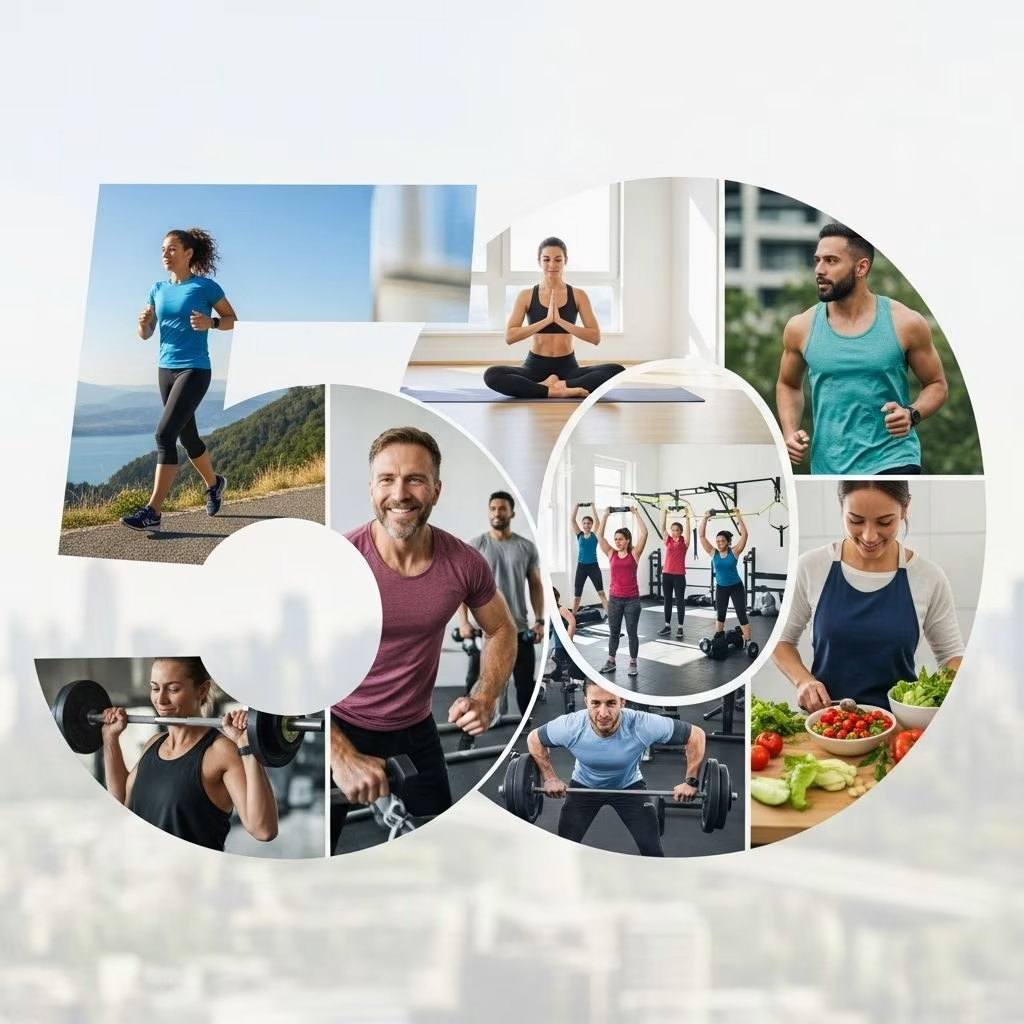
50 Expert-Backed Ways to Lose 10 Pounds Fast
Shedding 10 pounds can feel daunting—whether you’re just starting a weight-loss journey or have hit a stubborn plateau. But with the right blend of smart eating, consistent exercise, and simple lifestyle tweaks, it’s achievable for almost anyone. This guide details 50 proven tips to help you lose 10 pounds in a healthy, sustainable way, based on insights from leading nutritionists, trainers, and behavioral experts.
Introduction: Why Losing 10 Pounds Can Be Challenging
Dropping 10 pounds may sound simple, but the process is nuanced. Factors such as age, gender, physical activity, and metabolic rate all influence how readily your body sheds weight. If you’re already lean or have lost weight before, it may take extra strategy to lose that last bit. The following methods are expert-approved, practical, and adaptable—pick those that fit your lifestyle and commit for the best results.
17 Eating Habits to Lose 10 Pounds Fast
- Start with a food diary. Track everything you eat (even small bites) to become more aware of how much you’re actually consuming. Awareness is the first step.
- Eat mindfully. Take time to eat slowly, savoring every bite to recognize fullness signals and reduce overeating.
- Watch portion sizes. Serving meals in smaller bowls or plates and following recommended portions helps control calorie intake.
- Cut back on added sugars. Sugar-sweetened drinks, desserts, and processed snacks can quietly add hundreds of calories per week.
- Prioritize protein at every meal. Eggs, fish, beans, and lean meats preserve muscle and prolong fullness.
- Swap refined grains for whole grains. Choose oatmeal, quinoa, or brown rice over white bread and pasta to boost fiber and metabolism.
- Load half your plate with vegetables. Filling up on non-starchy veggies increases volume without adding many calories.
- Limit liquid calories. Avoid or minimize soda, energy drinks, and even fruit juice. These rarely satisfy and easily expand your calorie budget.
- Plan and prep meals at home. Home-cooked food gives you full control over ingredients and portions, leading to more consistent results.
- Don’t skip breakfast. A morning meal high in protein and fiber sets a healthy tone for the entire day.
- Reduce sodium. High salt intake can cause water retention, so dial it down by eating fewer processed foods and avoiding the salt shaker.
- Hydrate adequately. Drinking water (especially before meals) may prevent mistaking thirst for hunger and decrease unnecessary snacking.
- Limit eating out. Restaurant meals are often higher in calories, sodium, and hidden fats. Save dining out for special occasions.
- Eat more slowly. It takes time for your brain to register fullness; aim for at least 20-30 minutes per meal.
- Reduce simple carbohydrates. Foods such as pastries, white bread, and chips are quickly digested and less satiating than complex carbs and protein.
- Increase meal frequency mindfully. Three meals and one or two small snacks can keep metabolism steady—just keep portions in check.
- Include healthy fats. Avocados, nuts, seeds, and olive oil help you feel satisfied and absorb nutrients more efficiently.
14 Foods and Beverages that Promote Weight Loss
- Leafy greens (spinach, kale, romaine): Low in calories, high in satiety and nutrients.
- Salmon and other fatty fish: Protein-rich and full of omega-3s, which may reduce inflammation and promote fat loss.
- Lean poultry (like chicken or turkey breast): Satisfies hunger and keeps calories controlled.
- Eggs: Versatile and highly filling, ideal for breakfast or snacks.
- Beans and lentils: Fiber-rich and an excellent plant-based protein source that helps control blood sugar.
- Whole grains: Oats, barley, brown rice, and quinoa offer filling fiber and sustained energy.
- Cruciferous vegetables (broccoli, cauliflower, Brussels sprouts): Help fight belly fat and support digestion.
- Berries: High in fiber and antioxidants, with satisfyingly sweet flavor for few calories.
- Greek yogurt: Offers more protein than regular yogurt, along with probiotics for gut health.
- Apples and pears: Both offer filling fiber—especially when eaten with the skin on.
- Nuts (in moderation): Almonds, walnuts, and cashews offer protein and healthy fats; keep portions small, since they’re calorie-dense.
- Green tea: Some studies suggest it may help boost metabolism due to antioxidants called catechins.
- Coffee (black or with minimal cream): Its natural caffeine content may curb appetite and increase burning of stored fat in moderation.
- Water: Staying hydrated can reduce bloating, encourage fat loss, and help prevent mindless munching.
13 Exercise Strategies for Faster Results
- Embrace strength training. Build lean muscle with weights or resistance bands for a metabolism boost—even at rest.
- Try high-intensity interval training (HIIT). Short bursts of intense effort, switched up with rest, can burn more calories in less time than steady cardio.
- Walk more daily. Add an extra 2,000-3,000 steps to your baseline step count for steady progress.
- Combine cardio and resistance. A mix of running, cycling, and bodyweight exercises helps burn fat and sculpt muscle.
- Take the stairs. Skip the elevator for a higher calorie burn throughout your days.
- Set workout reminders. Schedule exercise appointments in your calendar—and treat them as non-negotiable.
- Try fitness classes. Group workouts foster accountability and introduce new movement styles.
- Harness non-exercise activity. Grocery shopping, yardwork, playing with your kids—these all add up to a higher daily burn.
- Add stretching and mobility work. Yoga or dynamic stretching minimizes injury risk and keeps your routine consistent.
- Use interval timers. Timed sets help you stay focused, minimize rest, and get more done in less time.
- Have a workout buddy. Exercising with a friend or partner boosts motivation and provides support.
- Mix up your workouts regularly. Progress stalls with monotony; challenge body and mind by trying new exercises.
- Track your progress. Use a log, fitness watch, or photos to stay accountable and notice changes you might otherwise miss.
6 Lifestyle Changes to Support Your Goal
- Prioritize quality sleep. Aim for 6-8 hours nightly to optimize recovery, appetite hormones, and energy levels.
- Manage chronic stress. Practice relaxation techniques like deep breathing, journaling, or meditation to reduce emotional eating triggers.
- Set clear, specific goals. Instead of focusing only on the scale, define goals like completing regular workouts, following a meal plan, or drinking more water.
- Surround yourself with support. Tell friends and family about your goals, or join online communities for accountability.
- Celebrate progress along the way. Reward yourself for small wins (but not with food)—a new book, workout gear, or a night out with friends.
- Visualize your success. Use reminders, vision boards, or affirmations to keep your end goal in mind daily.
Quick Reference: Best Strategies by Category
| Category | Top Tip | Why It Works |
|---|---|---|
| Eating Habits | Track what you eat | Boosts awareness and reveals hidden calories |
| Foods & Beverages | Increase protein and fiber intake | Improves fullness and preserves muscle |
| Exercise | Combine strength and cardio | Burns calories while shaping your body |
| Lifestyle | Sleep 7 hours nightly | Enhances hormonal balance and willpower |
Frequently Asked Questions (FAQs)
How quickly can I lose 10 pounds healthily?
Most experts suggest aiming for 1-2 pounds per week, resulting in a realistic timeline of 5-10 weeks. Faster results may not be sustainable or healthy for everyone, so prioritize steady progress over extreme shortcuts.
Are there ways to lose 10 pounds without exercise?
Yes, weight loss can be achieved through dietary changes alone, such as reducing calorie intake and improving food quality. However, exercise helps preserve muscle mass, benefits health, and makes results easier to maintain.
Why is water intake emphasized so much?
Water supports metabolism, controls appetite, helps shed excess sodium, and can immediately reduce bloating and water retention. For some, increasing water intake kickstarts visible loss in the first week.
What if I hit a weight-loss plateau?
Plateaus are normal. Break through by mixing up your exercise routine, reassessing calorie intake (as your body’s needs shrink with weight loss), or focusing on new goals like strength or flexibility.
How do I keep the weight off long-term?
Sustainable habits matter most. Maintain a routine of mindful eating, regular movement, self-check-ins, and community support—even after you reach your 10-pound target.
Key Takeaways
- Losing 10 pounds is achievable with a strategic blend of smart eating habits, movement, and lifestyle changes.
- Pick a handful of methods that align with your current habits, and focus on building lasting routines rather than perfection.
- Track progress, stay mindful, and don’t be discouraged by slow weeks—a steady approach leads to lasting success.
Bonus Tips for Staying Motivated
- Take progress photos—a visual reminder of how far you’ve come.
- Set milestone rewards that don’t involve food.
- Share your journey with a friend or online group for accountability.
- Revisit your motivation and adapt your approach as you learn what works.
References
- https://www.eatthis.com/how-to-lose-10-pounds-fast/
- https://www.prevention.com/weight-loss/a20437039/100-easy-tricks-to-move-more-and-lose-weight/
- https://www.prevention.com/weight-loss/a20456499/52-simple-weight-loss-tips/
- https://www.prevention.com/weight-loss/g20498713/lose-weight-without-trying/
- https://www.prevention.com/weight-loss/g20450133/50-ways-to-lose-10-pounds/
- https://www.prevention.com/weight-loss/g20494908/how-to-start-losing-weight/
- https://www.prevention.com/weight-loss/g20511161/number-one-major-weight-loss-tip/
- https://www.prevention.com/weight-loss/g20487308/how-to-stop-losing-and-gaining-the-same-10-pounds/
- https://www.prevention.com/weight-loss/a30188568/lose-weight-without-exercise-0/
- https://www.prevention.com


