


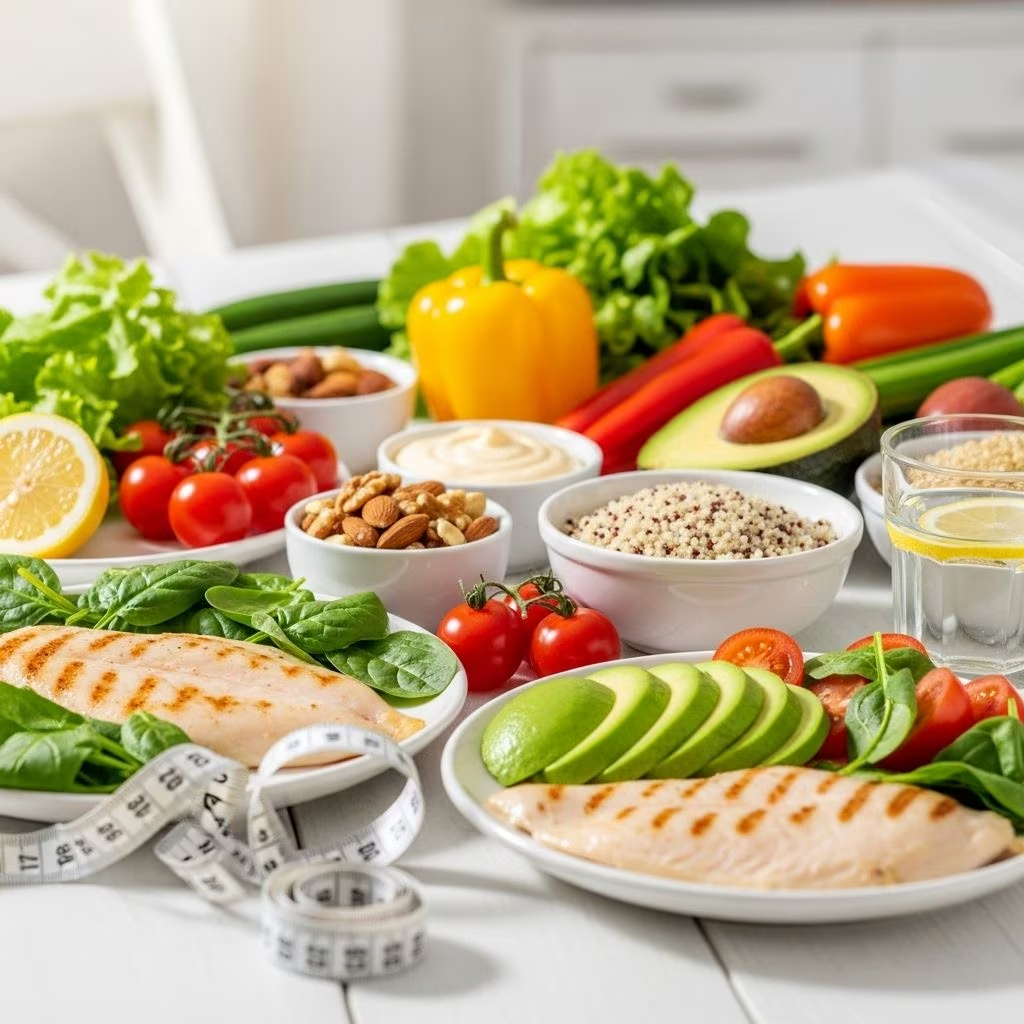
The South Beach Diet has become one of the most recognized weight loss plans, loved for its flexible approach to healthy eating and sustainable results. Developed by cardiologist Dr. Arthur Agatston, this diet emphasizes the selection of the “right” carbohydrates and fats, and is structured in three distinct phases designed to promote effective weight loss without deprivation or hunger.
What Is the South Beach Diet?
The South Beach Diet isn’t simply about cutting carbs or fat. Instead, it encourages making smarter choices when it comes to both carbohydrates and fats by focusing on their nutritional quality and glycemic index. This approach aims to maintain steady blood sugar, reduce cravings, and ultimately support long-term health and successful weight management .
- Emphasizes “good” carbs and “good” fats while avoiding those considered “bad.”
- Three-phase structure that evolves from rapid weight loss to lifelong maintenance.
- No calorie counting or strict portion control—the focus is on food choices rather than quantity.
Throughout its phases, the diet promotes plenty of lean protein, fresh vegetables, healthy oils, and fiber-rich foods, with minimal processed and sugary foods. It’s designed to be practical and adaptable, making it easy to stick with over the long term.
Origin and Philosophy
Dr. Arthur Agatston originally formulated the South Beach Diet in the late 1990s to help his heart patients manage their cholesterol and blood sugar. The plan quickly gained popularity after the release of his best-selling book in 2003, resonating with people seeking a science-based, less restrictive diet that didn’t leave them feeling deprived .
- Addresses the overconsumption of refined carbohydrates and unhealthy fats common in the Western diet.
- Focuses on glycemic index: avoids foods that cause rapid spikes in blood sugar.
How Does the South Beach Diet Work?
The South Beach Diet is divided into three phases, each with specific goals and food guidelines. The structure is designed to help participants adapt gradually, reducing cravings and establishing lasting eating habits .
| Phase | Duration | Main Goal | Characteristic Foods |
|---|---|---|---|
| Phase 1 | 2 weeks | Rapid weight loss, curb cravings | Lean protein, non-starchy vegetables, healthy fats, nuts; excludes fruit, grains, sugar |
| Phase 2 | Until goal weight is reached | Gradual, steady weight loss | All Phase 1 foods plus fruit, whole grains, low-fat dairy |
| Phase 3 | Lifelong | Maintenance and healthy living | All foods in moderation, emphasizing balanced choices |
Phase 1: The Kick-Start
This 14-day phase is the strictest, designed to help reset your metabolism and reduce cravings for sugar and refined foods. Fruits, grains, and most carbs are restricted, while meals focus on high-protein foods, non-starchy vegetables, nuts, and healthy fats .
- 3 main meals daily plus 2 snacks (typically lean protein and vegetables).
- Sample foods: chicken, turkey, fish, eggs, cheese, nuts, salad with olive oil.
- No bread, rice, pasta, potatoes, fruit, or sweets.
- Typical weight loss: 8–13 lbs (3.5–6 kg) in 2 weeks.
By the end of Phase 1, most people have reduced cravings and stabilized hunger, setting them up for more sustainable weight loss in Phase 2.
Phase 2: Steady Progress
Beginning on day 15, Phase 2 is less restrictive. Healthy “good carbs” like fruits and whole grains are gradually added back in small amounts. The aim is a gradual, steady weight loss* until your target is reached .
- Reintroduce foods: berries, apples, brown rice, whole wheat pasta, certain types of alcohol in moderation.
- Average weight loss: 1–2 lbs (0.5–1 kg) per week.
This phase may continue for several weeks or months, depending on your weight loss goals and progress.
Phase 3: Maintenance for Life
After reaching your goal weight, you transition to Phase 3, adopting the diet’s core principles as a lifelong approach. All foods are permitted in moderation, so you’re equipped to make good choices even at social events or dining out .
- Use the skills and habits developed in Phases 1 and 2 to maintain weight.
- If old habits return or weight is regained, a brief return to Phase 1 is recommended.
What Foods Are Allowed and Forbidden?
A hallmark of the South Beach Diet is its clear distinction between “good” and “bad” carbs and fats. Here’s a breakdown of what you can expect in each phase:
Phase 1 (strictest)
- Allowed: Lean meats (chicken, beef, pork), fish and seafood, eggs, tofu, low-fat dairy, non-starchy vegetables (spinach, tomatoes, broccoli, peppers), nuts, seeds, olive oil, and avocado.
- Forbidden: Bread, rice, pasta, potatoes, all fruit, sugar, baked goods, juice, alcohol.
Phase 2 (more variety)
- Added: Fruit (berries, apples, peaches), whole grains (brown rice, oatmeal, quinoa, whole wheat pasta), and some alcohol in moderation (wine).
- Still limited: Refined grains and sugars.
Phase 3 (maintenance)
- No food is strictly off-limits.
- Emphasis remains on: Balanced meals, lots of vegetables, lean protein, healthy fats, and occasional treats in moderation.
Sample Day on the South Beach Diet
Wondering what a typical day might look like? Here’s a sample Phase 1 meal plan:
- Breakfast: Two eggs scrambled in olive oil with spinach and tomatoes
- Snack: Low-fat string cheese and celery sticks
- Lunch: Grilled chicken breast over mixed greens with cucumbers and olives, dressed with vinaigrette
- Snack: Handful of almonds
- Dinner: Salmon fillet with steamed asparagus and roasted peppers
The Science Behind the Diet
The South Beach Diet’s focus on glycemic index and nutrient quality aims to stabilize blood sugar, reduce insulin spikes, and restore natural hunger cues. Studies support many of these principles, showing that low-glycemic and balanced diets with lean proteins, fiber, and healthy fats can help:
- Reduce cravings and overeating
- Improve blood cholesterol and triglycerides
- Lower risk factors for diabetes and heart disease
- Support sustained weight loss
However, some critics note that while the diet’s core ideas are solid, its early phases may be too restrictive for some and can pose risks of temporary fatigue or digestive issues if not carefully balanced .
Health Benefits
- Rapid initial weight loss, which can be motivating
- Improved blood sugar control, potentially reducing the risk of type 2 diabetes
- Increased intake of fiber-rich and nutrient-dense foods
- Emphasis on heart-healthy fats, such as olive oil and omega-3-rich fish
- Encourages exercise as part of a healthy lifestyle
Possible Risks and Side Effects
- Temporary side effects in Phase 1:
- Headache, fatigue, dizziness, dry mouth, constipation, or bad breath
- These symptoms typically subside as more carbohydrates are reintroduced in later phases
- Lack of vitamins/fiber in early phase if not carefully planned
- Not suitable for everyone—those with specific medical needs or history of eating disorders should consult with a healthcare professional
South Beach Diet vs. Other Diets
| Feature | South Beach Diet | Ketogenic Diet | Traditional Low-Fat Diet |
|---|---|---|---|
| Carb Restriction | Moderate (strict initially, liberalizes) | Very low, <20–50g/day | Minimal |
| Fat Focus | Healthy fats encouraged | High fat, including saturated | Low fat |
| Long-Term Flexibility | High | Low–Moderate | High |
| Emphasis on Glycemic Index | Yes | No | No |
Practical Tips for Success
- Prep your meals—plan ahead to avoid high-carb temptations.
- Snack smart with nuts, cheese, and veggies to curb hunger.
- Experiment with herbs, spices, and healthy sauces for flavor without extra carbs.
- Stay hydrated.
- Incorporate physical activity—walking, strength training, or any preferred exercise.
- Don’t skip snacks or meals—the diet is designed for satisfaction, not deprivation.
Frequently Asked Questions
Q: Will I be hungry on Phase 1?
A: Most people report feeling satisfied, as the diet includes frequent meals and snacks built around protein and healthy fats designed to control hunger and cravings.
Q: Is the South Beach Diet safe in the long term?
A: The flexible, nutritionally balanced maintenance phase is healthy for most people. However, individuals with existing health conditions should consult a professional before starting any new diet.
Q: Can vegetarians follow the South Beach Diet?
A: Yes, with planning. Emphasize eggs, tofu, nuts, seeds, low-fat dairy, and legumes, especially in later phases.
Q: Is exercise required?
A: While not strictly required, exercise is strongly encouraged in all phases for best results and overall health.
Q: What if I fall off the plan?
A: Simply return to Phase 1 for a week or two to get back on track, then proceed with maintenance as usual—the diet is designed for flexibility and real-life challenges.
Final Thoughts: Is the South Beach Diet Right for You?
The South Beach Diet’s phased approach removes the guesswork from healthy eating, making it simpler to lose weight, balance your blood sugar, and maintain results for life. Its focus on balanced nutrition, portion control by food type, and flexible transition to maintenance offers many people a satisfying and sustainable path to improved health.
However, as with any diet, it’s essential to tailor choices to your own body and consult a healthcare provider if you have any underlying conditions before beginning.
References
- https://www.healthline.com/nutrition/south-beach-diet
- https://www.fpmx.com.au/resources/patients/The-South-Beach-Diet.pdf
- https://www.bostonspecialists.org/south-beach-diet
- https://en.wikipedia.org/wiki/South_Beach_Diet
- https://palm.southbeachdiet.com/all-new-south-beach-diet/
- https://resources.healthgrades.com/right-care/food-nutrition-and-diet/south-beach-diet
- https://www.mayoclinic.org/healthy-lifestyle/weight-loss/in-depth/south-beach-diet/art-20048491
- https://www.webmd.com/diet/south-beach-diet-what-it-is


