


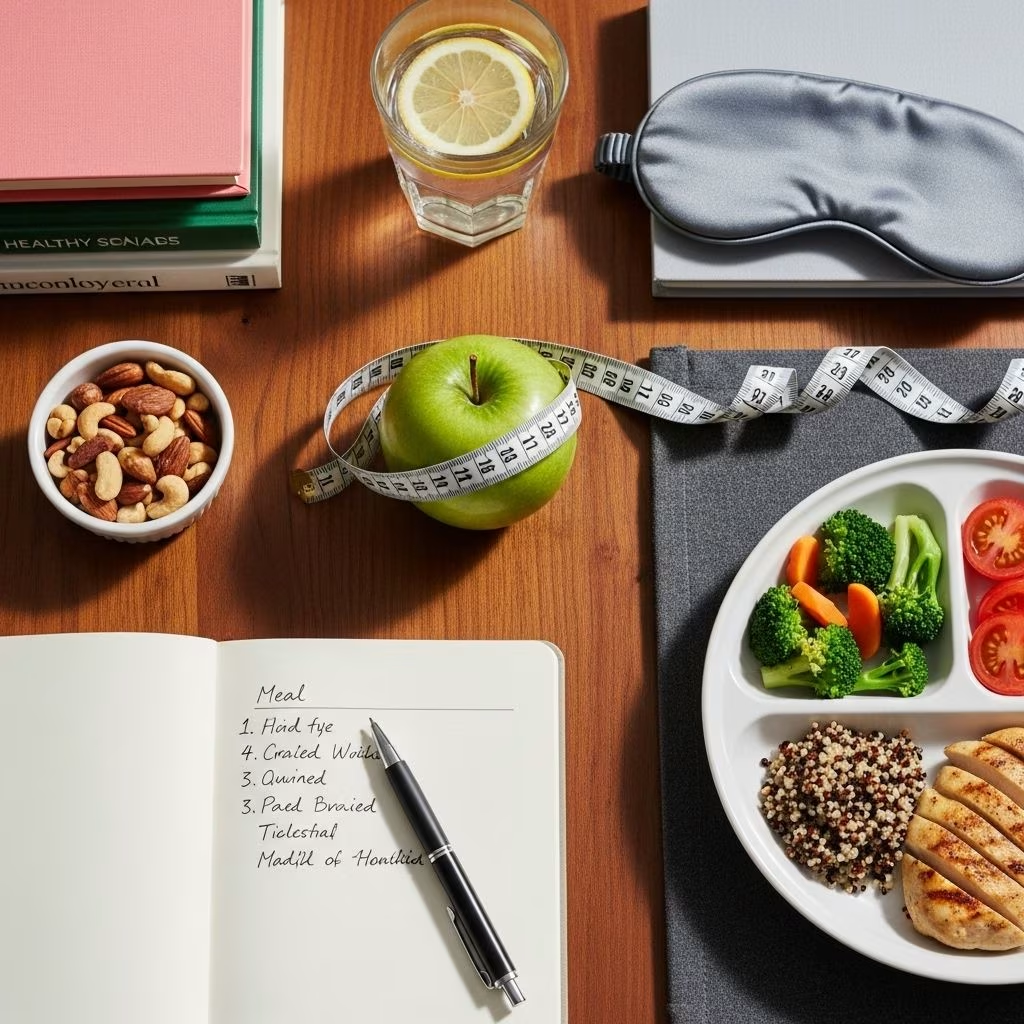
10 Science-Backed Strategies to Lose Weight Without Exercise
If dedicating hours at the gym or following intense fitness routines isn’t feasible for you, there’s promising news: you can lose weight without traditional exercise. Modern research shows that key changes in nutrition, lifestyle, and mindset are powerful tools for shedding pounds. In this guide, discover ten expert-recommended, evidence-based strategies to help you reach your weight loss goals—no burpees, sprints, or heavy weights required.
Why Nutrition Is Key
Nutrition is perhaps the single most important factor in weight management, often outweighing the role of exercise—literally. As Dr. Spencer Nadolsky, an obesity and lipid specialist, affirms, “Nutrition, including both what and how much we eat, is by far the most important aspect for losing weight.” You can incidentally accumulate movement in your day, but deliberate choices around food require intention. The bottom line: controlling calorie intake and the quality of calories has profound effects on your weight, energy, and even how satisfied you feel after eating.
1. Don’t Drink Your Calories
Sipping sugary coffees, sweetened beverages, juices, and even health drinks can quickly escalate daily calorie intake. Research shows that calories consumed in liquid form are less satisfying than those from solid food, leading you to eat more later. This is partly because drinks don’t trigger the same fullness signals in your brain, increasing the temptation to overeat.
- Opt for water, herbal teas, or black coffee
- If plain water bores you, add slices of fruit or mint leaves with an infuser bottle for natural flavor
- Avoid energy drinks and high-calorie coffee shop orders loaded with syrups, cream, or sugar
Tip: Set a daily goal for water intake (e.g., at least eight 8-oz glasses) and keep a bottle handy at all times.
2. Eat More Mindfully
Mindful eating means tuning in to your body’s hunger and fullness cues and shifting your focus from multitasking to your meal. Studies demonstrate that when we eat distracted—watching TV, working at our desks, scrolling smartphones—we tend to consume more calories and feel less satisfied.
- Eat slowly and chew thoroughly; give your brain time to register fullness
- Eliminate screen time or other distractions at meals
- Focus on the flavors, textures, and aromas of your food
- Pause mid-meal to check in with your hunger
Tip: Consider using smaller plates and bowls to help manage portions visually.
3. Cut Out Diet Sodas
It’s tempting to think that diet sodas are a harmless swap, but mounting evidence suggests the opposite. Studies have found that children and teens who drink diet beverages often end up eating more calories overall, and that these drinks may be linked to weight gain in adults, too. In some cases, artificial sweeteners can disrupt appetite regulation and intensify cravings for high-calorie foods.
- Replace diet sodas with sparkling water and a squeeze of fresh citrus
- Infuse plain water with berries or cucumber for reusable, sugar-free flavor
4. Boost Your Non-Exercise Activity (N.E.A.T.)
N.E.A.T. (Non-Exercise Activity Thermogenesis) refers to all the calories you burn through movements that aren’t formal exercise routines—think fidgeting, pacing while on calls, taking the stairs, cooking, or folding laundry. According to experts, N.E.A.T. can account for as much as 40% of your daily calorie burn, and these small bursts of extra activity can add up dramatically over time.
- Walk around your home or office during phone calls
- Stand while folding laundry or cooking
- Do light chores or stretch breaks between work tasks
- Increase steps by parking farther away or taking stairs instead of elevators
Tip: Set reminders to move for a few minutes every hour—these microbursts of movement boost metabolism.
5. Emphasize Minimally Processed Foods
Recent research highlights that minimally processed, whole foods are more effective for weight loss and overall health than ultra-processed foods, even when calorie counts are similar. Diets rich in fresh vegetables, fruits, lean proteins, and whole grains not only help you lose more body fat but also result in fewer cravings, better digestion, and improved metabolic outcomes.
- Favor foods that are as close to their natural state as possible
- Avoid foods with long ingredient lists, artificial additives, or unrecognizable items
- Cook more meals at home, where you can control ingredients and preparation methods
| Minimally Processed | Ultra-Processed |
|---|---|
| Fresh fruits, vegetables, eggs, grilled chicken | Soda, chips, pre-packaged desserts |
| Steel-cut oats, brown rice | Sweetened cereals, instant noodles |
| Plain yogurt, nuts, seeds | Flavored yogurt, processed cheese slices |
6. Prioritize Foods That Support Fullness and Satiety
To avoid hunger pangs and support long-term adherence, target foods that help you feel full on fewer calories. According to nutrition experts, these are generally foods high in protein, fiber, and water. Protein slows digestion and signals satiety hormones, while fiber and water bulk up food volume without many calories.
- Lean proteins: chicken, fish, tofu, Greek yogurt, eggs
- High-fiber: beans, lentils, whole grains, berries, apples, leafy greens
- High-water: cucumbers, tomatoes, melons, broth-based soups
Pro Tip: Incorporate protein in every meal and snack to curb hunger between meals.
7. Be Intentional: Track Your Intake
You don’t need to obsessively count every calorie, but having some record of what you eat is a proven strategy for losing weight. Tracking—whether via a food diary, an app, or simply snapping meal photos—builds self-awareness and can reveal patterns or hidden sources of excess calories.
- Note portions, meal times, and feelings before and after eating
- Spot trends, like stress eating or mindless snacking, that hinder progress
- Adjust habits and food environments in response to these insights
Tip: Review your intake weekly to identify small, realistic changes for better results.
8. Structure Your Food Environment
The surroundings in which you eat play a significant role in shaping your choices and portions—even more than willpower. Studies show we tend to eat what’s most visible, accessible, and convenient. Rearranging kitchens, pantries, and office snacks can create a supportive setting for healthy eating.
- Keep fresh fruits and pre-cut veggies at eye level
- Store sweets or processed snacks out of reach or in opaque containers
- Use smaller serving dishes to encourage appropriate portions
- Prep healthy snacks for busy times in advance
9. Build Sustainable Habits
Rapid, drastic changes rarely last. Instead, successful weight loss comes from a series of manageable, daily habit shifts. Experts recommend focusing on one change at a time—and giving yourself grace for setbacks. Consistency over months—not days—produces the best long-term results.
- Set realistic, specific goals (e.g., “eat a vegetable at every meal” rather than “eat healthier”)
- Celebrate small wins: every healthy choice adds up
- Plan for challenges (holidays, travel, stress) and brainstorm healthy solutions in advance
- Don’t punish slip-ups; get back on track at the next meal
Frequently Asked Questions
Q: Can I lose weight without going to the gym?
A: Yes. You can lose weight by creating a calorie deficit through nutrition and non-exercise activities, as well as prioritizing minimally processed foods and mindful eating.
Q: Are there risks to cutting out exercise entirely?
A: While exercise has many health benefits, dietary control and NEAT can support weight loss without formal workouts. However, regular movement is still vital for heart health, mood, and muscle maintenance.
Q: What is the biggest nutrition mistake people make for weight loss?
A: Relying on heavily processed ‘diet’ foods or beverages, extreme calorie restrictions, and ignoring portion sizes often backfire. Instead, focus on whole foods, steady habits, and gradual changes.
Q: How can I make water more interesting if I don’t like it plain?
A: Use a water infuser with slices of citrus, berries, cucumber, or mint. Sparkling water with a splash of juice can also be refreshing and low-calorie.
Takeaway
Weight loss is more than exercise or counting calories—it’s a holistic approach that prioritizes nutrition, daily movement, mindful habits, and environments that make healthy choices easier. By focusing on these ten science-backed strategies, you can set yourself up for lasting, sustainable results—without ever stepping foot in a gym.
References
- https://www.prevention.com/weight-loss/a30188568/lose-weight-without-exercise-0/
- https://www.prevention.com/weight-loss/g24805401/fat-burning-foods/
- https://www.prevention.com/food-nutrition/healthy-eating/a65664887/ultra-processed-foods-weight-loss-gut-health-study/
- https://www.prevention.com/weight-loss/
- https://www.prevention.com
- https://www.prevention.com/weight-loss/a20500284/this-woman-lost-15-pounds-by-exercising-only-10-minutes-a-day/
- https://www.ncbi.nlm.nih.gov/books/NBK603752/
- https://www.prevention.com/weight-loss/a20465042/lose-weight-over-40/
- https://www.cdc.gov/diabetes/articles/weight-loss-stories.html
- https://pmc.ncbi.nlm.nih.gov/articles/PMC3623013/


