


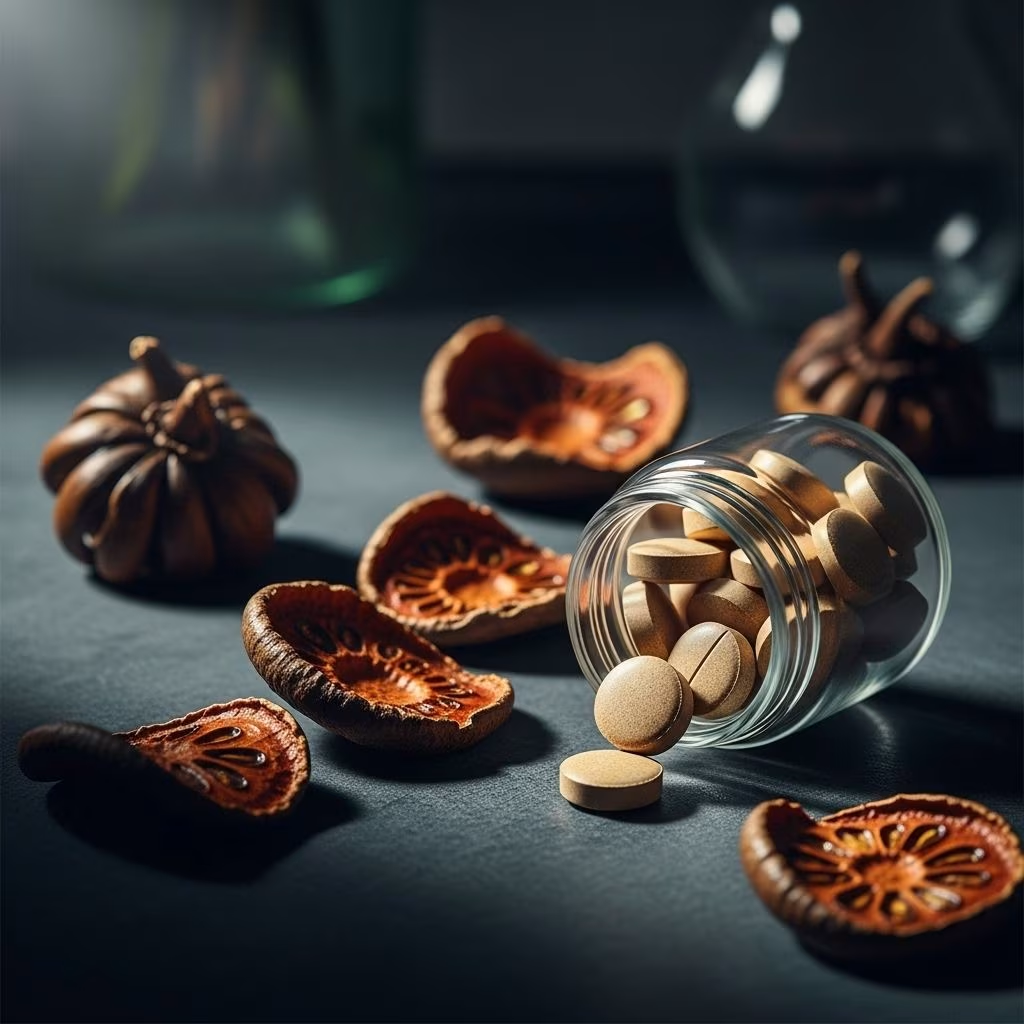
Once hailed as a miracle weight loss solution, Garcinia cambogia has become widely available in countless dietary supplements and health food stores. Before you reach for these pills in pursuit of quick weight loss, it’s essential to understand the growing scientific and medical concerns surrounding their safety. This in-depth article examines the risks, misunderstood benefits, regulatory oversight, and the real consequences of consuming Garcinia cambogia-based products.
What is Garcinia Cambogia?
Garcinia cambogia is a small, pumpkin-shaped tropical fruit native to Southeast Asia and India. Its rind contains large amounts of hydroxycitric acid (HCA), the purported active ingredient credited with weight loss effects. While some animal and test tube studies suggested HCA may help suppress appetite or block fat production, these claims have not been consistently borne out in rigorous human trials.
Why Did Garcinia Cambogia Become So Popular?
Garcinia cambogia reached peak notoriety after repeated endorsements on television and the internet, especially following its mention by celebrity doctors as a ‘revolutionary fat buster.’ Advertising campaigns extolled its natural origins and promised outcomes like rapid weight loss with minimal effort. Despite the hype, scientific skepticism about Garcinia’s true efficacy always lingered in the background.
- Celebrity Promotion: Endorsements created demand and lent legitimacy to an unproven product.
- Natural Labeling: Marketed as a “natural” alternative, increasing consumer appeal.
- Easy Availability: Found in supermarkets, pharmacies, and online, making access simple and widespread.
The Science Behind Garcinia Cambogia’s Weight Loss Claims
Many turn to Garcinia cambogia supplements due to bold promises, but what does the research actually show?
- Limited Evidence: Multiple major clinical reviews have found little or inconsistent evidence that Garcinia cambogia promotes meaningful weight loss in people.
- Short-Term, Marginal Impact: Any weight loss reported was typically small (less than 2 pounds on average) and not maintained long term.
- Conflicts of Interest: Many studies were funded by supplement makers, raising concerns about bias and selective reporting.
Emerging Safety Concerns and the Role of HCA
Most worrisome are widespread reports—and now, official warnings—about potentially severe health risks linked to Garcinia cambogia and its active ingredient, HCA.
1. Liver Damage and Hepatic Failure
The most serious concern is drug-induced liver injury. Cases have emerged globally, ranging from mild elevations in liver enzymes to fulminant hepatic failure requiring emergency transplantation. The evidence shows:
- Reports of liver toxicity and hepatitis linked directly to Garcinia cambogia, sometimes after only a few weeks of use.
- Cases where Garcinia cambogia was the only suspected or confirmed trigger, including in patients with no previous liver issues.
- Hospitalizations and even deaths have been documented as a direct result of supplement use.
Users should watch for signs like jaundice (yellowing of the skin or eyes), severe fatigue, abdominal pain, and dark urine, and seek immediate medical attention if symptoms arise.
2. Psychiatric and Cardiovascular Effects
Beyond the liver, physicians report:
- Psychiatric disturbances, including mood swings and anxiety.
- Cardiac arrhythmias and risk of heart problems.
- Muscular damage, including rare cases of rhabdomyolysis (muscle breakdown).
3. Digestive Issues
Common, though less life-threatening, adverse events include:
- Nausea
- Diarrhea
- Headache
- Abdominal cramps
History of Regulatory Warnings
Several governmental agencies and scientific societies internationally have issued official alerts:
- ANSES (France): Advised the entire population to avoid Garcinia-containing supplements after reviewing cases linked to severe hepatitis, psychiatric and cardiac effects—even in those with no prior medical problems.
- Australian TGA: Warns of rare but severe liver injury, including liver transplants. Labeling regulations may soon require explicit warnings for all Garcinia/HCA products.
- US NCCIH: Recommends consumers avoid the supplement, especially if taking medications or living with chronic health issues.
Despite these warnings, many products remain legally available due to dietary supplement regulatory loopholes in several countries.
Why Are Supplements Still So Poorly Regulated?
Dietary supplements are not classified as drugs and, in most jurisdictions, are not subject to the same stringent pre-market safety testing. As such:
- Manufacturers are responsible for evaluating the safety of their own products before they reach the consumer market.
- Supplements can be sold with minimal or no proof of efficacy, and adverse effects are often identified only after widespread consumer use.
- The U.S. FDA and similar authorities can intervene only after significant safety issues arise.
This regulatory gap means that even in the face of growing adverse event reports, dangerous products can remain on shelves and online for years.
Who is at Risk?
Adverse reactions to Garcinia cambogia are not limited to people with pre-existing health problems. Reported cases include:
- Individuals with no prior history of liver disease, psychiatric conditions, or heart issues.
- Patients already taking other medications, especially those affecting the liver, serotonin system (such as certain antidepressants), or metabolism.
- Those with diabetes, obesity, hypertension, or a history of hepatitis are particularly vulnerable, but no group can be guaranteed safe use.
Known and Suspected Drug Interactions
Garcinia cambogia supplements may interact harmfully with many medications. Known or suspected interactions include:
- Antidepressants: Risk of serotonin syndrome when used with certain antidepressants.
- Drugs processed in the liver: Potentially increases risk of liver injury or changes in drug effectiveness.
- Diabetes medications: Possible unpredictable effects on blood sugar control.
- Antiviral medicines: Reports of altered drug efficacy or increased toxicity.
If you are taking any medication, discuss all supplements with your healthcare provider before use, as some interactions can be dangerous or lethal.
Can Garcinia Cambogia Be Used During Pregnancy or Breastfeeding?
The safety of Garcinia cambogia in pregnant or lactating women has not been established, and leading health organizations recommend avoiding use in these conditions.
Common Misconceptions About “Natural” Weight Loss Pills
- Natural Does Not Mean Safe: Many natural substances are potent toxins or can interact with medications unpredictably.
- Lack of Oversight: Dietary supplements are subject to much less pre-market scrutiny than prescription or over-the-counter drugs.
- ‘Miracle’ Claims: Sad reality—safe, fast, and effortless weight loss solutions do not exist.
What to Do If You’ve Taken Garcinia Cambogia
If you have consumed Garcinia cambogia supplements—especially if you develop symptoms such as:
- Yellowing of the eyes or skin
- Abdominal pain
- Unusual exhaustion
- Loss of appetite
- Dark urine
Stop use immediately and seek prompt medical attention. Let your healthcare provider know about all supplements you have taken. In cases of severe effects, timely intervention can be life-saving.
Are There Any Safe and Effective Alternatives for Weight Loss?
Though countless diets and products promise effortless weight loss, no supplement replaces the basics of weight management:
- Balanced Diet: Emphasize whole foods, vegetables, lean protein, and fiber.
- Regular Physical Activity: Both aerobic and resistance exercise help maintain long-term weight loss.
- Professional Guidance: Seek support from registered dietitians or healthcare providers who can personalize goals and monitor for health issues.
Any supplement should be discussed with a qualified professional, especially if you have existing health conditions or are on medication.
Table: Reported Adverse Effects of Garcinia Cambogia Supplements
| System Affected | Type of Reaction | Severity |
|---|---|---|
| Liver | Hepatitis, hepatic failure | Severe (fatalities, transplants) |
| Psychiatric | Anxiety, mood swings, confusion | Moderate to severe |
| Digestive | Nausea, vomiting, diarrhea | Mild to moderate |
| Cardiac | Arrhythmia | Severe (rare) |
| Muscular | Rhabdomyolysis | Severe (rare) |
Frequently Asked Questions (FAQs)
Q: Is Garcinia cambogia effective for weight loss?
A: Clinical studies show minimal to no lasting weight loss benefit. Most results are not significant, and are outweighed by safety concerns.
Q: Is it safe to take Garcinia cambogia for a short period?
A: Serious health issues, including life-threatening liver damage, have occurred even after brief use in otherwise healthy people.
Q: Can Garcinia cambogia interact with my medication?
A: Yes, it may interact with many medicines, including antidepressants, antidiabetics, and drugs processed by the liver, leading to unpredictable, sometimes dangerous, effects.
Q: What should I do if I experience symptoms like jaundice or abdominal pain after using Garcinia cambogia?
A: Stop supplementation immediately and seek urgent medical evaluation. Report your use of herbal supplements to all your providers.
Q: Are there safer, proven ways to lose weight?
A: The foundations remain healthy eating, regular exercise, and medical guidance—no pill replaces these pillars of safe weight management.
Key Takeaways and Final Advice
- Garcinia cambogia supplements are associated with potentially severe health risks, including life-threatening liver damage.
- There is no substantial evidence for meaningful, lasting weight loss benefits.
- Consult your physician before considering any dietary supplement.
- If you experience any new symptoms while using supplements, discontinue them and seek medical advice promptly.
- For desire to lose weight, focus on evidence-based lifestyle changes and professional medical support.
References
- http://www.anses.fr/en/content/do-not-consume-food-supplements-containing-garcinia-cambogia
- https://www.tga.gov.au/safety/safety-alerts/medicines-containing-garcinia-gummi-gutta-garcinia-cambogia-or-hydroxycitric-acid-hca
- https://www.nccih.nih.gov/health/garcinia-cambogia
- https://pmc.ncbi.nlm.nih.gov/articles/PMC5143754/
- https://www.webmd.com/vitamins/ai/ingredientmono-818/garcinia
- https://www.piedmont.org/living-real-change/how-safe-is-garcinia-cambogia-and-other-weight-loss-supplements
- https://www.webmd.com/vitamins-and-supplements/garcinia-cambogia-weight-loss


