


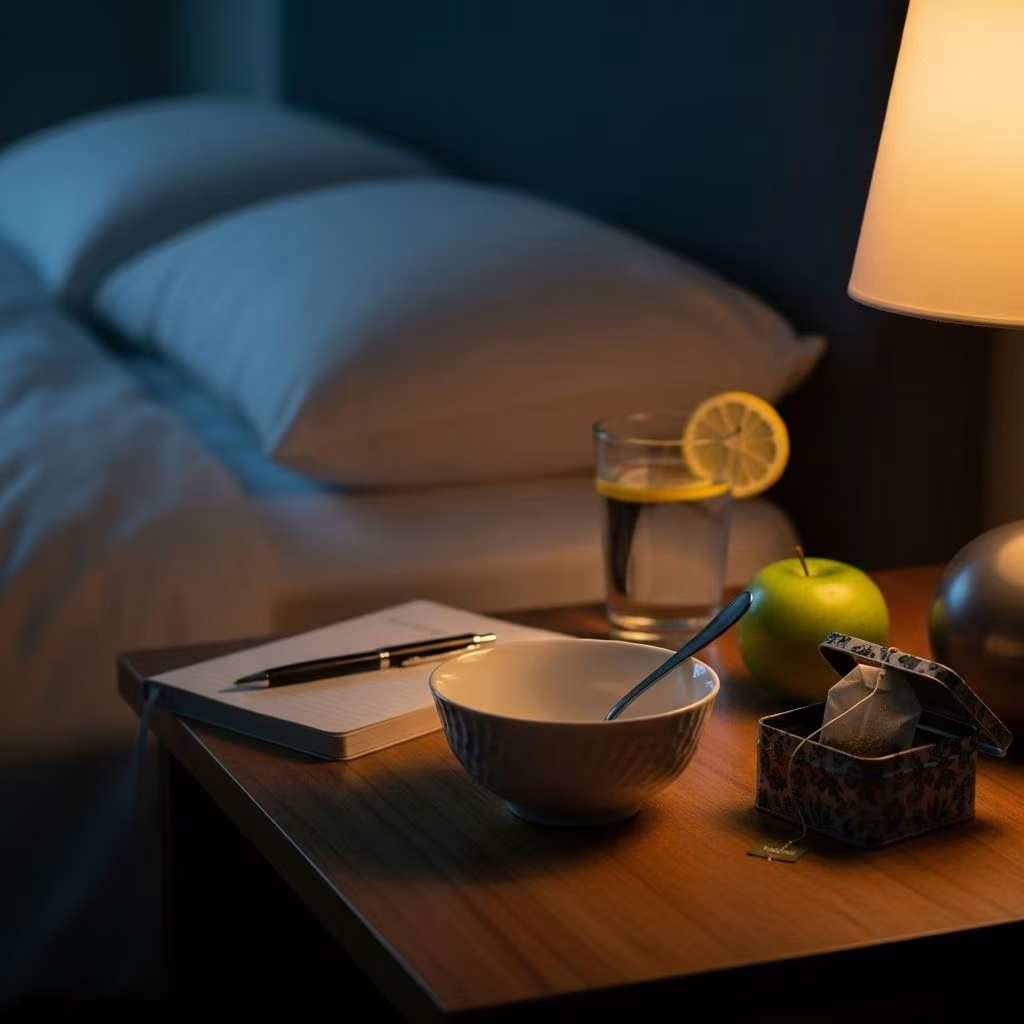
How to Stop Bedtime Eating: Strategies to Curb Evening Cravings
Nighttime eating is a common challenge for those seeking weight loss and healthier habits. While a small, nutrient-packed snack may not be harmful, regular late-night binges on processed or high-calorie foods can disrupt sleep, hinder weight management, and leave you feeling demotivated by morning. This article explores practical, evidence-based strategies to stop bedtime eating, why it matters, and how to set yourself up for lasting success.
Why Nighttime Eating Can Be a Problem
Nighttime eating is not inherently “bad,” but the type, quantity, and timing of calories consumed in the evening can impact digestion, sleep, and metabolism. Here are some key reasons it may contribute to weight gain or health setbacks:
- Impaired Digestion: Eating large meals before bed can cause indigestion, heartburn, and acid reflux, especially if you lie down soon afterward.
- Disrupted Sleep: Heavy, spicy, or fatty foods close to bedtime may disturb sleep cycles, leading to poor rest and increased hunger hormones the next day.
- Metabolic Impact: The body’s efficiency in processing nutrients declines at night. Consuming most calories late may lead to increased fat storage and higher blood sugar levels.
- Behavioral Patterns: Nighttime snacking is often driven by habit, boredom, stress, or emotional triggers, rather than true physiological hunger.
How Long Before Bed Should You Stop Eating?
Most experts recommend avoiding large meals for at least two to four hours before bedtime. This window gives your body time to digest food, reduces the risk of heartburn, and improves sleep quality. However, a light, healthy snack might be appropriate for some people, such as those who experience low blood sugar during the night or intense hunger that disrupts sleep.
Set a Hard Cutoff Time
Establishing a non-negotiable time after which you don’t eat can be an effective way to break the cycle of random or impulsive snacking. Consider the following guidelines:
- Choose a consistent cutoff time (such as 7:00 or 8:00 p.m.) based on your schedule and dinner habits.
- Make the rule clear and specific (e.g., “No food after 8 p.m.”) to reduce decision fatigue and nighttime temptation.
- Inform family or housemates of your cutoff time to incorporate support or accountability.
As one individual shared, “A hard rule of ‘no food after 7 p.m.’ was easier to follow because it was so rigid.” Personalize your cutoff time to fit your evening routine, but keep it steady for best results.
Plan Satisfying, Balanced Meals
Preventing nighttime cravings starts with what—and when—you eat earlier in the day. Try these strategies:
- Distribute Calories: Don’t skimp on breakfast or lunch. Ensure your meals are satisfying, with lean protein, complex carbs, healthy fats, and fiber-rich vegetables to maintain fullness into the evening.
- Mind Your Dinner Timing: Plan your last substantial meal within the two to four hour pre-bed window. Include filling foods (protein, fiber) to help control nighttime appetite.
- Hydrate Wisely: Sometimes thirst is mistaken for hunger. Drink water throughout the evening, but moderate intake close to bedtime to avoid sleep interruptions.
Recognize and Address Emotional or Habitual Triggers
Many people snack at night due to boredom, stress, habit, or emotional need. To break the cycle:
- Notice when, where, and why you tend to snack after dinner.
- Identify specific triggers (e.g., watching TV, feeling anxious, being alone).
- Experiment with new nighttime routines (such as reading, stretching, or journaling) to replace the eating habit.
- If boredom is the primary driver, keep your hands and mind occupied with a craft, hobby, or gentle physical activity.
Make Your Kitchen Off-Limits
To reinforce your evening cutoff and minimize temptation, make it harder to snack mindlessly after hours:
- Physically close the kitchen after a certain time—clean up, turn off the lights, and make the snacks less accessible.
- Avoid keeping high-calorie, processed snack foods in the house. Stock up on healthy options or, even better, make less-ideal choices inconvenient.
- If you feel tempted, distract yourself by brushing your teeth or preparing a soothing non-caloric drink (such as herbal tea).
Choose Wisely if You Must Snack
If true hunger strikes late in the evening, opt for nutrient-dense snacks that won’t disrupt sleep or spike your blood sugar. Consider these research-backed options:
- Tart cherry juice: Linked to improved sleep duration and quality, likely due to natural melatonin content.
- Kiwi: Contains serotonin and antioxidants that may help promote restful sleep.
- Walnuts and almonds: Naturally high in melatonin, tryptophan, and magnesium.
- Milk: Both the tryptophan and casein can help with sleep and overnight muscle repair.
- Banana or apple: Provides quick, easily digestible carbohydrates if your blood sugar tends to dip overnight.
Foods to avoid near bedtime include:
- Spicy or high-fat foods (can trigger reflux and indigestion)
- Acidic items (like tomatoes, or citrus fruits)
- Caffeinated foods and drinks (such as chocolate, coffee, or tea)
- Alcohol (disrupts sleep cycles and blood sugar regulation)
Understand the Science: Nighttime Eating and Metabolism
The belief that eating late at night “automatically” causes weight gain is oversimplified. However, studies do show that consuming the majority of your calories in the evening is associated with poorer metabolic outcomes than earlier eating patterns. Here’s why meal timing may matter:
| Eating Pattern | Potential Effects |
|---|---|
| Large evening meals | Impaired digestion, greater fat storage, blood sugar disruption, poor sleep |
| Small, nutrient-dense snack | May stabilize blood sugar; can aid sleep if truly hungry |
| Skipping food entirely after dinner | Reduced calorie intake, may support weight loss for some people |
Remember, consistent overconsumption—not the time of eating—leads to weight gain. Still, late-night eating often involves unplanned, calorie-rich snacks that can add up over time.
Tips to Help You Stop Eating at Night
- Brush your teeth after your final meal—it signals “kitchen closed” and dulls snacking impulses.
- Establish a cozy bedtime ritual (reading, stretching, meditation) to unwind without food.
- Record your evening eating habits for 1 week. Check for emotional or situational patterns and brainstorm alternative responses.
- Prep healthy snacks or pre-portion any foods you truly want to enjoy after dinner, rather than grazing mindlessly.
- Avoid screens late at night—TV and phone usage are closely linked to distracted eating.
Special Considerations for Diabetes and Medical Needs
For people with diabetes or certain medical needs, a bedtime snack may be necessary to prevent overnight hypoglycemia (dangerously low blood sugar). Consult with your healthcare provider to personalize your routine. In these cases, prioritize smart carbohydrates with protein or fiber, such as:
- Half a banana with a spoonful of nut butter
- Whole-grain crackers with low-fat cheese
- Greek yogurt with berries
When to Seek Professional Support
If your nighttime eating feels out of control, triggers guilt or distress, or occurs alongside symptoms of binge eating disorder, it may help to speak with a registered dietitian or therapist. Medical and psychological support can help address deeper drivers and build sustainable change.
Frequently Asked Questions (FAQs)
Q: Is it okay to eat before bed sometimes?
A: Yes, if you are genuinely hungry or have a medical need. Opt for small, nutrient-dense snacks and try to eat at least 1–2 hours before lying down to help with digestion.
Q: Will cutting off food after dinner help me lose weight?
A: It can help reduce overall calorie intake, particularly from unplanned snacks. However, the quality and total amount of food you eat throughout the day also matters greatly.
Q: What is the best food to eat at night if I really need a snack?
A: The best snacks are those that are small, low in added sugar, and provide some protein or fiber. Try a handful of nuts, a small bowl of berries, or plain Greek yogurt.
Q: Why do I crave food at night even if I ate enough during the day?
A: Nighttime cravings are often triggered by habit, stress, boredom, or emotional needs rather than actual hunger. Adjusting your nighttime routine and managing stress can help.
Q: Is it worse to eat unhealthy foods late at night than during the day?
A: Large, unhealthy snacks are potentially more disruptive at night since your metabolism slows and digestion is less efficient before sleep.
Key Takeaways
- Nighttime eating is best curbed by establishing a firm cutoff time and recognizing the difference between true hunger and habit or emotion.
- Plan balanced meals earlier in the day, address root triggers for evening cravings, and make your kitchen less accessible at night.
- If clearly hungry, choose healthy, sleep-supportive snacks—but avoid spicy, fatty, or sugary foods that can disturb your rest.
- Personalize your routine and seek help if bedtime eating becomes distressing or uncontrollable.
References
- https://www.sleepfoundation.org/nutrition/is-it-bad-to-eat-before-bed
- https://pmc.ncbi.nlm.nih.gov/articles/PMC4425165/
- https://www.prevention.com/food-nutrition/g20442593/stop-eating-at-night/
- https://www.prevention.com/weight-loss/a20507442/sleeping-on-a-full-stomach/
- https://www.prevention.com/weight-loss/a20482892/late-night-eating/
- https://www.prevention.com/weight-loss/g20435175/bedtime-habits-for-weight-loss/
- https://www.prevention.com
- https://www.prevention.com/food-nutrition/a65026836/foods-that-give-you-energy/
- https://www.prevention.com/health/a20459197/improve-sleep-quality/


