


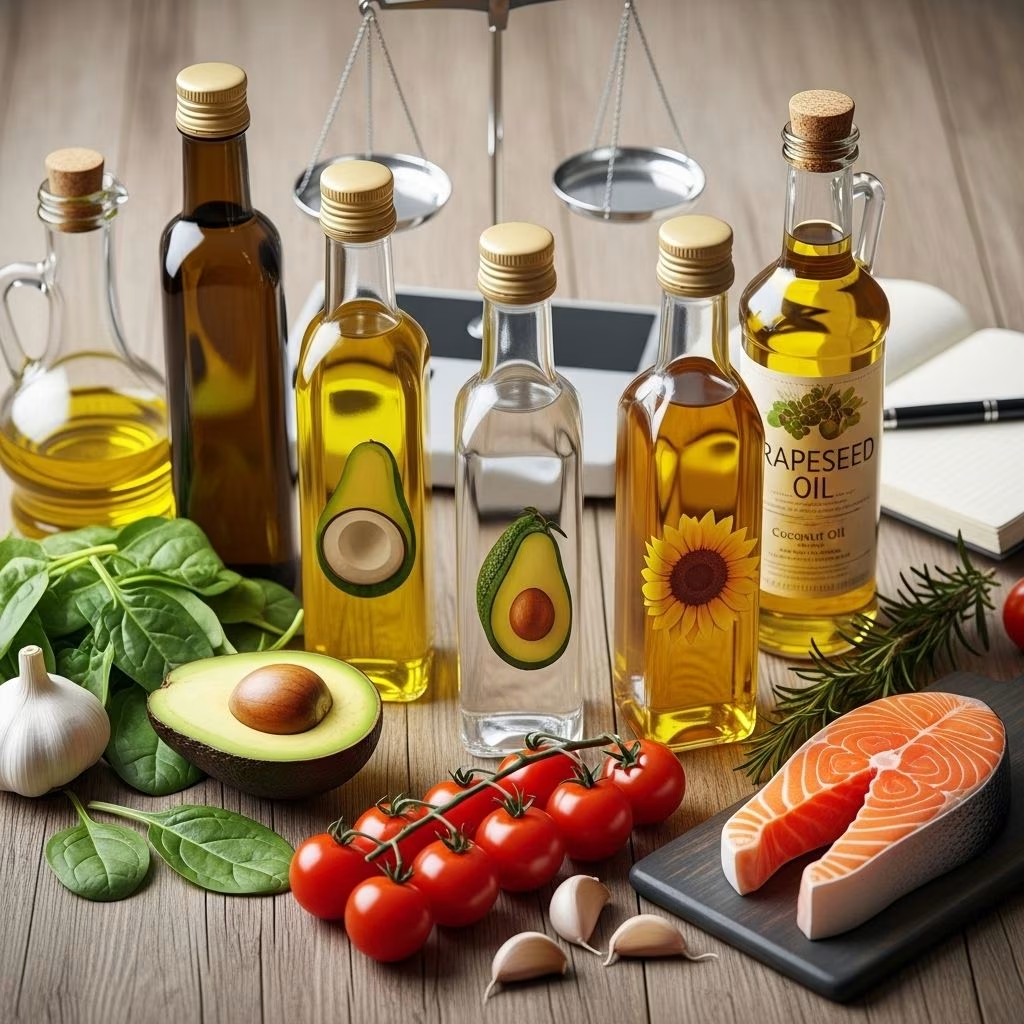
Cooking Oils and Diets: Separating Facts from Fads
The debate over which cooking oils to include or avoid in your diet is ongoing. From seed oils to olive oil and coconut oil, understanding how each fits into a balanced, heart-healthy, and weight-conscious eating plan is crucial. This article reviews scientific findings and expert recommendations about oils, focusing on their impact on cholesterol, inflammation, processed foods, and weight management.
What Are Cooking Oils and Why They Matter in Diets
Cooking oils are fats extracted from plants, seeds, or fruits. The type of fat, vitamin content, and process by which they’re made influence their health benefits and downsides. Oils are used in frying, baking, dressings, and processed foods—often shaping the nutritional quality of your meals.
- Seed oils include canola, sunflower, soybean, safflower, and corn oils.
- Fruit oils include olive and avocado oils.
- Tropical oils include coconut and palm oils.
The health impact depends on the type of fat contained—most notably the ratio of saturated, monounsaturated, and polyunsaturated fats.
Do Diets Need Oil? Exploring the Myths
Fats are essential for absorbing important vitamins (A, D, E, K), hormone production, cell structure, and satiety. Oils are dense in calories, but not all dietary fats function the same in your body. Experts stress moderation, variety, and choosing healthier fats over saturated and trans fats.
- Unsaturated fats (mono- & polyunsaturated): Support cholesterol balance, heart health, and reduce inflammation.
- Saturated fats: High consumption is linked to increased LDL cholesterol and heart disease risk.
- Trans fats: Most harmful—raise LDL and lower HDL cholesterol, increasing heart disease risk.
How Oils Affect Heart Health and Cholesterol
Research consistently shows unsaturated fats (from oils such as canola, olive, safflower, sunflower) can reduce LDL (‘bad’) cholesterol and increase HDL (‘good’) cholesterol when used in place of saturated fats (like butter, lard, palm oil).
- Omega-3 fatty acids (found in canola, walnut, flaxseed, fish oils) are especially anti-inflammatory and heart-protective.
- Omega-6 fatty acids (common in seed oils like soybean and corn) help lower cholesterol and support heart health but may increase inflammation if consumed excessively compared to omega-3s.
- Monounsaturated fats (high in olive and avocado oils) are well-known for lowering cholesterol and cardiovascular risk.
- Saturated fats (abundant in coconut and palm oils) should be limited, as excessive intake can raise LDL cholesterol.
Seed Oils: Examining the Concerns and Benefits
Seed oils have been in the spotlight regarding possible links to inflammation, processed foods, and chronic disease. Here’s what experts and research say:
- No clear evidence of harm: Current studies do not conclusively show seed oils are unhealthy or promote inflammation when consumed as part of an overall balanced diet.
- Source context matters: Negative health effects often stem from seed oils’ use in highly processed or fried foods, not the oil itself.
- Omega-6 benefits: Studies indicate omega-6 fatty acids found in seed oils support cardiovascular and glucose metabolism health.
- Potential risks: Some animal studies suggest inflammation risk when seed oils are highly processed at high temperatures, but these findings don’t translate directly to human diets.
Summary Table: Seed Oils in Perspective
| Seed Oil | Main Type of Fat | Smoke Point | Health Highlights |
|---|---|---|---|
| Canola | Monounsaturated, Omega-3 | 400°F | Lowers LDL, boosts vitamin E/K, low saturated fat |
| Sunflower | Polyunsaturated | 440°F | High in vitamin E, neutral flavor, heart-healthy |
| Soybean | Polyunsaturated | 450°F | Common in processed foods, cholesterol-lowering |
| Safflower | Polyunsaturated | 450°F | Low saturated fat, light taste, good for high-heat |
Canola Oil: Nutritional Facts and Safety
Canola oil is frequently recommended for both heart health and everyday cooking:
- Rich in unsaturated fatty acids (mono- & polyunsaturated)
- Contains no trans fats
- High in vitamin E (16% daily value) and K (8% daily value) per tablespoon
- Low in saturated fat (about 7%) compared to coconut, peanut, and soybean oils
- Good for high-temperature cooking (high smoke point)
- Available cold-pressed for better nutrient retention
Potential concerns:
- Highly processed versions may lose some nutrients
- Some canola oils are made from genetically modified plants (GMO), but no evidence these are unsafe
- Cold-pressed and expeller-pressed varieties retain more nutrients and are free of chemical solvents
- All oils are calorie-dense, so moderation is key
Extra Virgin Olive Oil: The “Gold Standard” for Health
Extra virgin olive oil is praised for its polyphenols (antioxidants) and monounsaturated fats:
- Lowers LDL cholesterol
- Anti-inflammatory due to polyphenols
- Bold flavor works well in salad dressings, dips, and low-heat cooking
- Lower smoke point (~375°F), so best not used for deep-frying
Oils and Weight Loss: Do You Need to Cut Out Fat?
Fats are calorie-dense, so controlling oil intake can support weight loss. However, research shows that:
- Eliminating oils can lead to reduced calorie intake and weight loss—but may reduce essential vitamin absorption
- Swapping seed oils for healthier oils like olive or avocado produces little change if the overall diet is balanced
- Replacing oils with saturated fats (butter, lard, tallow) can increase LDL cholesterol and heart disease risk
- Using oils with salads, vegetables, and whole grains supports healthy eating patterns
Experts recommend using a variety of oils, choosing unsaturated over saturated, and moderating total quantity for both weight and overall health.
Processed Foods, Oils, and Inflammation
Some health advocates warn against seed oils in processed foods due to links with obesity, diabetes, and inflammation. Clinical evidence supports these concerns for:
- Ultra-processed foods: Often high in oils, sugar, sodium—linked to a higher risk of colon cancer, obesity, cardiovascular disease
- Omega-6 imbalance: Excessive omega-6 with low omega-3 may promote inflammation, but typical diets remain within safe ratios
- Reducing processed food and red meat consumption is recommended for cancer prevention and heart health
Choosing the Best Oils for Cooking and Health
For optimal health, experts suggest:
- Favoring unsaturated, plant-based oils (canola, olive, sunflower, safflower, avocado)
- Limiting saturated fats (coconut, palm oil, butter, lard)
- Trying cold-pressed or expeller-pressed varieties for better nutrient profiles
- Rotating between different oils to broaden nutrient intake and minimize excesses
- Being mindful of overall calorie intake from oils
Expert Dietary Advice: What Should You Eat?
To lower risk of heart disease, obesity, and cancer:
- Eat more vegetables, fruits, whole grains, legumes, and nuts
- Focus on lean proteins like fish and poultry
- Limit red and processed meats, sugary snacks, and ultra-processed foods
- Include omega-3-rich foods: anchovies, salmon, tuna, trout, oysters, mussels
- Talk to your doctor if you have increased disease risk or family history
Frequently Asked Questions (FAQs)
Q: Should I completely avoid seed oils?
A: No. There’s no conclusive evidence seed oils are harmful in moderate amounts as part of a balanced diet. The context of what foods you pair oils with (fried foods vs. salads) matters much more.
Q: Are genetically modified (GMO) oils unsafe?
A: Most scientific findings show GMO oils are safe to consume as the proteins are removed from the final product.
Q: What oil is best for high-temperature cooking?
A: Canola, sunflower, and safflower oils have high smoke points, making them suitable for frying and roasting.
Q: How do oils impact cholesterol?
A: Unsaturated oils (canola, olive, sunflower) lower LDL (‘bad’) cholesterol, while saturated fats (butter, coconut oil) raise it.
Q: Is olive oil healthier than seed oils?
A: Extra virgin olive oil contains polyphenols and monounsaturated fats that are anti-inflammatory and heart-healthy but seed oils like canola also have beneficial effects.
Key Takeaways
- Cooking oils are not inherently unhealthy: Type, processing method, and dietary context matter.
- Favor oils rich in unsaturated fats: Canola, olive, sunflower, safflower, and avocado oils support heart health and cholesterol balance.
- Moderation is vital: All fats provide concentrated calories. Balance your oil intake with other healthy food choices.
- Processed and fried foods should be limited: These are the main source of health concerns linked to seed oils.
- Consult a doctor before making drastic dietary changes: Individual risks and needs vary.
The key to healthy, sustainable weight management and wellbeing is variety, moderation, and thoughtful food choices. Oils—when selected and used wisely—are vital allies in a heart-healthy, balanced diet.
References
- https://www.prevention.com/health/a63203509/seed-oils-colon-cancer-risk-study/
- https://www.prevention.com/food-nutrition/a20448772/is-canola-oil-healthy/
- https://www.prevention.com/health/a64555769/what-happens-when-you-stop-eating-seed-oils/
- https://www.prevention.com/weight-loss/a20452013/diets-and-oil/
- https://www.prevention.com/food-nutrition/healthy-eating/a64297964/healthy-aging-diet-study/
- https://www.prevention.com/health/memory/a44664405/olive-oil-linked-to-lower-risk-dementia-dying-study/
- https://www.prevention.com/food-nutrition/a40979119/fish-oil-benefits/
- https://www.prevention.com/health/a60486206/heal-your-body-with-food/
- https://www.prevention.com/food-nutrition/a20451080/omega-3-foods/
- https://www.prevention.com/food-nutrition/a65477044/best-foods-to-eat-for-cholesterol/


