


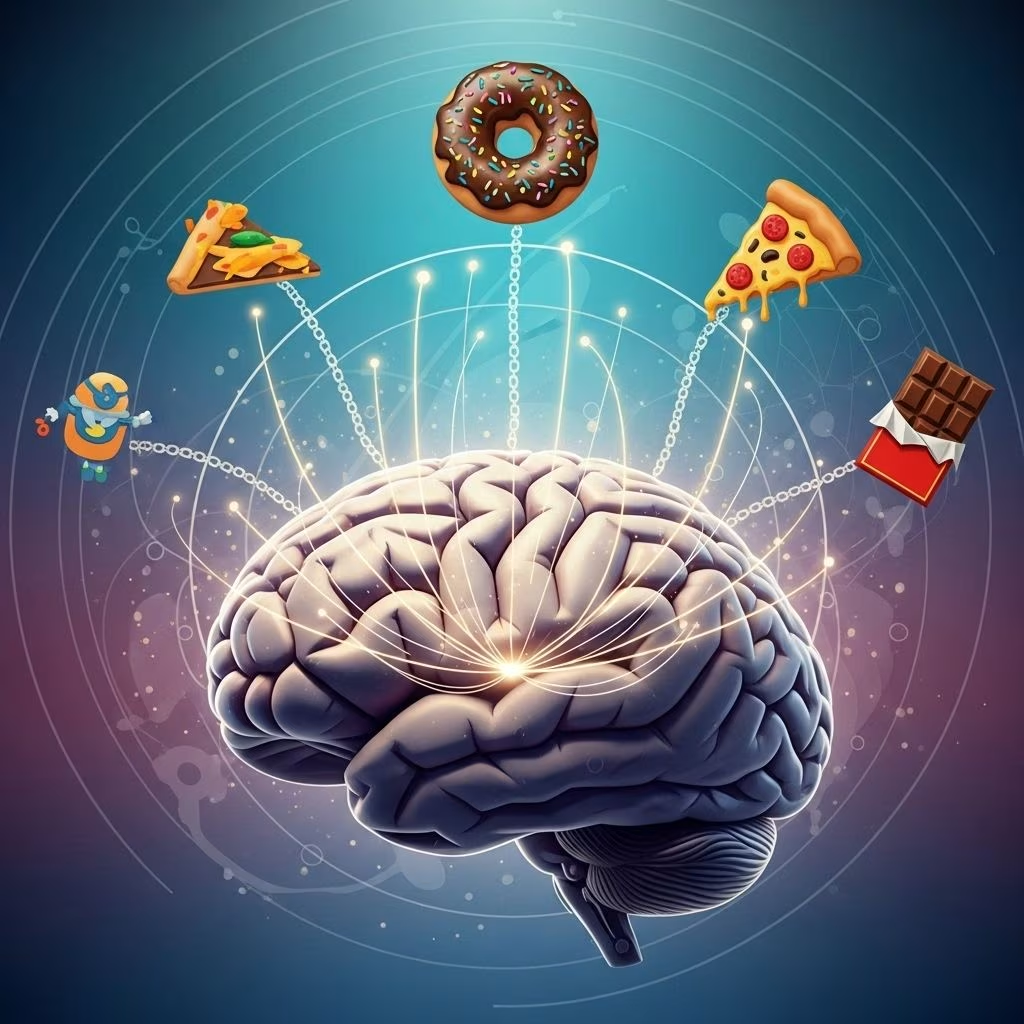
Cravings can feel impossible to ignore—they strike at the mall, late at night, or even when you’re bored, threatening to undo days of healthy eating in a single swoop. But what if you could outsmart them by using simple, research-backed mental tricks? Here’s how to take control and make cravings work for you, not against you.
Why Do We Experience Cravings?
Food cravings stem from a complex interplay of psychological, biological, and environmental factors. They often manifest as intense urges for specific foods, typically those rich in sugar, fat, or salt. Environmental cues—like smelling fresh pretzels at the mall—can amplify these desires, while emotions such as stress or boredom also play a substantial role.
Understanding the root causes of cravings empowers you to disrupt the cycle and make healthier decisions without relying solely on willpower.
Mindful Distraction: Redirect Your Brain
Trying to resist a craving by sheer force rarely works. Distraction, however, taps into your brain’s natural ability to switch gears, breaking the hold a temptation has on your mind. Here’s how:
- Change Your Route: If you always pass the bakery that tempts you with its smells, try a different path or avoid that area altogether. Simply removing yourself from tempting cues can weaken the craving’s grip.
- Plan Ahead: Decide what’s for dinner before getting home. Knowing ahead reduces opportunities for mindless snacking as you brainstorm meal ideas in front of the fridge or pantry.
Quick Distraction Techniques
- Play a Game: Engage in a quick puzzle or mobile game. Researchers found that participants who played Tetris during cravings reported less intense urges and fewer mental images of the desired food. Any engaging distraction—like Candy Crush or Sudoku—can help redirect your thoughts.
- Move Your Body: Even standing up, stretching, or taking a brisk walk for a few minutes can break the craving cycle.
Tap Into Tactile Tricks
Recent brain research has shown that simple physical tricks can disrupt food cravings efficiently. A fascinating study revealed that tapping your forehead for 30 seconds can significantly cut cravings. This works because the act occupies the visual cortex—the same brain region involved in conjuring up tempting food images—thereby ‘overwriting’ the craving process.
- Forehead Tapping: Discreetly tap your forehead with your finger for 30 seconds. If you’re in public, focus visually on an object like a photo in your wallet or a painting, engaging your eyes to interrupt the craving loop.
- Other Distractions: Tapping your ears or feet, staring at a blank wall, or focusing intently on a moving object can have similar effects. These actions keep your visual and sensory centers busy and away from thoughts of food.
Alter Your Food Environment
Cravings are heavily influenced by your surroundings. By tweaking your home and work environments, you reduce temptation and make healthy choices feel effortless.
- Out of Sight, Out of Mind: Don’t buy foods you typically crave in moments of weakness. If they’re not in your house, there’s no need to exert willpower to resist them later.
- Control Exposure: Avoid keeping snacks visible on the counter. Opt for opaque containers or place less healthy options on higher, harder-to-reach shelves. Bring fruits and prepped veggies to the front of your fridge.
- Pre-portion Snacks: Divide treats into small baggies or bowls. Seeing a limited supply can help curb the urge to overindulge.
Mind Over Matter: Harnessing the Power of Mindfulness
Mindfulness—the practice of being aware and present in the moment—can weaken the link between cravings and impulsive actions. Try these evidence-backed techniques:
- Urge Surfing: When a craving strikes, simply observe it without acting. Picture the urge as a wave: it rises, peaks, and eventually ebbs away. Research shows that cravings diminish if you wait them out without giving in.
- Label Your Feelings: Pause and identify whether your craving is sparked by true hunger or an emotion such as stress, boredom, or sadness.
- Short Mindfulness Practices: Take a few deep breaths, scan your body for tension, and consciously relax your muscles. This can disrupt emotional eating and increase your sense of control.
Smart Willpower Management
Willpower is a finite resource, and resisting cravings drains it. To use your willpower where it counts most:
- Make Decisions in Advance: Plan meals and snacks the night before, so you don’t waste energy battling unexpected food cues.
- Minimize Decision Fatigue: Stick to routines, batch healthy choices, and automate as many mealtime decisions as possible.
- Set Boundaries, Not Total Bans: Allow yourself the occasional treat rather than imposing rigid restrictions that can backfire.
Emotional Maintenance: Soothe the Need Without Food
Emotions can fuel some of the strongest cravings. Here’s how to address them directly:
- Forgiveness Techniques: If you’re carrying negative emotions from a recent argument, try writing a forgiveness letter or reaching out to resolve the issue. Studies link forgiveness to reduced anxiety and lower incidences of stress eating.
- Acts of Kindness: Doing something generous—like helping a neighbor or expressing appreciation—increases serotonin and dopamine, the body’s natural ‘feel-good’ chemicals, which in turn can reduce the drive to eat for comfort.
Laughter as a Natural Appetite Suppressant
Humor and joy not only brighten your day but may also squelch the urge to snack. Watching a funny clip or TV show activates the brain’s reward centers, releasing neurotransmitters like serotonin that can naturally inhibit appetite.
- Find Your Joy: Watch a comedic video, listen to uplifting music, or recall a happy memory whenever a craving strikes.
- Smile More: Even a forced smile can chemically change your mood and may make you less susceptible to treating yourself with food.
The Power of Small Wins and Positive Self-Talk
Deprivation can make cravings worse. Instead of striving for constant perfection, reframe your perspective:
- Positive Self-Talk: Remind yourself that you’re allowed treats in moderation and a slip-up isn’t a failure—just a learning opportunity.
- Celebrate Small Victories: Every time you successfully resist a craving or substitute a healthy option, acknowledge your progress. Small wins accumulate and build long-term resilience.
Hydration and Appetite: Overlooked Yet Essential
Sometimes what feels like hunger is just dehydration. Drinking water before reaching for a snack is a simple, science-backed trick to potentially reduce unnecessary eating.
- Hydrate First: Upon feeling a craving, drink a glass of cold water and wait 5-10 minutes to see if the urge subsides.
- Tea Time: Sipping green tea can also reduce appetite and provide a soothing ritual that distracts from food thoughts.
Table: Mind Tricks and How They Work
| Technique | How It Disrupts Cravings |
|---|---|
| Distraction (games, walks) | Occupies the brain with alternative activities, reducing focus on food. |
| Forehead/Eye Focus | Engages visual cortex, overwriting food imagery and blunting urge. |
| Environmental Tweaks | Limits exposure and access, reducing frequency and intensity of cravings. |
| Mindfulness/Urge Surfing | Increases awareness, allowing cravings to pass without impulsive eating. |
| Laughter/Kindness | Boosts mood-enhancing chemicals, preventing emotional eating. |
| Hydration | Reduces perceived hunger caused by thirst; occupies time before eating. |
Frequently Asked Questions (FAQs)
Q: Do these techniques work for everyone?
A: While research shows that most people benefit from distraction, environmental changes, and mindfulness, individuals vary. The trick is to experiment and find the strategies that fit your triggers and lifestyle best.
Q: How long should I tap my forehead to curb a craving?
A: Experts recommend tapping your forehead or focusing your eyes for approximately 30 seconds to engage your brain’s attention centers and interrupt the craving process.
Q: Is it okay to give in to a craving once in a while?
A: Yes. Making room for small, mindful indulgences can actually help prevent stronger cravings and reduce the likelihood of bingeing later. Denial often increases desire.
Q: Does hydration always help reduce hunger?
A: Many people mistake thirst for hunger. Drinking a glass of water first is a simple way to differentiate true hunger from dehydration-driven cravings.
Q: Can these strategies help with cravings for non-food substances?
A: The principles of mindfulness and distraction apply to many types of cravings, but if you struggle with intense non-food cravings (such as for nicotine), consider consulting a healthcare provider for additional support.
Conclusion
Cravings don’t have to control your actions. By understanding the science of temptation and arming yourself with clever mental tactics, you can create a food environment and mindset that makes healthy choices easier—starting today. Remember: progress, not perfection, is the real key to success.
References
- https://www.prevention.com/weight-loss/a20448548/5-ways-to-stop-food-cravings/
- https://www.prevention.com/weight-loss/a20474557/how-to-reduce-food-cravings-with-your-finger/
- https://www.heart.org/en/news/2024/07/26/where-do-food-cravings-come-from-and-can-we-stop-them
- https://www.prevention.com/weight-loss/g20512093/12-surprisingly-effective-ways-to-halt-your-hunger/
- https://abcnews.go.com/Health/12-mental-tricks-beat-cravings-lose-weight/story?id=30910701
- https://www.prevention.com/weight-loss/a20452009/mind-tricks-that-control-cravings/
- https://www.prevention.com/weight-loss/a20439714/how-to-stop-sugar-cravings/
- https://www.prevention.com/weight-loss/g20453669/distractions-that-can-help-you-ride-out-a-craving/
- https://www.scripps.org/news_items/6147-7-tips-to-control-your-food-cravings


