


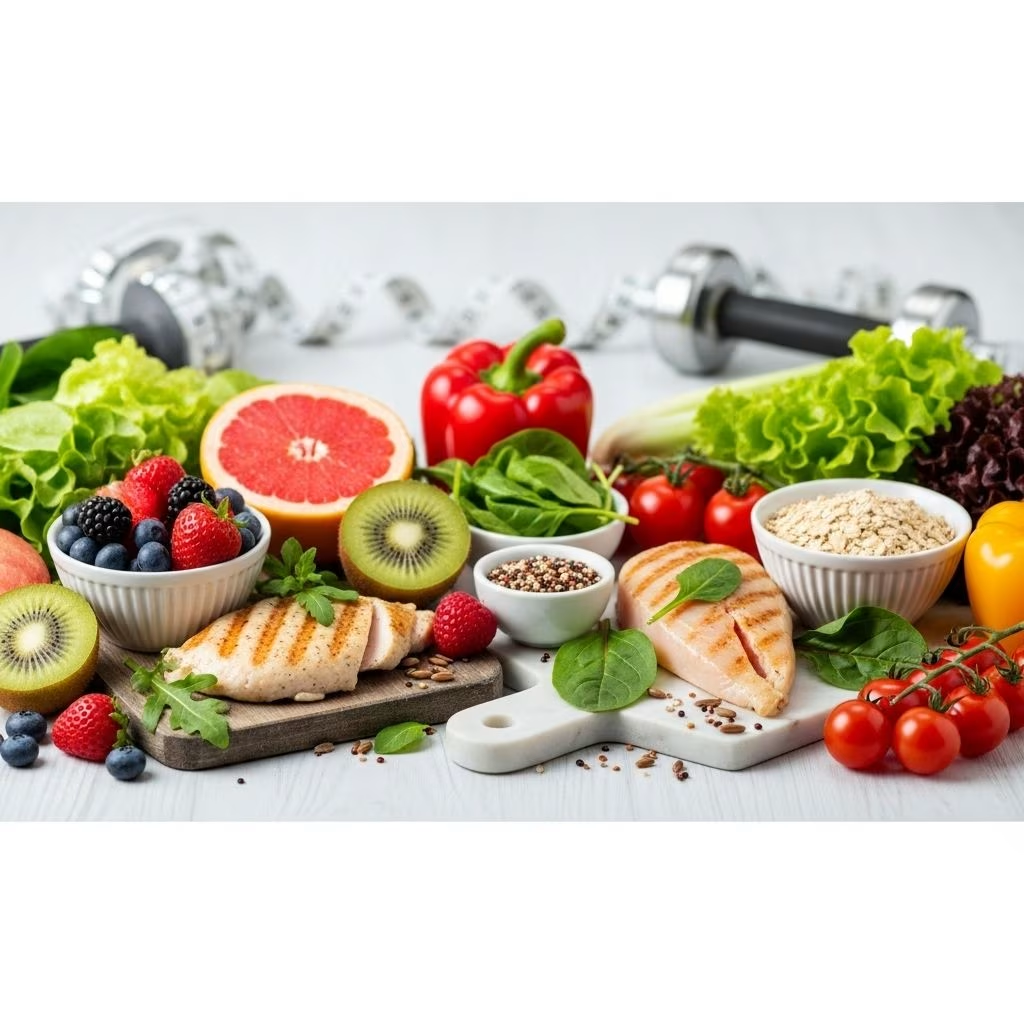
Want to shed pounds, keep them off, and feel your best? Experts agree that sustainable weight loss is not about quick fixes, but building better daily habits. Here, we present 55 practical, science-backed diet tips that make weight loss realistic—without deprivation or drastic measures. From smarter portion control to mindful eating, grocery shopping, and exercise, transform your journey with the tools to succeed for life.
Why Smart Diet Habits Matter
Losing weight—and maintaining it—depends on creating habits that are easy to stick with. Extreme dieting often backfires, leaving you hungry or frustrated. Instead, use these tips to make healthy choices feel automatic and enjoyable. Remember, consistency is key, and small changes add up over time!
1. Set a Realistic Calorie Budget
Everyone has a unique calorie allowance, based on age, gender, and activity. Knowing your budget helps prevent overeating, frustration, and ensures your nutritional needs are met. Use resources like the Dietary Guidelines for Americans or consult a registered dietitian to estimate your daily calories.
Tip: Track your calorie intake with an app or food journal.
2. Half Your Plate Should Be Veggies and Fruits
Fill at least half your plate at each meal with vegetables or fruits. They’re loaded with fiber and nutrients but low in calories, helping you feel full without overeating. Let veggies star and serve meat or grains as sides.
- Start meals with salad or broth-based soup to curb hunger.
- Snack on carrots, cucumbers, or apples instead of chips.
3. Watch Your Portion Sizes
Restaurants and processed foods often feature super-sized servings, but your stomach is only about the size of two fists! Reduce portions by:
- Using salad plates instead of dinner plates.
- Pre-portioning snacks instead of eating from the bag.
- Splitting restaurant entrees or saving half for another meal.
4. Don’t Skip Breakfast—But Choose Wisely
Starting your day with a balanced breakfast can keep you satisfied and prevent overeating later. Opt for protein, fiber, and healthy fats—think Greek yogurt with berries, whole-grain toast with nut butter, or a veggie omelette. If you’re not hungry in the morning, listen to your body and eat when it suits your natural rhythm.
5. Prioritize Protein and Fiber
Protein and fiber help you stay full longer and stabilize blood sugar. Include a source of lean protein—like eggs, chicken, beans, tofu, or fish—at each meal. Bulk up plates with fiber-rich foods: leafy greens, berries, lentils, and whole grains.
- Swap white rice for quinoa or brown rice.
- Add beans to salads or soups for extra fiber and protein.
6. Minimize Liquid Calories
Sugar-sweetened drinks like sodas, juices, sweet teas, and alcohol can sabotage weight loss by adding empty calories. Replace them with water, seltzer, or unsweetened tea and coffee. Limit fruit juice to no more than 8 oz per day and choose whole fruit instead.
- Dilute juice with water for a lighter option.
- If you drink soda daily, switching to diet or water may lead to significant calorie savings.
7. Mind Your Mindless Eating
Put down your phone and turn off the TV at mealtime. Practicing mindful eating—being present with your food, noticing tastes and fullness—can help prevent overeating and increase enjoyment.
- Sit down for meals, even snacks, and focus on eating.
- Follow the Chinese proverb: Eat until you’re 80% full.
8. Keep a Food Journal
Tracking what you eat can double your weight loss success by fostering self-awareness and accountability. Use a notebook, app, or simple tally system to record meals, snacks, and drinks.
9. Smoothie Smarts
Not all smoothies are created equal. Avoid those loaded with sugar, full-fat dairy, or juices. Instead, blend greens, berries, ice, and a scoop of protein powder or Greek yogurt for a balanced meal or snack.
10. Prep and Plan for Success
Failing to plan is planning to fail. Prep healthy snacks, cook dinner in advance, or keep frozen veggies and lean proteins on hand for quick, nutritious meals. Bringing lunch from home allows you to control calories and portions.
- Pack hummus and veggies, nuts, yogurt, or fruit as snacks.
- Batch-cook healthy soups, stews, or grains on weekends.
11. Grocery Shopping Tips
- Shop the perimeter: Fruits, vegetables, dairy, and lean meats are usually found around the store’s edges.
- Make a list and stick to it to reduce impulse purchases.
- Opt for frozen vegetables when fresh produce is out of season—the nutrients are often higher and waste less common.
- Choose whole-grain breads and cereals over refined versions.
- Replace highly processed oils with olive or canola oil.
- Substitute fatty cold cuts with turkey breast, tuna, or lean roast beef.
12. Say Goodbye to Supersizing
Avoid “value meal” portions or supersizing, which almost always add more calories without increasing satisfaction. Order regular or kid’s size, or split entrees with a friend.
13. Restaurant Survival: Outsmart Big Portions
- Ask for a to-go box when your meal arrives and immediately halve your serving.
- Order salad with dressing on the side, grilled instead of fried proteins, and skip bread baskets.
- When dessert’s a must, order one and share it.
14. Build Balanced Meals
Construct meals around vegetables, lean protein, and whole grains. Limit refined starches and processed meats. Think brown rice stir fry with chicken and broccoli, or salmon with mixed greens and quinoa.
15. Swap Smart: Healthier Choices Every Day
- Use mustard, salsa, or avocado instead of mayonnaise.
- Choose nonfat or 1% milk (transition down from 2% or whole gradually if needed).
- Grab fresh or frozen fruits rather than fruit-flavored snacks or desserts.
16. Stay Hydrated
Drinking water before meals can reduce appetite and prevent mistaking thirst for hunger. Aim for at least 8 cups of water a day, more if you’re active.
17. Enjoy Soup and Salad Starters
Begin meals with broth-based soups or leafy salads to help curb hunger. Skip creamy soups, high-fat dressing, croutons, and bacon bits to keep calories in check.
18. Limit Alcohol
Alcohol is loaded with empty calories and may lower your willpower around food. If you drink, stick to weekends, choose wine or light beer, and alternate each drink with water.
19. Cook at Home More Often
Restaurant meals are often larger and higher in fat and sodium than homemade ones. Cooking gives you total control over ingredients and portions. Aim to eat most meals at home.
20. Move More Throughout the Day
Beyond formal exercise, your daily activity contributes to calorie burn and overall health. Walk on breaks, take the stairs, and stretch often.
- Aim for at least 150 minutes of moderate exercise per week (walking, cycling) or 75 minutes of vigorous activity.
- Include muscle-strengthening workouts at least twice weekly.
21. Stock a Healthy Pantry
- Keep quick-cooking whole grains, canned beans, and vegetable-based soups on hand.
- Replace high-fat, processed snacks with nuts, seeds, and dried fruit (in moderation).
- Store healthy snacks at eye level, less healthy treats out of sight.
22. Embrace Frozen Produce
Don’t let fresh produce go to waste—frozen vegetables and fruits are flash-frozen at peak ripeness, locking in nutrition. They make for convenient, affordable, and healthy options year-round.
23. Don’t Fear Peanut Butter
Most commercial and natural peanut butters contain similar, low levels of trans fat. Moderation matters, but there’s no need to avoid mainstream brands. Opt for nut butters with minimal added sugar and salt when possible.
24. Practice Mindful Substitutions
- Swap full-fat dressings for lemon juice, vinegar, or low-calorie options.
- Choose steamed, grilled, or baked over fried when ordering out.
25. Use Visual Cues and Meal Patterns
Serve food onto plates and bowls; avoid eating directly from packages. This increases awareness and satisfaction. Try eating regular meals at set times each day to keep hunger—and portions—in check.
26. Prioritize Sleep and Stress Management
Lack of sleep and chronic stress disrupt hormones related to appetite and weight. Prioritize 7–9 hours of sleep nightly and explore stress-reduction strategies like yoga, deep breathing, or walks in nature.
27. Slow Down—It Takes Time to Lose Weight Safely
Healthy, permanent weight loss is typically 1–2 pounds per week. Quick fixes often backfire or cause rebound weight gain. Be patient, celebrate progress, and make adjustments as needed.
28–55. Even More Quick Tips for Weight Loss
- Eat meals seated at a table, not while standing or driving.
- Keep tempting foods out of sight at home and work.
- Limit processed and packaged foods—opt for minimally processed options.
- Plan indulgences: allow yourself occasional treats in controlled portions.
- Eat more non-starchy vegetables for volume, vitamins, and fullness.
- Don’t shop for groceries when hungry to avoid impulse buys.
- Replace sugar in coffee or tea with cinnamon or vanilla.
- Bring healthy snacks when you travel or commute.
- Swap white bread for 100% whole grain options.
- Watch out for hidden sugars in sauces, dressings, and packaged foods.
- Stick to three balanced meals and one snack—avoid all-day grazing.
- Be honest about portion sizes: measure if you’re unsure.
- Celebrate non-scale victories, like better energy or improved fitness.
- Practice self-compassion. Progress, not perfection, leads to results.
- Get support: enlist friends, family, or online communities.
- Focus on progress, not perfection; setbacks are learning opportunities.
- Map out goals and reflect weekly on what’s working and what’s not.
- Experiment to find the healthy habits that fit your lifestyle.
- Stay consistent during weekends, holidays, and busy times.
- Find movement you enjoy, so staying active feels rewarding—not a chore.
- Balance indulgences with movement or lighter meals.
- Put utensils down between bites to slow your eating.
- Sprinkle herbs and spices for flavor in place of heavy sauces.
- Read food labels to check for calories, sugars, and portion size.
- Remember: There is no one-size-fits-all approach—find what works best for you!
- Stay hydrated, rested, and positive—weight loss is a journey, and you’re in control.
- Don’t let short-term setbacks derail your long-term goals.
- Celebrate your healthy choices and milestones, big and small!
Frequently Asked Questions (FAQ)
How quickly can I expect to lose weight using these tips?
With consistent application, healthy and sustainable weight loss is typically 1–2 pounds per week. Remember, quick fixes often result in rebound gain, so be patient and focus on gradual, steady progress.
Do I have to give up all my favorite foods to lose weight?
No. Enjoying treats in moderation is important for sustainability and enjoyment. Instead of elimination, practice portion control, mindful choices, and balance indulgences with healthy habits.
Are carbs bad for weight loss?
Not all carbohydrate foods are equal. Whole grains, fruits, and starchy vegetables are nutritious choices that provide energy, fiber, and nutrients. Refined grains and added sugars should be limited, but complex carbs can be part of a healthy diet.
What if I don’t have time to cook?
Batch cooking, using frozen vegetables, rotisserie chicken, or pre-washed salad greens can make healthy meals fast and easy. Planning ahead and stocking your pantry with healthy staples simplifies meal prep.
How can I stay motivated during my weight loss journey?
- Set small, achievable goals and celebrate each one.
- Enlist friends or family for support, or join online communities.
- Focus on the positive changes in energy, mood, and health, not just the scale.
- Keep a journal to track your progress and reflect on successes and challenges.
Additional Resources
If you want to dive deeper into healthy weight loss and maintenance, consult registered dietitians, reputable health organizations, or evidence-based books and guides. Remember, long-term results come from consistent, positive choices each day—not fad diets or deprivation.
References
- https://www.prevention.com/weight-loss/a20456466/diet-and-healthy-weight-loss-advice/
- https://www.prevention.com/weight-loss/diets/a60578947/how-to-lose-weight-fast-safely/
- https://www.prevention.com/weight-loss/diets/g20440614/25-best-weight-loss-tips-ever/
- https://www.prevention.com
- https://www.prevention.com/weight-loss/diets/
- https://www.prevention.com/food-nutrition/healthy-eating/a64297964/healthy-aging-diet-study/
- https://www.prevention.com/food-nutrition/healthy-eating/a68067521/signs-not-getting-enough-protein/
- https://www.prevention.com/food-nutrition/a63749873/guide-to-eating-protein/
- https://www.prevention.com/health/a60486206/heal-your-body-with-food/
- https://www.prevention.com/weight-loss/g20494462/eating-habits-for-weight-loss/


