


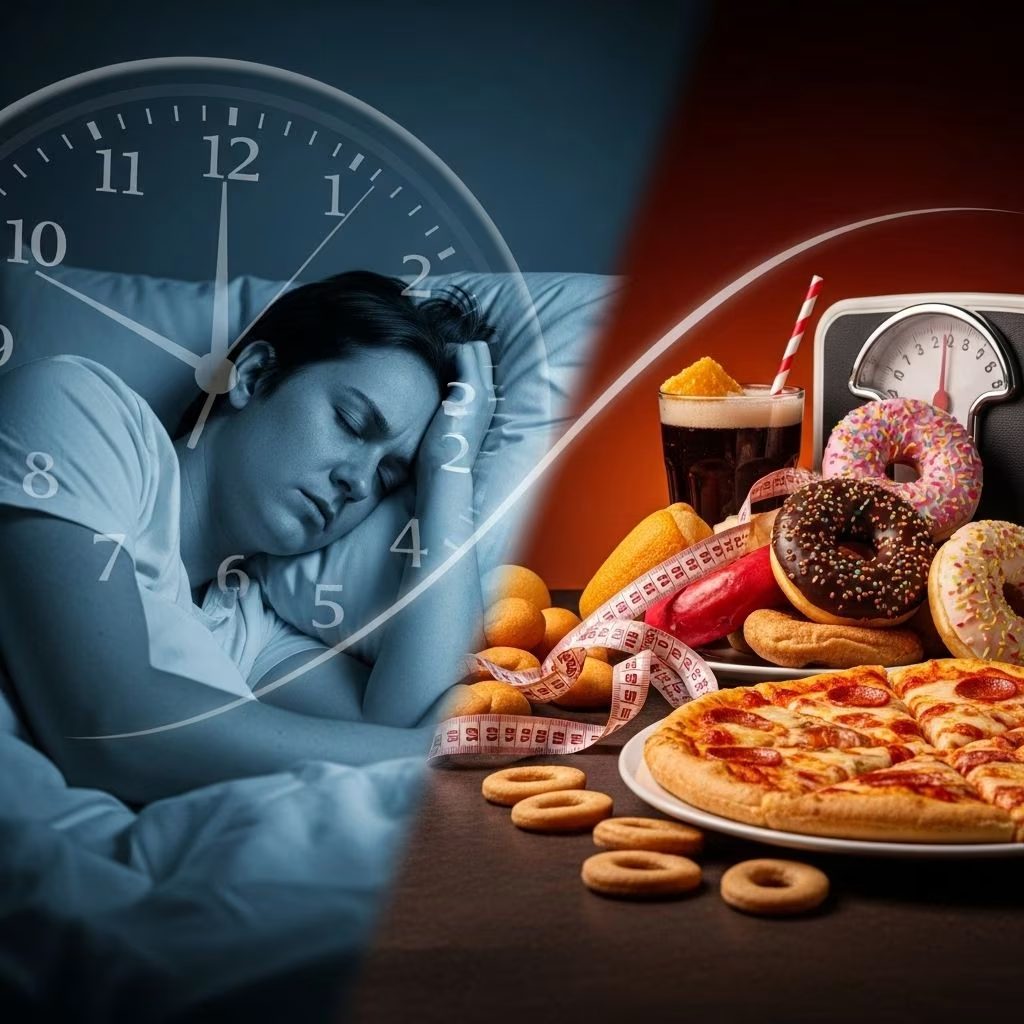
How Sleep Deprivation Leads to Weight Gain: The Science Explained
Obesity rates continue to climb across the globe, with lifestyle choices often cited as the primary drivers of this epidemic. While diet, exercise, and genetics play well-known roles, mounting research highlights another underlying factor: sleep deprivation. But how does a lack of sleep prompt the body to gain weight? This article delves into the physiological, hormonal, and behavioral links between poor sleep and weight gain, providing a comprehensive examination of the science alongside practical strategies for healthy sleep habits and weight management.
Understanding Sleep’s Role in Weight Regulation
Sleep is far more than a passive state of rest—it is a critical period for numerous bodily processes, including those governing metabolism, appetite, and energy balance. Chronically sleeping less than the recommended seven to eight hours per night creates a cascade of effects that make it easier to gain and harder to lose weight.
- Metabolic maintenance: While asleep, the body repairs tissues, regulates metabolism, and balances hormones.
- Hormonal synchronization: Hormones related to hunger and satiety are regulated via normal sleep-wake cycles.
- Energy utilization: Adequate sleep allows for efficient storage and use of nutrients, while deprivation throws this balance off.
Hormones That Go Haywire: Leptin and Ghrelin
Among the many biological processes affected by sleep are the production and release of leptin and ghrelin—two hormones that directly influence appetite.
- Leptin: Produced by fat cells, leptin signals to the brain that the body has enough energy stored, helping suppress appetite.
- Ghrelin: Secreted mainly in the stomach, ghrelin stimulates appetite and promotes food intake.
When you are sleep-deprived:
- Leptin levels decrease, making you feel less full after eating.
- Ghrelin levels increase, ramping up feelings of hunger and encouraging overeating.
These dual hormonal shifts create a biological drive to eat more—even when nutritional needs are already met—laying the groundwork for weight gain.
Sleep Loss Increases Cravings and Caloric Intake
A now widely-cited study by researchers at King’s College London found that people who slept less consumed an additional 385 calories per day on average compared to those with adequate rest.* This is equivalent to eating a hearty snack or even a small meal daily without compensatory increases in energy expenditure.
- Cravings for high-fat, high-carbohydrate foods are especially pronounced after a poor night’s sleep.
- Late-night snacking and irregular meal times become more common with sleep deprivation, adding extra, easily-stored calories.
- The brain’s reward centers also become more reactive, making indulgent foods seem more appealing and harder to resist.
| Sleep Duration | Cravings | Average Calorie Surplus | Common Snack Choices |
|---|---|---|---|
| <6 hours | High | +385 kcal/day | Chips, cookies, sweets, fast food |
| 7–8 hours | Normal | Reference | Fruits, whole grains, balanced meals |
Metabolic Slowdown: How Sleep Loss Alters Fat Storage
Getting too little rest can disrupt how the body processes and stores energy:
- Insulin sensitivity declines, making it harder for the body to transport glucose from the bloodstream to cells—and easier to store extra energy as fat.
- Fat oxidation decreases, meaning the body burns less fat for fuel and instead burns more carbohydrates, compounding fat retention.
- Fats from food are cleared from the blood more quickly, leading to greater fat storage.*
This combination means that calories consumed after inadequate sleep are more likely to end up as increased body fat, especially when poor sleep continues for days or weeks at a time.*
Behavioral Factors: How Tiredness Drives Poor Choices
Lack of sleep doesn’t just affect hormones and metabolism—it also undermines willpower, planning, and decision making. Recent studies illuminate several behavioral consequences of sleep loss that make it uniquely challenging to maintain a healthy weight:
- Diminished self-control: Fatigue hampers the brain’s prefrontal cortex, the region responsible for impulse control, making it easier to give in to cravings.
- Lower motivation for physical activity: People who are tired are less likely to exercise, choosing sedentary behaviors instead.
- More time awake to eat: Simply being awake longer means more opportunities for late-night eating and additional snacks.
Sleep Deprivation and Long-Term Weight Gain: What the Evidence Shows
It’s not just the occasional late night that causes problems; chronic sleep restriction is closely tied to sustained, clinically significant weight gain. Data from large population-based studies underscore these long-term risks:
- The landmark Nurses’ Health Study found that women sleeping five hours or less nightly weighed on average over five pounds more than those sleeping seven hours, and were 32% more likely to gain more than 33 pounds over a 16-year period.*
- Shorter sleep duration at baseline predicted larger increases in weight over years of follow-up, regardless of activity level or other lifestyle behaviors.
| Sleep Duration (per night) | Average Weight Gain Over 10 Years | Increased Risk of Major Weight Gain |
|---|---|---|
| <5 hours | +1.61 lbs (+0.73 kg) | +32% |
| 6 hours | +0.57 lbs (+0.26 kg) | +12% |
| 7-8 hours | Reference | Reference |
Collectively, these findings demonstrate a strong, consistent link between inadequate sleep and the accumulation of excess body fat over time.*
Why “Catch-Up” Sleep Isn’t Good Enough
Some may hope to reverse a week’s poor sleep with weekend “catch-up” sessions. Unfortunately, studies indicate that this strategy doesn’t completely restore healthy metabolism or undo weight gain. Although two nights of longer sleep improved metabolic processing of fat compared to continued restriction, most markers never returned to pre-deprivation levels.*
- Sleep debt accumulates: Chronic lack of sleep creates lasting hormonal and metabolic changes that aren’t quickly reversed.
- Irregular sleep patterns are themselves disruptive, disturbing the body’s circadian rhythms.
Sleep Habits That Support Healthy Weight
Given the strong ties between sleep and weight, improving sleep habits is a crucial—and often overlooked—component of weight management. Try these evidence-backed strategies to boost your sleep quality and support your goals:
- Establish a consistent sleep schedule: Go to bed and wake up at the same time every day, even on weekends.
- Create a calming bedtime routine: Relax with activities like reading, meditation, or gentle stretching before bed.
- Limit screen time: Avoid smartphones, TVs, and computers for at least 30-60 minutes before sleep to minimize blue light exposure.
- Keep your bedroom cool, dark, and quiet: A comfortable sleep environment is critical for deep, restorative sleep.
- Watch your intake of caffeine, alcohol, and heavy meals: These can all interfere with healthy sleep patterns when consumed too late in the day.
How Much Sleep Do You Really Need?
Individual sleep needs vary, but most adults thrive on 7 to 8 hours per night. Consistently getting less than this may gradually increase your risk for weight gain, as well as other health concerns, including type 2 diabetes and cardiovascular disease.
Key Takeaways on Sleep and Weight Management
- Short sleep duration shifts appetite hormones, increases cravings, and raises caloric intake.
- Metabolic and insulin changes result in greater fat storage and impaired blood sugar regulation.
- Long-term sleep deprivation is closely tied to significant, sustained weight gain and increased obesity risk.
- Restoring and maintaining healthy sleep habits is a foundational step for optimal weight and overall health.
Frequently Asked Questions (FAQs)
Q: Can getting more sleep help me lose weight?
A: Improving sleep quality and duration can support healthier hormone levels, reduce cravings, and make it easier to stick with dietary and exercise routines, all of which can assist with weight loss. However, sleep alone isn’t a replacement for dietary or activity changes.
Q: How quickly can lack of sleep lead to weight gain?
A: Negative effects on hormones and metabolism can appear after just a few nights of poor sleep, but significant weight gain usually results from chronic insufficient sleep compounded over weeks, months, or years.
Q: Does everyone gain weight if they don’t sleep enough?
A: While there is individual variability, most population-level studies find a strong association between chronic sleep deprivation and weight gain. Genetics, baseline health, and other lifestyle factors can modify this risk.
Q: Does napping help make up for lost sleep?
A: Short naps can boost alertness and mood but usually do not substitute for continuous, consolidated nighttime sleep when it comes to metabolism and weight regulation.
Q: What is the best time to go to bed for weight management?
A: The ideal bedtime is one that allows for at least 7 to 8 hours of quality sleep and aligns consistently with your natural circadian rhythm. Aim for a regular schedule, as both duration and timing are important for weight and metabolic health.
Q: Is it true that sleeping too much is also linked to weight gain?
A: While most evidence centers on risks of too little sleep, excessive sleep (over 9 hours per night) is sometimes associated with increased weight, potentially due to underlying health conditions or decreased activity levels. The optimum range appears to be 7-8 hours nightly for most adults.
*Data referenced from peer-reviewed studies and public health research on sleep, metabolism, and weight gain, including sources from King’s College London, Penn State University, and long-term epidemiological cohorts.
References
- https://www.psu.edu/news/research/story/sleep-deprivation-may-lead-slower-metabolism-weight-gain
- https://ufhealth.org/stories/2017/not-just-drowsy-new-research-on-sleep-deprivation-and-weight-gain
- https://pmc.ncbi.nlm.nih.gov/articles/PMC9031614/
- https://www.kcl.ac.uk/archive/news/kings/newsrecords/2016/11%20november-/sleep-deprivation-may-cause-people-to-eat-more-calories
- https://pmc.ncbi.nlm.nih.gov/articles/PMC6196958/
- https://www.health.harvard.edu/blog/snooze-more-eat-less-sleep-deprivation-may-hamper-weight-control-202204042718
- https://touroscholar.touro.edu/sjlcas/vol9/iss1/4/
- https://www.nature.com/articles/s41574-022-00747-7


