


The Two-Meal Diet: A Practical Approach to Better BMI and Weight Loss
Traditional dieting advice often recommends consuming three meals a day, but there is a growing movement supporting two meals per day for weight loss and overall improved health. This approach, sometimes referred to as a form of intermittent fasting, suggests that consolidating daily caloric intake into two substantial meals can yield benefits such as a lower BMI, enhanced metabolic health, and better control over eating habits. In this article, we examine the science and strategies behind the two-meal diet, discuss its benefits and drawbacks, and provide expert-backed suggestions for successful and safe implementation.
What is the Two-Meal Diet?
The two-meal diet emphasizes eating only two main meals per day, typically lunch and dinner, though some individuals prefer breakfast and lunch or breakfast and dinner depending on their schedule and personal preferences. Unlike traditional calorie restriction that distributes intake over several smaller meals, the two-meal approach reduces opportunities for snacking and focuses on longer fasting intervals between meals, often mirroring the protocols of intermittent fasting.
Key characteristics of the two-meal diet include:
- Consuming two substantial, nutritionally balanced meals per day.
- Reducing or eliminating snacks between meals.
- Allowing for a longer fasting window, typically 12-16 hours, depending on meal timing.
- Flexibility to choose which meals fit personal routine and hunger patterns.
Scientific Basis: How Two Meals May Impact Weight and BMI
Recent research has begun to highlight promising results for this dietary pattern:
- Caloric Deficit Creation: By naturally limiting opportunities to consume calories, eating two meals per day can help individuals achieve a caloric deficit, an essential condition for fat loss and BMI reduction.
- Metabolic Benefits: Some evidence suggests that fasting for longer periods, such as between two large meals, can shift the body’s metabolism towards burning stored fat, a process known as metabolic switching.
- Improved Glycemic Control: A recent study found that patients with newly diagnosed type 2 diabetes who adopted a two-meal ketogenic diet showed significant improvements in weight, blood glucose, and lipid profiles compared to those on a traditional diet.
- Reduced Hunger and Improved Satiety: People who eat less frequently often report reduced overall hunger, increased satisfaction after meals, and reduced tendencies toward mindless snacking.
Potential Health Benefits of Eating Twice a Day
Adopting a two-meal-a-day plan may offer several notable advantages:
- Lower Body Mass Index (BMI): Studies have found correlations between fewer meals and lower BMI in various populations.
- Easier Digestion: With longer breaks between meals, the digestive tract rests, potentially reducing gastrointestinal discomfort and improving digestion overall.
- Enhanced Mental Clarity & Productivity: Many followers of this approach report feeling more mentally sharp and less prone to post-meal sluggishness, especially after omitting heavy lunches.
- Improved Lipid Profiles: Evidence shows beneficial changes in cholesterol, triglyceride, and insulin levels for people following a restricted meal plan, especially those combining it with a ketogenic diet.
- Greater Dietary Control: Planning only two meals may simplify food choices, increase meal quality, and assist individuals with sticking to planned nutrition.
How the Two-Meal Diet Compares to Other Eating Patterns
| Diet Type | Meals/Day | Main Focus | Potential Benefits | Challenges |
|---|---|---|---|---|
| Traditional Diet | 3 | Evenly spaced meals; variety | Stable energy levels, nutrient variety | Risk of excess calories/snacking |
| Two-Meal Diet | 2 | Longer fasting period; calorie restriction | Weight loss, improved digestion, mental clarity | Initial hunger, adaptation period, nutrient balance |
| Intermittent Fasting (16:8) | 2-3 (in an 8-hour window) | Daily fasting period | Weight loss, metabolic health | Scheduling meals, hunger during fasting |
| Grazing (6 small meals) | 6 | Frequent, small meals | Satiety for some, blood sugar stability | Mindless snacking, increased calories |
Possible Drawbacks and Considerations
Though the advantages are compelling, it is essential to address potential downsides:
- Initial Hunger and Adaptation: Many individuals experience increased hunger or discomfort initially when shifting to fewer meals. These sensations typically diminish as the body adapts.
- Risk of Nutritional Deficiencies: With only two meals, it is vital that each meal is well-balanced and includes adequate macro- and micronutrients to prevent deficiencies.
- Potential for Overconsumption: Some may respond to restricted meal frequency by overeating during mealtimes, which can negate potential benefits.
- Suitability for Special Populations: Athletes, pregnant women, individuals with certain medical conditions, or those on specific medications (especially for diabetes) should consult a healthcare provider before making significant dietary changes. Sudden dietary modifications may cause hypoglycemia or other side effects in vulnerable populations.
- Long-Term Effects Unknown: Most studies on the two-meal diet have been short-term; its safety and efficacy over years remain uncertain.
How to Try the Two-Meal Diet Safely
- Consult a Professional: Before making drastic dietary changes, talk to your doctor or a registered dietitian to ensure the plan is suitable for your individual health profile.
- Meal Planning: Since you will eat less frequently, strive to make each meal nutritionally dense. Include high-quality protein, healthy fats, complex carbohydrates, fiber, and vegetables.
- Hydrate: Drink plenty of water between meals, as thirst may sometimes be mistaken for hunger.
- Listen to Your Body: Pay attention to hunger and fullness cues. If you experience persistent discomfort, fatigue, or signs of nutrient deficiency, reconsider the approach.
- Transition Gradually: Reduce meal frequency over a few weeks to minimize hunger pangs and aid metabolic adjustment.
- Adjust As Needed: Some days may require flexible eating (such as adding a snack or moving mealtime) based on activity or stress levels.
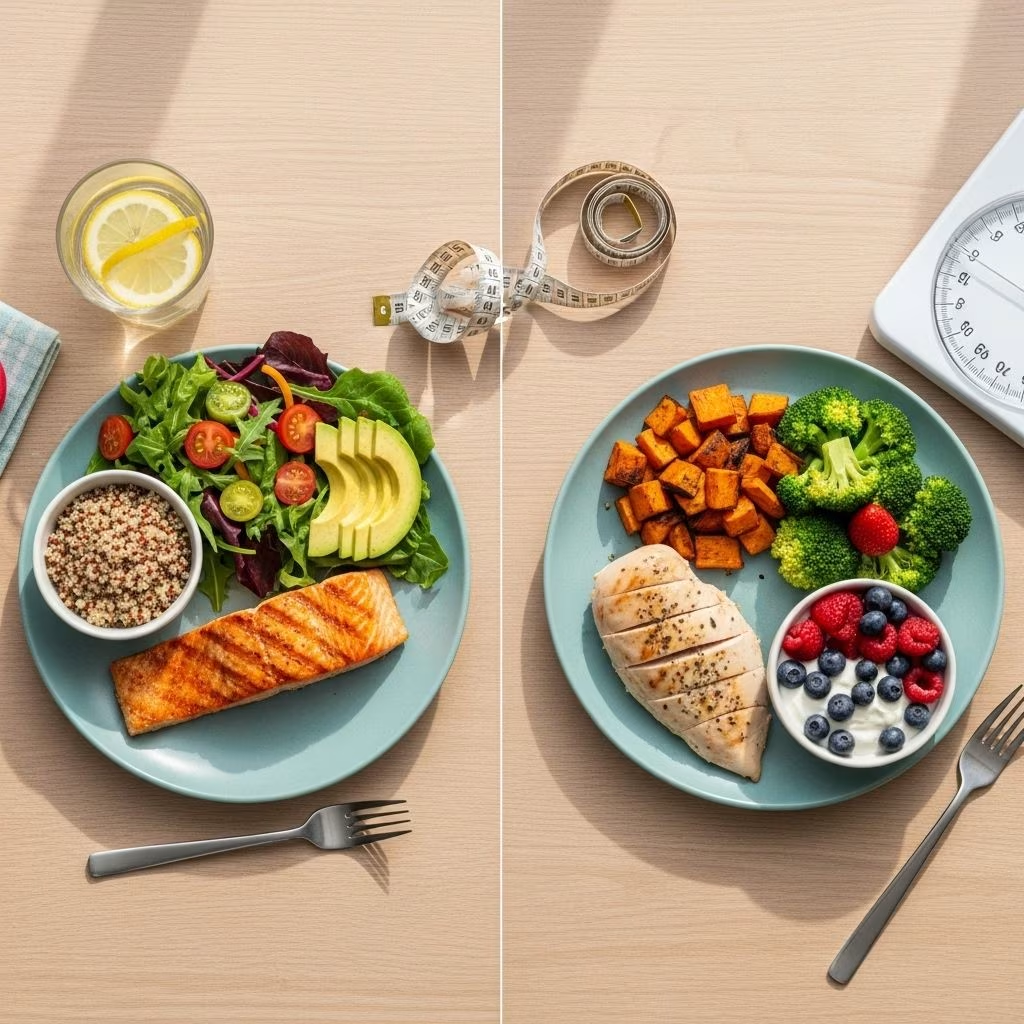
Sample Meal Plan: Two-Meal Diet
| Meal | Time | Sample Menu |
|---|---|---|
| Lunch | 12:30 PM | Grilled chicken breast, quinoa, mixed salad greens (spinach, tomato, cucumber), olive oil vinaigrette, Greek yogurt or fruit |
| Dinner | 7:00 PM | Baked salmon, roasted sweet potatoes, steamed broccoli and carrots, walnuts, dark chocolate square |
Note: Portion sizes should be customized to personal calorie needs. These meals are balanced to provide protein, healthy fats, fiber, and essential micronutrients.
Is the Two-Meal Diet Right for You?
The two-meal approach works well for many, especially those who are busy, seeking simplicity, or naturally less hungry in the mornings. However, dietary preferences and physiological needs vary widely. Personal experimentation, guided by ongoing assessment and medical oversight, is key.
- Individuals who are accustomed to frequent snacking may find elimination of the third meal challenging.
- The flexibility to choose any two meals makes the diet adaptable to different schedules, including shift workers or parents.
- The simplicity of fewer meals may help with long-term compliance compared to complex multi-meal plans.
Frequently Asked Questions (FAQs)
Q: Can skipping breakfast harm my metabolism?
A: Most recent evidence suggests that meal timing is less important than total caloric and nutrient intake. Skipping breakfast does not necessarily ‘slow’ metabolism, especially if you are consuming adequate nutrition within two planned meals.
Q: Is the two-meal diet suitable for diabetics?
A: Emerging research, especially with ketogenic diets, shows benefits in weight and glycemic control for type 2 diabetics, but caution is needed. Always consult a healthcare professional before changing meal patterns, especially if on medication due to risks of hypoglycemia.
Q: Will I feel hungry all day?
A: An initial increase in hunger is common when starting the two-meal diet, but most people find that their appetite stabilizes after 1–2 weeks. Large, balanced meals with protein and fiber increase satiety.
Q: Can I choose which meals to eat?
A: Yes, the plan is flexible. Individuals can select breakfast and lunch, lunch and dinner, or other combinations that best suit lifestyle and hunger patterns.
Q: What should each meal include?
A: Aim to include a source of lean protein, healthy fats, complex carbohydrates, and plenty of vegetables or fruits to ensure complete nutrition and longer-lasting satiety.
Q: Is this the same as intermittent fasting?
A: The two-meal diet employs similar principles to intermittent fasting by extending the fasting window, but places emphasis on meal quality and balance rather than just timing.
Conclusion
For those seeking an effective, sustainable way to manage weight and BMI, the two-meal diet offers a promising alternative to traditional meal patterns. With proper planning and professional guidance, most healthy adults can adopt this approach safely. However, individuals with specialized needs or medical conditions should exercise caution and evaluate all dietary changes with their healthcare provider. Ultimately, the best diet is one that fits your lifestyle, delivers necessary nutrients, and feels sustainable for the long run.
References
- https://www.healthshots.com/healthy-eating/nutrition/is-eating-2-meals-a-day-healthy/
- https://pmc.ncbi.nlm.nih.gov/articles/PMC10615408/
- https://www.nzprotein.co.nz/article/should-i-eat-two-meals-per-day
- https://betterme.world/articles/eating-twice-a-day/
- https://www.gorillabow.com/blogs/news/2-meals-a-day
- https://www.youtube.com/watch?v=RzP9POa6nd8
- https://www.medicalnewstoday.com/articles/is-it-better-to-eat-several-small-meals-or-fewer-larger-ones
- https://www.mayoclinic.org/healthy-lifestyle/nutrition-and-healthy-eating/expert-answers/intermittent-fasting/faq-20441303


