


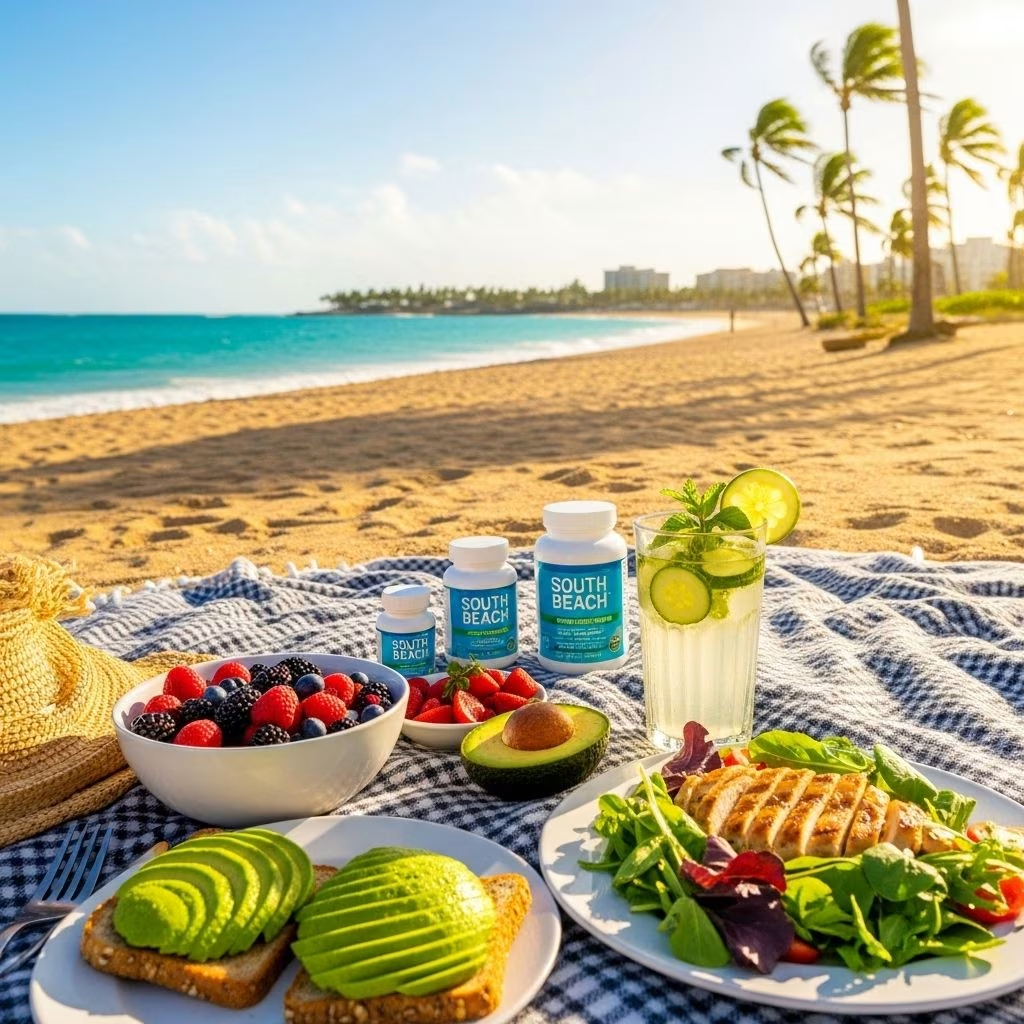
South Beach Diet: Benefits, Supplements & Side Effects Explained
The South Beach Diet is a well-known eating plan designed to promote weight loss and heart health through a smart approach to carbohydrate and fat intake. Developed by cardiologist Dr. Arthur Agatston, this diet has evolved from its original focus on heart health into a widely adopted method for sustainable weight loss. Below, we explore the core principles of the South Beach Diet, its phases, recommended supplements, health benefits, risks, potential side effects, and expert answers to frequently asked questions.
What Is the South Beach Diet?
The South Beach Diet is a nutrient-dense, fiber-rich eating plan that emphasizes the consumption of lean proteins, healthy fats, and complex carbohydrates, primarily targeting individuals seeking weight loss and better heart health. Unlike traditional low-carb diets, it selectively restricts particular carbohydrates based on their glycemic index (GI), promoting foods that provide slow, steady energy release and satiety rather than blood sugar spikes and hunger.
- Founded by: Dr. Arthur Agatston in the mid-1990s.
- Primary goal: Enhance heart health and promote weight loss.
- Key features: Divides foods into ‘good’ and ‘bad’ carbohydrates and fats.
How Does the South Beach Diet Work?
The South Beach Diet unfolds in three distinct phases, each with specific objectives and food guidelines:
Phase 1: The Kickstart
- Duration: 14 days
- Focus: The strictest period, eliminating fruit, grains, and high-carb foods.
- Diet: Emphasizes lean proteins, non-starchy vegetables, healthy fats, and legumes.
- Snacking: Two mandatory snacks daily comprising lean protein and vegetables.
- Expected weight loss: 8–13 pounds (3.5–6 kg).
Phase 2: Steady Progression
- Begins: Day 15
- Goal: Continue until reaching target weight.
- Diet: All Phase 1 foods, plus gradually reintroducing fruits and ‘good carbs’ (e.g., whole grains, select alcohols).
- Expected weight loss: 1–2 pounds (0.5–1 kg) per week.
Phase 3: Maintenance
- Triggered: Upon reaching goal weight
- Guideline: Maintain Phase 2 habits, allowing for occasional treats without strict prohibitions.
- Weight regain: Return to Phase 1 for one to two weeks if needed.
- Exercise: Regular physical activity is recommended to support long-term results.
Allowed and Restricted Foods
| Food Type | Allowed | Restricted |
|---|---|---|
| Proteins | Lean meats, seafood, eggs, soy products | Fatty meats, processed proteins |
| Vegetables | Non-starchy vegetables (e.g., leafy greens, broccoli) | Starchy vegetables (e.g., potatoes, corn) |
| Carbohydrates | Whole grains, beans, legumes (introduced in Phase 2) | White bread, white rice, refined sugars |
| Fats | Nuts, seeds, olive oil, avocado, omega-3 rich fish | Trans fats, excessive saturated fats |
| Fruits | Berries, citrus (introduced in Phase 2) | All fruits (Phase 1 only) |
Health Benefits of the South Beach Diet
- Effective Weight Loss: Rapid loss in Phase 1 (8–13 pounds), followed by slower, sustainable progress.
- Reduced Hunger and Cravings: High-protein and healthy fat intake promotes satiety.
- Improved Heart Health: Encourages consumption of anti-inflammatory foods (fatty fish, nuts, olive oil, leafy greens).
- Lower Blood Sugar and Insulin Levels: Limits high GI carbs, promoting stable blood glucose.
- Reduced Inflammation: Omega-3s from fish and nuts counteract chronic inflammatory risk.
- Decreased Risk of Chronic Diseases: May reduce risk of diabetes, hypertension, and metabolic syndrome.
- Custom Meal Planning: Numerous recipes and meal guides reduce planning stress.
Role of Dietary Supplements in the South Beach Diet
While the South Beach Diet primarily relies on whole foods, supplements may be considered to fill nutritional gaps, especially during the strict Phase 1.
Common Supplements Used
- Multivitamins: To ensure adequate vitamins and minerals, particularly B vitamins, vitamin D, and calcium, given initial fruit/grain restrictions.
- Fiber supplements: May benefit participants with reduced intake of whole grains and some produce in Phase 1.
- Omega-3 fatty acids: For individuals not eating adequate fatty fish, supplements can support heart health.
- Electrolyte supplements: Can help mitigate symptoms associated with rapid initial water and weight loss (see below).
- Probiotics: Occasionally recommended for digestive health due to dietary changes.
Are Supplements Necessary?
Supplements are optional, not mandatory. Most participants are advised to consult a healthcare provider prior to using supplements, as the diet aims to provide balanced nutrients via food. Supplement use typically arises when individuals experience symptoms linked to rapid dietary changes or have preexisting deficiencies.
Potential Risks and Side Effects
Although generally safe for most healthy adults, the South Beach Diet, notably in Phase 1, has potential risks and side effects to be aware of:
- Induction of Ketosis: Very low carbohydrate intake may cause mild ketosis, which can lead to symptoms such as headache, fatigue, or irritability.
- Initial Side Effects: During the first weeks, common complaint is the “South Beach flu”—a temporary period involving nausea, dizziness, weakness, constipation, and muscle cramps, as the body adapts to carbohydrate reduction.
- Digestive Changes: Some experience bloating, gas, or changes in bowel habits as fiber intake and food variety shift.
- Nutritional Gaps: The strict Phase 1 can pose risks of vitamin, mineral, or fiber deficiency if followed for extended periods without careful food choices or supplements.
- Lack of Long-Term Research: Some benefits and claims lack robust scientific evidence for sustained outcomes.
- Not universally suitable: Individuals with chronic illnesses, athletes, pregnant/lactating persons, or those requiring high energy intakes should consult a dietitian before starting.
How to Minimize Side Effects
- Drink adequate water and replenish electrolytes when experiencing rapid weight loss.
- Gradually reintroduce fiber-rich foods to avoid constipation.
- Monitor your energy levels and consult your doctor if you experience persistent symptoms.
- Consider multivitamins or supplements if recommended by your provider, especially in Phase 1.
Do Supplements Enhance Results?
There is no conclusive scientific evidence that supplements will accelerate weight loss or enhance overall results for most people following the South Beach Diet, provided the eating plan is balanced and varied. Supplements serve mainly to fill short-term gaps and address symptoms, not as meal replacements or substitutes for a healthy diet.
Sample South Beach Diet Meal Plan
| Meal | Phase 1 Example | Phase 2 Example |
|---|---|---|
| Breakfast | Vegetable omelet with spinach and lean turkey | Omelet with spinach, lean turkey, and a serving of berries |
| Snack | Celery sticks with hummus | Apple slices with almond butter |
| Lunch | Grilled salmon salad with olive oil dressing | Whole grain wrap with grilled chicken and veggies |
| Snack | Greek yogurt (unsweetened) with walnuts | Low-fat cheese and pear slices |
| Dinner | Roasted chicken breast with broccoli and cauliflower | Grilled fish, brown rice, and mixed green salad |
Is the South Beach Diet Sustainable?
The South Beach Diet is widely considered sustainable due to its flexible long-term approach in Phase 3. Meal variety, gradual reintegration of healthy carbs, and allowance for occasional treats make it easier for most people to adhere to the diet for life, not just for short-term weight loss.
Frequently Asked Questions (FAQs)
Q: Is the South Beach Diet safe for diabetics?
A: The South Beach Diet can be beneficial for diabetics due to its positive effects on blood sugar stability, but it is essential for anyone with diabetes to consult a specialist before beginning, especially given possible medication and glucose level interactions.
Q: Can vegetarians follow the South Beach Diet?
A: Yes. Vegetarians can modify the South Beach Diet by focusing on soy-based proteins, legumes, nuts, dairy (if not vegan), and plant-based oils. Vegan options require extra attention to nutrient intake, particularly B12, iron, and omega-3s.
Q: Are results from the South Beach Diet long-lasting?
A: Many studies support sustained weight loss and health benefits when participants maintain Phase 3 habits and continue regular exercise. Weight regain is likely if old habits are resumed.
Q: What side effects should I look out for?
A: Most side effects are short-term, including headaches, constipation, fatigue, and muscle cramps, especially in Phase 1. Persistent symptoms warrant professional attention.
Q: Do I need supplements on the South Beach Diet?
A: Supplements are generally optional unless you experience symptoms or your doctor identifies a deficiency. Most nutrients should come from whole foods.
Expert Advice: Key Considerations Before Starting
- Discuss with your physician if you have medical conditions or take medications that may interact with dietary changes.
- Set realistic goals: Use Phase 1 for quick results, but focus on the gradual, sustainable weight loss and long-term health benefits of later phases.
- Meal planning and preparation enhance adherence and minimize temptation.
- Exercise regularly for best metabolic and cardiovascular benefits.
- Monitor your progress, and adjust as needed. If you regain weight, return briefly to a stricter phase.
Tips for Success on the South Beach Diet
- Stock your kitchen with allowed foods each phase.
- Explore new recipes to make meals enjoyable.
- Use food journals or apps to track intake and symptoms.
- Stay well-hydrated at all times.
- Join support groups or forums for motivation and advice.
Frequently Asked Questions (FAQs)
Q: Can I drink alcohol on the South Beach Diet?
A: Alcohol is not permitted during Phase 1. Moderate amounts of wine or light beer may be gradually reintroduced in Phase 2 and 3 depending on personal progress and goals.
Q: What do I do if I feel unwell during Phase 1?
A: Symptoms like fatigue or headache are common as your body adapts. Drink water, eat your snacks, and consider a multivitamin if approved. Seek medical advice for severe or ongoing symptoms.
Q: Can the diet be customized for food intolerances?
A: Yes. The plan allows substitutions within defined food groups, enabling you to avoid allergens and intolerances while maintaining nutritional balance.
The South Beach Diet remains a popular structured approach to weight loss and heart health, emphasizing real foods, sensible supplement use, and an adaptable long-term plan. Understanding its principles, supplements, and possible side effects helps maximize benefits and avoid pitfalls.
References
- https://www.healthline.com/nutrition/south-beach-diet
- https://resources.healthgrades.com/right-care/food-nutrition-and-diet/south-beach-diet
- https://www.bostonspecialists.org/south-beach-diet
- https://www.medicalnewstoday.com/articles/7501
- https://www.mayoclinic.org/healthy-lifestyle/weight-loss/in-depth/south-beach-diet/art-20048491
- https://www.webmd.com/diet/south-beach-diet-what-it-is
- https://www.mymlc.com/health-information/articles/s/south-beach-diet/?section=Diet+details
- https://regene.ai/articles/south-beach-diet-a-holistic-approach


