


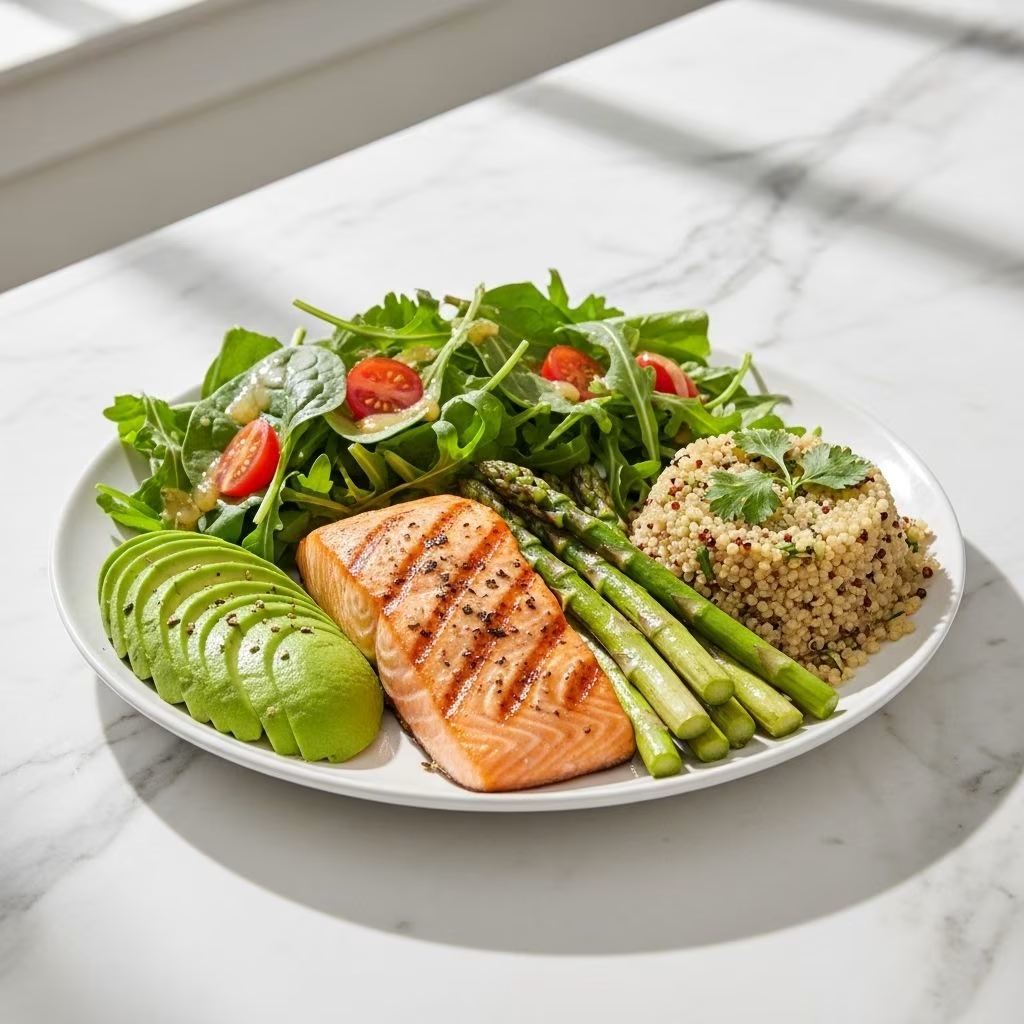
The South Beach Diet, designed by Dr. Arthur Agatston, has attained remarkable popularity as a low-carbohydrate, high-protein approach for weight loss and supposed heart health. But does this bestselling plan deliver on its promises, and how safe is it in reality? This article offers an in-depth exploration of the science, claims, benefits, and medical perspectives behind the South Beach Diet, drawing on expert insights and current research.
What Is the South Beach Diet?
The South Beach Diet was initially developed in the mid-1990s by Dr. Arthur Agatston, a Miami-based cardiologist, in collaboration with dietitian Marie Almon. While its original intent was to reduce heart disease risk among patients, it rapidly evolved into a commercial weight loss phenomenon following best-selling book releases in the early 2000s.
At its core, the diet seeks to promote weight loss and cardiometabolic health by asking people to:
- Reduce intake of refined carbohydrates (especially sugar and white flour)
- Prioritize lean proteins and healthy fats
- Make lifestyle adjustments in 3 structured phases
Unlike the traditional low-carb Atkins diet, South Beach emphasizes the type of carbohydrate, focusing on those with a low glycemic index (GI), which leads to slower digestion and steadier blood sugar levels.
The Three Phases of the South Beach Diet
Phase 1: The Quick Start
This two-week introductory phase is the strictest segment of the diet. Its primary goal is to break sugar cravings and kickstart rapid weight loss (targeting 8–13 pounds in 14 days). This is achieved by eliminating nearly all carbohydrates, including:
- Bread and grains
- Rice, pasta, and potatoes
- Fruit
- Sugar and alcohol
Instead, dieters fill up on:
- Lean proteins (chicken, fish, eggs, soy)
- Non-starchy vegetables
- Small portions of heart-healthy fats (olive oil, avocado, nuts)
Two mandatory snacks, usually a lean protein with vegetables, are included daily.
Phase 2: Slow and Steady Loss
Phase 2 begins on day 15 and continues until a person achieves their target weight. During this phase, some whole grains, fruit, and “good carbs” (such as brown rice, whole-wheat bread) are gradually reintroduced. The expected weight loss slows to 1–2 pounds per week, aiming for sustainable progress.
Phase 3: Forever Maintenance
Once the dieter reaches their goal, Phase 3 is intended as a lifetime approach to maintenance. No food is entirely off-limits, but meals are structured according to lessons learned during earlier phases. If weight gain occurs, a short return to Phase 1 is suggested until weight stabilizes.
Summary Table: South Beach Diet Phases
| Phase | Duration | Main Characteristics | Expected Weight Loss |
|---|---|---|---|
| Phase 1 | 2 weeks | Very low-carb, high-protein, no fruit or grains | 8–13 lbs |
| Phase 2 | Variable (to goal weight) | Add back healthy carbs, fruit, whole grains | 1–2 lbs/week |
| Phase 3 | Ongoing | Lifestyle maintenance, moderation, flexibility | Depends on adherence |
What Can You Eat on the South Beach Diet?
The South Beach Diet promotes nutrient-dense, fiber-rich foods, especially in later phases. Here is an overview of the foods commonly encouraged and restricted:
- Lean proteins: Chicken, turkey, fish, eggs, tofu
- Healthy fats: Olive oil, avocado, nuts, seeds
- Non-starchy vegetables: Spinach, broccoli, peppers, cucumbers, lettuce
- Complex carbohydrates: Whole grains (brown rice, oats), legumes, beans (introduced in Phase 2)
- Moderate fruits: Berries, apples, oranges (introduced in Phase 2)
Foods to avoid, especially in the early phases, include white bread, pasta, sugary foods, potatoes, most baked goods, and alcohol. South Beach meals should be balanced and focus on portion control, especially once some carbs are re-added.
Key Benefits Claimed by the South Beach Diet
Proponents and the original authors highlight several touted benefits:
- Weight loss without hunger: High protein and healthy fats promote satiety, helping most people eat less overall
- Reduced cravings: Quick elimination of high-sugar foods is claimed to help retrain the body to prefer healthier options
- Lower insulin and blood sugar: Minimal refined carbs lead to better blood sugar balance—potentially helpful for prediabetics or those with insulin resistance
- Heart health: Emphasis on good fats, fatty fish, nuts, and olive oil supports cardiovascular wellbeing
- Inflammation reduction: Anti-inflammatory foods such as leafy greens and omega-3 rich fish are cornerstone recommendations
- Prevention of chronic conditions: Some studies link the diet—when carefully followed—with reduced risk for type 2 diabetes and high blood pressure
What Does the Science Say?
The basis for these benefits is supported by some peer-reviewed studies, but evidence remains mixed on certain claims:
- High-protein, low/simple-carbohydrate diets may indeed help with rapid initial weight loss and improved satiety
- Some research also supports that such approaches can lower insulin levels, at least temporarily
- Healthier fats and plenty of vegetables do, in fact, aid heart health and may lower inflammation
- Yet, many long-term outcomes—such as sustained weight maintenance, prevention of heart disease, and broader claims—lack definitive evidence. Most experts note the key factor is a reduction in calories and better food choices, not necessarily the diet’s structure itself.
Potential Risks and Criticisms
Despite notable benefits, the South Beach Diet has been criticized for several reasons by medical professionals and researchers:
- Induction ketosis: Especially in Phase 1, very low carbohydrate intake can cause ketosis (where the body burns fat for fuel), leading to symptoms like headache, fatigue, nausea, and bad breath
- Restrictiveness: The initial phase may be hard for some people to adhere to, risking eventual abandonment and weight regain
- Unproven claims: Several key points made in the South Beach Diet books, such as dramatic metabolic enhancement or specific disease prevention, lack strong scientific consensus
- Potential for nutrient shortages: Eliminating fruits, grains, and select vegetables for two weeks, especially without guidance, may create gaps in key vitamins and minerals
- Risk of overconsuming saturated fat: Although ‘good fats’ are emphasized, lack of proper monitoring might lead some to overconsume less healthy options
Importantly, the diet is not recommended for children, pregnant or breastfeeding women, or those with certain kidney conditions without medical oversight.
Addressing the Kidney Stones Controversy
One topic that has often surfaced in media and medical discussions involves whether the South Beach Diet might increase the risk of kidney stones. Here are the points to consider:
- Kidney stones are more common on high-protein, low-carb diets, especially those restricting fruits and grains; the risk is higher for calcium stones due to increased calcium excretion and changes in urine composition.
- No large clinical trials have definitively linked modest low-carb diets like South Beach to a significant increase in kidney stones for most adults, but individual risk varies, particularly for those with personal or family history of stones.
- Medical experts advise drinking plenty of water and ensuring adequate intake of fruits and vegetables (when allowed) to prevent stone formation.
What Do Medical Experts Say?
Different health professionals hold varying views of the South Beach Diet. Here are some expert insights:
- Positive perspectives: Many dietitians appreciate the focus on nutrient-dense foods, lean proteins, healthy fats, and decreased sugar intake.
- Cautions: Experts warn against the extreme restrictiveness of the first phase and emphasize monitoring for symptoms such as headache, constipation, and fatigue.
- Most agree that any diet that eliminates entire food groups carries some risk, and the best results are achieved with long-term, moderate adjustments that emphasize balance and variety.
Practical Tips and Sample Meals
If considering the South Beach Diet, here are key tips based on nutritionist and physician recommendations:
- Stay well-hydrated, especially during the first phase.
- Focus on variety—include lots of different vegetables and healthy fats.
- Watch portion sizes for added fats and nuts, as calories add up quickly.
- Adapt the maintenance (Phase 3) guidelines for ongoing healthy habits instead of getting stuck in an endless cycle of strict and relaxed phases.
- If you have kidney issues, diabetes, or heart conditions, consult with a doctor before starting any restrictive diet.
Sample Phase 1 Menu (Day)
- Breakfast: Omelette with spinach, mushrooms, and tomatoes cooked in olive oil
- Snack: Celery sticks with low-fat cheese
- Lunch: Grilled chicken salad with avocado, mixed greens, and vinaigrette
- Snack: Sliced cucumbers and lean turkey breast
- Dinner: Baked salmon, steamed broccoli, and cauliflower mash
Common Myths and Misunderstandings
- “All carbs are off-limits”: Only true for the first phase. Later phases reintroduce whole grains and low-GI fruits.
- “The diet is only for fast weight loss”: South Beach is promoted as a lifelong approach by its creators, though most people focus on rapid early results.
- “Fat is unlimited”: The diet calls for healthy fat but within moderation.
Frequently Asked Questions (FAQs)
Q: Who should not try the South Beach Diet?
People with kidney disease, pregnant or breastfeeding women, children, and those with chronic medical conditions should avoid the diet or seek medical supervision before adopting strict carb restrictions.
Q: Will I gain all the weight back once I stop?
If you revert to previous eating habits after weight loss, you are likely to regain lost weight. Maintenance (Phase 3) is key for long-term results.
Q: Is the South Beach Diet effective for diabetes?
Its focus on low refined carbs can help control blood sugar, but type 1 and insulin-dependent diabetics should only modify their diet under professional guidance.
Q: Can vegetarians or vegans follow the South Beach Diet?
The diet can be adapted for vegetarians by using plant-based proteins, but vegans may find Phase 1 particularly restrictive without guidance.
Q: Are there risks of nutrient deficiencies?
Short-term risks are small, but long restrictions on fruit, dairy, or grains could mean deficiencies in fiber, vitamin C, or calcium. Balance and gradual reintroduction are crucial for good nutrition.
Final Thoughts
The South Beach Diet offers several promising features for weight management and heart health, especially when it shifts focus from rigid rules to balanced, sustainable nutrition. However, as with any diet, long-term success and safety depend on gradual, personalized changes, and whether the approach fits your health needs and lifestyle. Consulting a registered dietitian or physician is always the best way to make an informed decision.
References
- https://www.healthline.com/nutrition/south-beach-diet
- https://resources.healthgrades.com/right-care/food-nutrition-and-diet/south-beach-diet
- https://www.bostonspecialists.org/south-beach-diet
- https://www.medicalnewstoday.com/articles/7501
- https://www.mayoclinic.org/healthy-lifestyle/weight-loss/in-depth/south-beach-diet/art-20048491
- https://www.webmd.com/diet/south-beach-diet-what-it-is
- https://www.mymlc.com/health-information/articles/s/south-beach-diet/?section=Diet+details


