


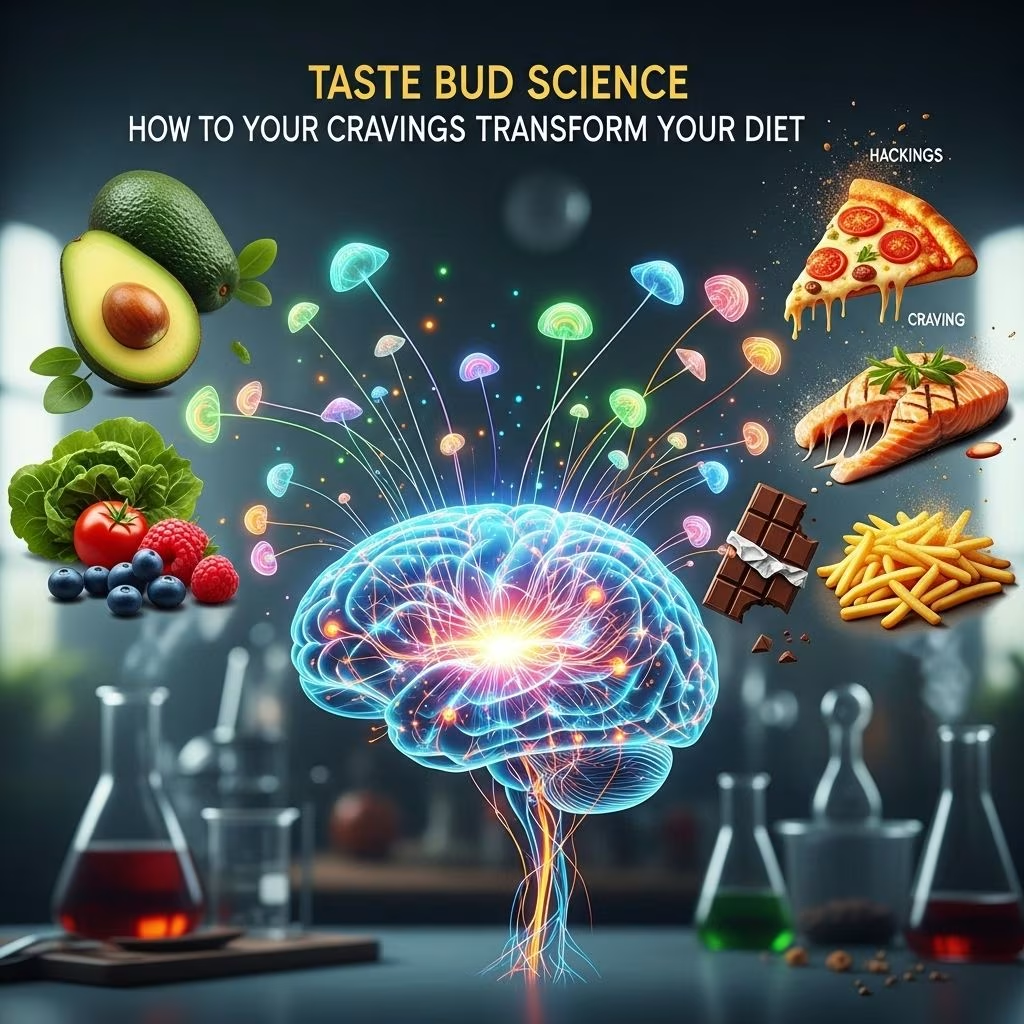
Hack Your Taste Buds: A Science-Based Approach to Craving Control
Food cravings and taste preferences shape much of our dietary behavior. While genetics, biology, and past experiences play a major role, research shows that you can retrain your taste buds to favor healthier foods and dampen your desire for unhealthy ones. This article unlocks the science behind taste buds, highlights why you crave certain foods, and delivers actionable techniques to rethink your taste experience—so you can curb unhealthy cravings, rediscover satisfaction in nutritious meals, and succeed with your eating goals.
What Are Taste Buds—and Why Do They Matter?
Taste buds are clusters of sensory cells found mostly on the surface of the tongue, but also on the roof of your mouth and the throat. There are about 10,000 taste buds in the average adult, each detecting five basic tastes: sweet, sour, salty, bitter, and umami (savory) . Taste buds help you distinguish the nutrient value, safety, and enjoyment of your food.
- Sweet buds: At the tip of the tongue, help detect sugars—a key energy source.
- Salty buds: Also concentrated at the tip, register essential minerals.
- Sour and bitter buds: Located at the sides and back—these flavors often signal spoilage or toxicity, but can add balancing complexity.
- Umami buds: Spread across the tongue, respond to glutamate found in protein-rich foods like mushrooms, meats, and parmesan .
Taste buds renew every eight to twelve days, meaning your taste experience is always evolving . Smell, nerve endings, and texture also play roles in your sense of flavor and satisfaction .
Understanding Cravings: Why You Really Want That Cupcake
Cravings are complex. They arise from physiological needs, psychological triggers, and learned behaviors. Here are key drivers:
- Sweet cravings: Humans are hard-wired to prefer sweetness—it signals energy and safety—but frequent exposure to highly sweet foods or drinks intensifies these cravings .
- Salty cravings: Salt is essential for body function, but processed foods often ramp it up—making you desire ever-higher levels.
- Umami and fatty cravings: Savory-rich foods and foods high in fat can trigger strong, rewarding responses in the brain.
- Sensory adaptation: The more you bombard your taste buds with intense flavors (high sugar, salt, fat), the less sensitive they become to subtle, natural tastes .
Aging, health, medications, and dry mouth can also dull taste—making you reach for more intensely flavored meals .
How to Retrain Your Taste Buds: Science-Backed Strategies
Fortunately, you have the power to ‘rehabilitate’ your taste buds, restoring your ability to enjoy natural flavors and reducing cravings for unhealthy foods .
1. Reduce Sugar and Salt Gradually
- Start by cutting back on obvious sources (e.g., sugary drinks, salty snacks).
- Choose unsweetened or lower-sodium versions of favorite staples.
- Eat naturally sweet fruits instead of processed desserts—berries, apples, oranges, and melons slowly reset sweetness expectations .
- Use minimal added salt; flavor with herbs and spices instead.
Over several weeks, your taste buds will adapt and reset, allowing you to find pleasure in less-sweet, less-salty foods .
2. Focus on Whole and Minimally Processed Foods
- Swap packaged snacks and sauces for fresh vegetables, legumes (beans, lentils), mushrooms, nuts, seeds, plain yogurt, and fresh milk.
- Avoid overcooking vegetables—which can intensify bitterness and create unpleasant odors.
- Build meals around natural ingredients with diverse flavors (e.g., roasted carrots, steamed broccoli).
Whole foods contain more subtle, complex flavors and healthier balances of sweet, salty, and umami .
3. Experiment With Sensory ‘Biohacks’
- Taste-altering compounds (like Synsepalum dulcificum, aka ‘miracle berry’) can temporarily transform sour flavors into sweet—though real change comes from consistent habits .
- Adding more herbs and spices can stimulate different taste receptors, helping older adults and people with dulled taste enjoy flavorful meals without extra salt or sugar .
- Try temperature, texture, and aroma shifts. Warm foods offer faster flavor; crunchy foods engage texture nerves; aromatic spices enhance perceived taste.
4. Reset Cravings Through Behavioral Change
- Reduce exposure to hyper-palatable foods (cookies, chips, pastries) for 2–4 weeks—this helps lessen dependency and lowers thresholds for sweetness, saltiness, and fat.
- Practice mindful eating: Savor flavors with attention, chew slowly, and pay close attention to aroma, mouthfeel, and aftertaste.
- Pair new flavors with positive experiences—over time, you’ll begin associating healthy choices with satisfaction.
5. Supplement With Healthy Replacements
- Replace sugar-laden foods with satisfying alternatives—fruit, cinnamon, cocoa nibs, plain yogurt, or herbal teas.
- When reducing salt, try lemon juice, vinegar, dried herbs, or pepper for complexity.
Persistence pays off—within weeks, your taste buds can recalibrate, making you more receptive to subtler flavors and less likely to crave unhealthy foods .
The Role of Scent, Texture, and Other Senses
A lot of what we call ‘taste’ is actually aroma and mouthfeel. Your nose contributes hundreds of subtle flavor notes, and nerve endings on your lips, tongue, and throat transmit sensations of heat, cold, crunch, softness, and creaminess . Dry mouth, congestion, or illness can dull these senses—sometimes triggering a desire for strongly seasoned, rich, or sweet foods. Hydration, gentle cleaning, and mindful eating help restore your full flavor profile.
How Health, Age, and Medication Affect Taste
After age 50, taste bud count declines—making it harder to detect faint flavors and produce enough saliva . Medications, allergies, sinus infections, and chronic conditions can all dampen taste perception. If you notice abrupt, lasting changes, consult a medical professional. Otherwise, regular taste rehab and dietary tweaks can counter these effects.
Taste Sensitivity and Weight Loss: The Drug Connection
Recent research indicates some weight-loss drugs (GLP-1 agonists such as Wegovy and Ozempic) may affect taste sensitivity—particularly dampening the appeal of sweets and rich foods. GLP-1 is produced by the taste buds, gut, and brain, influencing the perception and processing of taste . People on these drugs often report reduced cravings and lower enjoyment of hyper-palatable foods, leading to decreased consumption and potential weight loss.
- GLP-1 impacts sensitivity to sweet and fatty foods .
- Changes in taste may explain some appetite suppression seen in clinical trials.
For people struggling with extreme cravings, medical therapies might amplify results when combined with behavioral taste bud retraining.
5 Proven Tips to Hack Your Taste Buds Today
- Give yourself time. It takes several weeks for taste buds and brain pathways to adjust—be patient.
- Cook more at home. Experiment with fresh produce, varied textures, herbs, and spices—build your flavor library.
- Try healthy swaps. Replace processed foods one at a time, rewarding yourself for every upgrade.
- Embrace bitterness and umami. Learn to appreciate flavors beyond sweet and salty—green tea, dark chocolate, mushrooms, olives, and tomatoes expand your palate.
- Stay hydrated. A moist mouth enhances aroma and taste; drink water regularly.
Table: Foods to Boost Each Taste Bud Type
| Taste | Healthy Foods | How to Enjoy |
|---|---|---|
| Sweet | Berry, apple, pear, sweet potato | Raw, baked, in smoothies |
| Salty | Tomato, cheese, olives | Fresh, sprinkled, in salads |
| Sour | Lemon, lime, vinegar, yogurt | Drizzled, mixed, marinated |
| Bitter | Arugula, broccoli, dark chocolate | Grilled, raw, shaved |
| Umami | Mushrooms, tomato paste, parmesan | Roasted, grated, in sauces |
Frequently Asked Questions (FAQs)
How long does it take to retrain your taste buds?
Significant changes often occur within two to four weeks of consistent dietary adjustments. For best results, combine mindful eating, variety, and reduced exposure to processed foods.
Can everyone successfully retrain their taste buds?
Most people can achieve pronounced changes, though aging, medical conditions, and medications can affect timing and outcomes. Consult a doctor if you have lasting taste changes or health concerns .
Do taste bud hacks work for weight loss?
Evidence suggests that reducing exposure to high-sugar and high-salt foods, as well as certain medical therapies, may curb cravings and support sustainable weight loss when combined with other healthy habits .
Are there risks to reducing sugar and salt quickly?
Rapid changes can feel unsatisfying and trigger relapse. Gradual shifts are safer and more sustainable—always speak with a dietitian about personal needs, especially if managing chronic health conditions.
What else can dull taste?
Illness, nasal/sinus congestion, dry mouth, aging, nutritional deficiencies, and certain medications commonly affect taste perception. Address underlying causes when possible .
Conclusion: Empowering Your Taste Buds for Life
Understanding the science behind taste buds—and using practical strategies to retrain them—can help you defeat unhealthy cravings, rediscover satisfaction in nutritious foods, and transform your eating habits for long-term success. With the right knowledge and tools, you’ll build a healthier, more empowered relationship with food.
References
- https://www.healthyfood.com/advice/a-matter-of-taste-10000-things-that-drive-our-food-cravings/
- https://diylifetech.com/i-hacked-my-tastebuds-to-reduce-my-sugar-intake-5502e82e9c6
- https://www.prevention.com/weight-loss/a61061987/weight-loss-drugs-wegovy-ozempic-improve-taste-sensitivity-study/
- https://www.health.harvard.edu/staying-healthy/you-dont-say-a-matter-of-taste
- https://www.prevention.com/weight-loss/a20455534/hack-your-taste-buds/
- https://www.prevention.com/health/a35179789/burnt-orange-hack-covid-19-loss-of-taste-smell/
- https://www.mdanderson.org/cancerwise/lost-your-sense-of-taste-or-smell-due-to-covid-19-or-cancer-treatment–8-tips-for-eating-well.h00-159458478.html
- https://www.healthline.com/health/how-to-get-your-taste-buds-back


