


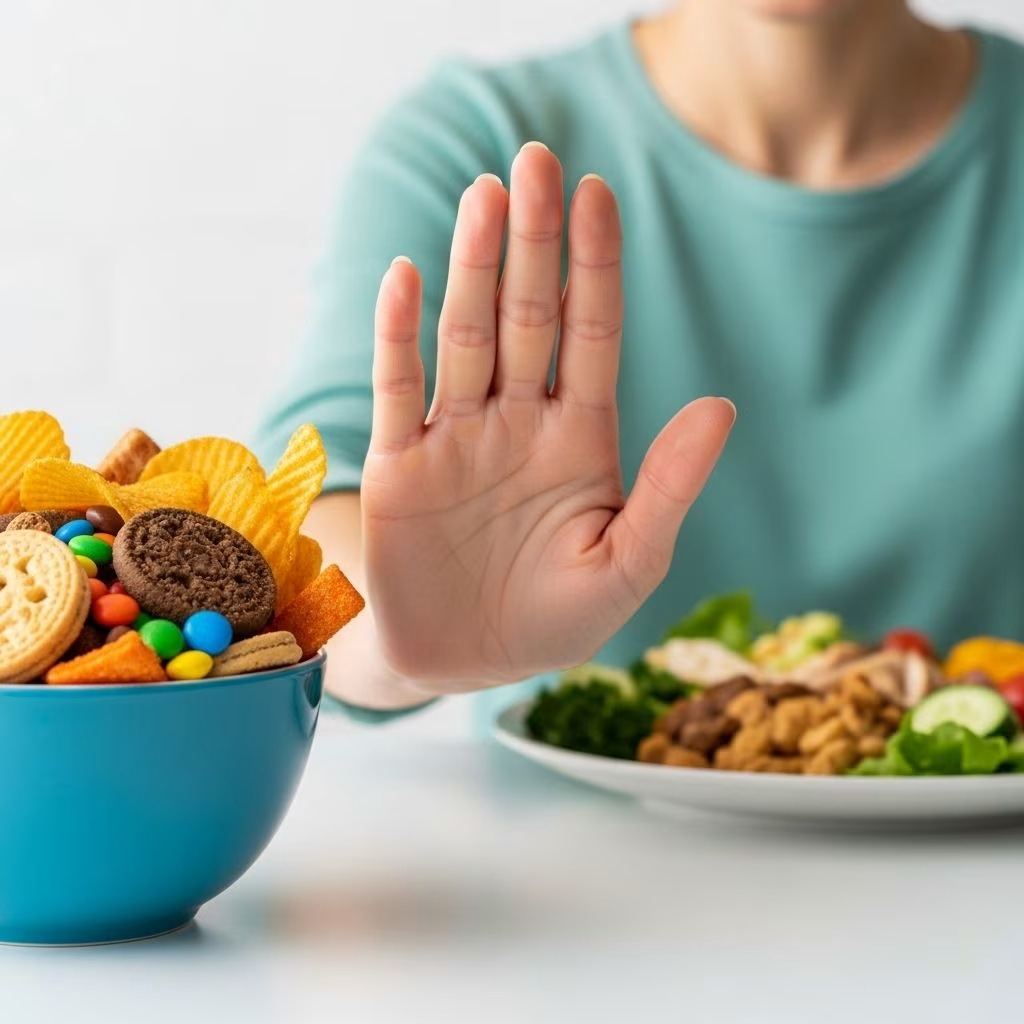
For many, snacking has become a reflexive part of daily life—something we do in the car, in front of the TV, at our desks, or even while preparing dinner. Research shows that the average person consumes nearly 600 calories a day from snacks alone, which accounts for about a third of total daily intake. If you find yourself reaching for chips or cookies without thinking, it’s time to regain control. This guide explores six common triggers for excessive snacking and delivers practical, science-backed strategies for cutting back on empty calories and cultivating healthier eating habits.
Why Do We Snack Excessively?
Snacking isn’t inherently bad, but mindless and excessive snacking can sabotage weight loss efforts and undermine overall health. Typical reasons for overeating between meals include:
- Emotional eating: Stress, boredom, or fatigue can prompt reaching for snacks.
- Environmental cues: The sight or smell of food—even on television—can spark cravings.
- Habit: Automatic gestures, like munching while working or watching TV, go unnoticed.
- Poor meal timing: Skipping meals or not eating satisfying foods increases hunger and the urge to snack.
Breaking the cycle requires awareness, planning, and at times, a shift in your physical and mental approach to food.
1. Don’t Snack at Night: The Power of a Satisfying Start
Nighttime snacking can easily turn into a calorie trap. Setting yourself up for success starts with the first meal of your day:
- Begin with a hearty, nutrient-dense breakfast—think eggs, steel-cut oats, or Greek yogurt. Protein and complex carbs deliver lasting satiety.
- For lunch, balance healthy carbohydrates with protein and some fat to fend off late-afternoon cravings.
- Practice mindful indulgence: If you crave a treat, fully savor it. One technique recommended by experts is a ‘chocolate meditation’: slowly let a piece of dark chocolate melt in your mouth, noting every flavor and sensation. This increases satisfaction and reduces the need to overindulge.
If nighttime cravings persist, choose smart options:
- Try Greek yogurt with berries, air-popped popcorn, or a small apple with nut butter—snacks high in fiber or protein help you feel fuller faster.
2. Don’t Nosh While You Cook: The Sneaky Source of Extra Calories
For many, snacking while making dinner seems innocent, but it can add hundreds of unnoticed calories. To break this habit:
- Plan ahead: Before getting home, have a small, healthy snack if you tend to arrive hungry. Examples include a handful of almonds, some carrot sticks, or low-fat cheese.
- Set yourself up for quick, healthy meals. Know a few fast recipes using pre-cooked proteins, microwavable grains, and veggies.
- If you need to munch, opt for raw vegetables like snap peas, grape tomatoes, or cucumber slices instead of chips or crackers.
3. Keep Healthy Snacks in the Car: Outsmart On-the-Go Urges
Many succumb to fast-food temptations during commutes or errands. The solution lies in preparation:
- Pre-pack nutritious, portion-controlled snacks such as individual bags of nuts, an apple, or a banana.
- High-protein portable snacks, like jerky or small cheese portions, offer lasting energy and curb sudden hunger.
- Change your commute if necessary. Taking a different route home—one that bypasses your favorite drive-thrus—can make a substantial difference.
| Healthy Snack | Calories (Approx.) | Comparable Drive-Thru Snack | Calories (Approx.) |
|---|---|---|---|
| Small bag of cashews | 150 | Small fries | 320 |
| Apple | 95 | Regular donut | 260 |
| Half PB&J on whole wheat | 120 | Cheeseburger | 300 |
4. Keep a Food (and Snack) Diary: Boost Awareness, Cut Extra Calories
Mindless eating often happens because we’re not tracking when or what we consume. Experts suggest:
- Log every bite and beverage. Tracking reveals patterns and can “shame” you into making better decisions. Numerous digital apps are available, or you can use a notebook.
- Eat at the table—without distractions. Avoid multitasking with TV, computers, or reading during snacks and meals. This makes you more aware of what and how much you’re eating.
- Include physical activity in your diary to spot trends between movement and appetite.
Making snacking a conscious act is the fastest way to control it. When you realize how often you snack out of habit rather than hunger, cutting back becomes much easier.
5. Steer Clear of Office Snacks and Vending Machines: Prepare to Resist Workplace Temptations
The office is a notorious minefield for unhealthy snacking, from vending machines to co-workers’ candy jars. To take control:
- Bring your own healthy alternatives—think tamari-roasted almonds, dark chocolate squares, or your favorite fruit. Having appealing choices on hand reduces the lure of junk food.
- Brown-bag your lunch when you expect a hectic day. Healthy, homemade meals keep hunger at bay and prevent impulsive vending machine runs.
- Make healthy snacks visible and convenient while keeping processed options out of arm’s reach.
6. Avoid Snacking on Kids’ Foods: Skip the Easy, Empty Calories
Kiddie foods like chips, cookies, or fruit snacks are often high in sugar and fat and low in satiety. Experts recommend:
- Replace processed, high-calorie snacks with whole foods that are rich in water or fiber (like grapes or berries).
- Air-popped popcorn sprinkled with a little Parmesan is a satisfying alternative to greasy chips.
- Think “family friendly”: Serve and snack on options everyone can enjoy without the guilt.
Mistake-Proof Your Snacking Routine: Additional Proven Tips
- Don’t skip meals. Extended gaps between eating set you up for cravings and overconsumption later in the day. Eat regular, protein- and fiber-rich meals to steady blood sugar and stave off snacking impulses.
- Practice mindful eating. Engage with your food: notice textures, flavors, and fullness cues. Eating slowly gives your body time to register satisfaction, helping prevent overeating.
- Keep snacks in small containers. Portioning out single servings—rather than eating from a large bag—provides a built-in “pause point” to reassess your hunger.
- Maintain a food-free perimeter. Store snacks in the kitchen and avoid keeping them at your desk or couch to reduce mindless munching.
Frequently Asked Questions about Reducing Excessive Snacking
Q: What is the healthiest approach to snacking?
A: The healthiest approach is to snack intentionally—choose whole foods rich in fiber, protein, or healthy fats, and eat only when genuinely hungry, not out of habit or emotion.
Q: How can I tell if I’m truly hungry or simply eating out of routine?
A: Before eating, pause and ask yourself if you’d eat an apple or raw vegetables. If the answer is “no,” you’re likely seeking comfort or distraction, not nourishment.
Q: Are small, frequent meals a good alternative to snacking?
A: While some find eating several small, balanced meals curbs hunger, others may end up consuming extra calories through “grazing.” Focus on meal satisfaction, not just frequency.
Q: What are some emergency snack ideas for when cravings strike?
A: Prepare portioned packs of nuts, low-fat string cheese, sliced veggies with hummus, or a piece of fruit. These options offer energy and fullness without excess calories.
Bonus: Reader Favorites & Additional Tips
- Is the Pink Salt Trick for Weight Loss Effective?
- 19 Best Ways to Lose Belly Fat for Good
- 100 Easy Ways to Cut 100 Calories
- 25 Ways to Lose 10 Pounds Fast
- The 22 Best Foods for Weight Loss
- Does Apple Cider Vinegar for Weight Loss Work?
- How Your Cortisol Levels Can Impact Weight Gain
- 18 Reasons for Unexplained Weight Loss
- 30 Healthy Snacks for Weight Loss That Taste Great
- 8 Effective Ways to Get Rid of Water Weight Fast
- 34 Healthy Breakfast Recipes for Weight Loss
- 55 Best Healthy Recipes for Weight Loss
If you’re struggling to rein in your snacking habit, remember: awareness, preparation, and a few simple habit tweaks are often all it takes to take back control. Start with one tip at a time and build toward a healthier, snack-smart lifestyle.
References
- https://www.prevention.com/weight-loss/a20456147/prevent-excessive-snacking/
- https://www.prevention.com/weight-loss/a20432266/how-to-snack-less/
- https://www.prevention.com/weight-loss/a20472840/how-to-prevent-binge-eating/
- https://www.prevention.com/weight-loss/g20463551/i-quit-snacking-for-a-month/
- https://www.prevention.com/weight-loss/a20437558/how-too-much-snacking-makes-you-gain-weight/
- https://www.prevention.com/weight-loss/g20497401/8-reasons-you-cant-stop-eating-today/
- https://www.prevention.com/food-nutrition/healthy-eating/a65664887/ultra-processed-foods-weight-loss-gut-health-study/
- https://www.prevention.com/food-nutrition/g20487704/how-to-stop-stress-eating/
- https://www.prevention.com/weight-loss/g19576831/healthy-snack-ideas-weight-loss/
- https://www.prevention.com/weight-loss/a20429423/best-foods-to-curb-snacking/


