


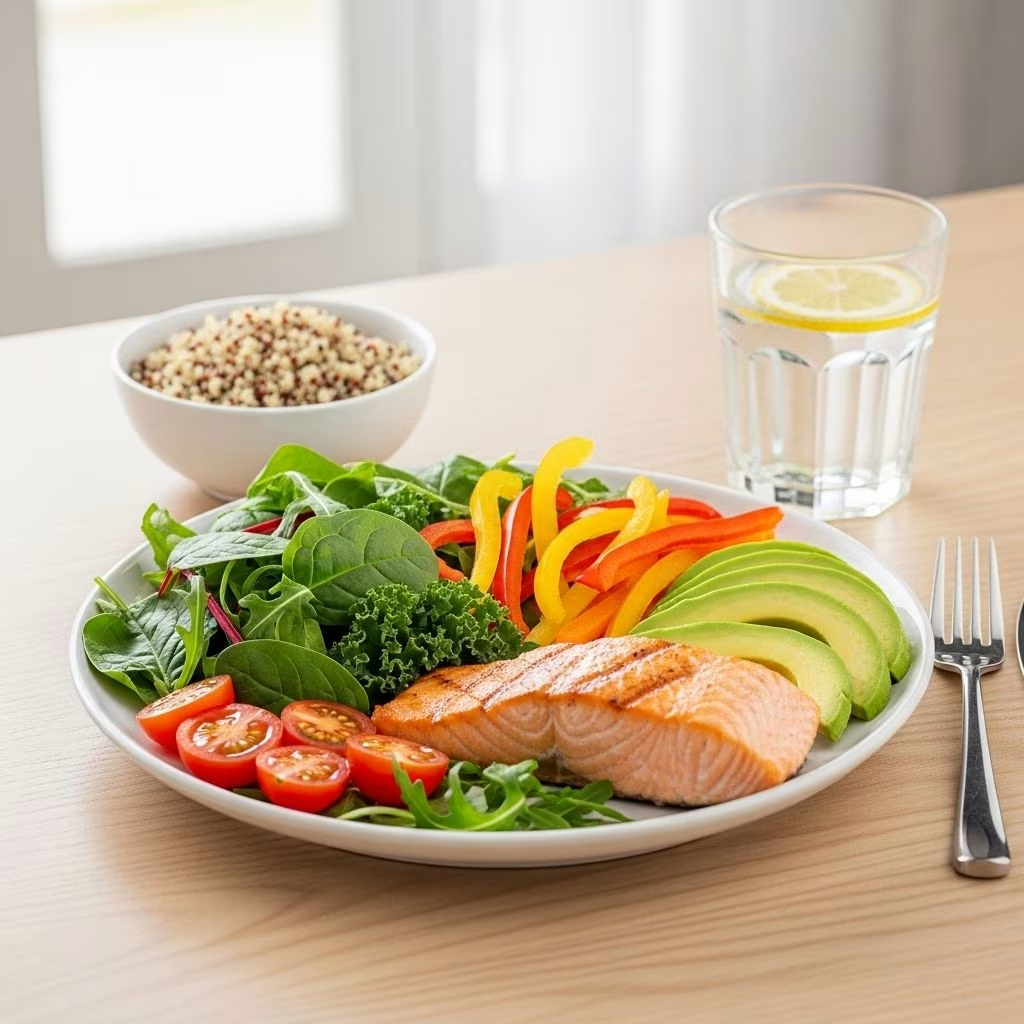
The South Beach Diet is a popular structured eating plan that emphasizes lean protein, healthy fats, and low-glycemic carbohydrates to achieve weight loss while promoting overall health. Created by Dr. Arthur Agatston, a cardiologist, the diet is celebrated for its phased approach and sustainable lifestyle changes, making it a lasting solution for many seeking better health and a trimmer waistline.
Overview: What Is the South Beach Diet?
The South Beach Diet is a lower-carbohydrate plan that prioritizes lean meats, non-starchy vegetables, unsaturated fats, and low-glycemic-index carbs to help regulate blood sugar, slash cravings, and burn fat. It was developed to help prevent heart disease, but it quickly gained traction as an effective weight-loss regimen because it doesn’t require calorie counting and emphasizes the quality of carbohydrates and fats consumed.
- Focuses on lean proteins (chicken, turkey, fish, eggs, certain dairy products)
- Encourages healthy fats (avocado, nuts, olive oil)
- Limits simple and refined carbs while allowing complex carbs (whole grains, legumes, select fruits and vegetables) in later phases
- Structured in three phases designed for rapid results and long-term maintenance
How Does the South Beach Diet Work?
The South Beach Diet organizes eating into three distinct phases, each with different objectives and restrictions. The goal is to jump-start weight loss, reduce cravings, and teach lifelong healthy habits.
| Phase | Duration | Main Focus | Foods Allowed |
|---|---|---|---|
| Phase 1 | 2 weeks | Rapid weight loss, curb cravings, stabilize blood sugar | Lean protein, non-starchy vegetables, healthy fats, some legumes, low-fat dairy |
| Phase 2 | Until goal weight | Steady weight loss, expand food variety | Phase 1 foods plus whole grains, select fruits, starchy vegetables, limited alcohol |
| Phase 3 | Maintenance | Lifelong healthy eating & weight maintenance | All foods in moderation, focus on complex carbs and healthy fats |
Phase 1: Kickstart Weight Loss
Phase 1 is the most restrictive, lasting 14 days. The goal is rapid weight loss, decreased blood sugar, reduced cravings, and a new hunger baseline. Many people lose 8–13 pounds (3.5–6 kg) in this phase.
- No fruit, grains, starchy vegetables, sweets, or alcohol
- Eat three meals and two snacks per day
- Each meal includes lean protein and non-starchy vegetables
- Healthy fats (e.g., olive oil, avocado) are emphasized
- Allowed legumes and low-fat dairy
Allowed Phase 1 Foods:
- Lean meats: skinless chicken, turkey breast, lean pork, beef, veal, lamb, game meats
- Fish and seafood: salmon, tuna, shellfish
- Eggs and soy-based alternatives
- Low-fat cheese, cottage cheese, plain Greek yogurt, low-fat milk
- Non-starchy veggies: leafy greens, broccoli, bell peppers, tomatoes, cucumbers
- Legumes: beans, lentils, hummus
- Healthy oils: olive, avocado, macadamia, peanut oil
- Nuts and seeds in moderation
- Sugar-free drinks, coffee, tea, plant-based milks
Foods to Avoid in Phase 1:
- Bread, rice, pasta, baked goods
- Potatoes, corn, carrots, beets, peas
- Fruit and fruit juice
- Sugar, honey, molasses, syrup
- Alcoholic beverages
Sample Phase 1 Meal Plan
- Breakfast: 2-egg omelet, turkey or chicken sausage, spinach or other greens
- Snack: ¼ cup hummus with cucumber sticks
- Lunch: Tuna salad with onion, celery, tomato, lettuce; low-fat mayo; sugar-free gelatin
- Snack: Cherry tomatoes and cottage cheese
- Dinner: Chicken breast with tomatoes and mozzarella cheese
Phase 2: Achieving Your Weight Loss Goals
Phase 2 begins on day 15 and lasts until you reach your target weight. Foods forbidden in Phase 1 such as whole grains, fruits, and some starches are gradually reintroduced, helping participants enjoy a more flexible menu while maintaining steady weight loss (typically 1–2 pounds per week).
- All foods from Phase 1 plus moderate amounts of fruit and “good carbs”
- Add whole grains: brown rice, quinoa, whole-wheat bread or pasta
- Starchy vegetables allowed: sweet potatoes, peas, carrots, beets
- Small servings of alcohol (such as dry wine) may be allowed
Sample Phase 2 Meal Plan
- Breakfast: Vegetable egg muffin with a slice of whole-grain toast
- Snack: Low-fat Greek yogurt with strawberries
- Lunch: Grilled chicken breast, mixed salad with chickpeas, light vinaigrette
- Snack: Apple slices with almond butter
- Dinner: Salmon with asparagus, quinoa pilaf
Phase 3: Lifelong Maintenance
In Phase 3, you’ve achieved your goal weight and maintain your results for life. No foods are completely off-limits, but emphasis remains on portion control and healthy choices. If weight is regained, dieters are encouraged to return to Phase 1 briefly.
- Continue emphasizing lean proteins, healthy fats, complex carbs
- All food groups are included
- Focus on moderation; treats and indulgences can be worked in
- Recommend managing portion sizes and monitoring triggers for overeating
Sample Phase 3 Meal Plan
- Breakfast: Half cup cereal, vegetable quiche, orange, coffee with low-fat milk
- Lunch: Lean roast beef sandwich on whole-grain bread, veggie salad with light dressing
- Dinner: Grilled salmon with asparagus, salsa, salad
- Dessert: Berries and peaches with vanilla yogurt
What Foods Are Allowed and Which Are Restricted?
Emphasized Foods
- Lean meats and seafood
- Eggs and low-fat dairy
- Nuts, seeds, and healthy oils
- Non-starchy vegetables
- Legumes
- Moderate fruits and whole grains (in later phases)
Foods to Limit or Avoid
- Sugary snacks, baked goods, candy, and added sugars
- White bread, white rice, regular pasta, and other refined carbs
- Full-fat dairy (in large amounts), butter, and fatty cuts of red meat
- Processed foods high in saturated and trans fats
- Alcohol (especially early on)
Exercise: An Essential Component
The South Beach Diet strongly encourages regular physical activity as part of a healthy lifestyle. Activities such as walking, biking, strength training, or yoga are recommended for at least 30 minutes most days of the week. Exercise helps with weight loss, weight maintenance, and general well-being.
South Beach Diet vs. Traditional Low-Carb Diets
While the South Beach Diet shares similarities with other low-carb diets (like Atkins), it is less restrictive, especially in later phases, and is more focused on the quality of fats and carbohydrates consumed rather than strict carbohydrate counting.
| South Beach Diet | Traditional Low-Carb Diet (e.g. Atkins) |
|---|---|
| Emphasizes healthy fats, lean protein, and whole carbs | Emphasizes eliminating most carbs, high fat intake |
| Phased approach with increasing flexibility | May remain very low in carbs indefinitely |
| Encourages complex carbs in phases 2 and 3 | Strict limitation of all carbs |
Health Benefits and Potential Downsides
Potential Benefits
- Rapid initial weight loss due to carb restriction
- Reduced cravings and hunger by balancing blood sugar
- Improved heart|
References
- https://betterme.world/articles/south-beach-diet-meals/
- https://www.mayoclinic.org/healthy-lifestyle/weight-loss/in-depth/south-beach-diet/art-20048491
- https://www.healthline.com/nutrition/south-beach-diet
- https://palm.southbeachdiet.com/frequently-asked-questions-counselors/
- https://www.prevention.com/weight-loss/diets/a20453662/south-beach-diet-faqs/
- https://www.webmd.com/diet/south-beach-diet-what-it-is
- https://resources.healthgrades.com/right-care/food-nutrition-and-diet/south-beach-diet
- https://www.medindia.net/health/diet-and-nutrition/south-diet-faq.htm


