


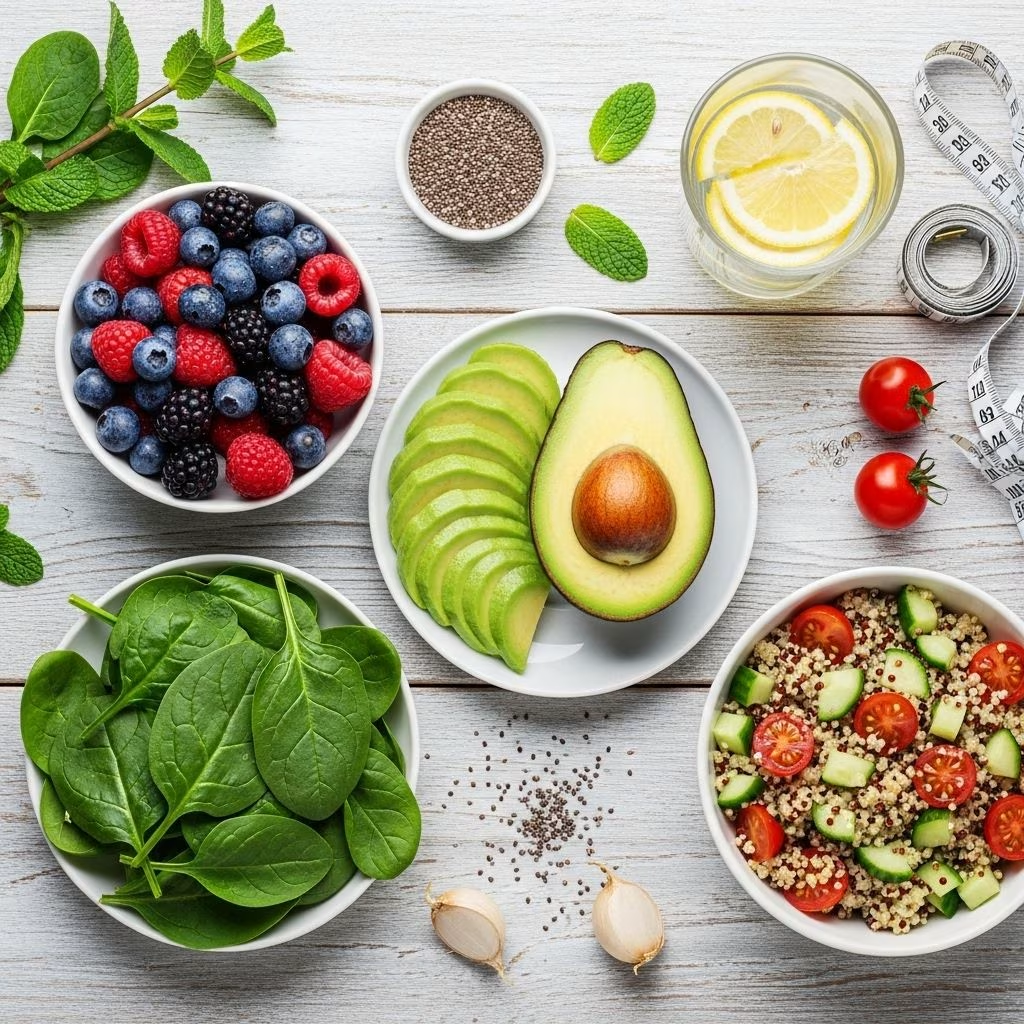
4 Power Foods That Whittle Your Middle
Excess abdominal fat isn’t just a cosmetic concern—it’s linked to higher risk of type 2 diabetes, heart disease, and metabolic syndrome. Nutrition research continues to reveal that some foods possess unique properties to help your body burn fat more efficiently, curb cravings, and protect your health. This guide spotlights four nutrient-rich foods and explains why each earns a crucial spot on your shopping list if a leaner waistline is your goal.
Why Belly Fat Matters
Belly fat, known as visceral fat, gathers deep inside the abdomen, surrounding internal organs. Compared to subcutaneous fat, which sits beneath the skin, visceral fat is metabolically active and can release hormones and inflammatory chemicals that upset blood sugar and cholesterol balance. This type of fat is strongly implicated in chronic diseases and is notoriously hard to lose through exercise alone.
- Risk factors associated with belly fat:
- Increased insulin resistance
- Higher triglyceride and LDL cholesterol levels
- Greater inflammation and oxidative stress
- Lifestyle factors contributing to belly fat:
- Ultra-processed food intake
- Low fiber consumption
- Sedentary behavior
- Chronic stress and poor sleep
What Makes a “Waist-Whittling” Food?
Some foods actively support fat burning and metabolic health thanks to their fiber, antioxidants, protein, and bioactive compounds. These ingredients help regulate appetite, lower insulin spikes, support gut health, and can even modulate hormones that drive body fat storage.
Key features of belly-fat fighting foods:
- High in fiber (to slow digestion and boost satiety)
- Rich in antioxidants (to reduce inflammation)
- Provide lean protein (to support muscle maintenance and regulate hunger hormones)
- Contain healthy fats or bioactive compounds that target belly fat metabolism
The 4 Foods Proven to Help Shrink Belly Fat
1. Navy Beans
Navy beans, a small white legume, pack abundant soluble fiber and resistant starch—both linked to reduced belly fat and enhanced metabolic health. Soluble fiber slows the absorption of glucose, lowering insulin spikes that trigger fat storage, especially around the waistline. Resistant starch acts as a prebiotic, fueling beneficial gut bacteria that may influence fat metabolism and appetite regulation.
- 1/2 cup navy beans provides nearly 10 grams of fiber.
- Research links high-fiber legumes to decreased waist circumference and improved cholesterol levels.
- Resistant starch in beans ferments in the colon, supporting a healthy microbiome and reducing inflammation that promotes abdominal fat.
How to enjoy: Toss navy beans into salads, puree them into soups, or mash with garlic and olive oil for a quick spread.
2. Kefir
Kefir is a fermented dairy drink rich in protein and probiotics. Its unique mix of beneficial bacteria and yeasts can optimize digestion, reduce inflammation, and support a balanced gut—critical for controlling cravings and stabilizing blood sugar. The protein content also keeps you fuller longer, decreasing the likelihood of overeating.
- Contains up to 11 grams of protein per cup.
- Regular intake improves gut barrier integrity, benefiting metabolic and immune health.
- Fermentation produces bioactive peptides that may influence fat-burning hormones.
Tip: Mix kefir into smoothies, drizzle on fruit, or use in overnight oats for a tangy flavor boost.
3. Barley
This ancient grain is particularly high in beta-glucan, a soluble fiber renowned for lowering cholesterol and supporting healthy blood sugar. Studies reveal Barley’s fiber not only improves digestion but also helps regulate appetite hormones that affect belly fat accumulation.
- Beta-glucan slows carbohydrate absorption, blunting rapid spikes in insulin.
- Boosts levels of GLP-1 (a hormone that curbs hunger and increases fat burning).
- Barley is low on the glycemic index and keeps energy steady.
How to use: Simmer barley as a base for grain bowls, add to vegetable soups, or cook in place of rice for pilafs.
4. Avocado Oil
Though avocados are already well-known for their healthy fats, avocado oil deserves special mention for its monounsaturated fat profile. These fats have been shown to lower belly fat by reducing inflammation, keeping blood sugar stable, and supporting heart health. Unlike many seed oils, avocado oil withstands high heat, making it ideal for sautéing without compromising its nutritional value.
- High in oleic acid, which supports satiety and may promote more efficient fat metabolism.
- Regular use can lower LDL cholesterol and improve overall lipid profiles.
- Versatile for roasting, dressings, and grilling.
| Food | Key Benefit | Major Nutrient | Easy Prep Idea |
|---|---|---|---|
| Navy Beans | Reduces glucose spikes, supports gut health | Soluble fiber, resistant starch | Bean salad, soup, spread |
| Kefir | Balances gut, lowers inflammation | Probiotics, protein | Smoothies, parfait, oats |
| Barley | Regulates appetite, steady energy | Beta-glucan fiber | Grain bowl, soup, pilaf |
| Avocado Oil | Promotes fat burning, reduces inflammation | Monounsaturated fat | Sauté, salad dressing |
Why Minimally Processed Foods Matter
Recent research reinforces that the way foods are prepared or processed matters for both waistline and overall health. Minimally processed foods—beans, whole grains, fermented dairy, and natural oils—encourage weight loss primarily through fat rather than muscle, and foster feelings of satiety and fewer cravings. Ultra-processed foods, in contrast, often undermine metabolism and promote abdominal fat by interfering with appetite hormones and gut health.
- Minimally processed foods:
- Higher in protein and fiber
- Slow to digest
- Encourage mindful eating
- Ultra-processed foods:
- High in added sugars and unhealthy fats
- Contain artificial additives
- Disrupt natural hunger cues
Practical Tips for Belly Fat Reduction
- Shop the perimeter of grocery stores for fresh produce, dairy, and lean proteins.
- Batch cook meals and sides to ensure healthy options are ready for busy days.
- Choose products with simple, recognizable ingredients.
- Snack on whole foods like fruit, nuts, beans, and unsweetened yogurt.
- Aim for progress, not perfection—incremental changes add up to major health benefits.
- Pay close attention to foods that cause bloating or discomfort, and adjust choices accordingly.
Frequently Asked Questions (FAQs)
Q: Can I target belly fat just by eating these foods?
No single food can “spot reduce” belly fat. However, regularly including these options as part of a minimally processed, fiber-rich diet supports healthy weight loss, particularly from visceral fat stores.
Q: How much fiber should I aim for daily?
Women should aim for 25 grams of fiber a day; men for 38 grams. Spread fiber intake throughout your meals for best digestive and metabolic results.
Q: Is kefir a good choice if I’m lactose intolerant?
Many people with lactose intolerance tolerate kefir well because fermentation breaks down much of the lactose. Start with small servings to assess your tolerance.
Q: Can I use olive oil instead of avocado oil?
Both oils are rich in heart-healthy monounsaturated fats. Avocado oil’s higher smoke point makes it more versatile for high-temperature cooking, while olive oil shines in raw applications or low-heat dishes.
Q: What other foods help with belly fat?
Leafy greens, berries, nuts, whole grains like oats and quinoa, and oily fish (salmon, sardines) all support metabolic health and can be included for broader variety.
Sustaining Results: The Big Picture
Abdominal fat reduction is most sustainable when paired with overall lifestyle improvements—regular movement, restful sleep, stress management, and diverse nutrition. The four featured foods—navy beans, kefir, barley, and avocado oil—not only foster a slimmer waist but also deliver lasting protection against chronic disease. Gradual, consistent shifts in eating habits lead to more meaningful results than fad diets or quick fixes. Empower your journey with knowledge, practical strategies, and a pantry filled with whole, nutrient-packed options.
References
- https://www.prevention.com/health/a20453799/diet-lowers-alzheimers-risk/
- https://www.prevention.com/food-nutrition/healthy-eating/a65664887/ultra-processed-foods-weight-loss-gut-health-study/
- https://www.prevention.com/author/12369/holly-st-lifer/
- https://www.prevention.com
- https://www.prevention.com/food-nutrition/healthy-eating/a65788242/myths-recent-food-headlines/
- https://nam.edu/wp-content/uploads/2016/09/Chronic-Disease-Prevention-Tobacco-Physical-Activity-and-Nutrition-for-a-Healthy-Start.pdf
- https://www.myaccesshope.org/blog/reduce-your-cancer-risk-with-a-healthy-diet-and-lifestyle
- https://www.elsevier.es/es-revista-revista-portuguesa-saude-publica-323-articulo-commentary-reducing-inequalities-in-child-S0870902512000351


