


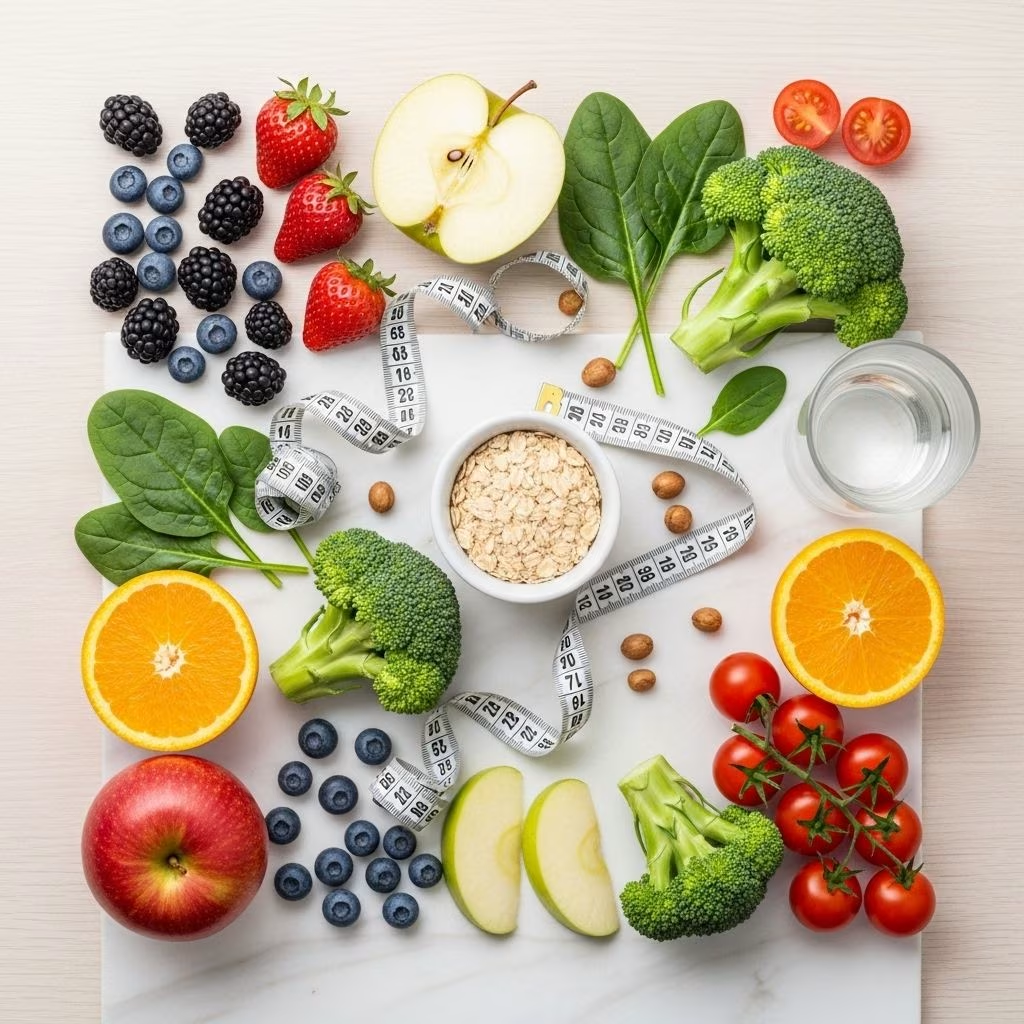
Lose Weight at Home: Simple Diet Tweaks That Really Work
Losing weight doesn’t require expensive gym memberships or extreme routines; you can make meaningful progress right from home with thoughtful dietary choices and everyday habits. Whether your goal is to shed a few pounds, improve your health, or simply feel more energized, this guide covers research-backed strategies that put you in control—no matter where you are. Learn how subtle shifts in portion sizes, meal patterns, and food selection can yield lasting results, reinforced by expert insights and practical action plans.
1. Mastering Portion Sizes for Calorie Control
One of the most significant changes you can make at home is being mindful of portion sizes. Many people unintentionally overeat due to oversized dinnerware or lack of awareness about true serving sizes. Here’s what you can do:
- Use smaller plates and bowls: This visual trick helps reduce calorie intake and makes your brain think you’re eating more than you are.
- Guide portions with your hands: A clenched fist equals a dense carbohydrate serving (~1 cup); your palm is about a serving of lean protein (~4 oz); add two tablespoons of healthy fat, and fill the rest of your plate with vegetables.
- Split restaurant servings: At restaurants, consider ordering an appetizer with a salad, splitting entrees with others, or boxing half the meal before you start eating.
Intentional eating, as opposed to mindless snacking or oversized meals, is a foundation of sustainable weight management. Having a plan—even if it’s just deciding what you’ll eat before a meal—dramatically increases your chance of success.
2. Why You Shouldn’t Skip Meals
Skipping meals might seem like a shortcut to fewer calories, but it often backfires. Going too long without eating can trigger excessive hunger, making it more likely you’ll overeat later in the day or choose high-calorie snacks to quickly satisfy your appetite. Nutritionists recommend:
- Stick to three balanced meals daily: This pattern stabilizes your blood sugar and controls appetite.
- Don’t ignore hunger cues: Listen to your body for genuine signals of hunger and fullness.
- Prepare snacks in advance: Have healthy options (fruit, nuts, yogurt) ready to prevent impulsive, less nutritious choices.
Balance and consistency keep your metabolism humming and help you naturally eat fewer calories over time.
3. The Power of Fiber in Weight Loss
Fiber is your secret weapon for appetite and weight control. It helps you feel full longer and supports digestive health. Here’s how to boost your fiber intake:
- Load up on whole grains, beans, legumes, fruits, and vegetables.
- Aim for at least 25 grams of fiber daily.
- Gradually increase fiber intake and pair it with plenty of water to avoid digestive discomfort.
Fiber not only expands in your gut, acting as a natural appetite suppressant, but it also has positive impacts on gut bacteria, which help regulate hunger hormones so your brain knows when you’ve had enough.
4. Why Protein Keeps You Satisfied Longer
Like fiber, protein promotes satiety, which means you’ll feel satisfied after meals and stay full for longer. The key benefits of protein for weight loss include:
- Slows digestion: Less tendency to snack between meals.
- Increases thermic effect: The body uses more energy (calories) to digest protein than carbohydrates or fat.
- Supports muscle: More muscle means a higher metabolism, even at rest.
Target 20 grams of protein per meal from lean sources such as chicken, fish, turkey, eggs, beans, or low-fat dairy.
5. The Truth About Healthy Fats
Contrary to diet myths, healthy fats are essential for weight management.
- Healthy fats help you stay full and satisfied, reducing the urge to snack excessively.
- They stabilize blood sugar, helping to avoid energy crashes.
- Recommended sources: Olive oil, avocado, nuts, seeds, oily fish (like salmon).
- The Dietary Guidelines recommend fats comprise 20–35% of your daily caloric intake.
When you intentionally incorporate healthy fats, you’ll gain steady energy and improved satiety without overeating.
6. Don’t Fear Carbohydrates—Balance Them
Low- and no-carb fads can make carbs seem like the enemy, but complex carbohydrates are an important part of a healthy, satiating diet. The key lies in balance:
- Pair carbs with protein and healthy fat for slower digestion and stable energy.
- Focus on whole grains (quinoa, brown rice), starchy vegetables, and fruit.
- The Dietary Guidelines recommend carbohydrates account for 45–65% of daily calories, with a focus on quality over quantity.
Balanced meals are more enjoyable and sustainable over the long term, reducing cravings and the risk of overeating.
7. Eat Foods that Naturally Boost Fat Burning
| Food | Fat-Burning Benefit |
|---|---|
| Quinoa & Brown Rice | High in fiber and protein; supports satiety and metabolic health. |
| Lean Proteins | Increase muscle mass and thermic effect; reduce cravings. |
| Ginger | May reduce inflammation and aid digestion, linked to weight control. |
| Turmeric | Contains anti-inflammatory curcumin, associated with metabolic benefits. |
Including these whole foods not only supports a healthy metabolism but also keeps meals varied and interesting. Salmon, turkey, and lean cuts of beef are excellent choices for their protein and healthy fat profiles. Spices like ginger and turmeric may also promote healthy weight by improving digestion and reducing inflammation.
8. Let Vegetables Take Center Stage
Loading your plate with vegetables instead of relying solely on meat or starch is a proven, practical weight-control move. Vegetables are low in calories but high in fiber, vitamins, and minerals, making them the ideal base for any meal. Here’s how to shift your plate:
- Make veggies the main event—fill at least half your plate with them at each meal.
- Use colorful produce to add visual appeal and more nutrients.
- Pair with small portions of animal protein and healthy grains.
This approach increases meal size without increasing calories, making you feel satisfied while eating fewer calories overall.
9. Be Honest About Your Calorie Budget
Understanding your daily calorie needs—and tracking your intake—is essential for weight loss. Everyone has a unique “calorie budget” depending on age, gender, and activity level. To make the most of it:
- Calculate your calorie requirement: Use guidelines based on age, gender, weight, and activity.
- Plan meals to stay within your budget: This makes meal planning easier and reduces frustration around slow progress.
- Track your intake using an app or food journal for greater awareness and accountability.
Being aware of your calorie budget helps you make intentional choices, eat mindfully, and lose weight without deprivation or confusion.
10. Map Out a Holistic Health and Wellness Plan
Weight loss isn’t just about what you eat. A sustainable plan should consider overall well-being, including sleep, stress, activity, and emotional health. To build a manageable and effective plan:
- List health areas beyond nutrition—think movement, sleep, stress, social support, medical factors.
- Set specific, actionable goals for each area (example: “Sleep 7 hours per night” or “Walk 10 minutes after lunch”).
- View your health as a collection of traits, not a single habit.
This all-encompassing approach improves not only your weight but also your mood, energy, and motivation to maintain healthy changes.
11. Use the 90 Percent Rule for Consistency
No weight loss plan is perfect. The key is consistency—not perfection. The 90% rule means following your eating plan at least 90 percent of the time. To stay consistent:
- Plan meals and snacks in advance, and mark them on a calendar.
- If you slip, simply get back on track at the next meal without guilt.
- At the end of each week, review how many planned meals you followed and aim for a 90% success rate.
Flexibility plus consistency helps you build better habits and maintain progress even when life gets busy.
12. Additional Quick Tips for Losing Weight at Home
- Hydrate: Drinking water before meals can help control hunger and prevent overeating.
- Be mindful of liquid calories: Sugary drinks and alcohol can add up.
- Prioritize sleep: Inadequate rest can disrupt hormones that regulate appetite.
- Reduce stress: Chronic stress can lead to emotional eating and weight gain.
Frequently Asked Questions
Q: Can I really lose weight just by changing my diet at home?
A: Yes, dietary changes combined with an overall healthy lifestyle are the most effective and sustainable ways to lose weight, especially for people who cannot or do not want to exercise as their primary strategy.
Q: How important are portions versus what food I eat?
A: Both are important, but paying attention to portion sizes has a direct impact on calorie control. Choosing the right foods (like whole grains, lean proteins, and vegetables) makes it much easier to feel satisfied with less.
Q: What if I get hungry between meals?
A: Choose filling snacks that contain protein and fiber, such as Greek yogurt with berries, a small handful of nuts, or veggie sticks with hummus.
Q: Are there any foods I need to avoid completely?
A: No foods are strictly off-limits, but it’s best to limit highly processed items, sugary drinks, and treats with added sugar or unhealthy fats. Focus on balance and moderation rather than strict rules.
Q: How do I know if I’m making progress?
A: Track your habits, energy, and how your clothes fit—not just the scale. Celebrate non-scale victories like having more energy or preparing more nutritious meals at home.
Related Reading
- Is the Pink Salt Trick for Weight Loss Effective?
- 19 Best Ways to Lose Belly Fat for Good
- 100 Easy Ways To Cut 100 Calories
- The 22 Best Foods for Weight Loss
- 25 Ways to Lose 10 Pounds Fast
References
- https://www.prevention.com/weight-loss/a30188568/lose-weight-without-exercise-0/
- https://www.prevention.com/weight-loss/g24805401/fat-burning-foods/
- https://www.prevention.com/weight-loss/diets/g20440614/25-best-weight-loss-tips-ever/
- https://www.prevention.com/weight-loss/
- https://www.prevention.com/weight-loss/diets/
- https://www.prevention.com/weight-loss/a20465042/lose-weight-over-40/
- https://www.prevention.com/weight-loss/g20482528/this-is-your-perfect-day-for-weight-loss/
- https://www.prevention.com/weight-loss/g20494462/eating-habits-for-weight-loss/
- https://www.prevention.com/weight-loss/a20475840/dieting-truths/
- https://www.prevention.com


