


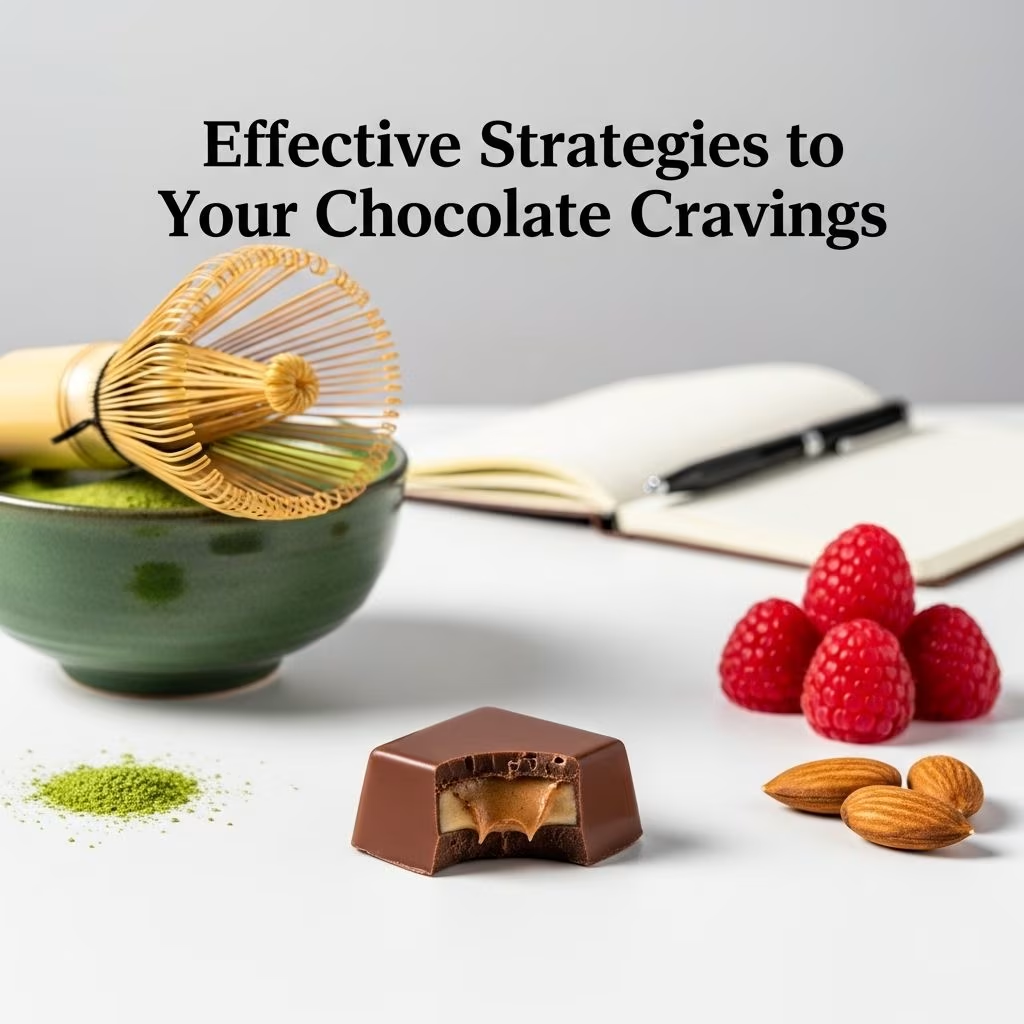
Conquer Your Chocolate Cravings
For many, the daily urge to indulge in chocolate can be a significant stumbling block when striving for better health or weight loss goals. Science shows that cravings, especially for chocolate, are complex — rooted in both biology and psychology. But, with smart strategies, it is possible to manage or even overcome these powerful desires. Whether you want to minimize your consumption or simply enjoy your favorite treat in a healthier way, this guide explores evidence-based options, surprising benefits of chocolate, and inspiring stories of transformation.
Understanding Chocolate Cravings: Myths and Facts
It’s a common belief that food cravings indicate your body is lacking certain nutrients, such as magnesium in the case of chocolate. However, nutrition experts challenge this claim, pointing out that there’s very little scientific evidence to support the idea that nutrient shortfalls are the root cause of cravings.
- Cravings typically target foods high in fat, sugar, and carbohydrates — rarely nutritious foods like leafy greens or nuts, which would better address deficiencies.
- For example, while some claim a chocolate craving signals low magnesium, pumpkin seeds actually contain more magnesium per ounce, yet they are seldom the focus of such intense desire.
- Studies show that even when people consume nutritionally complete diets, cravings can persist, suggesting they are often driven by psychological or habitual factors rather than physiological need.
The bottom line? Cravings are more about comfort and reward than about remedying a nutritional deficit.
The Science Behind Chocolate Cravings
Delving deeper, research shows that the brain’s reward pathways play a crucial role in chocolate cravings. Foods high in sugar and fat stimulate dopamine release, creating a pleasurable sensation that encourages repeat behavior. Chocolate, with its combination of sugar, fat, and unique natural chemicals (like theobromine and phenylethylamine), is especially potent in this regard.
- Habitual triggers: Many people report wanting chocolate at the same time each day, often in the afternoon or evening. These times can be linked to dips in blood sugar, energy, or mood.
- Emotional eating: Chocolate is a go-to comfort food when stress, anxiety, or sadness arise.
What Happens If You Walk Instead of Eating Chocolate?
When a chocolate craving hits, you’re often at a crossroads: give in, or distract yourself. Fascinating new research suggests that you don’t have to white-knuckle your way through. Instead, a simple 15-minute brisk walk can substantially reduce immediate cravings.
- Research findings: Adults who took a short, brisk walk reported diminished cravings for chocolate compared to those that remained sedentary.
- Physical benefits: Not only do you curb your craving, you also burn calories—a double win for weight management.
- Psychological effect: Movement may divert attention and help regulate dopamine, making it easier to resist temptation.
This practical approach is easy to implement: next time your 3pm chocolate craving strikes, try going for a brisk walk around the block or up and down the stairs at work.
The Case for Mindful Indulgence: When Giving In Might Be Good
If you choose to indulge, you don’t need to feel guilty—especially if you reach for dark chocolate. In fact, moderate consumption of high-quality dark chocolate can offer several health benefits:
- Daily intake of about 75 grams (just over 2.5 ounces) of flavanol-rich dark chocolate can:
- Potentially reduce risk of death from stroke by 8%.
- Lower risk of cardiovascular disease by 5%.
- Decrease overall risk of death by 4%.
- Blood pressure: Flavanols in dark chocolate may help lower blood pressure and improve blood flow.
However, keep in mind that chocolate is calorie-dense, with 75 grams adding nearly 379 calories to your daily total, which can counteract weight loss if not balanced with other dietary choices.
Comparing the Choices: Walk vs. Chocolate
| Strategy | Benefits | Potential Downsides |
|---|---|---|
| Take a 15-min brisk walk |
|
|
| Eat dark chocolate (up to 75g) |
|
|
Breaking the Cycle: Long-Term Strategies to Beat Chocolate Addiction
Some people find that chocolate cravings are so powerful that they feel almost like an addiction. While true food addiction is rare, certain habits can be so deeply ingrained that they require proactive steps to change. Consider these strategies, inspired by successful case studies:
- Remove obvious sugar bombs: Start by cutting out items like candy bars, cakes, and cookies. Focus on reducing the most concentrated sources of sugar in your diet.
- Watch for hidden sugars: Sugar lurks in surprising places such as processed breakfast foods, sauces, and even meats. Reading ingredient labels helps you avoid accidental consumption.
- Retrain your taste buds: Over time without added sugar, your palate will adjust. Fruit will taste sweeter, making it easier to choose naturally sweet foods over chocolate.
- Replace habits: Experiment with adding unsweetened cocoa powder to protein shakes or finding lower-calorie chocolate treats. Gradually, your desire for traditional chocolate may wane.
A striking example is Robin Molnar, who, after completing a 32-day sugar reduction program, found she no longer needed daily chocolate and now craves fruit instead of candy. As her story illustrates, consistent effort and mindful choices lead to sustainable change.
Smart Swaps: How to Outsmart Sugar and Chocolate Cravings
Defeating cravings isn’t only about willpower. Proactive dietary and lifestyle tweaks can make a world of difference:
- Balance meals: Include lean protein, healthy fats, and fiber-rich carbs with every meal to regulate blood sugar and prevent energy crashes.
- Preempt cravings: If you know your craving peaks at a predictable time (like 3 p.m.), plan ahead with a satisfying, protein-rich snack—such as hard-boiled eggs, Greek yogurt, or cottage cheese with berries.
- Pinpoint your favorite healthy recipes: Keep a few go-to breakfasts, lunches, and dinners on hand. This helps you stay on track even when life gets busy.
- Be adventurous in the kitchen: Try new produce or experiment with naturally sweetened recipes. Focusing on new discoveries keeps food exciting rather than restrictive.
These approaches prevent deprivation, helping you build positive habits around food rather than relying on willpower alone.
When to Worry: Are Cravings Telling You Something?
It’s tempting to believe that cravings for chocolate or sugar reveal underlying health problems, such as nutrient deficiencies. However, as evidence shows, this is rarely the case. Most cravings are best understood as signals of habitual behavior, emotional need, or simply learned enjoyment, not as a diagnostic tool. Nevertheless, if you experience sudden, intense, or persistent new cravings, consult a healthcare professional to rule out medical issues.
The Surprising Upsides of Chocolate – In Moderation
Not all chocolate is created equal. Dark chocolate, in moderation, provides cardiovascular benefits and can be part of a healthy diet. The key is to:
- Choose chocolate that is at least 70% cocoa content or higher to maximize flavanol content and health perks.
- Limit portions to account for calorie intake (a square or two per day is usually sufficient).
- Eat mindfully, savoring each bite, instead of mindlessly snacking while multitasking.
Managed carefully, chocolate can be both a pleasure and an asset to your eating plan.
Frequently Asked Questions (FAQs)
Q: Will walking really help stop my chocolate cravings, or is it just a distraction?
A: Research confirms that even a short brisk walk can physiologically reduce cravings—not just distract you. Walking boosts mood and energy while blunting the urge for sweets.
Q: Is it better to avoid chocolate completely if I want to lose weight?
A: Not necessarily. For many, allowing occasional, mindful indulgence in high-quality dark chocolate helps prevent feelings of deprivation, which can backfire. The key is moderation and awareness of your overall daily calorie balance.
Q: Does craving chocolate mean I have a magnesium deficiency?
A: No strong evidence supports the idea that chocolate cravings indicate a magnesium deficiency. Most cravings are about the reward properties of chocolate, not your nutrient status.
Q: How long does it typically take for chocolate or sugar cravings to subside when I cut back?
A: It varies, but many people report noticeable changes within a few weeks as taste buds and habits adjust. Swapping chocolate for sweet fruit can make the process easier and more enjoyable.
Q: Are there healthier alternatives if I can’t give up chocolate completely?
A: Yes! Try dark chocolate, unsweetened cocoa in yogurt or smoothies, or fruit dipped in a small amount of melted chocolate for a satisfying treat with less sugar.
Key Takeaways
- Chocolate cravings are normal, but they are driven more by habit and brain chemistry than by actual nutritional need.
- Short bouts of physical activity, especially walking, can sharply reduce cravings and promote weight loss.
- Mindful indulgence with dark chocolate can deliver health benefits without derailing your goals, provided you watch portion sizes.
- Long-term change is possible with conscious dietary swaps, emotional self-awareness, and building new rewarding habits.
Further Reading
- “Which Is Healthier: Dark Chocolate vs. Milk Chocolate?”
- “Lose 10% More Weight by Eating a Chocolate Bar Every Day”
- “How to Stop Sugar Cravings, According to Experts”
- “How One Woman Cured Her Chocolate Addiction”
References
- https://www.prevention.com/weight-loss/a20458525/conquer-your-chocolate-craving/
- https://www.prevention.com/weight-loss/a20454973/chocolate-for-weight-loss/
- https://www.prevention.com/food-nutrition/healthy-eating/a20457134/food-cravings-and-illness-0/
- https://www.prevention.com/food-nutrition/a64590822/how-to-stop-sugar-cravings-fast/
- https://www.prevention.com/weight-loss/diets/a20453988/sugar-smart-diet-success-story-robin-molnar/
- https://www.prevention.com/weight-loss/a20429458/dark-chocolate-and-weight-loss/
- https://www.prevention.com/weight-loss/a20428008/chocolate/
- https://www.prevention.com/health/g20432227/food-cravings-and-illness/
- https://www.prevention.com/weight-loss/a20439714/how-to-stop-sugar-cravings/
- https://www.prevention.com/weight-loss/a20452009/mind-tricks-that-control-cravings/


