


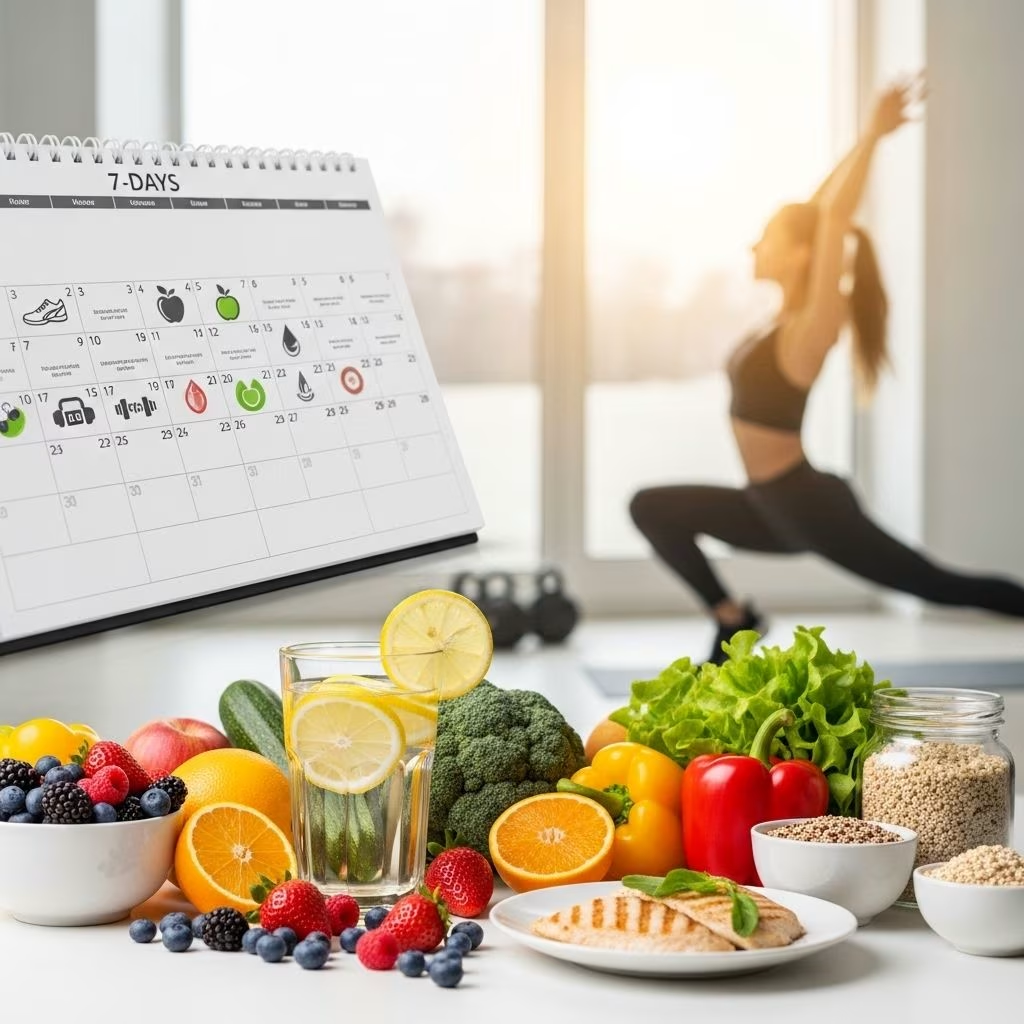
Your Ultimate 7-Day Weight Loss Plan for Lasting Results
Are you ready to make real, sustainable changes to your health? This 7-day weight loss plan is designed to help you lose weight in a healthy way that supports long-term success. With practical daily strategies, nutritious meal ideas, and expert-backed guidance, this plan addresses every essential aspect of weight management—without resorting to extreme restrictions or fad diets. Whether you’re just starting out or looking to reboot your routine, use this structured guide to jumpstart your journey to better health.
How This Plan Works
This weight loss plan draws from proven scientific principles and advice from registered dietitians. The central strategies are:
- Creating a calorie deficit primarily through mindful portion control and food selection.
- Prioritizing nutrient-dense foods—think lean proteins, whole grains, fruits, vegetables, and healthy fats.
- Building habits for long-term success, like regular meal timing and self-monitoring.
- Allowing flexibility to make this a realistic, sustainable lifestyle change rather than a quick fix.
Note: Before starting any new diet or weight loss plan, it’s smart to check in with your healthcare provider, especially if you have any underlying health conditions.
Key Strategies for Effective Weight Loss
1. Focus on Consistent Caloric Deficit
The cornerstone of weight loss is consuming fewer calories than you burn. Aim to reduce your daily intake by 500–750 calories per day, which typically leads to a safe loss of about 1–1.5 pounds per week. Use meal planning, portion control, and low-calorie swaps to help achieve this consistently.
2. Emphasize Whole, Minimally Processed Foods
- Choose foods high in fiber and protein to boost satiety, such as beans, lentils, eggs, poultry, fish, tofu, fruits, and vegetables.
- Favor whole grains like brown rice, quinoa, oats, or barley instead of refined carbs.
- Opt for healthy fats (avocado, nuts, olive oil) in moderation to enhance flavor and satisfaction.
3. Time Your Meals Wisely
Eat at regular intervals and avoid late-night snacking. Research suggests consuming higher-calorie meals earlier in the day and fasting overnight can be beneficial for weight regulation. Practicing time-restricted eating (such as 8- or 10-hour eating windows) may also help with appetite control.
4. Avoid Extreme Restrictions
- Highly restrictive diets or eliminating entire food groups can lead to nutrient deficiencies, burnout, and rebound weight gain.
- Allow room for the foods you love—a square of dark chocolate, a homemade treat, or your favorite pasta in moderation. This makes sticking to your healthy eating pattern much more manageable.
5. Practice Mindful Eating
- Slow down, remove distractions, and truly taste your food.
- Use smaller plates and bowls to help prevent overeating.
- Write down or track what you eat to become more aware of habits and patterns.
The 7-Day Weight Loss Plan
Use this plan as a template, adapting meals and snacks to fit your preferences, schedule, and nutrition needs. Drink plenty of water and, where possible, prepare food at home to control ingredients.
| Day | Breakfast | Lunch | Dinner | Snacks |
|---|---|---|---|---|
| 1 | Oatmeal with berries and chia seeds | Grilled chicken salad with mixed greens, chickpeas, and vinaigrette | Baked salmon, quinoa, steamed broccoli | Apple slices with nut butter, low-fat Greek yogurt |
| 2 | Scrambled eggs, spinach, whole-grain toast | Lentil soup, side of sliced cucumber and tomato | Stir-fried tofu with veggies, brown rice | Carrot sticks, cottage cheese |
| 3 | Plain Greek yogurt with walnuts and honey | Turkey and avocado wrap in whole-wheat tortilla, leafy greens | Grilled shrimp, roasted sweet potato, green beans | Fresh fruit, sunflower seeds |
| 4 | Low-fat cottage cheese, sliced peaches | Quinoa bowl with black beans, corn, grilled veggies | Chicken stir-fry, broccoli, brown rice | Bell pepper strips, rice cake with hummus |
| 5 | Protein smoothie (banana, spinach, protein powder, almond milk) | Tuna salad over mixed greens, olive oil-lemon dressing | Beef and vegetable kebabs, side of wild rice | Celery sticks with peanut butter, handful of almonds |
| 6 | Egg-white omelet with mushrooms, tomatoes, feta | Chickpea and spinach stew, whole grain crackers | Baked cod, roasted Brussels sprouts, barley | Plain yogurt, berries, pumpkin seeds |
| 7 | High-fiber cereal, low-fat milk, sliced banana | Grilled chicken breast, roasted carrots and zucchini | Vegetarian chili, brown rice | Kiwifruit, light string cheese |
Note: Portions should align with your individual calorie goals. Add or subtract snacks as needed.
Weight Loss Diet Types Explained
Understanding the pros and cons of various diet types can help you adopt the habits that best suit your health and lifestyle.
| Diet Type | Main Features | Potential Benefits | Considerations |
|---|---|---|---|
| Low-Calorie Diet (LCD) | 1000–1500 kcal/day; moderate restriction | Effective for steady weight loss; easier adherence | Requires balanced nutrition to avoid deficiencies |
| Very-Low-Calorie Diet (VLCD) | 600–900 kcal/day; usually medically supervised | Rapid weight loss for severe obesity | Short-term only; medical oversight essential |
| Low-Fat Diet | Fat <20% calories; plant-based focus | May improve heart health, support weight loss | Require good fat sources for optimal health |
| Low-Carbohydrate Diet | Carbs <45% calories | Quick initial weight loss | Long-term maintenance similar to low-fat diets |
| Ketogenic Diet | Carbs <10% calories; high fat | May reduce appetite, initial fat loss | Long-term safety not well-known |
| High-Protein Diet | Protein ~30% calories | Promotes satiety, preserves lean mass | May not be suitable for everyone (CKD risk) |
| Mediterranean Diet | Lots of produce, fish, olive oil, minimal red meat | Improves heart health, supports cognitive function | Flexible, family-friendly |
| Intermittent Fasting | Set periods of fasting, e.g., 16:8 or 5:2 | Helps control calorie intake, may boost fat loss | Not for everyone; monitor for hypoglycemia if on certain medications |
Top Habits for Long-Term Weight Maintenance
Losing weight is one thing, but keeping it off for good requires lasting habits and lifestyle changes. Here are critical practices endorsed by nutrition experts:
- Keep tracking: Record your food intake, even after reaching your goal, to maintain awareness and catch slip-ups early.
- Prioritize mental well-being: Stress management and a healthy mindset are as vital as diet and exercise. Recognize setbacks as temporary—not as failure.
- Enjoy treats—without guilt: The occasional dessert, glass of wine, or snack is not a dealbreaker. Inflexibility can undermine motivation and cause rebound eating.
- Embrace a balanced plate: Fill half your plate with vegetables, a quarter with lean protein, and a quarter with whole grains at most meals.
- Establish ongoing support: Seek social or professional backing, such as an accountability partner or working with a registered dietitian.
- Create a long-term eating plan: Focus on eating for health and satisfaction, now and for the future. Don’t aim for perfection—consistency is key.
- Move your body, even without formal exercise. Activities like walking, dancing, gardening, or playing with kids all contribute to daily energy burn.
- Hydrate generously: Water before and during meals can help curb appetite and support metabolism.
Common Weight Loss Pitfalls and How to Avoid Them
- Fad or “detox” diets: These often promise fast results but are nutritionally inadequate and unsustainable.
- All-or-nothing thinking: Expect slip-ups. One “off” meal doesn’t undo your progress—jump back into your routine at the next meal.
- Skipping meals: This can backfire by slowing metabolism or prompting overeating later.
- Relying solely on willpower: Design your environment for success—keep nutritious staples on hand and high-calorie temptations out of sight.
- Neglecting self-care: Sleep, stress reduction, and emotional support matter for healthy weight loss and maintenance.
Frequently Asked Questions (FAQs)
Q: Can I really lose weight without exercising?
A: Yes, weight loss is primarily governed by maintaining a calorie deficit. Exercise can help—but it’s not essential for reducing body weight. What you eat matters most.
Q: What’s the best diet for weight loss?
A: There is no one-size-fits-all diet. The best approach is one you can sustain long-term, with balanced nutrition, flexibility, and an emphasis on whole foods.
Q: Should I avoid all “bad” foods?
A: No. Incorporating small amounts of your favorite foods can help prevent feelings of deprivation and sustain motivation. Moderation is key.
Q: How do I get back on track after an “off” day?
A: Refocus at your next meal. Don’t let a temporary lapse turn into a lasting setback—consistency over time is the most important factor.
Q: How can I make weight loss last?
A: Focus on sustainable changes, mindful eating, ongoing self-monitoring, and getting support. Treat this as a lifelong lifestyle, not a temporary “diet”.
Final Tips for Success
- Personalization is powerful: Adjust this plan as needed for your tastes, calorie needs, and lifestyle.
- Start with realistic goals. Losing 1–2 pounds per week is safe and achievable for most people.
- Celebrate small victories! Every healthy meal, every mindful choice, and every pound lost counts on your journey.
Remember: The best weight loss plan is the one you can maintain for life. Use these strategies to build routines that nourish body and mind for the long haul.
References
- https://pmc.ncbi.nlm.nih.gov/articles/PMC8017325/
- https://www.prevention.com/weight-loss/a30188568/lose-weight-without-exercise-0/
- https://www.prevention.com/weight-loss/diets/a63174975/best-diets-for-weight-loss-2025/
- https://www.prevention.com/weight-loss/g20506618/weight-loss-maintenance/
- https://www.prevention.com/weight-loss/
- https://www.prevention.com/weight-loss/diets/a60578947/how-to-lose-weight-fast-safely/
- https://www.prevention.com
- https://www.prevention.com/weight-loss/a20434892/weight-loss-resolutions/
- https://www.prevention.com/weight-loss/diets/a63515464/diet-trends-2025/
- https://www.prevention.com/weight-loss/a20442299/diet-and-weight-loss-program/


