


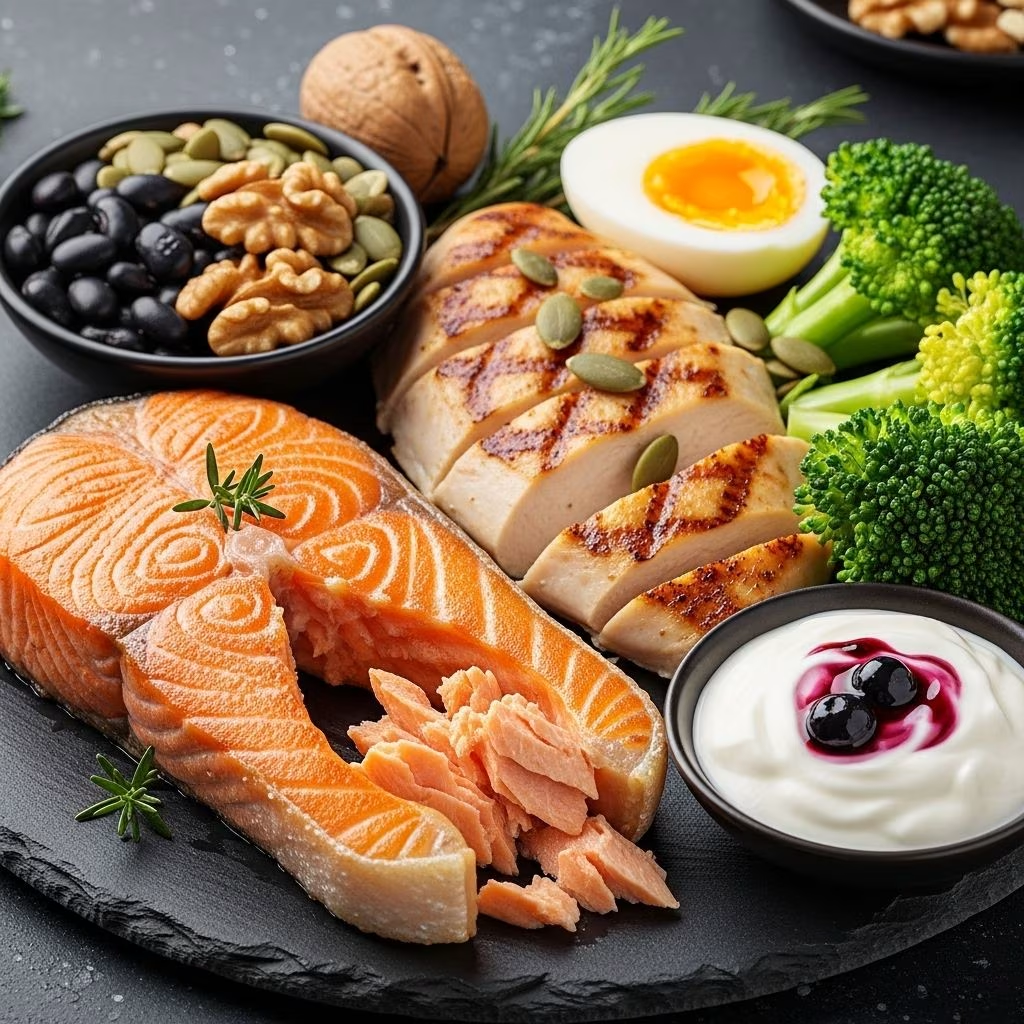
High-Protein Diets and Cancer Risk: What Science Really Says
Protein-rich diets have surged in popularity, promoted for weight loss, muscle building, and satiety. Yet, questions remain about whether consuming large amounts of protein could raise the risk of cancer, particularly with ongoing debate around animal protein, red meat, and age-related differences. Here, we break down the latest research, expert opinions, and practical guidance on high-protein diets and their link (or lack thereof) to cancer.
Potential Advantages of High-Protein Diets
Protein is an essential macronutrient, playing a role in:
- Building and repairing tissues
- Supporting immune function
- Maintaining muscle mass
- Satiety and weight management
- Enzyme and hormone production
High-protein diets are often favored for weight loss and improved body composition. In people with cancer, sufficient protein can help maintain muscle and support recovery, wound healing, and overall outcomes.
How Protein Intake Might Influence Cancer Risk
Several proposed biological mechanisms have fueled concerns about high-protein diets and cancer:
- IGF-1 Hormone: Diets high in protein—especially animal protein—can stimulate production of insulin-like growth factor 1 (IGF-1), a hormone linked with cell growth and a potential increase in cancer risk at elevated levels.
- mTOR Pathway: High protein intake may activate the mTOR pathway, which regulates cell growth and proliferation; overactivity could theoretically promote tumor development.
- Inflammation: Some high-protein foods—particularly processed meats—can increase inflammation, a factor associated with chronic diseases, including cancer.
- Fat-Protein Correlation: In Western diets, high protein intake often coexists with high fat intake, making it difficult to separate their individual cancer risks.
However, it’s important to note that many of these mechanisms were identified in cell and animal studies rather than in large, long-term trials in humans.
What Does the Research Say?
There is still scientific debate about the cancer risks of diets rich in protein. Here’s what the evidence and reviews suggest:
- Large Population Studies: Broad human studies and meta-analyses have generally not found a significant association between high total protein intake and increased risk of most cancers (especially breast, prostate, and colorectal cancer). For example, a 2020 meta-analysis found no clear difference in cancer mortality between those with high and low protein intake.
- Animal Protein vs. Plant Protein: Some data link higher animal protein, especially from red and processed meats, with increased cancer risk. For instance, studies show that consuming more than 12-18 oz (340-510 g) of red meat per week, or regular consumption of processed meats (e.g., bacon, hot dogs), is associated with greater risk of colorectal cancer.
- Age Differences: Research by Dr. Valter Longo and others finds that adults aged 50-65 with high protein consumption had higher cancer mortality, while those over 65 experienced the opposite.
- Quality of Evidence: Some epidemiological studies suggest weak associations, but it is often difficult to disentangle the role of protein from other dietary components like fat. Many of the most robust studies do not support an independent effect of protein on overall cancer incidence.
| Cancer Type | Protein Impact (per Evidence) | Evidence Quality |
|---|---|---|
| Colorectal | No association (total protein); higher risk with processed & red meats | High |
| Breast | No association (total protein) | Moderate |
| Prostate | No association (total protein); processed meats may increase risk | Low-Moderate |
| Pancreatic/Ovarian | No strong evidence | Low |
Does Age Matter?
One of the most thought-provoking findings in the last decade links age with the impact of protein on cancer risk:
- For adults aged 50-65, high protein intake, particularly from animal sources, may increase cancer mortality, primarily due to higher IGF-1 levels.
- For those over 65, higher protein intake appears to have a protective effect, reducing cancer mortality risk and helping prevent age-related muscle loss.
This suggests that dietary protein guidelines may need to adjust for age, as nutritional needs change over the lifespan.
Does Protein Source Influence Cancer Risk?
Not all proteins—and protein sources—affect the body the same way. The source of your protein can be as important as the total amount:
- Animal Proteins: Red meats (beef, pork, lamb) and processed meats (bacon, ham, hot dogs) are associated with higher cancer risk when consumed in large quantities or frequently.
- The American Institute for Cancer Research cautions against consuming over 18 ounces of red meat per week.
- High-temperature cooking and processing add to the risk.
- Plant Proteins: Beans, lentils, nuts, seeds, and soy have not been associated with increased cancer risk—and some evidence suggests they may reduce it due to fiber and beneficial phytochemicals.
- Dairy, Fish, Poultry: Generally considered less risky than red or processed meats and can be good protein sources as part of a balanced diet.
Expert Perspectives and Controversies
Dr. Valter Longo and colleagues have popularized protein restriction and periodic fasting as ways to potentially reduce cancer risk by lowering IGF-1 activity, especially in midlife. Mouse models fed low-protein diets develop fewer cancers, but translating this to lifelong outcomes in humans is still under investigation.
Other experts, like Dr. Lynch, stress the importance of protein for overall health and view the risks as being more related to unhealthy protein sources—especially red and processed meats—rather than protein itself.
Most mainstream organizations agree that meeting, but not grossly exceeding, daily protein needs is key, and that source matters as much as amount. Notably, insufficient protein can be dangerous, especially in older adults and those with illness, increasing risk for muscle wasting and poor recovery.
How Much Protein is Safe?
General nutrition guidelines suggest:
- Adults should consume 0.8 grams of protein per kilogram of body weight per day (about 56g for an average man, 46g for an average woman), more if elderly or ill.
- Elite athletes, pregnant or lactating women, and those recovering from illness may need higher amounts.
- Most Americans already eat more than the recommended daily allowance, often double.
Potential risks of excess:
- Possible increased cancer risk (largely with red/processed meats, especially in midlife)
- Higher cholesterol, particularly from high-fat meats
- Greater kidney stress, particularly for those with preexisting renal issues
Key Guidelines for Healthy Protein Intake
- Prioritize plant-based proteins: legumes, nuts, seeds, whole grains, and soy.
- Choose lean animal proteins: poultry, fish, eggs, low-fat dairy over red or processed meats.
- Limit red meat to under 18 oz per week; avoid processed meats when possible.
- Balance protein across all meals throughout the day.
- Adjust intake as you age: consider slightly higher intakes in older adults for muscle health.
- Consult a registered dietitian or physician for personalized advice, especially with a cancer diagnosis or unique health needs.
Frequently Asked Questions
Q: Does eating too much protein cause cancer?
A: Most large human studies have found no clear link between total protein intake and increased cancer risk. However, consuming high amounts of red and processed meats is consistently connected to higher risk of certain cancers, especially colorectal.
Q: Is plant-based protein safer than animal protein?
A: Yes. Plant proteins have not been associated with increased cancer risk. They offer additional health benefits such as fiber and antioxidants.
Q: How much protein should a person with cancer eat?
A: Adequate—often higher—amounts of protein are important during cancer treatment. Needs vary; always consult a medical provider or registered dietitian for tailored recommendations.
Q: Should older adults avoid high-protein diets?
A: No. In fact, older adults may need more protein to preserve muscle mass and strength. High protein intake in this population does not appear to increase cancer risk and may be protective.
Q: What are the healthiest protein sources to include in my diet?
A: Focus on a mix: legumes, beans, tofu, nuts, fish, skinless poultry, and low-fat dairy—while minimizing processed and red meats.
Citation Notice
This article is based on a synthesis of current published research and expert opinions. For more in-depth review, see:
Elitemedlv (2024), Cancer Treatment Centers of America Community Blog (2024),NCBI Bookshelf, Washington University School of Medicine, and recent meta-analyses on PubMed.
References
- https://elitemedlv.com/blog/high-protein-diets-and-cancer-risk/
- https://www.cancercenter.com/community/blog/2024/03/protein-and-cancer
- https://www.ncbi.nlm.nih.gov/books/NBK216648/
- https://medicine.washu.edu/news/excess-protein-intake-and-prostate-cancer/
- https://pubmed.ncbi.nlm.nih.gov/38643440/
- https://www.mayoclinic.org/healthy-lifestyle/nutrition-and-healthy-eating/expert-answers/high-protein-diets/faq-20058207


