


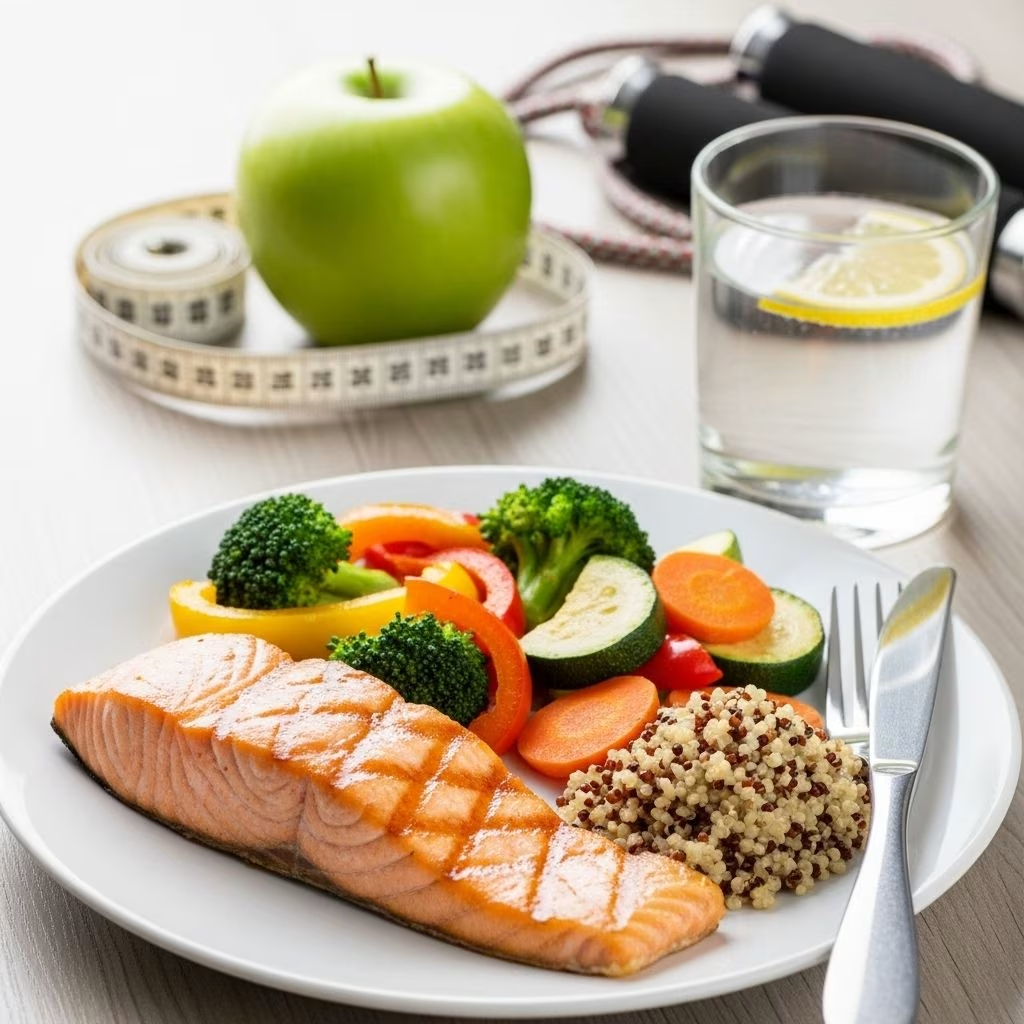
Diet Tricks That Actually Work for Effective Weight Loss
Countless people chase after secret diet tricks and gimmicky plans seeking fast results. However, evidence shows that small, sustainable changes make the most significant, lasting impact. Here’s a comprehensive guide to practical, research-backed diet tricks that genuinely support weight loss and lifelong healthy habits.
Understanding What Really Works: A Return to Basics
Before diving into specific tricks and tips, it’s important to emphasize that the most effective weight loss approaches are often the simplest. In a study referenced by nutrition expert Judith S. Stern, ScD, RD, participants who ate a variety of meals based on USDA guidelines lost three times more weight in a year than those on restrictive low-fat diets. Flexibility, nutrient balance, and practical strategies win out over harsh restrictions every time.
Simple Diet Tricks That Make a Big Difference
- Eat a Small Treat Daily: Deprivation leads to cravings. People who enjoyed a controlled 100-calorie daily treat—like a cookie, a pat of butter, or salad dressing—found it easier to stick with their healthy routines and prevented binge eating.
- Downsize Your Kitchenware: Swap out oversized plates for salad plates, use juice glasses for drinks, and teaspoons instead of serving spoons for condiments. This naturally reduces portion sizes without you feeling deprived.
- Plan Ahead: Sketch out a 7-day menu and do your grocery shopping in advance. This helps you make better food choices, reduces the temptation for unhealthy snacks, and limits unplanned restaurant meals.
- Add an Extra Fruit or Vegetable to Every Meal: Simple additions like an orange at breakfast, a cup of yogurt at lunch, or a salad at dinner help you reach nutritional goals and add fullness with fewer calories.
Smart Strategies for Portion Control
Most people underestimate how much they eat. Managing portion sizes is one of the most reliable ways to cut back on calories and encourage weight loss without strict calorie counting.
- Use Smaller Plates and Glasses: This classic trick works by making smaller portions appear larger and more satisfying.
- See What You Eat: Always serve food onto a plate or into a bowl—never eat straight from the package. This makes you more mindful of your portions and limits overeating.
- Split Restaurant Meals in Half: The average restaurant entrée can pack up to 2,000 calories. Immediately halve your portion and box half for later to control calories while still enjoying your meal out.
- Focus on Low-Calorie, High-Volume Foods First: Start every meal with salads, broth-based soups, or vegetables. You’ll fill up on these healthy foods, leaving less room for calorie-dense options.
Daily Habits for Sustainable Weight Loss
- Keep a Food Journal: Tracking what, when, and why you eat holds you accountable and helps you spot patterns and triggers for overeating.
- Eat Mindfully: Turn off screens and distractions during meals. Tune into the smells, textures, and flavors of your food, and eat slowly to give your body time to register fullness.
- Follow the 80% Full Rule: Inspired by a classic Chinese saying, stop eating when you feel about 80% full. This helps prevent overeating and respects your body’s natural hunger cues.
- Choose Foods You Chew: Opt for whole fruit instead of juice, and solid foods instead of caloric beverages. Chewing helps with satiety and prevents mindless calorie consumption.
Meal Planning and Smart Swaps
- Switch to Lower-Fat Dairy: Go from whole milk to 1% or nonfat. Swapping just one glass a day can save thousands of calories per year and result in several pounds lost.
- Use Mustard Instead of Mayo: Mustard contains far fewer calories and less fat than traditional mayonnaise.
- Dilute Caloric Drinks: Mix juice with water or sparkling water, and limit pure fruit juice to 8 ounces per day.
- Eat at Home More Often: Home-cooked meals give you full control over portions, ingredients, and preparation methods, making it easier to eat healthily.
- Take Lunch to Work: Packing a lunch is usually healthier and more controlled than eating out, helping you avoid hidden calories in restaurant fare.
- Limit Alcoholic Beverages: Keep alcohol to weekends or special occasions whenever possible. Alcohol is calorie-dense and can increase your appetite.
Fill Up on Nutritious, Low-Calorie Foods
- Half Your Plate Should Be Vegetables: Vegetables are high in fiber and water, filling you up before you get to the higher calorie foods on your plate.
- Enjoy Non-Creamy Soups: Broth-based soups are satisfying, hydrating, and help reduce overall calorie intake.
- Go for Mostly Veggie Lunches: Build lunch bowls and salads around a base of greens and colorful vegetables before adding lean protein and a small portion of grains.
Addressing Caloric Beverages
- Cut Out Sugary Drinks: Sodas, sweet teas, lemonade, and coffee drinks can add hundreds of empty calories per day. Even fruit juice contains as many calories per ounce as soda—even if it’s more nutritious.
- Drink Water or Unsweetened Beverages: Flavored sparkling waters, herbal teas, and black coffee provide hydration and flavor without the calorie load.
- If You Must, Choose Diet Beverages: While not a magic bullet, switching from regular to diet soda can cut a significant number of calories if you were previously consuming sugar-sweetened versions.
Exercise and Activity: Essential Allies in Weight Loss
- Strength Training: Lifting weights at least twice a week helps you maintain and build lean muscle mass, which increases your resting metabolic rate—allowing you to burn more calories even when at rest.
- Routine Physical Activity: Aim for at least 150 minutes of moderate exercise, or 75 minutes of vigorous-intensity exercise weekly. Daily movement, even in small doses, makes a measurable difference.
- Add Activity Whenever Possible: Walk on your lunch break, take the stairs, or do quick bodyweight workouts during TV commercials. Small bursts of activity add up over time.
Sticking With It: The 90% Rule
No diet is perfect 100% of the time. Nutritionists advise aiming to follow healthy eating and activity plans at least 90% of the time. This provides flexibility for real-life indulgences while maintaining overall progress:
- Plan your meals and snacks for the week.
- Mark each successful meal on your plan with an ‘X.’
- At week’s end, tally your healthy meals and divide by your total, then multiply by 100. If you score 90% or higher, you’re on track!
Bonus Tips and Tricks for Easy Calorie Savings
- Plate Your Food: Serve all meals and snacks on plates or bowls to visually track portions.
- Sit When You Eat: Avoid eating on the go, which leads to mindless eating and larger portions.
- Limit Snacking to Planned Times: Mindless grazing can add hundreds of unnecessary calories.
- Batch Cook and Prep Veggies: Having pre-cut fruits and veggies makes healthy choices quick and convenient.
- Eat at Home: The more you prepare your meals, the more control you have over calories, sodium, and added sugars.
| Healthy Behavior | Unhealthy Behavior |
|---|---|
| Serving meals on small dishes | Eating from large dinner plates or bags |
| Drinking water or zero-calorie beverages | Consuming sugary sodas or juices |
| Snacking on whole fruit | Snacking on chips or candy bars |
| Batch-prepping meals | Last-minute takeout and fast food |
| Tracking food intake | Mindlessly grazing and skipping meals |
Frequently Asked Questions (FAQs)
Q: Can I still lose weight if I have dessert?
A: Yes! Allowing yourself a small daily treat (such as a 100-calorie cookie) can make your diet more enjoyable and easier to stick to over the long term, helping prevent the urge to binge.
Q: Do I need to cut out all carbs or fat to lose weight?
A: No. Research shows that a balanced, flexible diet—emphasizing variety, not restriction—leads to better weight loss and maintenance.
Q: Why does using a smaller plate help with portion control?
A: Psychologically, smaller plates make normal portions look more substantial, which can trick your brain into feeling satisfied with less food.
Q: What should I do if I overeat at one meal?
A: Don’t punish yourself or skip the next meal. Get back to your healthy habits and focus on your big-picture progress. Consistency, not perfection, is what matters.
Q: How important is exercise compared to diet?
A: Both matter for weight loss and maintenance. Exercise enhances calorie burn, builds muscle, and supports metabolic health, but dietary intake plays the biggest role in day-to-day calorie balance.
Building a Healthy Weight Loss Plan: Final Thoughts
Crash diets and extreme restrictions rarely produce sustainable results. By embracing small, manageable changes—like controlling portions, staying mindful, cooking more at home, and making room for the foods you love—you lay the foundation for healthy, lasting weight loss. Remember, it’s not about perfection, but about building flexible, supportive habits that stand the test of time.
References
- https://www.prevention.com/weight-loss/a20461192/diet-tricks-that-work-for-weight-loss/
- https://www.prevention.com/weight-loss/a20456466/diet-and-healthy-weight-loss-advice/
- https://www.prevention.com/weight-loss/diets/a60578947/how-to-lose-weight-fast-safely/
- https://www.prevention.com/weight-loss/diets/g20440614/25-best-weight-loss-tips-ever/
- https://www.prevention.com/weight-loss/g24805401/fat-burning-foods/
- https://www.prevention.com/weight-loss/
- https://www.prevention.com/weight-loss/diets/a63174975/best-diets-for-weight-loss-2025/
- https://www.prevention.com/health/a65401665/expert-walking-tips-weight-loss/
- https://www.prevention.com/weight-loss/diets/a20718413/apple-cider-vinegar-for-weight-loss/
- https://www.prevention.com/fitness/a37857801/7-day-weight-loss-preparation-guide/


