


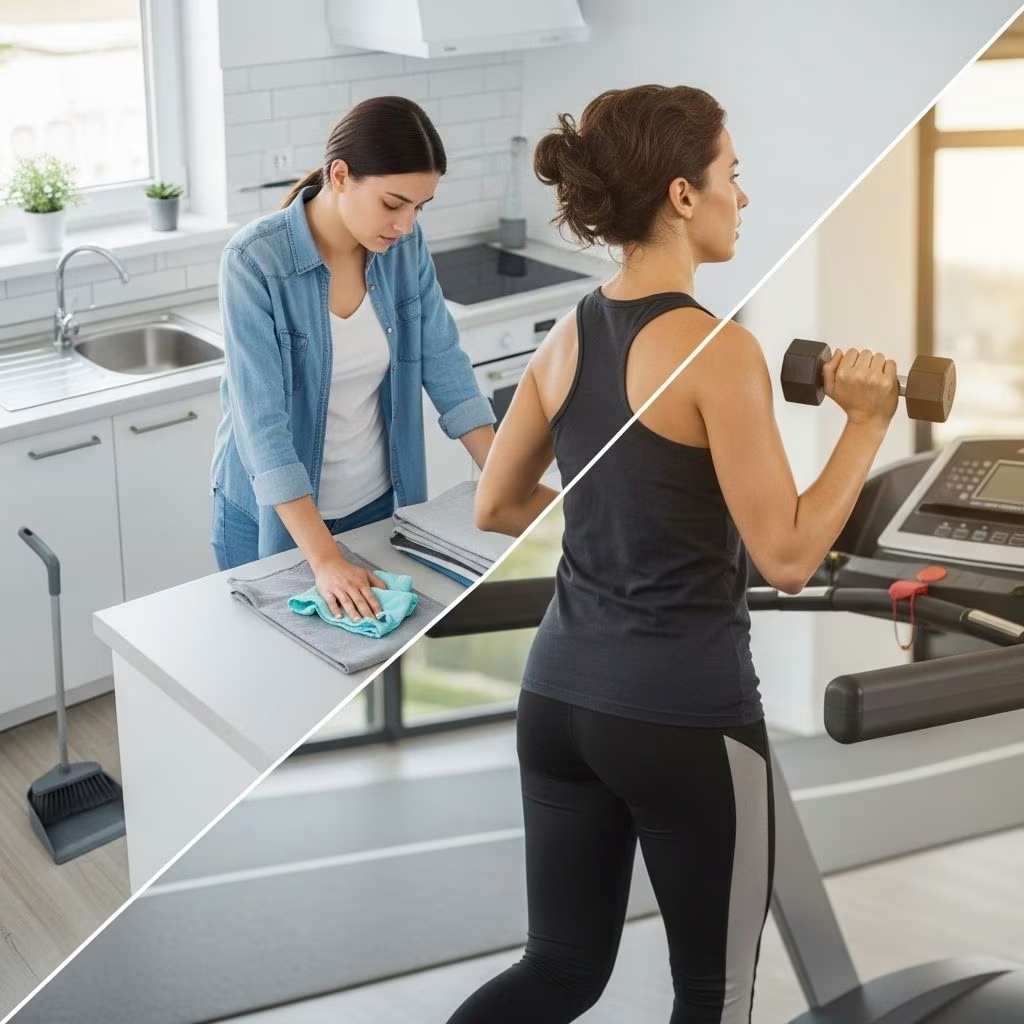
Can You Lose Weight by Relying on Household Chores?
It’s a common belief: if you stay on your feet all day mopping, sweeping, and scrubbing, you’re getting your exercise in—and maybe even burning off a few extra pounds. But recent science questions whether relying on chores as your main source of exercise actually helps with weight loss, or if it could be sabotaging your goals.
Why Many People Think Chores Burn Enough Calories
At the end of a tiring day, it’s easy to feel as if the physical work of housecleaning — vacuuming, gardening, carrying groceries — should count as a workout. After all, you’re up, moving, sometimes even breaking a sweat. But research suggests most people overestimate the calorie-burning power of these activities, often substituting them for intentional exercise without realizing that the two aren’t equal.
What Does the Science Say?
Several studies have looked at how effective chores are compared to structured exercise. The verdict: while housework does burn some calories, it doesn’t match the intensity or sustained benefit of dedicated exercise sessions. In fact, people who report chores as their main activity often have higher weights than those who carve out time for workouts.
- Housework rarely raises your heart rate to the levels needed for fat-loss.
- People tend to over-report the time and intensity spent doing chores.
- Energy expenditure is typically lower than assumed, especially for stop-and-start activities like dusting or folding laundry.
- Replacing exercise with chores can lead to a net reduction in overall physical activity during the week.
Expert Opinions: Why Chores Alone Don’t Work for Weight Loss
Fitness professionals agree: household activities just aren’t enough. Leslie Bonci, MPH, a nutritionist and exercise expert, explains that chores lack the duration and intensity required to significantly affect body composition. Instead, they typically contribute to what’s called non-exercise activity thermogenesis (NEAT) — the energy we burn doing non-sport activities — which is helpful, but not a substitute for intentional workouts.
Common Chores and Their Calorie Burn
| Activity | Average Calories Burned (30 mins, 155 lbs) |
|---|---|
| Vacuuming | ~85 |
| Gardening | ~170 |
| Doing dishes | ~60 |
| Mopping floors | ~110 |
| Light house cleaning | ~70 |
In contrast, brisk walking burns 140–150 calories in 30 minutes, while running can burn over 300 calories in the same span. The difference quickly adds up over the course of a week.
The Overestimation Trap: Why Counting Chores as Workouts Backfires
Researchers have found that people who log household chores as exercise often end up consuming more calories, overestimating their activity levels, and shortchanging themselves on their fitness journey. This phenomenon is called compensation: when you believe you’ve worked out, you feel entitled to extra treats or rest, undermining your calorie deficit and fat loss efforts.
- Perceived exertion during chores is typically higher than actual exertion measured by monitors.
- People tend to reward themselves with snacks or take more rest later in the day.
- This leads to a cycle of less movement and more calories consumed.
Active Living Is Good—But Not Enough
That’s not to say movement doesn’t matter. Physical activity in all forms—walking to work, climbing stairs, gardening—contributes positively to health and helps maintain a healthy weight. But for real weight loss and significant health benefits, you need to add purposeful exercise routines to your weekly schedule.
What Counts as Effective Exercise?
- Moderate to vigorous aerobic activity: Brisk walking, jogging, cycling, or swimming.
- Strength training: Bodyweight exercises, resistance bands, weights, or Pilates routines.
- Intervals and variety: Mixing durations and intensities keeps your body adapting and burning more calories.
The CDC and most health agencies recommend a minimum of 150–300 minutes of moderate-intensity exercise per week, or 75–150 minutes of vigorous-intensity activity.
Why Chores Don’t Give You the Same Health Benefits
Let’s break down why chores fall short compared to workouts:
- Chores are often low intensity—you rarely reach your target heart rate zone for fat loss.
- They tend to be intermittent—you’re stopping and starting, unlike sustained exercise which keeps your body working hard for longer.
- You don’t build muscle strength or cardiovascular endurance from most chores.
- The psychological benefit of completing a workout often drives better choices in eating and movement the rest of the day.
Smart Ways to Make Everyday Activity Work for You
This doesn’t mean you should sit down and let robots do all the cleaning. Use these strategies to move more, while still making time for formal exercise:
- Add intensity: When carrying laundry or groceries, go up stairs or take extra trips for more steps.
- Combine chores with mini-exercises: Do squats, lunges, or calf raises between cleaning tasks.
- Break up sedentary time: Set a timer to get up and stretch or walk every 30–60 minutes.
- Log steps: Use a fitness tracker to ensure you’re hitting your movement goals, and don’t count all steps as a replacement for a workout.
Building a Better Habit: The Case for Structured Workouts
When you make time for purposeful exercise, from brisk walks to resistance sessions, you’re more likely to achieve lasting results. Here’s why intentionally designed workouts work better:
- They increase heart
References
- https://www.prevention.com/weight-loss/a20497754/exercising-for-weight-loss/
- https://www.prevention.com/health/a65401665/expert-walking-tips-weight-loss/
- https://www.prevention.com/weight-loss/a20505548/small-changes-that-take-off-big-pounds/
- https://www.prevention.com/health/a20430082/is-cleaning-good-exercise/
- https://www.prevention.com/weight-loss-success-stories/
- https://www.prevention.com/weight-loss/g20437035/exactly-how-i-exercised-to-lose-50-pounds/
- https://www.prevention.com/weight-loss/a20446820/how-one-woman-lost-weight-and-clutter/
- https://www.prevention.com/weight-loss/a20501539/how-to-maintain-weight-loss/
- https://www.prevention.com
- https://www.prevention.com/weight-loss/g20498713/lose-weight-without-trying/


