


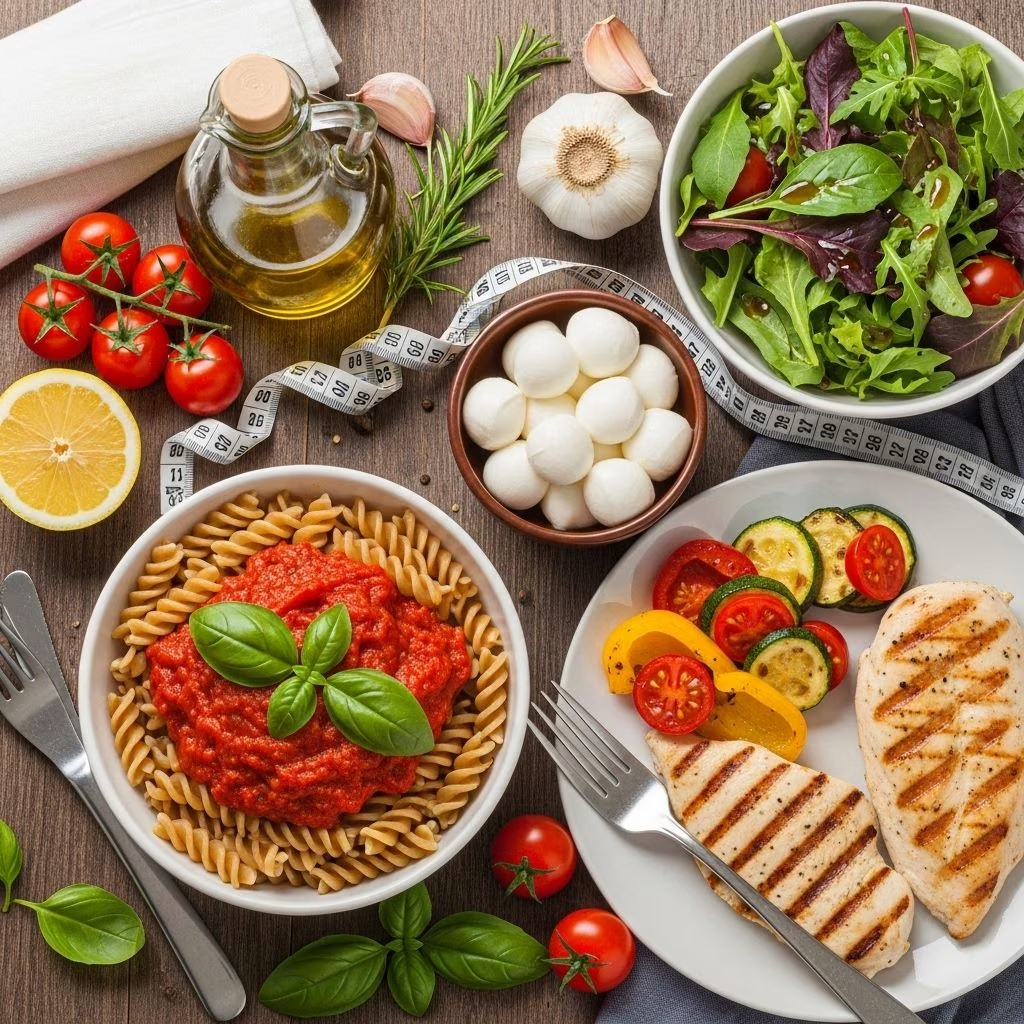
6 Ways to Make Italian Food Flat-Belly Friendly
Italian cuisine is beloved worldwide for its rich flavors, comforting pastas, cheesy pizzas, and vibrant vegetable dishes. Yet, many traditional Italian favorites are often high in refined carbohydrates, saturated fat, and calories, making them tricky for those aiming for a flatter belly or healthy weight loss. The good news? With a few clever tweaks and ingredient swaps, you can still savor all the best flavors of Italy while supporting your fitness goals. Here are six expertly crafted strategies to transform Italian classics into flat-belly-friendly delights.
1. Swap Traditional Pasta for Whole Grains or Veggies
Pasta is the heart of many Italian meals, but traditional refined flour noodles can spike blood sugar and contribute to belly fat. Instead, try these alternatives:
- Whole-wheat and legume-based pastas: Whole grains provide more fiber and protein, keeping you fuller longer and stabilizing blood sugar. Options like whole-wheat spaghetti, chickpea penne, and lentil rotini are now widely available.
- Spiralized vegetable noodles: Zucchini noodles (‘zoodles’), carrot ribbons, or spaghetti squash are low-calorie, nutrient-dense choices that offer the texture and satisfaction of pasta, but with fewer carbs and calories.
- Portion control: If you opt for classic pasta, reduce the serving size and pair it with lots of fiber-rich vegetables and lean protein, so you don’t feel deprived.
Expert Tip: Toss veggie noodles with homemade pesto, cherry tomatoes, and grilled chicken for a quick, satisfying dish that’s big on flavor but lighter on the waistline.
2. Rethink Sauces and Cheese: Lighter, Smarter, Healthier
Italian sauces can tip the calorie and fat scales, especially if they’re creamy or loaded with cheese. Here’s how to keep things lighter:
- Favor tomato-based sauces like marinara, pomodoro, or puttanesca. These are typically rich in antioxidants (especially lycopene) and lower in calories and fat compared to cream or cheese-based sauces.
- Limit Alfredo and cream sauces. If you crave richness, try blending cooked cauliflower or Greek yogurt into sauces for creaminess without the excess calories or saturated fat.
- Choose part-skim or fresh cheeses such as part-skim mozzarella or ricotta over higher-fat aged versions. Use cheese as a flavorful accent, not the main event.
Expert Tip: Sprinkle a small amount of fresh Parmesan over dishes right before serving—it provides intense flavor with less cheese needed.
3. Pack in Fresh Produce and Lean Protein
Italian recipes burst with opportunities to add fresh vegetables and lean protein, which fill you up, boost nutrients, and support weight management. Try these ideas:
- Bulk up sauces and lasagnas with spinach, zucchini, mushrooms, bell peppers, or eggplant.
- Add legumes like cannellini or kidney beans to soups and stews for extra fiber and plant-based protein.
- Favor lean proteins such as grilled chicken, turkey sausage, shrimp, or even canned sardines or tuna for omega-3s, in place of fatty or processed meats.
- Opt for seafood in pasta, salads, and risottos. Fish like cod, halibut, or even tinned sardines make for low-fat, high-flavor entrees.
Expert Tip: Toss a handful of baby spinach or arugula into hot pasta just before serving for an instant nutrient boost.
4. Make Pizza a Guilt-Free Pleasure
Pizza doesn’t have to be a weight-loss saboteur. Use these strategies for a flatter-belly slice:
- Choose whole-wheat or cauliflower crusts: Swap traditional crust for whole-grain or veggie-based alternatives to slash refined carbs and add more fiber.
- Go light on cheese and add flavor with tomato, basil, and pungent toppings like olives or artichokes.
- Boost the vegetable count: Pile on roasted veggies such as peppers, onions, mushrooms, or spinach for fiber and nutrients.
- Switch up the portion: Serve with a large side salad and stick to one or two slices to encourage mindful eating.
Expert Tip: Try making mini pizzas on whole-wheat pita or portobello mushroom caps for built-in portion control and added nutrition.
5. Mind Your Oils and Cooking Techniques
Traditional Italian cuisine relies on olive oil, which is heart-healthy in moderation. The key is using the right amount and technique:
- Measure olive oil carefully. A single tablespoon adds about 120 calories—just a drizzle can go a long way for flavor.
- Sauté, grill, or bake ingredients rather than frying or drenching in oil. Roasting brings out natural sweetness in vegetables with minimal fat.
- Try broth or tomato juice to steam or simmer ingredients for sauces and risottos, keeping them light yet satisfying.
Expert Tip: Finish dishes with a splash of aromatic extra-virgin olive oil or a squirt of lemon for a bright, fresh flavor, minimizing the need for butter or cream.
6. Focus on Traditional Italian Portions and Mindful Eating
In Italy, pasta is often served as a primo (first course) in a much smaller portion than typically found elsewhere. Adopting these habits can help you savor more while consuming less:
- Start with a salad or broth-based soup. Fiber- and water-rich starters help curb hunger and limit calorie intake.
- Slow down and savor flavors. Enjoy each bite, putting your fork down between bites to tune into true fullness.
- Practice portion control: Serve pasta in 1-cup portions (about the size of a tennis ball) and leave room for vegetable sides.
- Fill half your plate with vegetables, one quarter with lean protein, and one quarter with grains or pasta.
Expert Tip: Enjoy a small glass of wine with a meal if desired—studies suggest moderate wine consumption with food may promote better portion control and mealtime mindfulness.
Flat-Belly Italian Recipe Ideas
| Dish | Key Ingredient Swaps | Why It Works |
|---|---|---|
| Veggie-Packed Turkey Bolognese | Lean ground turkey, whole-wheat spaghetti, spinach, diced carrots & zucchini | Higher protein, lower fat, more fiber, rich in vitamins |
| Cauliflower-Crust Margherita Pizza | Cauliflower crust, part-skim mozzarella, fresh tomato, basil | Fewer refined carbs and calories, gluten-free, antioxidants from tomato |
| Pesto Zoodles with Grilled Chicken | Zucchini noodles, homemade basil pesto (less oil), chicken breast | Low calorie, nutrient dense, healthy fats, high protein |
| Eggplant Parmesan Light | Baked eggplant, marinara, light sprinkling of parmesan | Less oil, lower calorie, fiber-rich, classic flavors |
| Pasta e Fagioli soup | Whole-wheat small pasta, cannellini beans, extra vegetables | Protein, fiber, filling and comforting, lower calorie |
| Spicy Prawn Linguine | Whole-wheat linguine, tomato sauce, prawns, chili flakes | Lean seafood protein, whole grains, metabolism-boosting spice |
Frequently Asked Questions (FAQs)
Q: Can I eat pasta and still lose belly fat?
A: Yes. Weight loss is possible with pasta if you choose whole-grain or legume-based varieties, keep portions moderate, and balance your plate with vegetables and lean proteins.
Q: What’s the healthiest type of pasta sauce?
A: Tomato-based sauces, such as marinara or pomodoro, are generally lowest in calories and saturated fat. Opt for homemade or low-sugar store-bought varieties for best results.
Q: How can I make pizza healthier for my waistline?
A: Use a whole-grain or cauliflower crust, limit cheese, and load up on vegetables. Pair with a large salad and eat mindfully.
Q: Are there Italian desserts that are flat-belly friendly?
A: Yes. Classic Italian desserts like fresh fruit salad, poached pears, or small servings of gelato can fit a healthy diet when enjoyed in moderation.
Q: Should I avoid all Italian bread?
A: There’s no need to eliminate bread completely. Choose whole-grain versions, enjoy in small amounts, and pair with healthy toppings like olive oil and tomatoes instead of butter or creamy spreads.
Additional Tips for Enjoying Flat-Belly Italian Food
- Read ingredient labels. Look for pastas, sauces, and cheeses with simple, recognizable ingredients and minimal added sugar or preservatives.
- Batch cook healthy Italian dishes to have quick, balanced meals ready throughout the week.
- Bring Italian flavors to salads and sides using herbs like basil, oregano, and thyme, plus ingredients like olives, sun-dried tomatoes, and roasted peppers.
- Drink plenty of water to help digestion and minimize bloating from higher fiber meals.
Remember:
Balanced Italian food can be both satisfying and supportive of your flat-belly goals. It’s all about the right ingredients, preparation, and portion control—so mangia with confidence!
References
- https://www.eatthis.com/fat-burning-pasta-recipes/
- https://www.olivemagazine.com/recipes/collection/best-ever-healthy-italian-recipes-under-500-calories/
- https://burratahouse.com/low-calorie-italian-food-recipes/
- https://www.prevention.com/weight-loss/g20462038/6-ways-to-make-italian-food-flat-belly-friendly/
- https://giadzy.com/blogs/tips/giadas-best-healthy-italian-recipes
- https://www.delicious.com.au/recipes/group/gallery/40-healthy-italian-recipes-for-tuesday-night/3mw5wg8a
- https://www.bbcgoodfood.com/recipes/collection/healthy-italian-recipes


