


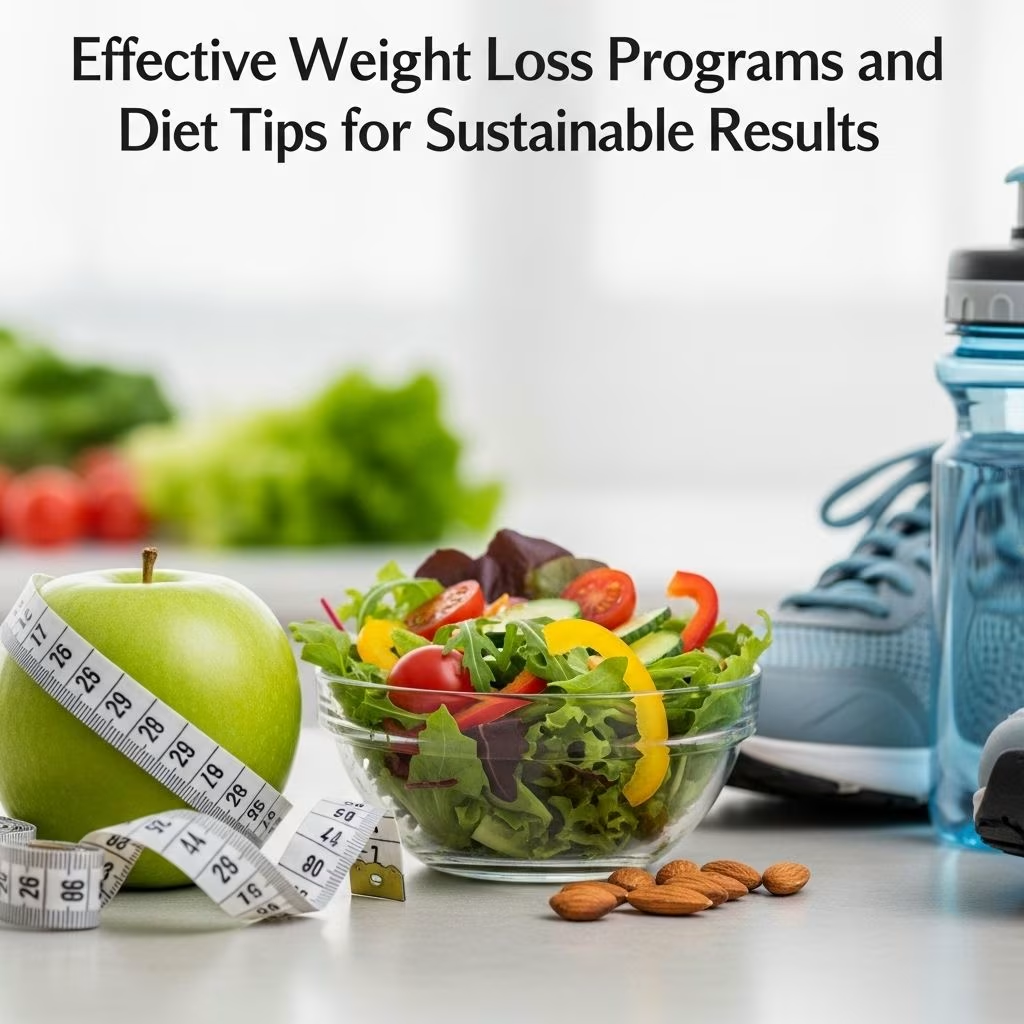
Finding a weight loss plan that works can be challenging in today’s world of ever-changing diet trends and nutrition advice. With so many options available, from commercial programs to intermittent fasting and personalized wellness strategies, it’s important to focus on approaches that not only help you lose weight, but also improve your long-term health and well-being. This in-depth guide explores evidence-based weight loss programs, popular diets, actionable tips, and expert answers to frequently asked questions about achieving sustainable results.
Understanding the Foundations of Weight Loss
Before diving into specific programs and diet tips, let’s cover the basics that underlie all healthy weight loss strategies:
- Calorie Deficit: Consuming fewer calories than you burn remains the fundamental principle for weight loss.
- Balanced Nutrition: Quality of calories matters; prioritize nutritious, minimally processed foods for health and satiety.
- Physical Activity: Consistent movement aids fat loss, preserves muscle, and delivers cardiovascular benefits.
- Behavioral Changes: Long-term success comes from developing sustainable habits and addressing mental and emotional triggers for eating.
Top Commercial Weight Loss Programs: Evidence and Effectiveness
Well-established commercial programs can offer structure, accountability, and peer support. Here are some of the most researched and widely-used weight loss programs:
WW (formerly Weight Watchers)
- Approach: Uses a points-based system, encourages balanced eating, offers group support, and has digital tools.
- Evidence: Clinical trials show 4–6% average weight loss over 12 months, which is considered medically meaningful. Longer participation improves long-term success rates.
- Best For: Those seeking flexibility, community, and behavior change—not just food tracking.
Jenny Craig
- Approach: Provides pre-packaged meals, one-on-one coaching, and guides on gradual weight loss.
- Evidence: Linked to sustained weight loss in clinical studies; participants often lose 5–7% of body weight in one year.
- Best For: Those who appreciate structured meal plans and professional support.
Nutrisystem
- Approach: Portion-controlled, pre-packaged meals with a focus on low-glycemic carbs, lean proteins, and controlled calories.
- Evidence: Clinical trials show moderate weight loss, with easy adherence due to the simplicity of prepared meals.
- Best For: People looking for convenience and portion management.
Medifast/OPTIFAST
- Approach: Offers meal replacements (shakes, soups, bars) under medical supervision, often for individuals with higher body mass indices (BMIs).
- Evidence: Suitable for those with clinical obesity; demonstrates safe, rapid weight loss when combined with behavior therapy and medical oversight.
- Best For: Individuals needing a medically supervised, intensive program.
Taking Off Pounds Sensibly (TOPS)
- Approach: Nonprofit, high-intensity group program offering nutrition education, regular meetings, and peer support.
- Evidence: Retrospective study shows 5.9–7.1% weight loss over 1–3 years with consistent group participation. Ongoing research continues to evaluate effectiveness.
- Best For: Those who value community encouragement and affordable resources.
Comparing Commercial Weight Loss Programs
| Program | Method | Support Available | Average 12-Month Weight Loss | Best For |
|---|---|---|---|---|
| WW | Points system, flexible eating | Group meetings, app | 4-6% | Community & flexibility |
| Jenny Craig | Pre-packaged meals | Coaching | 5-7% | Structure & routine |
| Nutrisystem | Meal delivery | Online resources | Moderate | Convenience |
| Medifast/OPTIFAST | Meal replacements | Medical supervision | Fast (under supervision) | Clinical obesity |
| TOPS | Group support & education | Weekly meetings | 5.9–7.1% (1–3 yrs) | Affordability & support |
Inside Popular Diet Approaches
Many people achieve success by adopting a specific diet style that fits their lifestyle and preferences. Here’s a breakdown of the most-discussed options:
Mediterranean Diet
- Emphasizes vegetables, fruits, whole grains, olive oil, lean proteins, nuts, and seafood.
- Linked to reduced heart disease risk, better weight management, and improved metabolic health.
- Flexible and sustainable for the long term.
Low-Carb and Ketogenic Diets
- Limits carbohydrates; increases intake of healthy fats and proteins.
- Ketogenic diets push the body into ketosis, using fat for energy.
- Often results in rapid initial weight loss and appetite suppression, but can be difficult to sustain for some people.
Plant-Based Diets
- Focuses on whole, minimally processed plant foods: vegetables, fruits, legumes, whole grains, nuts, and seeds.
- May include vegan or vegetarian patterns; associated with lower BMI, better glycemic control, and overall good health.
Intermittent Fasting
- Cycles between periods of eating and fasting on a daily or weekly schedule.
- Popular methods include 16:8 (fast 16 hours, eat 8-hour window), 5:2 (two days a week of reduced calories), Eat Stop Eat (full day fasts), and the Warrior Diet (one meal at night).
- Research shows similar outcomes compared to daily calorie restriction; choose if it fits your lifestyle.
Expert-Backed Diet Tips for Long-Term Weight Loss Success
- Set Realistic Goals: Aim for 0.5–2 pounds/week; rapid weight loss is often unsustainable.
- Watch Portions: Learn serving sizes and use your hand or simple measuring tools.
- Eat Mindfully: Pay attention to hunger cues, eat slowly, and avoid distractions like screens during meals.
- Stay Hydrated: Sometimes thirst is mistaken for hunger—drink water between meals and before snacks.
- Don’t Skip Meals: Skipping leads to overeating later and disrupts energy levels.
- Choose Whole Foods: Minimize processed foods and focus on fiber-rich, nutrient-dense options.
- Move Every Day: Combine aerobic exercise (walking, cycling) with resistance training for optimal fat loss and muscle maintenance.
- Track Progress: Keep a food and activity journal or use a tracking app for accountability.
- Get Enough Sleep: Sleep deprivation interferes with appetite hormones and weight control.
- Seek Social Support: Involve friends, family, or join a group for motivation and accountability.
Debunking Diet Myths
- Myth: Carbs always make you fat.
Fact: Whole grains and fiber-rich carbs can be part of a healthy weight loss plan. - Myth: The best diet is the same for everyone.
Fact: The best plan is one you can enjoy and maintain. - Myth: Skipping meals helps you lose weight faster.
Fact: Skipping often leads to overeating later and is not effective long term. - Myth: You can out-exercise a bad diet.
Fact: Diet is the major driver of weight loss, with exercise playing a supportive role.
Special Considerations: Matching Approaches to Your Body and Lifestyle
Everyone’s weight loss journey is different. Factors like age, metabolism, health conditions, family history, and lifestyle can affect what works best. Here are some strategies for particular needs:
Losing 20+ Pounds
- Seek out structured programs (WW, Jenny Craig) for maximum support.
- Consider medical supervision if you have significant health concerns.
- Focus on gradual, steady loss to minimize muscle loss and preserve energy.
Addressing Stubborn Areas (Belly, Hips, Thighs)
- Create a calorie deficit through total-body changes—targeting specific areas isn’t possible, but overall fat loss eventually impacts trouble spots.
- Pair resistance training with aerobic exercise to sculpt and strengthen muscles underneath.
Busy Lifestyles
- Meal delivery programs (like Nutrisystem) or prepping simple, batch-cooked meals at home can save time and reduce temptation for takeout.
- Quick, efficient workouts (HIIT, brisk walks, bodyweight exercises) can help when your schedule is packed.
Vegetarians or Special Diets
- Choose plant-based programs; supplement with B12, vitamin D, iron, and omega-3s as needed.
- Prioritize protein with beans, lentils, tofu, tempeh, and seeds to maintain muscle and fullness.
Frequently Asked Questions (FAQs) About Weight Loss
What is the healthiest rate of weight loss?
Losing 1–2 pounds per week is considered safe and sustainable. Faster losses can be risky and unsustainable in the long term.
Are commercial programs better than doing it on your own?
For many people, the structure, social support, and accountability of a program can lead to better results. However, self-directed approaches work for those with strong self-motivation and knowledge of nutrition fundamentals.
Do I have to exercise to lose weight?
Exercise isn’t required for weight loss, but it preserves muscle, boosts metabolism, and improves health. The most effective plans combine both dietary change and physical activity.
Is intermittent fasting better than regular dieting?
Intermittent fasting may help with calorie control, but studies show its results aren’t superior to conventional calorie restriction. The best method is one you can stick with and enjoy.
Can you target belly fat specifically?
No diet or exercise specifically targets belly fat. A consistent calorie deficit, clean diet, and regular physical activity will eventually reduce fat from all areas, including the abdomen.
What if I don’t see results quickly?
Weight loss isn’t always linear. Plateaus are normal. Adjust calorie intake, activity, or review your food tracking for hidden sources of extra calories. Patience and consistency are key.
Putting It All Together: Choosing Your Best Path Forward
Effective and lasting weight loss comes from understanding yourself—your triggers, your schedule, your preferences—and finding a plan that supports you both nutritionally and emotionally. Whether you choose a structured program, experiment with popular diet patterns, or chart your own course, the most important ingredient is consistency. Stay proactive by setting manageable goals, tracking progress, and seeking support when needed. Every step towards better habits is progress worth celebrating.
Weight Loss Programs FAQs
Q: How do I know which commercial program is right for me?
A: Consider your budget, support needs, food preferences, and any required medical supervision. Sample a program’s website or attend an introductory session if possible.
Q: Can I keep the weight off after losing it?
A: Long-term success relies on making permanent lifestyle changes including balanced eating, regular movement, and mindful habits. Ongoing support, whether from a group, counselor, or friends, makes a difference.
Q: What role does sleep play in weight loss?
A: Sleep deprivation increases hunger hormones and sabotages weight loss efforts. Prioritize quality sleep for better results.
Q: Are there any risks with quick-fix diets?
A: Rapid weight loss plans can slow metabolism, drop muscle mass, and increase risk of nutrient deficiencies. Opt for gradual, sustainable change instead.
References
- https://pmc.ncbi.nlm.nih.gov/articles/PMC8159888/
- https://www.prevention.com/weight-loss/a20430844/weight-loss/
- https://www.prevention.com/weight-loss/a20500235/intermittent-fasting/
- https://www.prevention.com/weight-loss/
- https://www.prevention.com/weight-loss/diets/a63174975/best-diets-for-weight-loss-2025/
- https://www.prevention.com/weight-loss/diets/a60578947/how-to-lose-weight-fast-safely/
- https://www.prevention.com/weight-loss/a30188568/lose-weight-without-exercise-0/
- https://www.prevention.com
- https://www.prevention.com/weight-loss/a36065492/rethinking-body-weight/
- https://www.prevention.com/health/a65401665/expert-walking-tips-weight-loss/


