


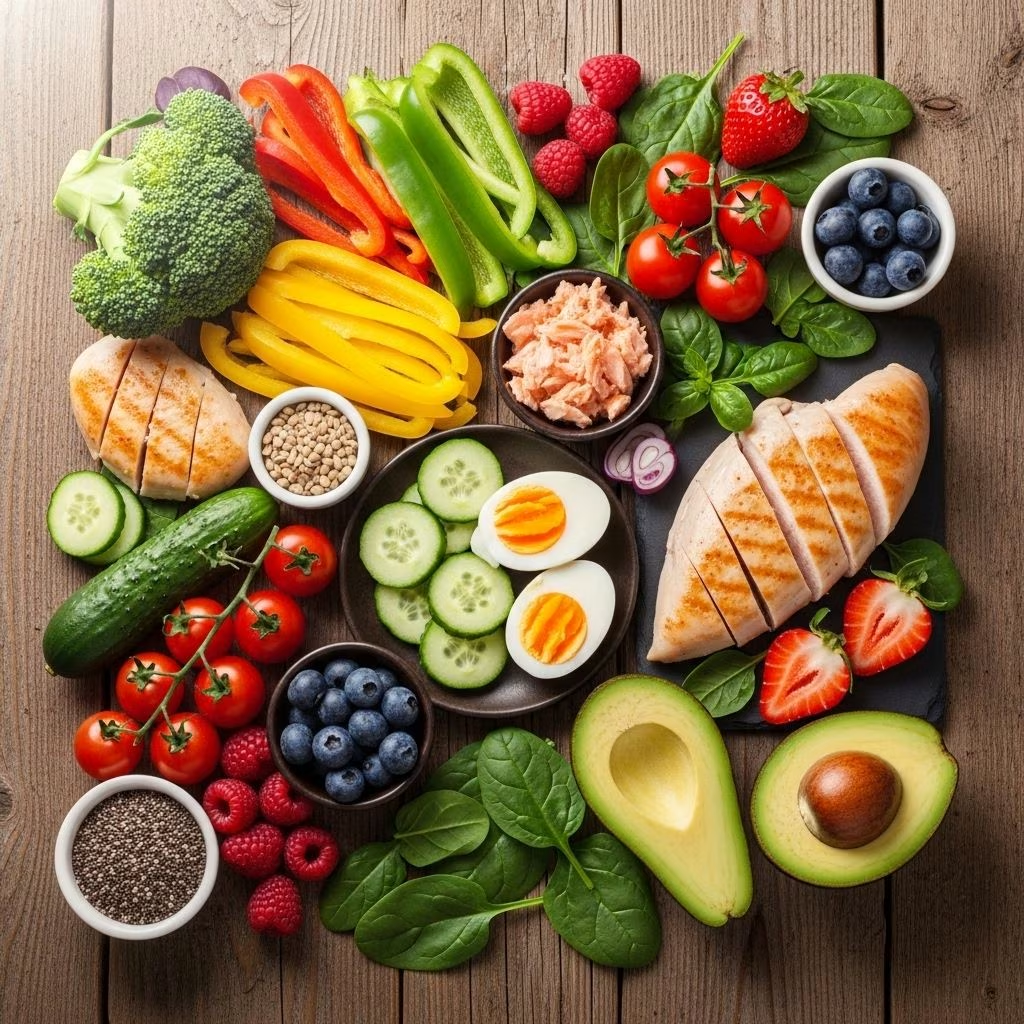
When it comes to weight loss, the foods you choose to eat can make all the difference. While reducing your calorie intake is essential for shedding pounds, it’s just as important to pick foods that fill you up, nourish your body, and support lasting results. This guide covers the best low-calorie, low-carb, and low-fat foods to help you reach your goals without sacrificing flavor or nutrition.
Why Focus on Low-Calorie, Low-Carb, and Low-Fat Foods?
Low-calorie foods help create the calorie deficit needed for weight loss.
Low-carb options aid in controlling blood sugar and insulin for many people.
Low-fat choices can keep overall calorie intake in check.
Yet, nutrition is about more than what you subtract. The most effective diet foods are those that provide bulk, essential nutrients, and satiety—helping you feel full and satisfied while supporting overall health.
How to Choose Diet-Friendly Foods
- Prioritize whole foods: Fresh vegetables, fruits, lean proteins, and simple grains offer more nutrients per calorie than processed foods.
- Look for fiber and protein: These nutrients slow digestion and help you stay full longer.
- Watch for empty calories: Steer clear of products with added sugars or starches that add calories without much nutrition.
- Mix and match: Creating meals combining various low-calorie, low-carb, and low-fat foods provides balance and satisfaction.
Top Low-Calorie Foods for Weight Loss
| Food | Calories (per serving) | Nutrition Highlights |
|---|---|---|
| Spinach | 7 cal/cup | Rich in vitamin K, magnesium, fiber, antioxidants |
| Celery | 6 cal/stalk | Crunchy, high in fiber, vitamin K, hydration |
| Oatmeal | 83 cal/1/2 cup (cooked) | Good source of fiber, protein; keeps you full |
| Lettuce (romaine) | 8 cal/cup | Vitamin A, vitamin C; swap for bread in wraps |
| Radishes | 10 cal/cup | High in vitamin C, fiber, antioxidants |
| Black Beans | 109 cal/1/2 cup | Protein, fiber, heart-healthy, iron |
| Chicken (skinless breast) | 128 cal/3 oz | Lean protein, selenium, low in fat when grilled |
| Asparagus | 20 cal/1/2 cup | Insoluble fiber, folate, vitamin K |
| Strawberries | 50 cal/cup | Pectin fiber, vitamin C, antioxidants |
| Cantaloupe | 54 cal/cup | Hydration, beta-carotene, vitamin C |
| Zucchini | 27 cal/cup | Vitamin A, vitamin C, versatile for recipes |
These foods are naturally low in calories, so you can enjoy larger portions without exceeding your daily limit. Many are also high in fiber or water, which adds volume and promotes a feeling of fullness.
Best Low-Carb Vegetables and Fruits
- Bell Peppers: Only 7 grams of carbs per 1/2 cup. Full of vitamin C and antioxidants. Slice them raw, grill, or stir fry.
- Broccoli: 5 grams of carbs per cup. A cruciferous veggie high in fiber and micronutrients.
- Mushrooms: 4 grams of carbs per 1/2 cup. Low calorie, packed with umami, and add texture to numerous dishes.
- Leafy Greens (kale, spinach, collards): As low as 1 gram carb per cup. Provide vitamins, minerals, and plenty of fiber.
- Avocado: 6 grams of carbs per 1/2 avocado, much of it fiber. Loaded with heart-healthy monounsaturated fat, potassium, and folate.
- Zucchini: 6 grams of carbs per medium zucchini. Adds bulk and creaminess to salads, smoothies, and stir fries.
- Cauliflower: 5 grams of carbs per cup (2 grams fiber). Delicious roasted, mashed, or riced as a low-carb substitute for starchy sides.
- Radishes: Virtually carb-free, extremely low calorie, and provide crunch and peppery flavor.
- Collard Greens: 4 grams of carbs and 4 grams fiber per cup. Versatile for wraps, side dishes, or stews.
Most non-starchy vegetables fit easily into low-carb diets, which favor leafy greens, cruciferous veggies, and fruits lower in sugars and starches. Many of these choices are also high in fiber for digestive and heart health.
Top Low-Fat Diet Foods
- Chicken breast (skinless): Lean source of protein, low in saturated fat.
- Fish (cod, tilapia, flounder): Naturally low in fat, high in healthy protein.
- Egg whites: Almost pure protein, virtually fat-free.
- Nonfat Greek yogurt: Satisfying and creamy with minimal fat.
- Beans (black beans, lentils): Generally low fat, high in complex carbs and protein.
- Cottage cheese (low-fat): Excellent protein content, little fat.
- Leafy greens, most vegetables, fruits: Naturally low in fat and calorie dense.
Low-fat diet foods are not just about cutting out oils and meats; they include plant-based products, lean proteins, and dairy alternatives that offer necessary nutrients with a fraction of the fat.
Delicious Ways to Enjoy These Diet Foods
- Add spinach to smoothies, omelets, or as the base for salads.
- Swap bread for lettuce wraps to cut calories and add crunch.
- Roast a pan of mixed vegetables (zucchini, bell pepper, broccoli, asparagus) with a sprinkle of olive oil and herbs for a colorful side.
- Blend frozen zucchini or cauliflower into smoothies for bulk and nutrition without flavor interference.
- Top oatmeal with fresh berries or a spoonful of nonfat Greek yogurt for extra protein and fiber.
- Serve grilled chicken breast with a robust salad of leafy greens and sliced avocado.
Experimenting with food combinations and preparation styles keeps your diet flavorful and prevents boredom, making healthy eating more sustainable over time.
Smart Snacking: 10 Quick Low-Calorie, Low-Carb Ideas
- Sliced radishes with a sprinkle of sea salt
- Celery sticks with a light spread of hummus
- Half a cantaloupe scooped with a spoon
- Greek yogurt with fresh berries
- Mushroom caps stuffed with salsa or cottage cheese
- Bell pepper strips dipped in salsa
- Two egg whites scrambled with spinach
- A cup of strawberries or blueberries
- Kale chips baked with a dusting of salt
- Steamed asparagus with lemon zest
Snacks can be both satisfying and packed with nutrients when you choose whole, non-starchy fruits and vegetables or low-fat protein sources.
Making Meals Filling: The Role of Protein and Fiber
Protein and fiber are critical for making meals feel satisfying, especially when calories are lower. Foods rich in these nutrients help:
- Slow digestion, which contributes to lasting fullness
- Prevent blood sugar spikes that trigger hunger
- Support muscle retention during weight loss
Pair beans or lentils with leafy greens, add chicken or fish to salads, or stir shredded vegetables into eggs or oatmeal for extra fullness without piling on calories.
Sample Low-Calorie, Low-Carb Meal Plan
- Breakfast: Oatmeal topped with strawberries and a dollop of nonfat Greek yogurt
- Snack: Celery sticks and a hard-boiled egg
- Lunch: Grilled chicken breast salad (spinach, lettuce, bell peppers, cucumbers, and a light vinaigrette)
- Snack: A cup of cantaloupe or a few sliced radishes
- Dinner: Baked salmon with roasted asparagus and steamed broccoli
This plan highlights how you can combine low-calorie, low-carb, and low-fat foods for flavorful, balanced meals across your day.
Frequently Asked Questions (FAQs)
Which vegetables are the lowest in calories?
Leafy greens like spinach and romaine, celery, radishes, and zucchini are among the lowest-calorie vegetables. Most are well under 30 calories per cup.
What are the best fruits for a low-carb diet?
Berries (strawberries, raspberries, blueberries), cantaloupe, and avocados are all low in carbs compared to bananas, grapes, or mangoes. They’re also high in nutrients and antioxidants.
How can I make my diet more filling without adding calories?
Focus on high-fiber foods like vegetables, beans, and whole grains, and pair them with lean proteins such as chicken breast, fish, or egg whites. Using herbs, vinegars, and spices boosts flavor without extra calories.
Are low-fat foods always the healthiest choice?
Not always. The healthiest diets include healthy fats (nuts, olive oil, avocados) while limiting saturated and trans fats. Choose foods naturally low in fat rather than processed “low-fat” products that can hide added sugars or starches.
Can I combine low-calorie, low-carb, and low-fat in one diet?
Absolutely. Many vegetables, lean proteins, and fruits are naturally low in all three. The key is variety: eating a broad range of these foods ensures nutritional balance while helping you lose weight sustainably.
Key Takeaways
- Whole foods provide more nutrition and satiety per calorie than processed foods.
- Leafy greens, cruciferous vegetables, berries, lean proteins, and beans are weight loss all-stars.
- Foods rich in fiber and protein help keep you full while controlling calories.
- Smart food swaps—like using lettuce wraps instead of bread—can dramatically reduce calorie and carb intake.
- Enjoy variety and experiment with new combinations for the best long-term results.
Adopting a diet full of low-calorie, low-carb, and low-fat foods supports healthy weight loss while keeping your meals satisfying, tasty, and nutrient-rich.
References
- https://www.prevention.com/food-nutrition/g20428211/25-ridiculously-low-calorie-foods/
- https://www.prevention.com/food-nutrition/g40518114/low-carb-vegetables/
- https://www.prevention.com/food-nutrition/healthy-eating/g25922606/high-fiber-low-carb-foods/
- https://www.prevention.com/weight-loss/g24805401/fat-burning-foods/
- https://www.prevention.com/food-nutrition/healthy-eating/g30705839/high-protein-low-carb-meal-ideas/
- https://www.prevention.com/food-nutrition/g41055022/low-calorie-meals/
- https://www.prevention.com/weight-loss/a20466111/diet-foods-low-calorie-low-carb-low-fat/
- https://www.prevention.com/weight-loss/g27323543/low-calorie-snacks/
- https://www.prevention.com/weight-loss/diets/a65255830/low-carb-diets-weight-loss/
- https://www.prevention.com/food-nutrition/healthy-eating/g29932964/low-calorie-breakfast-ideas/


